How to Transition Wood Floor to Tile?
- Sinotiles
- 2026-05-22
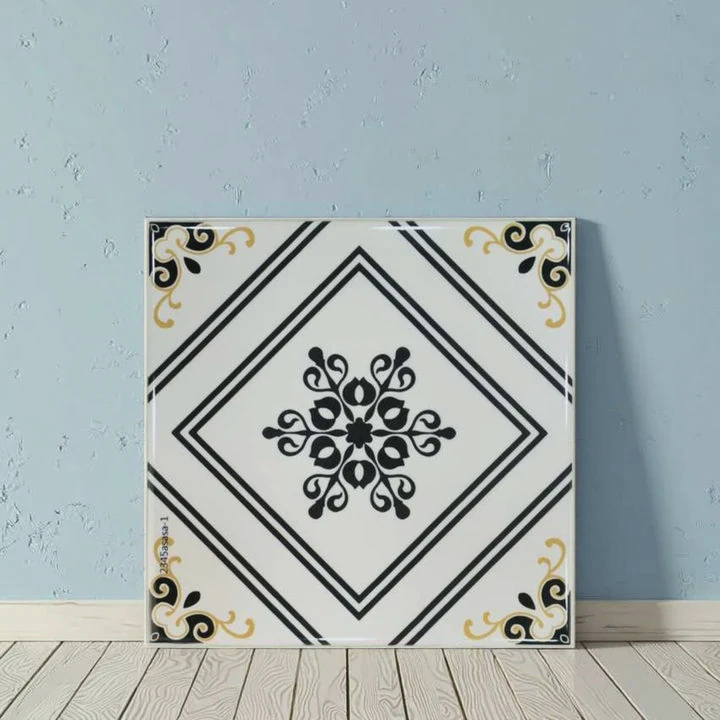
An uneven transition between wood flooring and tile can quickly ruin the appearance of a room. Poor transitions also create tripping risks, movement problems, and long-term floor damage.
Wood floor to tile transitions require the correct transition strips, proper height adjustment, expansion gaps, and accurate installation methods to create smooth, durable, and visually clean flooring connections.
Wood and tile are two of the most popular flooring materials in modern homes and commercial projects. Many designers combine them because each material serves different spaces well. Tile performs better in wet areas, while wood creates warmth and comfort in living spaces. Still, connecting these materials properly requires planning and precision. A bad transition becomes visible immediately. This guide explains the best methods used to create smooth and professional wood-to-tile floor transitions.
What Transition Strips Work Between Wood and Tile?
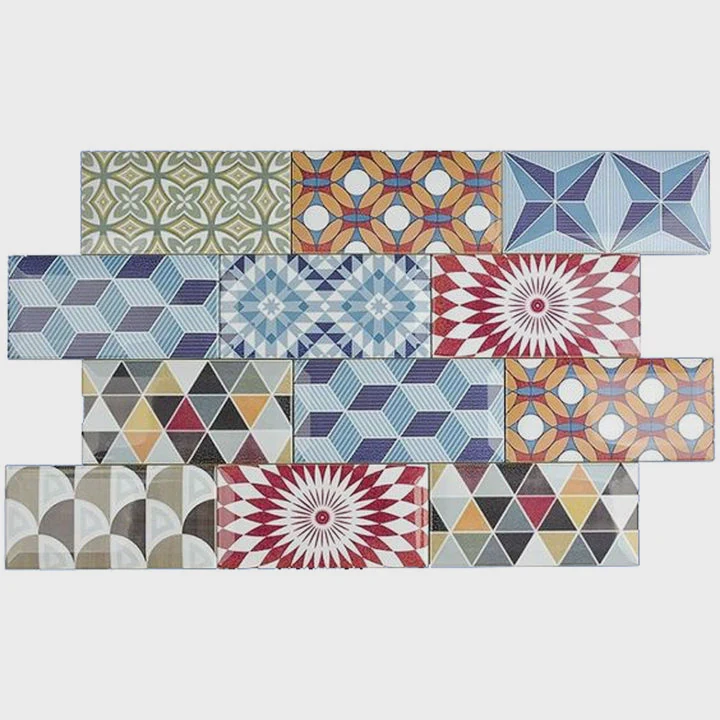
Without the right transition strip, the edge between tile and wood may crack, separate, or wear down faster over time. Poor edge protection also creates safety issues in high-traffic areas.
The most common transition strips between wood and tile include T-moldings, reducer strips, threshold strips, metal profiles, and flush transition trims designed for different floor heights and styles.
Transition strips do more than improve appearance. They also protect flooring edges from movement, pressure, and damage caused by daily foot traffic.
Why Transition Strips Are Necessary
Wood flooring naturally expands and contracts with temperature and humidity changes. Tile remains much more stable.
Without a transition strip:
- Floor edges may chip
- Gaps may appear
- Moisture problems may increase
- Flooring movement may cause cracks
Common Types of Transition Strips
| Transition Type | Best Use | Main Benefit |
|---|---|---|
| T-molding | Equal floor heights | Clean center connection |
| Reducer strip | Uneven floor heights | Smooth height reduction |
| Threshold strip | Doorways | Edge protection |
| Metal transition profile | Modern interiors | Strong durability |
| Flush transition trim | Seamless appearance | Minimal visual interruption |
T-Molding Transitions
T-molding is one of the most widely used options when wood and tile sit at nearly the same height.
The center section covers the expansion gap while allowing slight floor movement underneath.
Reducer Strips for Height Differences
Why Reducers Help
Reducer strips create a gradual slope between uneven surfaces.
Best Areas for Use
These strips work well between thick tile and thinner engineered wood flooring.
Metal Transition Profiles
Modern commercial projects often use aluminum or stainless steel transition profiles because they offer:
- High durability
- Sharp visual lines
- Moisture resistance
- Long-term stability
Many luxury hotels and retail stores now prefer slim metal profiles for minimalist interior designs.
Matching Transition Style With Interior Design
Transition strips should match both flooring materials and room style.
Rustic Interiors
Wood transition pieces often blend better.
Contemporary Spaces
Metal profiles usually create cleaner lines.
Luxury Projects
Flush transitions often provide the most premium appearance.
Why Material Quality Matters
Cheap transition strips may:
- Crack over time
- Fade in sunlight
- Warp from moisture
- Separate from flooring edges
Professional installers often choose higher-quality materials because transition areas receive constant foot traffic.
Choosing the Correct Transition Width
Wider strips may help cover larger expansion gaps or uneven cuts. Narrow profiles create a more seamless look but require more precise installation.
Careful transition strip selection improves both durability and visual quality while helping different flooring materials work together properly.
How Can Height Differences Be Handled Effectively?
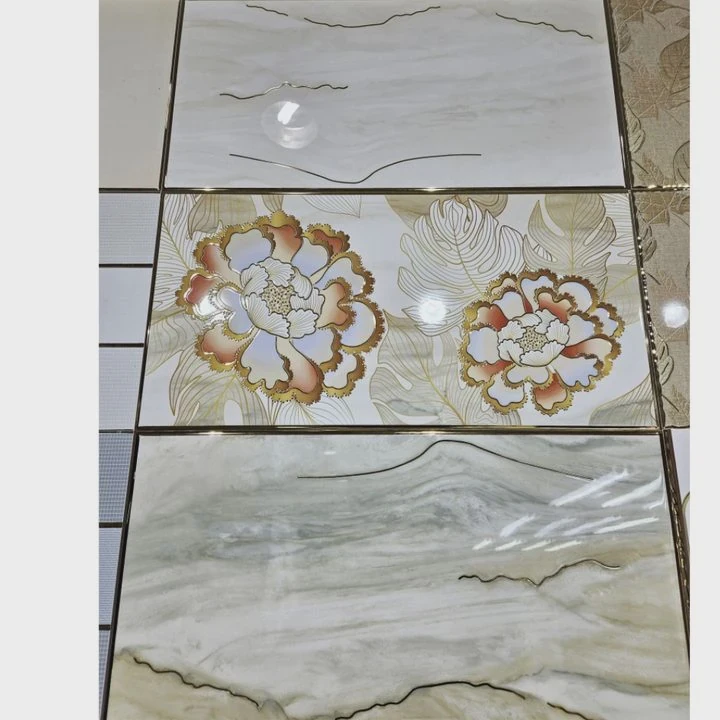
Height differences between wood flooring and tile create one of the most common installation problems. Uneven floors not only look unprofessional but also increase tripping risks.
Floor height differences can be handled effectively using reducer strips, floor leveling compounds, underlayment adjustments, gradual slopes, and careful subfloor planning before installation.
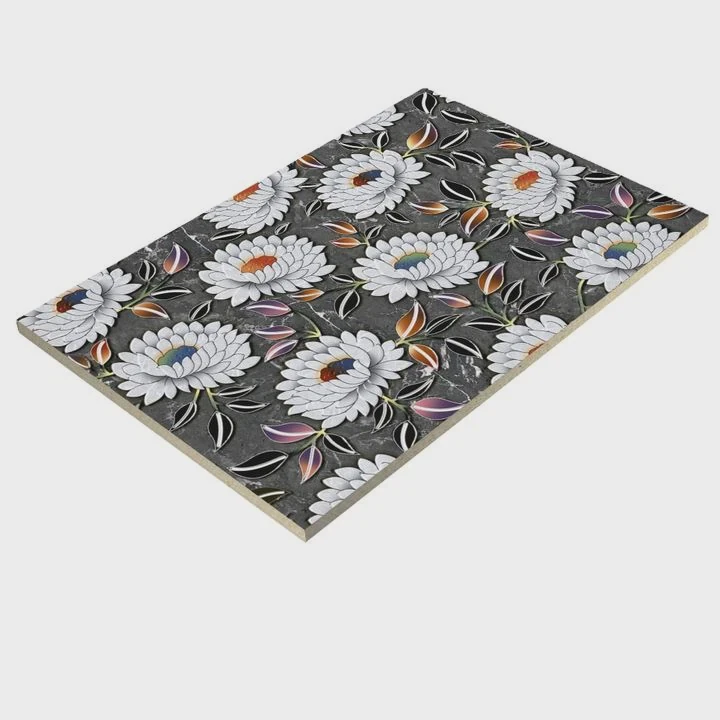
Height differences happen because tile and wood materials rarely share the same thickness. Adhesive layers and underlayment systems also affect final floor height.
Why Floor Height Differences Occur
Several factors influence floor elevation:
- Tile thickness
- Wood plank thickness
- Mortar depth
- Underlayment materials
- Subfloor conditions
Large-format porcelain or natural stone tiles often create bigger height differences than standard ceramic tiles.
Common Height Adjustment Methods
| Method | Best Situation | Main Advantage |
|---|---|---|
| Reducer strip | Minor height difference | Easy installation |
| Self-leveling compound | Uneven subfloor | Smooth base |
| Underlayment adjustment | Planned installations | Better height control |
| Feather edge patching | Small corrections | Seamless blending |
| Subfloor modification | Major projects | Long-term stability |
Planning Height Before Installation
Professional installers often calculate final floor heights before laying any material.
This allows them to:
- Match surfaces more accurately
- Reduce transition visibility
- Improve walking comfort
- Prevent later adjustments
Using Underlayment to Balance Heights
Thicker Underlayment Under Wood
This helps raise wood flooring closer to tile height.
Tile Backer Board Selection
Different backer boards create different elevation levels.
Why Gradual Transitions Feel Better
Sharp floor drops feel uncomfortable underfoot and create safety risks.
Reducer strips create a smoother walking experience by spreading the height difference across a wider area.
Self-Leveling Compounds
Self-leveling compounds are liquid-based materials used to flatten uneven subfloors.
They help:
- Correct dips
- Improve tile support
- Reduce movement
- Create smoother transitions
Challenges With Large Tile Installations
Large-format tiles require flatter subfloors because even small irregularities become visible.
When paired with thin wood flooring, planning becomes even more important to avoid large elevation gaps.
Why Early Planning Saves Money
Many transition problems become expensive to fix after installation begins.
Poor height planning may require:
- Removing flooring
- Replacing underlayment
- Cutting doors
- Reinstalling transition strips
Experienced contractors usually inspect all flooring materials together before installation starts.
Visual Impact of Proper Height Matching
Well-balanced floor heights improve:
- Interior flow
- Accessibility
- Luxury appearance
- Customer satisfaction
Smooth transitions make connected spaces feel larger and more professionally designed.
Why Leave Expansion Gaps Between Flooring Types?
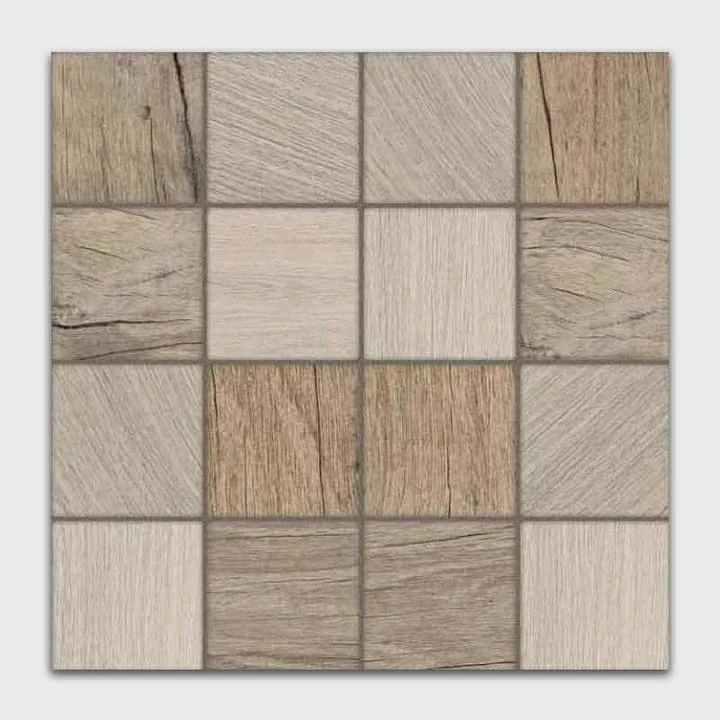
Many flooring failures happen because installers leave no room for natural movement. Floors that cannot expand properly may buckle, crack, or separate over time.
Expansion gaps between wood and tile allow natural floor movement caused by temperature and humidity changes, helping prevent cracking, lifting, and long-term structural damage.
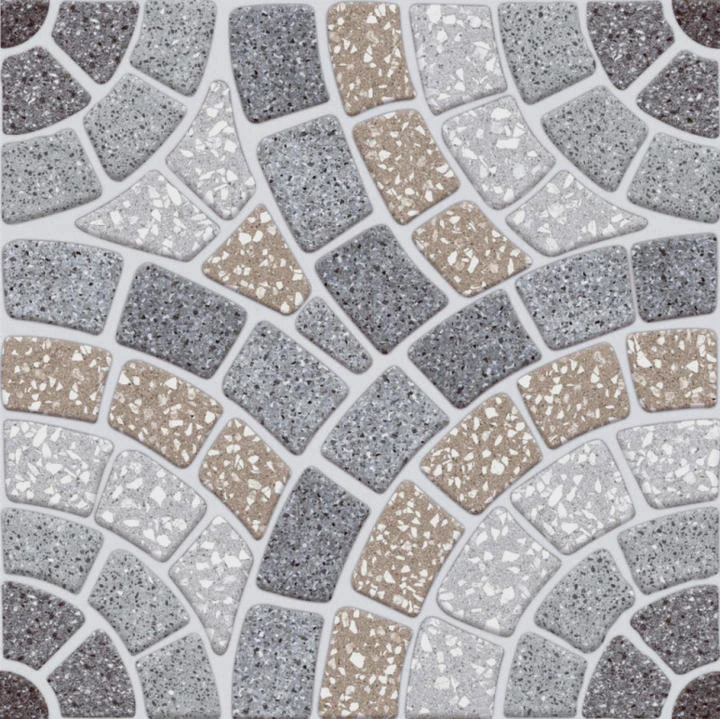
Expansion gaps are one of the most important technical details in flooring installation. Even small movement becomes powerful across large floor areas.
Why Wood Flooring Expands
Wood reacts naturally to environmental conditions.
Changes in:
- Humidity
- Temperature
- Moisture levels
- Seasonal weather
all affect wood size slightly.
Tile, however, remains much more stable. This difference creates movement stress where the two materials meet.
Problems Caused by Missing Expansion Gaps
| Problem | Cause | Result |
|---|---|---|
| Buckling wood | No expansion space | Raised flooring |
| Cracked tile edges | Pressure buildup | Tile damage |
| Squeaking floors | Tight installation | Noise issues |
| Transition separation | Floor movement | Visible gaps |
Recommended Expansion Gap Areas
Installers usually leave gaps:
- Along walls
- Around columns
- Near doorways
- Between flooring materials
These gaps are later covered with trim or transition profiles.
How Large Should Expansion Gaps Be?
Gap size depends on:
- Wood flooring type
- Climate conditions
- Room size
- Manufacturer guidelines
Larger spaces often require wider movement gaps.
Why Climate Matters
Humid Environments
Wood expands more because it absorbs moisture.
Dry Climates
Wood may shrink slightly over time.
Commercial projects in coastal or tropical regions usually require extra attention to expansion planning.
Floating Floors and Expansion Movement
Floating wood floors need even more movement space because the planks connect together as one large surface.
Without proper expansion gaps:
- The floor may push against tile edges
- Transition strips may loosen
- Surface lifting may occur
How Transition Strips Help Cover Expansion Gaps
Transition profiles hide movement spaces while still allowing flexibility underneath.
This creates:
- Better appearance
- Safer walking surfaces
- Long-term movement protection
Why Expansion Planning Improves Durability
Experienced installers understand that movement is normal. Proper planning accepts movement instead of trying to stop it completely.
Good expansion management greatly improves floor lifespan and reduces repair costs later.
Which Methods Ensure Smooth Floor Transitions?
A poorly finished transition can interrupt the visual flow of a room and make expensive flooring look unfinished. Small alignment mistakes often become highly visible after installation.
Smooth floor transitions depend on precise measurements, careful layout planning, proper leveling, accurate cutting, and professional installation techniques that create balanced and visually clean connections.
Modern interior design often emphasizes open spaces and continuous flooring flow. Because of this, transition quality has become more important than ever.
Why Smooth Transitions Matter
Smooth transitions improve:
- Walking comfort
- Safety
- Interior appearance
- Cleaning convenience
- Accessibility
In luxury projects, transition quality often influences the final impression of the entire floor installation.
Key Techniques for Smooth Transitions
| Technique | Main Purpose | Result |
|---|---|---|
| Precise floor measurement | Controls alignment | Better accuracy |
| Laser layout lines | Maintains straight transitions | Cleaner appearance |
| Careful edge cutting | Improves fit | Smaller gaps |
| Proper leveling systems | Reduces lippage | Smoother walking |
| Dry layout testing | Prevents mistakes | Better planning |
Importance of Straight Layout Lines
Crooked transitions become very noticeable between tile and wood because the materials have different textures and patterns.
Professional installers often use laser guides or chalk lines to maintain perfect alignment.
Why Dry Layout Testing Helps
Visual Balance
Installers can preview the final appearance.
Better Material Planning
Cuts become more accurate and efficient.
Flush Transition Installations
Flush transitions create one of the cleanest modern looks because wood and tile sit at nearly the same level.
This method requires:
- Precise height planning
- Accurate cutting
- Careful leveling
Controlling Tile Lippage
Tile lippage happens when adjacent tiles sit at different heights.
This issue becomes more visible near wood flooring because the smooth transition area draws attention.
Installers often use leveling clip systems to reduce lippage during tile installation.
Edge Protection Techniques
Tile edges are vulnerable to chipping near transition zones.
Many installers use:
- Metal edge trims
- Protective profiles
- Reinforced grout edges
These methods improve long-term durability.
Why Lighting Affects Transition Appearance
Strong lighting reveals uneven joints, poor cuts, and surface height differences more clearly.
Experienced contractors inspect transitions under both natural and artificial light before finishing the project.
Importance of Skilled Installation
Even high-quality materials cannot compensate for poor workmanship.
Professional installers focus carefully on:
- Joint spacing
- Surface flatness
- Transition symmetry
- Edge finishing
Attention to detail creates cleaner, safer, and longer-lasting floor transitions.
Conclusion
Wood-to-tile floor transitions require proper planning, suitable transition strips, balanced floor heights, and carefully managed expansion gaps. Smooth installation techniques improve both appearance and durability. When handled correctly, wood and tile flooring can connect seamlessly while maintaining long-term performance and visual harmony.