Can I Install Vinyl Over Tile?
- Sinotiles
- 2026-05-22
Many homeowners want new flooring without the mess, noise, and high labor cost of tearing out old tile floors during renovation projects.
Yes, vinyl flooring can often be installed over tile if the existing tile surface is clean, stable, level, and properly prepared before installation.
Many remodeling projects today focus on saving time and reducing demolition work. Removing old tile creates dust, noise, disposal costs, and long renovation schedules. Because of this, many homeowners and contractors now consider installing vinyl directly over existing tile surfaces. Still, success depends heavily on floor condition and preparation quality. Poor preparation usually causes long-term flooring problems later.
What Conditions Allow Vinyl Installation Over Tile?
Many vinyl flooring problems start because installers place new flooring over damaged or uneven tile surfaces without checking the floor condition carefully first.
Vinyl flooring can be installed over tile when the existing tile is firmly attached, level, clean, dry, and free from major cracks or movement problems.
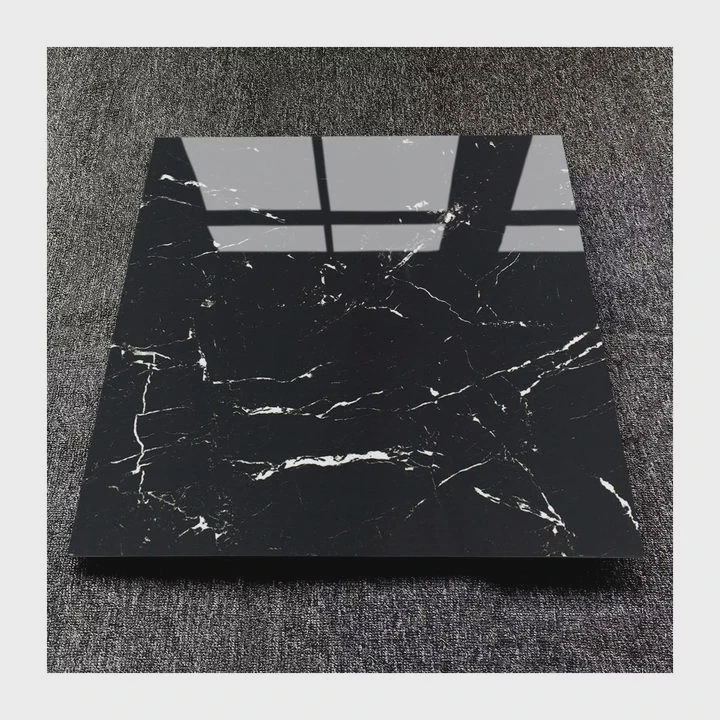
The condition of the existing tile floor matters more than the vinyl product itself. A weak foundation almost always creates future flooring failures.
Stable Tile Surface Is Essential
The first requirement is tile stability.
Loose or hollow tiles create movement underneath the vinyl flooring. Over time, this movement may lead to:
- Vinyl cracking
- Joint separation
- Surface sinking
- Adhesive failure
- Visible floor imperfections
Every tile should feel firmly attached to the substrate.
Check for Cracks and Damage
Small cosmetic imperfections may not create serious problems. Still, major cracks usually indicate movement underneath the tile system.
This movement can eventually transfer through the vinyl surface.
Flatness Matters More Than Appearance
Many old tile floors still look visually acceptable but contain uneven grout lines or height differences.
Vinyl flooring performs best on flat surfaces.
| Surface Condition | Vinyl Installation Suitability |
|---|---|
| Flat and stable tile | Good |
| Loose tiles | Poor |
| Large height variation | Risky |
| Minor grout joints | Usually manageable |
Even small uneven areas may become visible later, especially with thin vinyl products.
Moisture Conditions Must Be Controlled
Moisture problems underneath tile flooring can damage vinyl installations.
Before installation, inspect for:
- Water leaks
- Damp areas
- Mold signs
- Bathroom moisture issues
Excess moisture weakens adhesives and may create mold growth beneath the flooring.
Existing Tile Height Matters
Adding vinyl flooring increases floor height.
This can affect:
- Door clearance
- Appliance height
- Transition strips
- Cabinet clearance
Many homeowners forget to check these details before installation begins.
Tile Texture Affects Results
Highly textured tile surfaces may telegraph through thin vinyl products.
Glossy smooth tiles usually create easier installation conditions.
Subfloor Strength Still Matters
Even if the tile surface appears acceptable, the structure underneath also matters.
Weak subfloors may flex under pressure. Excess movement can eventually damage both tile and vinyl layers.
Floating Vinyl vs Glue-Down Vinyl
Different vinyl products respond differently to tile surfaces.
| Vinyl Type | Performance Over Tile |
|---|---|
| Rigid core vinyl | Better at hiding imperfections |
| Glue-down vinyl | Requires smoother surfaces |
| Thin sheet vinyl | More likely to show grout lines |
Rigid core products usually tolerate existing tile better because they provide greater structural stability.
Careful Inspection Prevents Future Problems
Several renovation projects initially appeared suitable for vinyl-over-tile installation. Still, closer inspection later revealed hidden loose tiles and moisture problems.
Fixing these issues before installation prevented costly flooring failures afterward.
The floor underneath always determines the long-term success of the new flooring system.
How Can Surface Preparation Improve Adhesion?
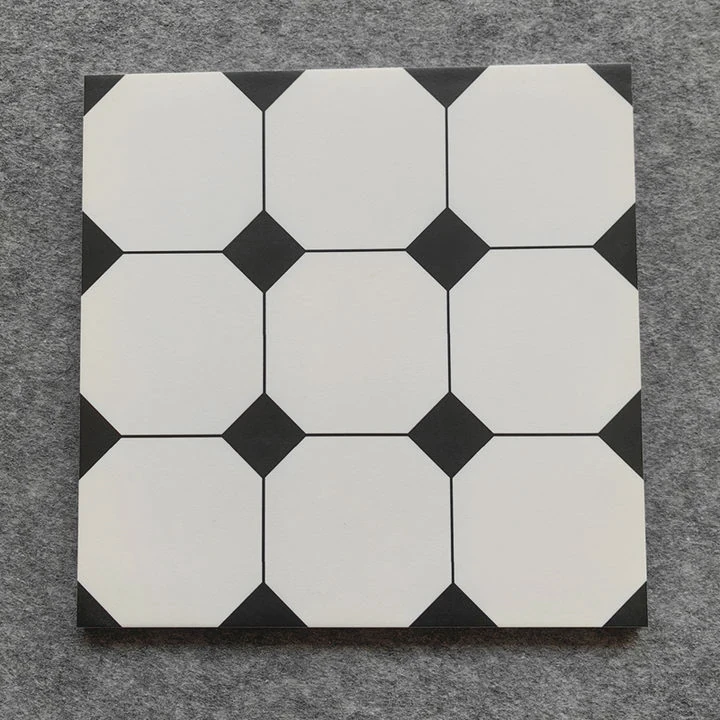
Many vinyl flooring failures happen because installers skip proper surface preparation and expect adhesive or floating systems to compensate for poor floor conditions.
Surface preparation improves vinyl adhesion by creating a clean, smooth, stable, and dust-free base that allows adhesives and flooring systems to bond correctly.
Preparation often determines whether vinyl flooring lasts for years or starts failing after a short period.
Cleaning Removes Bonding Barriers
Tile surfaces collect grease, dust, soap residue, and cleaning chemicals over time.
These materials weaken adhesive performance.
Before installation, clean the floor thoroughly using:
- Degreasers
- Mild cleaners
- Vacuum removal
- Damp wiping
The surface must dry completely before continuing.
Grout Lines Need Attention
Deep grout joints create uneven surfaces beneath vinyl flooring.
Some installers apply floor leveling compound to reduce grout line visibility.
This helps prevent:
- Surface telegraphing
- Uneven wear
- Visible floor patterns
- Adhesive gaps
Sanding Improves Surface Grip
Glossy tile surfaces sometimes reduce adhesive bonding strength.
Light sanding creates a rougher texture that helps adhesives grip more effectively.
Repair Damaged Areas First
Broken or cracked tiles should never remain untreated before vinyl installation.
Important repairs include:
| Problem Area | Recommended Action |
|---|---|
| Cracked tiles | Replace or fill |
| Loose tiles | Reattach securely |
| Missing grout | Refill joints |
| Uneven areas | Level surface |
Ignoring these issues usually creates future flooring movement.
Moisture Testing Helps Prevent Failure
Even dry-looking floors may contain moisture problems underneath.
Moisture testing becomes especially important in:
- Basements
- Bathrooms
- Kitchens
- Ground-floor installations
Excess moisture weakens many vinyl adhesive systems.
Primer May Improve Adhesion
Some flooring manufacturers recommend primers before adhesive application.
Primers can improve:
- Adhesive bonding
- Surface sealing
- Dust control
- Moisture resistance
Always follow manufacturer guidelines for compatibility.
Floor Leveling Creates Better Results
Self-leveling compounds help flatten uneven tile surfaces.
This becomes important when grout joints are deep or tile edges vary in height.
Temperature Conditions Matter
Installation environment also affects adhesion quality.
Extreme temperatures may create:
- Weak adhesive curing
- Expansion problems
- Bond failure
Most vinyl products require controlled indoor temperatures during installation.
Proper Preparation Saves Future Costs
Skipping preparation may appear faster initially. Still, flooring failures later create much higher repair expenses.
Common failure signs include:
| Failure Type | Likely Cause |
|---|---|
| Vinyl lifting | Poor adhesion |
| Surface bumps | Uneven substrate |
| Visible grout lines | Inadequate leveling |
| Joint separation | Floor movement |
Many experienced installers spend more time preparing the surface than installing the vinyl itself because preparation controls long-term performance.
Why Ensure Tiles Are Level Before Installing Vinyl?
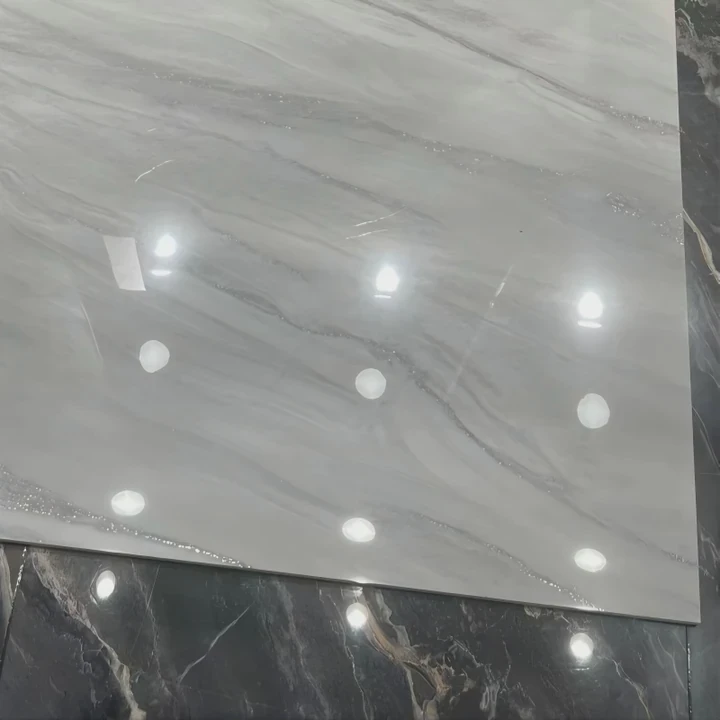
Uneven tile surfaces may seem minor at first, but small height differences often become highly visible after vinyl flooring installation.
Tiles must be level before installing vinyl because uneven surfaces create visible imperfections, reduce flooring stability, weaken locking systems, and increase long-term wear problems.
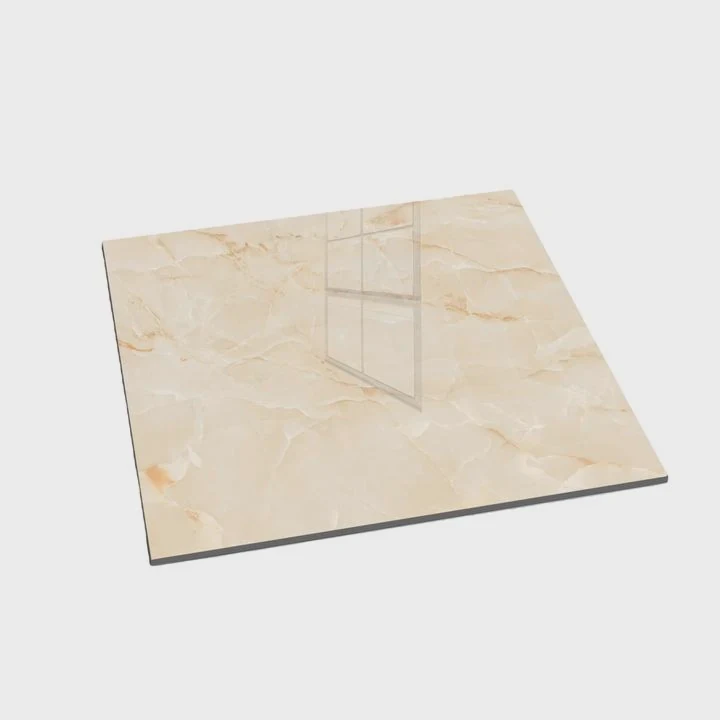
Levelness is one of the most important factors in successful vinyl flooring installation.
Vinyl Reflects Surface Imperfections
Vinyl flooring is flexible compared to stone or ceramic materials.
Because of this flexibility, the material often follows the shape of the surface underneath.
Even small irregularities may appear later as:
- Surface ridges
- Visible grout lines
- Floor waves
- Raised edges
Locking Systems Need Stability
Many modern vinyl planks use click-lock systems.
Uneven tile surfaces place stress on these connections.
Over time, this may lead to:
- Joint separation
- Edge lifting
- Cracking
- Movement noises
Walking Comfort Improves on Level Floors
Uneven floors create uncomfortable walking sensations.
Homeowners often notice:
- Soft spots
- Hollow sounds
- Slight rocking movement
These issues reduce flooring quality perception.
Heavy Furniture Creates Extra Stress
Furniture weight concentrates pressure onto high spots.
This increases the risk of:
| Flooring Problem | Cause |
|---|---|
| Indentation | Uneven support |
| Vinyl cracking | Pressure concentration |
| Lock damage | Subfloor movement |
| Adhesive failure | Surface gaps |
Level support distributes weight more evenly across the floor.
Thin Vinyl Products Show More Defects
Thicker rigid core vinyl products hide imperfections better.
Thin sheet vinyl and glue-down products usually reveal uneven surfaces more easily.
Self-Leveling Compound Helps Correct Problems
Installers often use floor leveling compounds over tile before vinyl installation.
This creates:
- Smoother transitions
- Better adhesive contact
- Improved appearance
- More stable flooring support
Large Tile Grout Lines Create Challenges
Wide grout joints may remain visible beneath vinyl if not properly filled.
This issue becomes more noticeable under direct lighting.
Long-Term Wear Increases on Uneven Floors
Uneven support creates pressure points.
Over time, these areas wear faster because foot traffic concentrates unevenly.
Flatness Standards Matter
Professional installers often use straightedges to inspect floor flatness before installation.
Typical inspection checks include:
- Height variation
- Tile lippage
- Grout depth
- Surface dips
Prevention Costs Less Than Repair
Correcting floor unevenness before installation is usually much cheaper than replacing damaged vinyl later.
Several flooring failures happened simply because installers ignored minor tile unevenness during preparation. After installation, those imperfections became much more obvious under lighting and daily use.
A level surface creates better appearance, comfort, and long-term flooring durability.
Which Limitations Affect Vinyl Over Tile Performance?
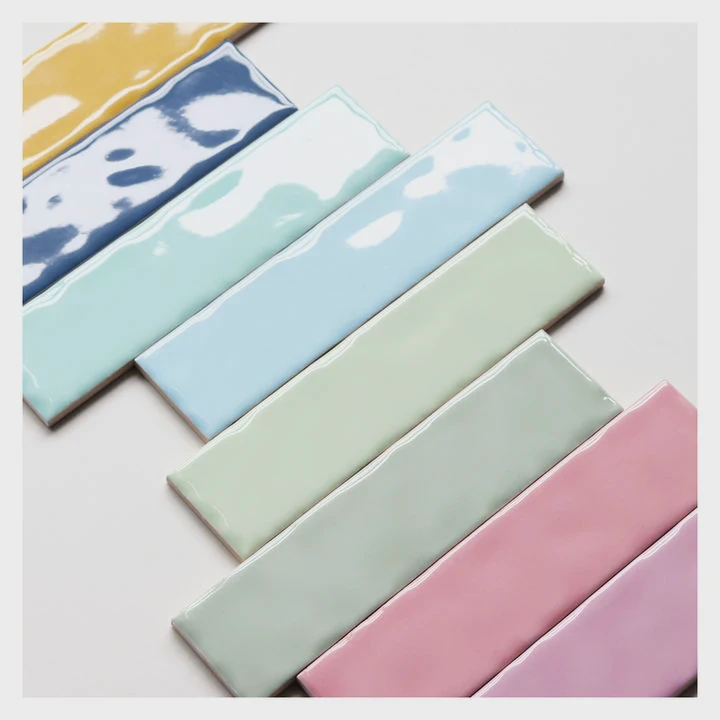
Although vinyl over tile can work successfully, some floor conditions and environmental factors still create long-term performance limitations.
The main limitations affecting vinyl over tile performance include uneven surfaces, moisture problems, floor height increases, grout line telegraphing, and substrate movement underneath the tile layer.
Installing vinyl over tile saves demolition work, but it does not eliminate all flooring risks.
Grout Lines May Become Visible
One of the most common problems is telegraphing.
Telegraphing happens when grout joints or tile patterns gradually become visible through the vinyl surface.
This occurs more often with:
- Thin vinyl flooring
- Deep grout joints
- Heavy foot traffic
- Poor floor preparation
Moisture Can Become Trapped
Moisture underneath tile surfaces may remain hidden during installation.
Trapped moisture can eventually create:
- Mold growth
- Adhesive breakdown
- Floor lifting
- Odor problems
Bathrooms and basements require especially careful moisture inspection.
Added Floor Height Creates Complications
Adding vinyl on top of tile increases total floor thickness.
This may create problems around:
| Area | Possible Issue |
|---|---|
| Doors | Clearance reduction |
| Appliances | Height mismatch |
| Transitions | Uneven flooring edges |
| Cabinets | Reduced clearance |
Small height increases sometimes affect room functionality more than expected.
Existing Tile Problems Can Transfer Upward
Vinyl flooring does not permanently solve underlying tile problems.
If the tile layer moves or cracks later, those issues may affect the vinyl surface too.
Temperature Expansion Matters
Vinyl expands and contracts with temperature changes.
Improper expansion gaps may lead to:
- Buckling
- Edge lifting
- Joint stress
Sunlight exposure near windows can increase this issue.
Heavy Loads May Create Indentation
Some vinyl products remain softer than tile flooring.
Heavy furniture or concentrated loads may create permanent marks over time.
Not All Vinyl Products Perform Equally
Different vinyl products respond differently over tile substrates.
| Vinyl Product | Tile Compatibility |
|---|---|
| SPC rigid core | Better |
| WPC vinyl | Moderate |
| Thin glue-down vinyl | More sensitive |
| Sheet vinyl | Can show imperfections |
Choosing the correct product significantly affects long-term results.
Warranty Limitations May Apply
Some flooring manufacturers limit warranty coverage when installing over existing tile.
Always review installation guidelines carefully before starting.
Demolition May Still Be Better Sometimes
In severe cases, tile removal remains the better solution.
Examples include:
- Loose tile systems
- Major moisture damage
- Structural movement
- Uneven subfloors
Installing over these problems usually delays failure rather than preventing it.
Realistic Expectations Improve Results
Vinyl over tile can work very well under the right conditions. Still, preparation quality and existing floor condition always control long-term success.
The best installations happen when homeowners treat surface preparation as seriously as the flooring product itself.
Conclusion
Installing vinyl over tile can be a practical and cost-effective flooring solution when the existing tile surface is stable, level, and properly prepared. Careful inspection, surface leveling, and moisture control play the biggest role in achieving long-lasting vinyl flooring performance.