What Is the Best Vinyl Tile Flooring?
- Sinotiles
- 2026-04-22
Many buyers feel lost when choosing vinyl tile flooring. There are too many options, and each claims to be the best. This confusion often leads to wrong decisions and wasted budget.
The best vinyl tile flooring depends on durability, thickness, wear layer, design, and cost. A balanced choice that fits your project needs will always perform better than simply picking the most expensive option.
When I talk with buyers, I often see the same issue. They focus on price or look, but ignore performance. This article breaks down each key factor in a simple way.
Which factors determine best vinyl tile flooring?
Many people pick vinyl tiles based only on design. This leads to fast wear, poor performance, and complaints from end users.
The best vinyl tile flooring is determined by wear layer, thickness, core structure, surface treatment, and installation method. These factors directly affect durability and long-term value.
Choosing vinyl tile flooring is not just about looks. It is a technical decision. Each factor plays a role, and ignoring one can lead to problems later.
Key Factors Explained
1. Wear Layer Thickness
The wear layer protects the surface. A thicker wear layer means better resistance to scratches and stains.
| Wear Layer | Usage Area |
|---|---|
| 0.2 mm | Light residential |
| 0.3–0.5 mm | Standard residential |
| 0.5–0.7 mm | Commercial use |
| 0.7 mm+ | Heavy commercial |
A project like a shopping mall needs at least 0.5 mm. A home bedroom can use less.
2. Total Thickness
Thicker tiles feel more stable and comfortable. They also reduce noise.
- 2–3 mm: Basic projects
- 4–5 mm: Standard quality
- 6 mm+: Premium performance
3. Core Type
There are three main types:
- LVT (Luxury Vinyl Tile): flexible
- SPC (Stone Plastic Composite): rigid and strong
- WPC (Wood Plastic Composite): softer and more comfortable
Each has its own use case. For example, SPC is better for commercial areas.
4. Surface Finish
A good surface improves grip and reduces slipping.
Common finishes include:
- Matte
- Textured
- Anti-slip coating
Why These Factors Matter
When I worked with a client in the Middle East, they chose thin vinyl tiles to save cost. After six months, the floor showed heavy scratches. They had to replace it. This cost more than choosing the right product from the start.
The lesson is simple. A “best” product is not universal. It must match the project.
How does durability compare among vinyl tile options?
Many buyers assume all vinyl tiles are durable. This is not true. Some options fail quickly under pressure.
Durability varies based on wear layer, core structure, and installation type. SPC vinyl tiles usually offer the highest durability, followed by LVT and WPC.
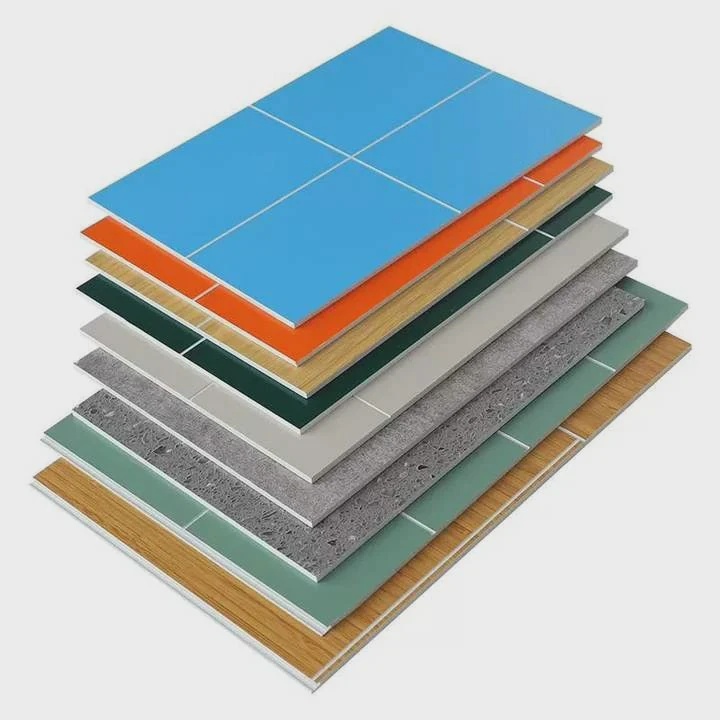
Durability is often the top concern in large projects. It directly affects maintenance cost and customer satisfaction.
Comparison of Vinyl Tile Types
| Type | Durability | Flexibility | Best Use |
|---|---|---|---|
| LVT | Medium | High | Residential |
| SPC | High | Low | Commercial |
| WPC | Medium | Medium | Comfort areas |
What Affects Durability?
1. Wear Layer
This is the first defense line. A thicker wear layer means longer life.
2. Core Stability
SPC has a rigid core. It resists dents and impact better than LVT.
3. Installation Method
- Glue-down: strong and stable
- Click-lock: easy but less stable in heavy traffic
4. Environment
High humidity or temperature changes can affect performance. SPC handles these conditions better.
Real Project Insight
I once supplied SPC flooring for a retail chain. They needed a product that could handle daily foot traffic. After two years, the floor still looked new. This showed the importance of choosing the right type.
Hidden Durability Risks
Many buyers overlook these:
- Poor subfloor preparation
- Low-quality adhesive
- Incorrect installation
Even the best product can fail if installed wrong.
What features improve vinyl flooring performance?
Some vinyl tiles look good but fail in real use. Performance features are often ignored during purchase.
Features like waterproofing, anti-slip surfaces, UV coating, and sound insulation improve vinyl flooring performance significantly. These features enhance safety, comfort, and lifespan.
Performance features are what separate standard products from high-quality ones.
Important Performance Features
1. Waterproof Capability
Vinyl tiles are naturally water-resistant. But SPC offers full waterproof performance.
This makes it ideal for:
- Bathrooms
- Kitchens
- Commercial spaces
2. Anti-Slip Surface
Safety is critical. Anti-slip surfaces reduce accidents.
This is important for:
- Public areas
- Elderly users
- Wet environments
3. UV Coating
UV coating protects color from fading.
Without it, flooring may:
- Lose color
- Look old quickly
4. Sound Insulation
Some vinyl tiles include underlayment.
Benefits:
- Reduce noise
- Improve comfort
Feature Comparison Table
| Feature | Basic Vinyl | Premium Vinyl |
|---|---|---|
| Waterproof | Partial | Full |
| Anti-slip | Low | High |
| UV Protection | Limited | Strong |
| Sound Control | None | Included |
Why Features Matter in Business
In B2B projects, performance features can affect reputation. A developer or contractor needs products that reduce complaints.
I worked with a hotel project once. They required quiet rooms. We provided vinyl tiles with sound insulation backing. Guests reported better comfort, and the client was satisfied.
Long-Term Value
Performance features may increase initial cost. But they reduce maintenance and replacement.
This creates:
Better ROI
Stronger customer trust
Can cost affect vinyl tile selection decisions?
Many buyers focus too much on price. This often leads to poor product choice.
Cost affects vinyl tile selection by influencing quality, durability, and features. The lowest price often leads to higher long-term costs due to maintenance and replacement.
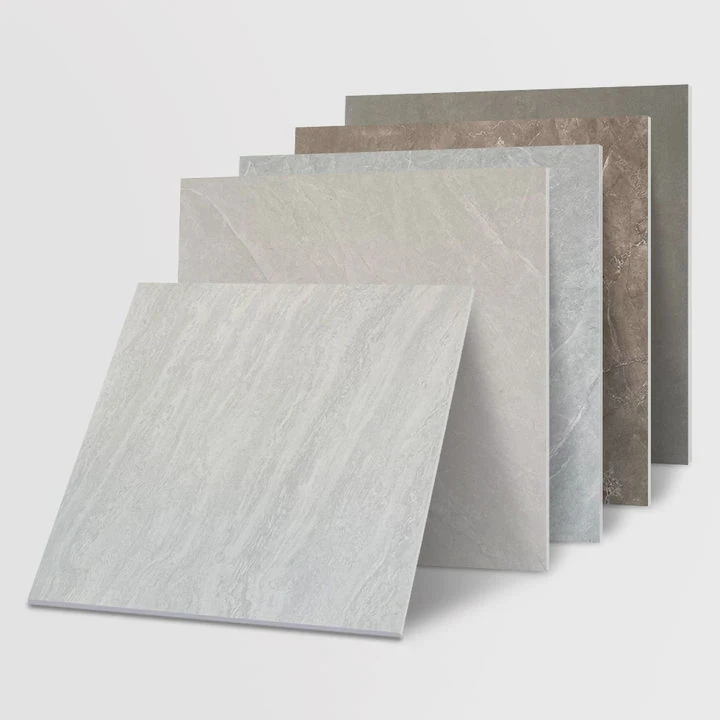
Price is always a key factor, especially in large projects. But it should not be the only factor.
Understanding Cost Structure
Vinyl tile pricing depends on:
- Raw materials
- Thickness
- Wear layer
- Brand and production quality
Cost vs Value
| Price Level | Quality | Risk |
|---|---|---|
| Low | Basic | High |
| Medium | Balanced | Medium |
| High | Premium | Low |
Hidden Costs
Cheap products often lead to:
- Frequent replacement
- Higher maintenance
- Customer complaints
Smart Buying Strategy
Instead of choosing the cheapest option, buyers should:
1. Define Project Needs
Residential and commercial projects need different standards.
2. Compare Total Cost
Include:
- Installation
- Maintenance
- Lifespan
3. Work with Reliable Suppliers
Stable supply and quality control are key.
Personal Experience
A client from South America once chose low-cost vinyl tiles for a retail project. Within one year, they faced heavy wear and had to replace the floor. After that, they switched to a mid-range product and saw better results.
This shows that the cheapest option is not always the best.
Cost Optimization Tips
Choose the right specification, not the highest
Avoid over-design for low-traffic areas
Balance performance and budget
Conclusion
The best vinyl tile flooring is not about price or design alone. It depends on durability, features, and project needs. A balanced choice always delivers better long-term value and performance.