Is Reglazing Tile A Good Idea?
- Sinotiles
- 2026-05-21
Many homeowners want a fresh bathroom or kitchen look but feel overwhelmed by the high cost, dust, and disruption of full tile replacement projects.
Tile reglazing is a good idea for many homeowners because it refreshes old tile surfaces at a lower cost, improves appearance quickly, and avoids major demolition work when the existing tiles remain structurally sound.
Many renovation projects focus on appearance improvement without requiring complete reconstruction. Reglazing has become popular because it offers a practical middle-ground solution between living with outdated tile and paying for a full renovation. Still, reglazing is not perfect for every situation. The condition of the existing tile, long-term goals, and project budget all matter before making a decision.
What Benefits Does Tile Reglazing Offer Homeowners?
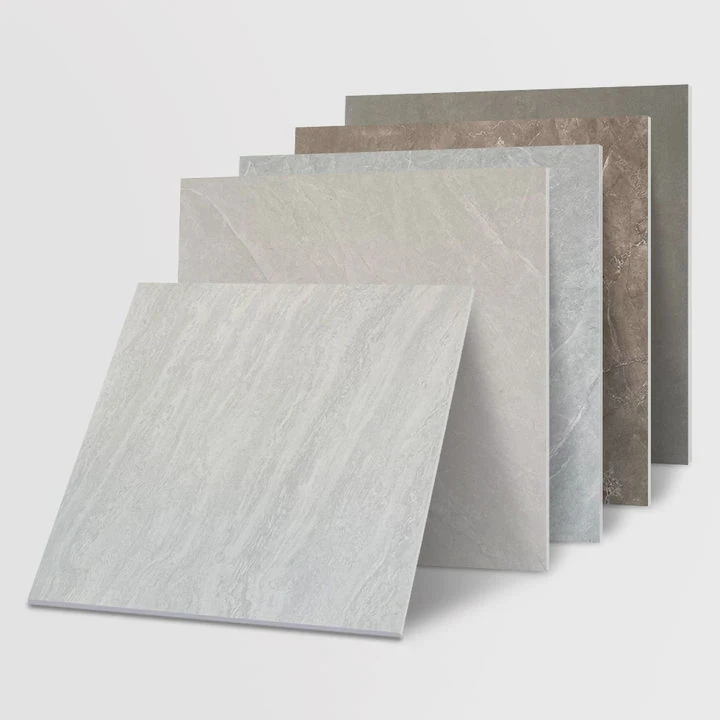
Old tile can make an entire kitchen or bathroom feel dark, outdated, and unattractive even when the tile structure itself still remains functional.
Tile reglazing offers homeowners lower renovation costs, faster updates, improved appearance, less demolition, and extended tile lifespan without completely replacing the existing surface.
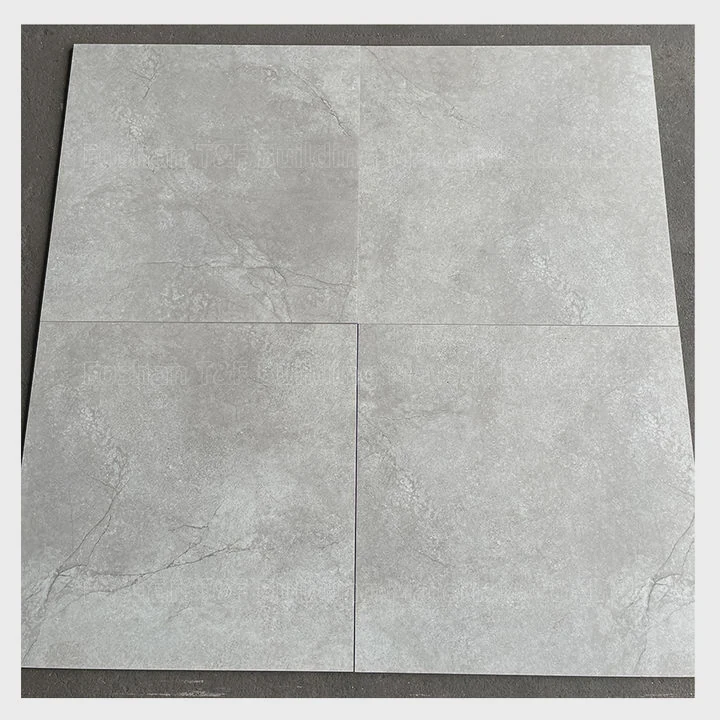
Many homeowners first consider full renovation because they dislike the color or style of existing tile. In many cases, the real issue is visual appearance rather than tile performance.
Faster Renovation Process
One major advantage of reglazing is speed.
Complete tile replacement often requires:
- Demolition
- Dust removal
- Plumbing adjustments
- Waterproofing work
- Surface rebuilding
- New tile installation
Reglazing skips most of these steps.
A reglazing project can often finish within a few days instead of several weeks.
Lower Project Disruption
Many families continue living inside the home during remodeling work.
Tile replacement creates:
| Renovation Issue | Impact |
|---|---|
| Loud demolition | Daily disturbance |
| Heavy dust | Cleaning problems |
| Water shutoffs | Bathroom inconvenience |
| Debris removal | Extra labor |
Reglazing usually creates far less disruption.
Updated Appearance Without Full Replacement
Reglazing changes the visible surface color and finish.
Popular updates include:
- Bright white finishes
- Glossy modern surfaces
- Cleaner grout appearance
- Fresh bathroom aesthetics
This helps older spaces feel newer without major construction work.
Extends Existing Tile Life
In many homes, the original tile still has strong structural integrity.
The main problems are often:
- Surface discoloration
- Minor stains
- Outdated colors
- Dull finish
Reglazing covers these cosmetic issues and extends the useful life of the installation.
Lower Material Waste
Tile demolition creates significant construction waste.
Reglazing reduces waste because existing materials remain in place.
This lowers:
- Dumpster costs
- Disposal labor
- Construction debris
- Environmental impact
Budget Flexibility
Some homeowners want to improve property appearance before selling a home.
In these situations, reglazing offers a lower-cost visual improvement compared to a full remodel.
Works Well for Certain Tile Types
Reglazing commonly works best on:
| Tile Surface | Reglazing Suitability |
|---|---|
| Ceramic tile | Very good |
| Porcelain tile | Good |
| Fiberglass tubs | Common |
| Wall tile | Good |
| Decorative textured tile | Less ideal |
Smooth surfaces usually produce more even final finishes.
Immediate Visual Improvement
One bathroom project involved dark pink wall tiles from an older home design trend. Full replacement required plumbing changes and waterproofing repairs that exceeded the renovation budget.
Reglazing transformed the entire room appearance within a short time. The bathroom looked cleaner, brighter, and more modern without major reconstruction.
For many homeowners, this type of improvement creates a practical balance between budget and appearance.
How Does Reglazing Compare To Tile Replacement?
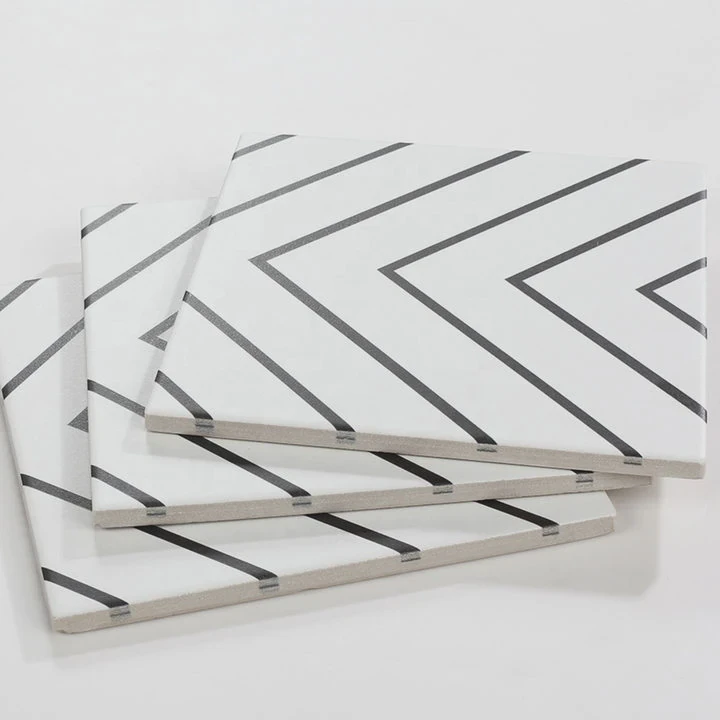
Many homeowners struggle to decide between reglazing existing tile and completely replacing the entire installation during renovation projects.
Reglazing costs less and finishes faster than tile replacement, while full replacement provides longer lifespan, deeper customization, and complete structural renewal.
Both options have advantages. The right choice depends on project goals, tile condition, and long-term expectations.
Cost Differences
Tile replacement usually costs much more because labor becomes the biggest expense.
Replacement includes:
- Demolition
- Tile disposal
- Surface repair
- Waterproofing
- New tile purchase
- Installation labor
Reglazing avoids most of these steps.
| Project Type | Relative Cost |
|---|---|
| Reglazing | Lower |
| Full replacement | Higher |
For budget-sensitive renovations, reglazing often becomes attractive.
Lifespan Comparison
New tile installations generally last longer than reglazed surfaces.
A professionally installed porcelain tile system can last decades with proper care.
Reglazing coatings eventually wear over time, especially in heavy-use areas.
Appearance Flexibility
Replacement provides complete design freedom.
Homeowners can change:
- Tile size
- Layout pattern
- Surface texture
- Material type
- Room style
Reglazing mainly changes color and finish appearance.
Structural Improvements
Replacement allows contractors to inspect hidden issues behind the tile.
Potential hidden problems include:
- Water damage
- Mold
- Weak drywall
- Waterproofing failure
- Cracked substrate
Reglazing does not solve structural problems underneath the surface.
Time Requirements
Replacement projects usually require much more time.
| Process | Typical Timeline |
|---|---|
| Reglazing | Shorter |
| Full replacement | Longer |
This matters greatly in bathrooms where homeowners need quick access again.
Dust and Demolition
Demolition creates major mess.
Tile replacement often produces:
- Broken tile debris
- Cement dust
- Noise
- Surface damage
- Plumbing exposure
Reglazing avoids most demolition-related issues.
Long-Term Maintenance
Reglazed surfaces require careful maintenance.
Harsh cleaners and abrasive scrubbing may damage the coating layer.
New porcelain tile installations generally tolerate wear more effectively over long periods.
Property Value Considerations
High-end property renovations often favor full replacement because buyers may prefer fully updated materials.
Still, reglazing can improve appearance enough for many mid-range housing markets.
Choosing Between the Two
A practical comparison helps simplify the decision:
| Situation | Better Choice |
|---|---|
| Tight budget | Reglazing |
| Severe tile damage | Replacement |
| Quick update needed | Reglazing |
| Luxury remodel | Replacement |
| Structural water issues | Replacement |
| Cosmetic improvement only | Reglazing |
In many projects, the best solution depends more on existing tile condition than homeowner preference alone.
Why Consider Cost When Choosing Reglazing?
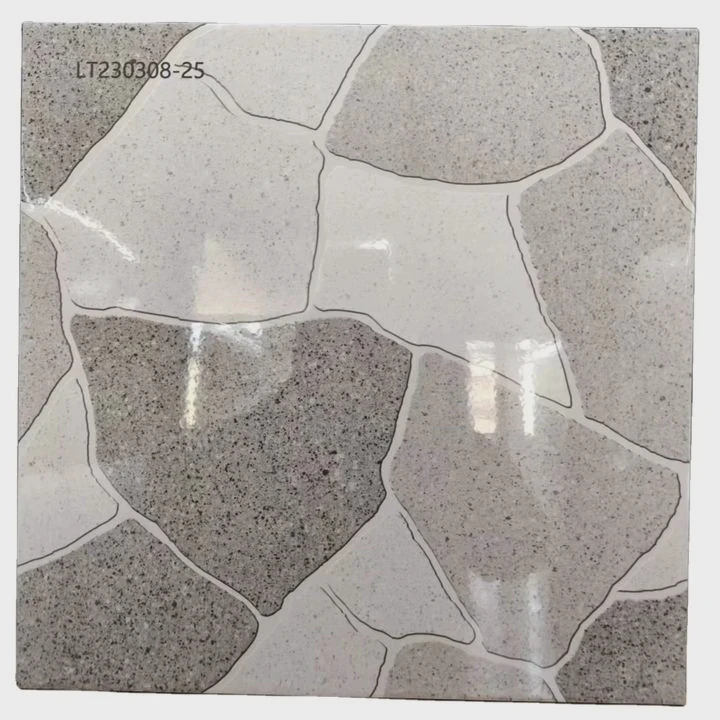
Many renovation budgets expand quickly once demolition, labor, plumbing, and material upgrades begin adding unexpected costs to the project.
Cost matters when choosing reglazing because it helps homeowners balance visual improvement, project budget, renovation speed, and long-term value without overspending unnecessarily.
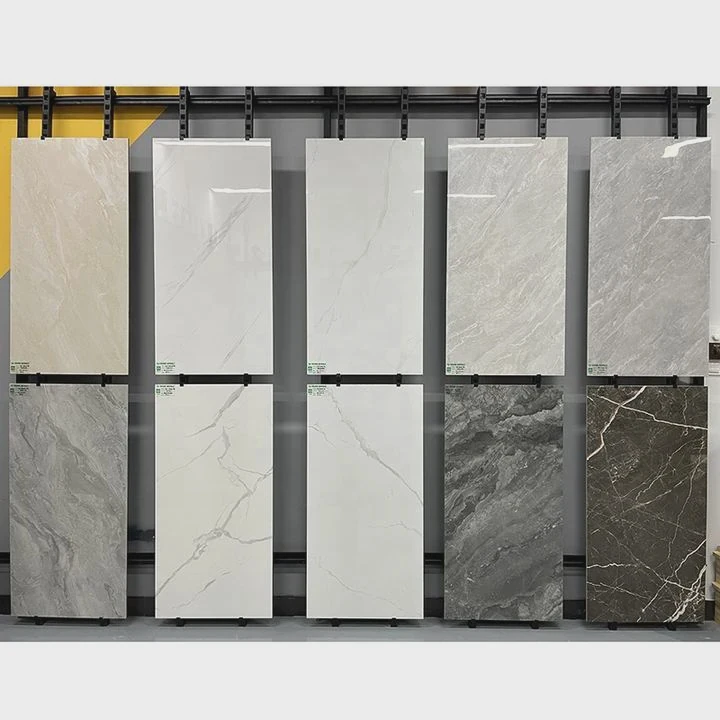
Budget planning shapes almost every remodeling decision.
Some homeowners initially plan complete renovation projects but later realize the total cost exceeds expectations.
Labor Costs Drive Renovation Expenses
Tile replacement labor can become expensive very quickly.
Contractors often charge for:
- Tile demolition
- Surface preparation
- Waterproofing
- Tile installation
- Grouting
- Cleanup
Reglazing reduces much of this labor.
Material Savings Matter
Replacement projects require purchasing:
- New tile
- Adhesives
- Grout
- Waterproofing membranes
- Backer boards
Reglazing mainly uses coating materials and surface preparation supplies.
Hidden Damage Creates Extra Costs
Once demolition starts, contractors sometimes discover hidden problems behind old tile.
These may include:
- Water damage
- Mold growth
- Weak framing
- Plumbing leaks
Unexpected repairs can increase project budgets significantly.
Reglazing avoids opening wall systems in many cases.
Cost Efficiency for Rental Properties
Property owners often focus on appearance improvement while controlling expenses.
For rental units, reglazing may provide:
| Rental Upgrade Goal | Reglazing Benefit |
|---|---|
| Faster turnover | Quick renovation |
| Lower investment | Reduced costs |
| Cleaner appearance | Better tenant appeal |
| Less downtime | Faster occupancy |
This creates practical value for landlords.
Budget Allocation Flexibility
Saving money on tile surfaces allows homeowners to spend more on other upgrades.
Examples include:
- Better lighting
- New countertops
- Improved appliances
- Modern fixtures
- Cabinet upgrades
This sometimes creates a bigger overall visual improvement across the entire room.
Long-Term Cost Considerations
Still, low upfront cost should not be the only factor.
If reglazing requires frequent refinishing later, long-term expenses may increase over time.
Compare Expected Lifespan
| Option | Typical Longevity |
|---|---|
| Reglazing | Medium-term |
| New porcelain tile | Long-term |
This matters for homeowners planning to stay in the property for many years.
Return on Investment
Not every renovation requires premium materials.
In some mid-budget projects, reglazing delivers enough visual improvement to justify the lower investment.
For homeowners preparing a property for sale, this balance may make financial sense.
One remodeling project involved a guest bathroom that looked outdated but had no structural issues. Full replacement exceeded the renovation budget. Reglazing improved the bathroom appearance significantly while keeping renovation costs manageable.
Careful cost evaluation often leads to smarter renovation decisions.
Which Situations Make Reglazing A Better Option?
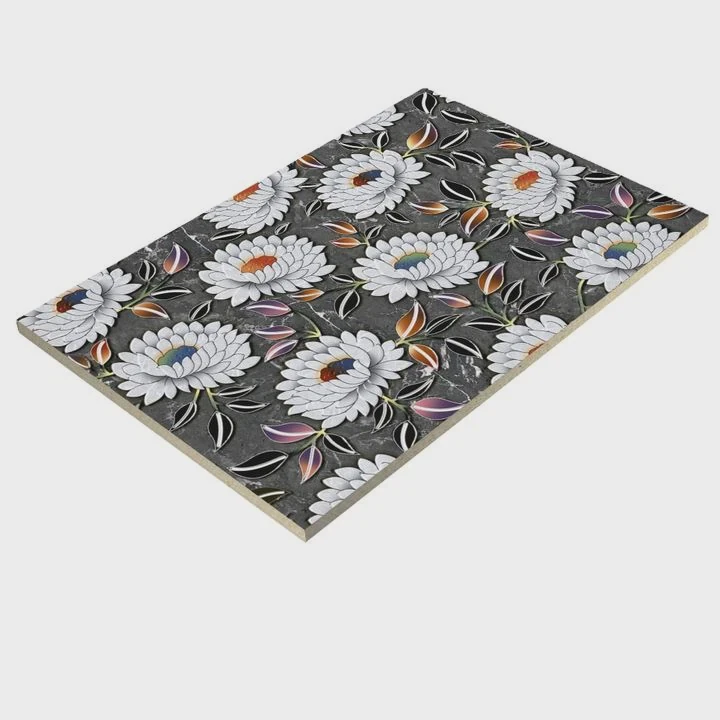
Some renovation projects do not require complete demolition because the existing tile installation still remains stable and functional underneath the surface.
Reglazing becomes a better option when tiles are structurally sound, budgets are limited, timelines are short, and the main goal is cosmetic improvement rather than full reconstruction.
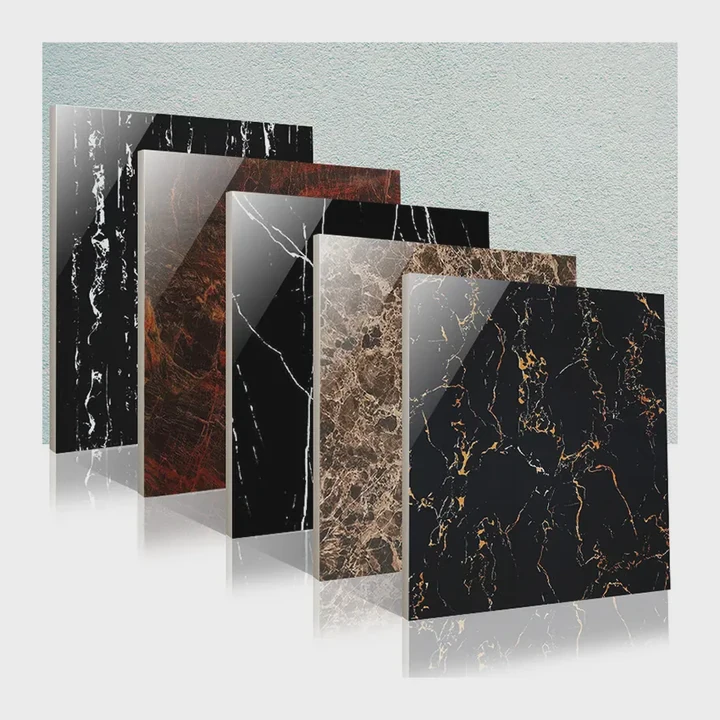
Reglazing works best in specific situations. Understanding these situations helps avoid unrealistic expectations.
Structurally Sound Tile Installations
Reglazing performs best when tiles remain firmly attached.
Good candidates include installations with:
- No loose tiles
- No major cracks
- Stable substrate
- Minimal water damage
Surface appearance problems alone usually make better reglazing candidates.
Short Renovation Timelines
Some projects require fast completion.
Examples include:
- Home sale preparation
- Rental turnovers
- Guest bathroom updates
- Temporary remodel phases
Reglazing often shortens project timelines dramatically.
Limited Renovation Budgets
Budget restrictions are one of the most common reasons homeowners choose reglazing.
When homeowners want visible improvement without major expense, reglazing can provide reasonable results.
Older Homes With Difficult Demolition
Older homes sometimes contain wall systems that become fragile during demolition.
Tile removal may damage:
- Plaster walls
- Old drywall
- Plumbing systems
- Electrical layouts
Reglazing avoids much of this risk.
Rental and Investment Properties
Many landlords prefer practical improvements over luxury renovations.
Reglazing helps improve:
| Property Goal | Benefit |
|---|---|
| Tenant appeal | Cleaner appearance |
| Lower renovation cost | Better budget control |
| Faster occupancy | Less downtime |
| Visual refresh | Updated look |
Temporary Design Updates
Some homeowners plan larger renovations later.
Reglazing can serve as a temporary improvement until a future full remodel occurs.
Tub and Wall Tile Combinations
Bathrooms with matching tub and tile colors often benefit from reglazing because the entire space gains a more consistent appearance.
Situations Where Reglazing May Not Work Well
Reglazing may not be ideal if:
- Tiles are loose
- Water damage exists
- Mold problems appear
- Large cracks exist
- Layout changes are needed
In these cases, replacement usually becomes the safer long-term solution.
Realistic Expectations Matter
Reglazing improves appearance, but it does not completely recreate the performance of brand-new porcelain tile installations.
Homeowners who understand this difference are usually more satisfied with final results.
The best renovation decisions come from matching the solution to the real condition of the space rather than automatically choosing the most expensive option.
Conclusion
Tile reglazing can be a smart option for homeowners who want lower renovation costs, faster updates, and improved appearance without full demolition. When existing tiles remain structurally sound, reglazing often provides practical and cost-effective results for kitchens and bathrooms.