Is Tile and Grout Waterproof?
- Sinotiles
- 2026-04-25
Opening your bathroom or kitchen, you may think tile is fully waterproof. Yet, water damage still happens sometimes, causing stress and costly repairs.
Tile and grout are water-resistant but not fully waterproof. Tile itself resists water, but grout and joints can allow moisture through, risking damage over time.
Understanding why this happens can help protect your home and extend the life of your surfaces. Let’s explore the details so you can make informed choices.
Why are tile surfaces water resistant but not waterproof?
Tile looks impermeable, and it does resist water. Yet, the surface alone does not stop all moisture. Small pores and imperfections let tiny amounts seep in. Over time, water can reach layers underneath the tile.
Tiles are water-resistant because they block most water, but they are not waterproof since they do not stop water completely from passing through edges, cracks, or porous surfaces.
Types of Tiles
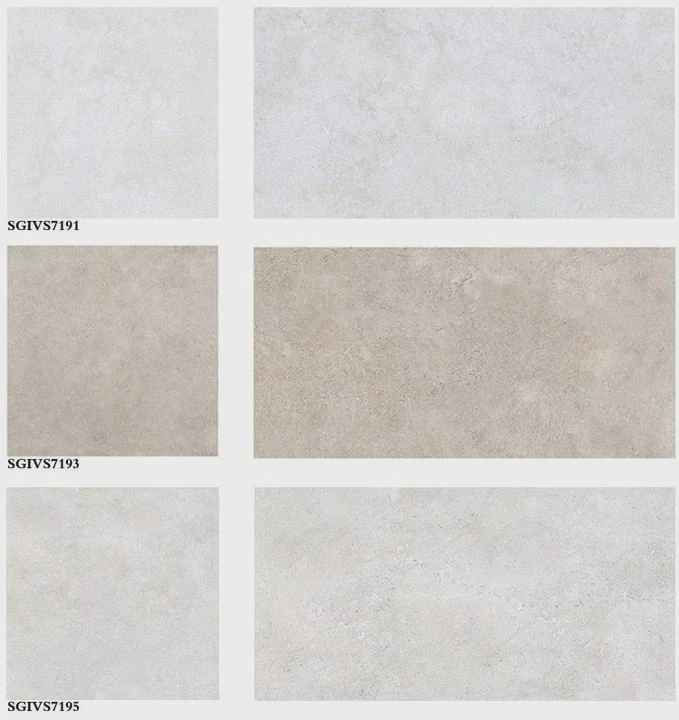
Tiles come in many materials: ceramic, porcelain, stone, and glass. Porcelain tiles are denser and resist water better than ceramic. Natural stone tiles, like marble, absorb water if unsealed.
| Tile Type | Water Resistance | Notes |
|---|---|---|
| Porcelain | High | Dense and low porosity |
| Ceramic | Medium | Slightly porous, needs sealing |
| Natural Stone | Low | Absorbs water easily, must seal |
| Glass | High | Non-porous, water does not penetrate |
Why Water Gets Through
Water can pass through tiny pores or grout lines. Even if tile does not absorb water, edges and joints can let moisture reach underlayment or walls. Over time, this leads to mold, warping, or structural damage.
Tiles resist splashes, spills, and short exposure. They are not intended for continuous water immersion unless installed with waterproof systems. Homeowners often assume tile alone is sufficient, which can create problems later.
Practical Insight
Installing tiles on walls or floors without considering water penetration is risky. Adding sealers, proper grout, and membranes improves protection. Ignoring these factors can turn your water-resistant tile into a potential source of leaks.
How does grout allow moisture penetration?
Grout fills the spaces between tiles. It is porous, especially cement-based grout, and easily absorbs water. This property allows moisture to seep into subfloors or walls.
Grout permits moisture penetration because it is naturally porous, and unsealed grout acts like a sponge, drawing water into gaps and potentially damaging underlying structures.
Grout Types
Grout varies by composition. Cement-based grout absorbs water, while epoxy grout is more water-resistant. Using the wrong type in wet areas increases the risk of water damage.
| Grout Type | Water Resistance | Suitable Use |
|---|---|---|
| Cement | Low | Dry areas only, seal recommended |
| Sanded Cement | Low | Floors, needs sealing |
| Epoxy | High | Wet areas like showers, kitchens |
| Urethane | Medium-High | Water areas, flexible and durable |
How Water Moves Through Grout
Water seeps through grout pores and micro-cracks. Even small amounts can reach subflooring or wall structures. Over time, repeated exposure causes weakening and mold growth.
Best Practices
Sealing grout is essential to block water. Properly mixed and applied grout reduces gaps and cracks. Epoxy grout is ideal for showers, pools, or areas with heavy water exposure. Regular maintenance ensures that grout continues to repel water.
Critical Consideration
Even sealed grout eventually allows minor moisture migration. Over time, reapplication of sealers is needed. Ignoring this step leads to cumulative water damage, which can compromise both aesthetics and structure.
Which sealers improve tile and grout resistance?
Sealers provide a protective barrier. They penetrate grout and tile surfaces, reducing absorption and staining. They come in penetrating or topical types.
High-quality sealers improve tile and grout resistance by filling pores, preventing moisture from entering, and maintaining cleanliness. Penetrating sealers work best for grout, while topical sealers coat the tile surface.
Types of Sealers
- Penetrating Sealers: Soak into grout, reducing water absorption without changing appearance. They are invisible but effective.
- Topical Sealers: Form a film on the surface, protecting tile and grout. They can add shine but may wear off over time.
- Epoxy Coatings: Provide high protection for commercial or wet environments, sealing both tile and grout completely.
Benefits of Sealing
- Reduces water absorption
- Prevents staining
- Extends the life of grout
- Simplifies cleaning
- Provides protection for sensitive tiles like natural stone
Application Tips
- Clean grout thoroughly before sealing
- Follow manufacturer instructions
- Reapply sealers every 1–2 years for best performance
- Avoid applying too much, as it can create a sticky surface
Table of Sealer Performance
| Sealer Type | Protection Level | Appearance Effect | Longevity |
|---|---|---|---|
| Penetrating | High | None | 1-2 years |
| Topical | Medium | Gloss or sheen | 6-12 months |
| Epoxy Coating | Very High | Slight gloss | 5+ years |
Sealers are essential for wet areas like kitchens, bathrooms, and laundry rooms. They extend both tile and grout lifespan, reducing the risk of water damage.
Can waterproof membranes prevent leaks effectively?
Waterproof membranes act as barriers under tile. They prevent water from reaching walls, subflooring, or other structures. They are often used in showers, pools, or wet commercial areas.
Waterproof membranes prevent leaks effectively when installed correctly beneath tiles, stopping water from passing through grout and joints into substructures.
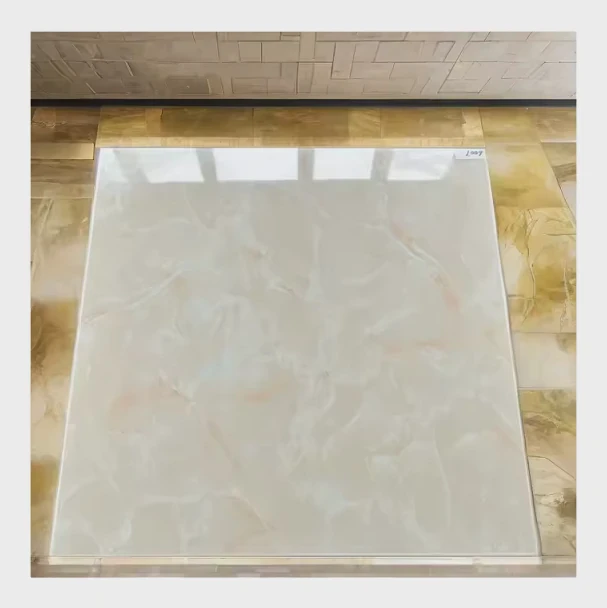
Types of Waterproof Membranes
- Sheet Membranes: Pre-formed sheets applied before tiling. They are consistent and strong, ideal for bathrooms.
- Liquid Membranes: Brush or roll-on membranes that cure into a waterproof layer. Flexible and easy to apply.
- Hybrid Systems: Combine sheet and liquid layers for maximum protection.
Why Membranes Work
Membranes create a continuous barrier. Even if grout allows some water through, the membrane redirects water away from sensitive areas. They are critical in showers, balconies, and kitchens with high exposure.
Installation Considerations
- Must cover the entire area without gaps
- Joints and corners require extra attention
- Follow manufacturer guidelines
- Protect membrane during tile installation
Table of Membrane Effectiveness
| Membrane Type | Waterproof Level | Ease of Installation | Best Use Case |
|---|---|---|---|
| Sheet Membrane | Very High | Moderate | Showers, wet floors |
| Liquid Membrane | High | Easy | Bathrooms, kitchens |
| Hybrid System | Very High | Moderate | Pools, balconies |
Membranes add peace of mind and are often the only way to ensure long-term waterproofing under tiles. Without them, water may penetrate over time, even with sealed grout and tiles.
Conclusion
Tile alone is water-resistant but not waterproof. Grout and joints can let moisture pass. Using sealers and waterproof membranes effectively protects your surfaces from leaks and long-term damage.