What Does Asbestos Ceiling Tile Look Like?
- Sinotiles
- 2026-04-25

Many homeowners worry about hidden dangers in their ceilings. Asbestos is a silent threat, often hard to spot. Knowing what to look for can protect your family.
Asbestos ceiling tiles often have specific textures and patterns that can give clues to their presence. Recognizing these characteristics helps you identify them before renovations or repairs.
Understanding asbestos in ceiling tiles is critical. By learning visual signs, common patterns, historical use, and safe testing methods, you can manage risk effectively and plan safe handling.
How Can You Identify Asbestos Ceiling Tiles Visually?
Ceiling damage can hide hazardous materials. People often miss signs until they remodel. Visual identification is the first step in awareness.
You can identify asbestos ceiling tiles by looking for rough textures, fibrous edges, and specific patterns like speckling or popcorn textures. Older tiles are often chalky or brittle.
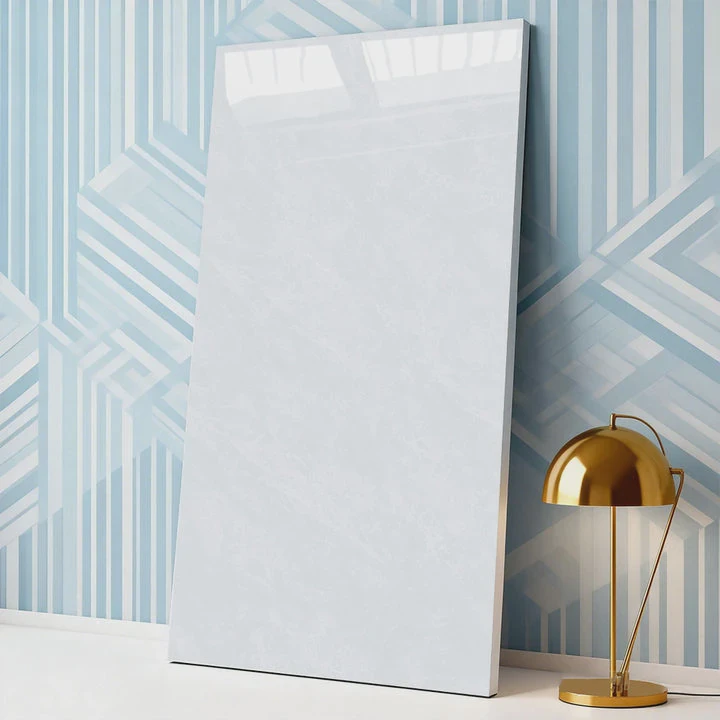
Key Visual Indicators
Asbestos ceiling tiles often have subtle but distinct signs. The surface may be rough, with tiny bumps or speckles. Tiles might be slightly yellowed or discolored with age. Some tiles have a soft chalky feel, which can crumble easily. The edges may show fibrous material, indicating asbestos fibers inside.
Common Tile Shapes
Tiles come in squares or rectangles, typically 12×12 inches, 12×24 inches, or 2×2 feet. Older buildings might have ceiling panels with irregular edges. These tiles often differ from modern ones by their brittle nature and slightly uneven surfaces.
Table of Visual Signs
| Sign | Description |
|---|---|
| Rough texture | Surface feels gritty or bumpy |
| Fibrous edges | Small fibers visible when chipped |
| Discoloration | Yellowing or brown spots |
| Brittle | Breaks easily when pressed |
| Chalky feel | Powdery texture on touch |
Even with visual cues, identification is not 100% reliable. Tiles may appear similar to non-asbestos types. Always combine visual inspection with proper testing to be safe.
What Patterns Are Common in Asbestos Tiles?
Ceiling tiles are more than flat squares. Many patterns hide asbestos fibers. Recognizing these helps you distinguish older hazardous tiles.
Asbestos tiles often feature popcorn, stippled, or sprayed-on textures. Some have geometric patterns, swirls, or repetitive bumps that were popular in mid-20th century designs.
Texture Types
Popcorn Ceiling
This is the most recognizable. It looks bumpy, like small cottage cheese pieces. The texture can hide minor damage but contains tiny asbestos fibers in older tiles.Stippled Pattern
Tiny raised dots or specks are pressed into the tile surface. This style was common from the 1950s to the 1970s.Geometric or Swirl Designs
Tiles may show repetitive swirls, circles, or diamond shapes. These decorative designs often include asbestos for durability and fire resistance.
Why Patterns Matter
Patterns indicate the era of installation and material type. Tiles with intricate designs or heavy textured surfaces are more likely to contain asbestos if installed before the late 1980s. Plain smooth tiles are less likely but still need testing.
Table of Common Patterns
| Pattern Type | Description | Era Commonly Used |
|---|---|---|
| Popcorn | Bumpy, cottage-cheese look | 1950s–1970s |
| Stippled | Tiny raised dots | 1960s–1980s |
| Geometric/Swirls | Repeating decorative designs | 1950s–1980s |
| Sprayed-on | Coarse, sprayed finish | 1940s–1970s |
Understanding patterns helps in visual assessment. Yet, many tiles look similar to newer, safe materials. When in doubt, testing is essential.
Which Years Used Asbestos in Ceiling Tiles?
The history of asbestos in construction is long. Many people are unaware of the timeline of asbestos use in ceilings. Knowing the years helps assess risk in older buildings.
Asbestos was widely used in ceiling tiles from the 1940s to the late 1980s. After that, many countries restricted or banned its use due to health risks.
Historical Timeline
- 1940s–1950s: Asbestos became common in ceilings, walls, and flooring for fireproofing. Popcorn ceilings and sprayed-on textures were popular.
- 1960s–1970s: Decorative tiles and stippled patterns often contained asbestos. Tiles were marketed for durability and fire resistance.
- 1980s: Regulations gradually reduced asbestos use. Many manufacturers switched to safer alternatives like cellulose fiber or fiberglass.
- 1990s–present: Asbestos was largely banned or heavily restricted in most countries. New ceiling tiles rarely contain asbestos.
Regional Differences
Different countries phased out asbestos at different times. For example, the U.S. restricted it heavily in the late 1970s, while some Asian countries continued limited use into the 1980s. Understanding local building history helps evaluate the likelihood of asbestos.
Table of Usage by Decade
| Decade | Likelihood of Asbestos in Tiles | Common Tile Types |
|---|---|---|
| 1940s | High | Popcorn, sprayed-on |
| 1950s | High | Popcorn, geometric, stippled |
| 1960s | High | Decorative tiles, stippled |
| 1970s | Medium | Mixed; regulations started |
| 1980s | Low | Transition to non-asbestos |
| 1990s+ | Very Low | Safe modern materials |
Knowing these timelines can guide homeowners and contractors before renovation projects. Older buildings built before 1990 may still contain asbestos tiles, especially in ceilings.
Can Testing Confirm Asbestos Presence Safely?
Visual inspection is helpful but cannot confirm asbestos. Accurate testing is essential. Mishandling can release dangerous fibers into the air.
Professional asbestos testing involves collecting small samples in sealed containers and sending them to certified labs. This ensures safe and reliable results.
Testing Methods
Laboratory Analysis
Experts use polarized light microscopy (PLM) or transmission electron microscopy (TEM) to identify asbestos fibers. These methods provide high accuracy.Home Test Kits
Some kits exist, but they may not detect low fiber content. They can give false negatives. Professional testing is recommended for older tiles.
Safety Precautions
- Wear protective gear including gloves and a respirator.
- Avoid breaking tiles during sampling.
- Seal samples in airtight containers.
- Avoid vacuuming or sweeping dust, which spreads fibers.
Why Professional Testing Matters
Even small asbestos exposure can be harmful over time. Certified professionals reduce risk by following strict protocols. They provide documentation and guidance for removal or containment.
Table of Testing Comparison
| Method | Accuracy | Safety | Recommended Use |
|---|---|---|---|
| Laboratory PLM/TEM | Very high | High | Professional confirmation |
| Home Test Kits | Medium | Medium | Preliminary check only |
| Visual Inspection | Low | Safe | First assessment only |
Testing is the only way to confirm asbestos. Combining historical knowledge, patterns, and testing ensures informed decisions.
Conclusion
Asbestos ceiling tiles can hide in plain sight. Recognizing visual cues, common patterns, and historical use helps assess risk. Professional testing confirms presence safely and guides proper handling.