Is Wood Look Tile Going Out of Style?
- Sinotiles
- 2026-06-29
Many homeowners worry that choosing wood look tile may make their homes appear dated in a few years. Design trends change quickly, and flooring is a major investment that people want to get right.
Wood look tile is not going out of style. It remains popular because it combines the natural appearance of wood with the durability, water resistance, and low maintenance of porcelain and ceramic tile, making it suitable for both traditional and modern interiors.
Flooring trends continue to evolve, but wood look tile has maintained strong demand for more than a decade. To understand its future, it helps to examine why homeowners still choose it, how design trends are changing, whether it fits modern spaces, and what alternatives are gaining attention.
Why Do Homeowners Still Choose Wood Look Tile?
People often love the warmth and character of natural wood but hesitate because of maintenance concerns. Moisture, scratches, and wear can shorten the lifespan of traditional hardwood flooring in certain environments.
Homeowners continue to choose wood look tile because it delivers the appearance of natural wood while offering superior durability, moisture resistance, and easier maintenance compared to many traditional flooring materials.
The popularity of wood look tile is not based on appearance alone. Its practical advantages play a major role in long-term demand.
The Appeal of Natural Wood Aesthetics
Wood remains one of the most desired interior finishes worldwide.
People appreciate wood because it creates:
- Warmth
- Visual comfort
- Natural texture
- Timeless character
Wood look tile allows homeowners to enjoy these qualities without many of the challenges associated with real wood.
Improved Manufacturing Technology
Modern tile production has improved dramatically over the years.
Today’s wood look tiles feature:
- Realistic grain patterns
- Natural color variation
- Textured surfaces
- High-definition printing
Many visitors cannot immediately distinguish premium wood look tile from actual hardwood.
Better Performance in Wet Areas
One major advantage is moisture resistance.
Unlike hardwood, wood look porcelain tile performs well in:
- Bathrooms
- Kitchens
- Laundry rooms
- Basements
- Commercial spaces
This flexibility expands design possibilities throughout the home.
Lower Maintenance Requirements
Many homeowners prefer materials that simplify daily life.
Wood look tile generally requires:
- Regular sweeping
- Routine mopping
- Minimal refinishing
Traditional hardwood often requires more extensive maintenance over time.
Suitable for Busy Households
Families with children or pets often prioritize durability.
Wood look tile offers resistance to:
- Scratches
- Water exposure
- Stains
- Heavy foot traffic
These characteristics make it attractive for active households.
Key Benefits Comparison
| Feature | Wood Look Tile | Natural Hardwood |
|---|---|---|
| Water Resistance | Excellent | Limited |
| Scratch Resistance | High | Moderate |
| Maintenance | Low | Moderate to High |
| Appearance | Wood-Like | Authentic Wood |
| Durability | Excellent | Good |
Long-Term Value
Many homeowners view flooring as a long-term investment.
Wood look tile often delivers:
- Stable appearance
- Long service life
- Lower repair costs
- Broad design flexibility
These practical benefits continue to support its popularity across residential and commercial projects.
Which Trends Influence Tile Design Choices?
Design trends constantly shape consumer preferences. However, trends rarely move in a straight line. Instead, they evolve as lifestyles, technology, and architectural styles change.
Tile design choices are influenced by trends such as natural materials, larger formats, sustainable living, minimalist interiors, textured surfaces, and the growing demand for practical yet visually appealing flooring solutions.
Understanding these trends helps explain why wood look tile remains relevant despite changing design preferences.
The Shift Toward Natural Design
Many homeowners seek interiors that feel calm and connected to nature.
This trend encourages materials that resemble:
- Wood
- Stone
- Marble
- Concrete
- Earth-inspired textures
Wood look tile aligns closely with this preference.
Larger Tile Formats
Large-format tiles have become increasingly popular.
Common sizes include:
- 200x1200mm
- 250x1500mm
- 300x1800mm
Larger planks create:
- Fewer grout lines
- Cleaner visual flow
- More spacious appearance
Wood look tile manufacturers have embraced this trend by producing longer and wider plank designs.
Neutral Color Palettes
Modern interiors often favor neutral tones.
Popular colors include:
- Light oak
- Natural beige
- Warm gray
- Soft brown
- Whitewashed wood
These shades complement many furniture and décor styles.
Sustainability Awareness
Environmental concerns influence purchasing decisions.
Many buyers appreciate that wood look tile can mimic rare wood species without requiring tree harvesting.
This factor appeals to environmentally conscious consumers.
Textured Surfaces
Consumers increasingly seek realistic textures.
Modern wood look tiles may feature:
- Embossed grain
- Matte finishes
- Natural surface variation
These details improve authenticity.
Trend Impact on Tile Selection
| Design Trend | Influence on Tile Choices |
|---|---|
| Natural Materials | Increased demand for wood and stone looks |
| Large Formats | Preference for larger planks |
| Minimalism | Cleaner patterns and colors |
| Sustainability | Interest in long-lasting materials |
| Texture | More realistic surfaces |
Technology Continues to Drive Design
Digital printing technology allows manufacturers to create highly realistic visuals.
As production methods improve, consumers gain access to more sophisticated tile collections that closely replicate natural materials.
Because wood remains one of the most enduring design inspirations, wood look tile continues to benefit from these broader industry trends.
Can Wood Look Tile Fit Modern Interiors?
Some homeowners associate wood look tile with rustic or farmhouse styles and wonder whether it still works in contemporary homes. Modern design, however, is more flexible than many people realize.
Wood look tile fits modern interiors exceptionally well when paired with clean lines, neutral colors, large-format planks, and contemporary design elements that emphasize simplicity and functionality.
The adaptability of wood look tile is one reason it remains a strong flooring choice across many architectural styles.
Modern Design Is About Balance
Modern interiors often combine:
- Simplicity
- Functionality
- Natural materials
- Open spaces
Wood look tile contributes warmth that balances minimalist architecture.
Popular Modern Applications
Wood look tile works effectively in many spaces.
Open-Concept Living Areas
Large plank tiles create continuity across connected spaces.
This helps rooms feel larger and more cohesive.
Contemporary Kitchens
Many designers use wood look tile to soften modern cabinetry and sleek countertops.
Spa-Inspired Bathrooms
Because of its water resistance, wood look tile allows designers to introduce wood-inspired warmth into wet areas.
Color Choices for Modern Homes
Certain shades work particularly well in contemporary settings.
Popular options include:
- Light oak
- Ash gray
- Natural walnut
- Soft beige
These colors support modern aesthetics without overwhelming the space.
Pairing Wood Look Tile with Other Materials
Modern interiors often combine multiple textures.
Wood look tile pairs well with:
- Concrete finishes
- Marble surfaces
- Metal accents
- Glass features
- Matte cabinetry
This versatility allows designers to create layered and sophisticated interiors.
Modern Design Compatibility
| Interior Style | Compatibility with Wood Look Tile |
|---|---|
| Modern Minimalist | Excellent |
| Scandinavian | Excellent |
| Contemporary | Excellent |
| Industrial | Very Good |
| Farmhouse | Excellent |
Large Planks Enhance Modern Appeal
Longer plank formats help create cleaner visual lines.
Benefits include:
- Reduced grout visibility
- Greater visual continuity
- More realistic wood appearance
These features align closely with modern design principles.
Why Designers Continue to Specify It
Many architects and interior designers continue selecting wood look tile because it provides both aesthetic flexibility and reliable performance.
The material bridges the gap between natural beauty and practical durability, making it suitable for many contemporary projects.
Are Alternatives Replacing Wood Look Tiles?
Every design trend eventually faces competition from new materials and styles. While wood look tile remains popular, other options have gained attention in recent years.
Several alternatives such as stone-look tile, concrete-look tile, terrazzo-inspired surfaces, luxury vinyl flooring, and large-format porcelain slabs are growing in popularity, but they are complementing rather than replacing wood look tile.
The rise of alternatives does not necessarily signal the decline of wood look tile.
Stone-Look Tile
Stone-inspired surfaces continue to attract homeowners seeking natural aesthetics.
Popular looks include:
- Travertine
- Limestone
- Slate
- Sandstone
Stone-look tile often creates a more luxurious appearance.
Concrete-Look Tile
Industrial and minimalist interiors have increased demand for concrete-inspired designs.
Advantages include:
- Contemporary appearance
- Neutral color palette
- Urban character
These products appeal to modern design enthusiasts.
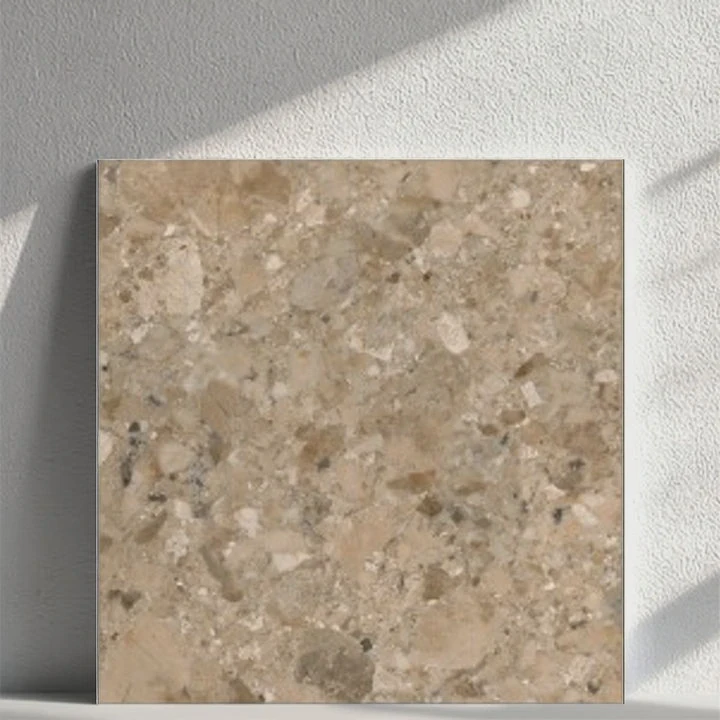
Terrazzo-Inspired Surfaces
Terrazzo has experienced a strong revival.
Homeowners appreciate:
- Unique patterns
- Visual texture
- Decorative character
However, terrazzo serves a different design purpose than wood look tile.
Luxury Vinyl Flooring
Luxury vinyl plank flooring has become a major competitor.
Benefits include:
- Lower installation costs
- Comfortable feel underfoot
- Water resistance
Despite these advantages, porcelain tile often offers superior durability and longevity.
Large-Format Porcelain Slabs
Porcelain slab technology continues to expand.
These products create:
- Minimal grout lines
- Seamless appearance
- High-end aesthetics
They are especially popular in luxury residential and commercial projects.
Alternative Flooring Comparison
| Flooring Option | Main Appeal |
|---|---|
| Wood Look Tile | Warmth and durability |
| Stone Look Tile | Natural luxury |
| Concrete Look Tile | Modern simplicity |
| Terrazzo Look Tile | Decorative character |
| Luxury Vinyl | Budget-friendly comfort |
| Porcelain Slabs | Seamless appearance |
Why Wood Look Tile Remains Competitive
Several factors help maintain its relevance.
Broad Design Compatibility
Few materials work equally well in rustic, traditional, and modern interiors.
Strong Performance
Its durability continues to outperform many competing products.
Continuous Innovation
Manufacturers regularly introduce:
- New colors
- Improved textures
- Larger formats
- More realistic visuals
Market Evolution Rather Than Replacement
Design markets rarely eliminate successful products completely.
Instead, consumer preferences diversify.
Some homeowners choose stone looks.
Others prefer concrete or terrazzo.
Many still select wood look tile because it offers a balance of warmth, practicality, and versatility that few alternatives can match.
Conclusion
Wood look tile is not going out of style. Homeowners continue to value its realistic appearance, durability, and low maintenance requirements. While new design trends and alternative materials continue to emerge, wood look tile remains a versatile flooring solution that fits both modern and traditional interiors and continues to evolve with changing market preferences.