How to Remove Soap Scum From Tile?
- Sinotiles
- 2026-06-29

Soap scum can make even beautiful tiles look dull, dirty, and poorly maintained. Many homeowners struggle to remove the cloudy film that keeps coming back after every shower.
Soap scum can be removed effectively using suitable cleaners, vinegar solutions, gentle scrubbing, and regular maintenance. The best method depends on the severity of the buildup, the tile type, and how long the residue has been accumulating.
Many people assume soap scum is simply leftover soap. In reality, it forms when soap combines with minerals in water, creating a stubborn layer that bonds to tile surfaces. Understanding how soap scum develops makes it much easier to remove and prevent.
What Cleaners Dissolve Soap Scum Effectively?
Soap scum often seems impossible to remove with ordinary cleaning products. The wrong cleaner may only spread the residue rather than break it down.
The most effective soap scum removers include bathroom cleaners, vinegar-based solutions, degreasers, and mild acidic cleaners designed to dissolve mineral and soap deposits. Choosing a cleaner compatible with the tile material is essential.
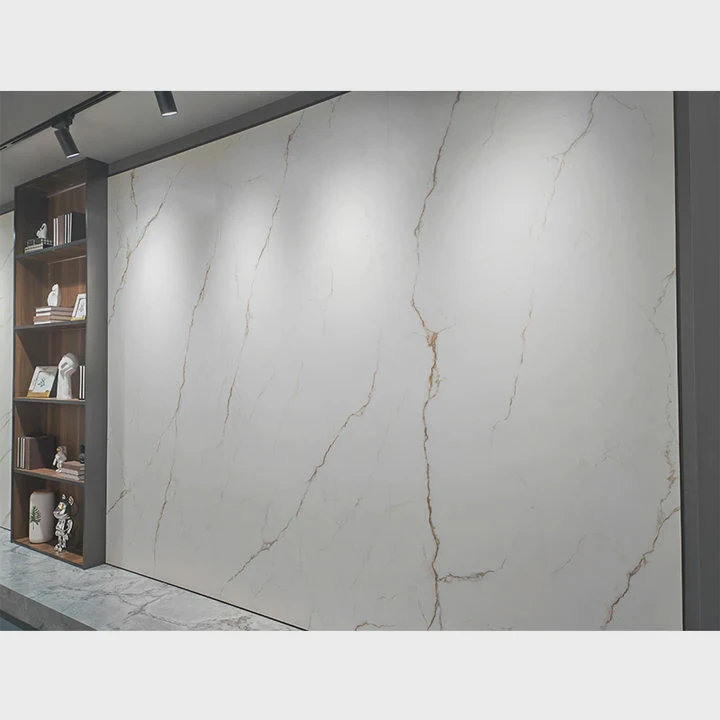
Not all soap scum is the same. Fresh residue is usually easier to remove, while older buildup may contain layers of minerals, oils, and hard water deposits.
Why Soap Scum Is Difficult to Remove
Soap scum forms through a chemical reaction between:
- Soap
- Hard water minerals
- Body oils
- Dirt particles
Over time, these materials create a stubborn coating that adheres to tile surfaces.
Commercial Bathroom Cleaners
Many bathroom cleaners are formulated specifically for soap scum.
Benefits include:
- Fast action
- Easy application
- Good residue removal
- Convenient use
These products often work well on ceramic and porcelain tiles.
Degreasers Can Help
Soap scum contains oily components.
Mild degreasers help break down:
- Skin oils
- Shampoo residue
- Conditioner buildup
- Soap films
This makes cleaning more effective.
Tile-Safe Acidic Cleaners
Certain cleaners use mild acids to dissolve mineral deposits.
These products can be particularly effective on:
- Shower walls
- Bathroom floors
- Glass tile installations
However, they should only be used when compatible with the tile material.
Natural Cleaning Solutions
Many homeowners prefer natural alternatives.
Common options include:
- White vinegar
- Baking soda
- Lemon-based cleaners
- Mild dish soap
These solutions often work well for routine maintenance.
Cleaner Selection by Tile Type
| Tile Type | Recommended Cleaner |
|---|---|
| Porcelain Tile | Bathroom cleaner or vinegar solution |
| Ceramic Tile | Mild acidic cleaner or soap scum remover |
| Glass Tile | Non-abrasive bathroom cleaner |
| Marble Tile | Stone-safe cleaner only |
| Travertine Tile | pH-neutral stone cleaner |
Avoid Harsh Chemical Combinations
Mixing cleaning products can create risks.
Avoid combining:
- Bleach and vinegar
- Bleach and ammonia
- Multiple chemical cleaners
Using one product at a time is safer and often more effective.
Dwell Time Improves Results
Many people spray and wipe immediately.
Allowing the cleaner to sit for several minutes helps:
- Soften residue
- Break down deposits
- Reduce scrubbing effort
Patience often produces better cleaning results than stronger chemicals.
When the right cleaner is matched to the tile surface and given time to work, soap scum removal becomes much easier and more efficient.
Can Vinegar Remove Stubborn Soap Residue?
Vinegar is one of the most popular household cleaning products. Many homeowners use it as a low-cost solution for bathroom cleaning.
Yes, vinegar can effectively remove many types of soap residue because its mild acidity helps dissolve mineral deposits and break down soap scum. However, vinegar should not be used on natural stone tiles because it can damage the surface.
Vinegar has been used for household cleaning for decades because it is inexpensive, widely available, and relatively easy to use.
Why Vinegar Works
White vinegar contains acetic acid.
This acid helps dissolve:
- Hard water deposits
- Soap films
- Mineral buildup
- Light stains
As these deposits soften, removal becomes easier.
Preparing a Vinegar Solution
A simple mixture often works well:
- Equal parts white vinegar
- Equal parts warm water
This solution can be placed in a spray bottle for convenient application.
How to Apply Vinegar
A typical process includes:
- Spray the affected area.
- Allow several minutes of contact time.
- Wipe with a soft cloth.
- Rinse with clean water.
For heavier buildup, the process may need to be repeated.
Vinegar and Warm Water
Heat enhances vinegar’s effectiveness.
Warm water helps:
- Soften soap residue
- Improve cleaner penetration
- Reduce cleaning time
This combination is often sufficient for moderate buildup.
When Vinegar May Not Be Enough
Very thick soap scum may require additional methods.
Examples include:
- Gentle scrubbing
- Baking soda paste
- Commercial cleaners
Older deposits are generally harder to remove.
Tile Types That Should Avoid Vinegar
Natural stone is particularly vulnerable to acid damage.
Avoid vinegar on:
- Marble
- Limestone
- Travertine
- Onyx
Acid can etch the surface and leave permanent marks.
Vinegar Advantages and Limitations
| Factor | Vinegar |
|---|---|
| Cost | Low |
| Availability | Excellent |
| Soap Scum Removal | Good |
| Hard Water Deposit Removal | Good |
| Safe for Natural Stone | No |
Rinse After Cleaning
After using vinegar, the surface should be rinsed thoroughly.
This step helps remove:
- Remaining residue
- Loosened minerals
- Cleaning solution traces
A final rinse often improves the overall appearance of the tile.
Vinegar remains one of the most useful household solutions for ceramic and porcelain tile cleaning, especially when soap scum buildup is moderate rather than extreme.
Is Scrubbing Necessary for Heavy Buildup?
Many people hope a cleaner alone will completely remove thick soap scum. Unfortunately, severe buildup often requires some physical cleaning action.
Yes, scrubbing is usually necessary for heavy soap scum buildup because cleaners must be combined with mechanical action to loosen and remove thick layers of residue. Gentle scrubbing methods are typically the safest and most effective approach.
Soap scum accumulates gradually. Layers build on top of each other over months or years, creating deposits that become increasingly difficult to dissolve.
Why Heavy Buildup Is Different
Fresh residue sits near the surface.
Older buildup may contain:
- Mineral deposits
- Hardened soap films
- Body oils
- Dirt particles
These layers often require more effort to remove.
Cleaners and Scrubbing Work Together
The best results usually come from combining:
- Chemical cleaning
- Physical agitation
The cleaner softens the buildup.
Scrubbing lifts it away from the surface.
Best Scrubbing Tools
Gentle tools are generally preferred.
Suitable options include:
- Microfiber cloths
- Soft sponges
- Non-scratch pads
- Soft-bristle brushes
These tools reduce the risk of surface damage.
Circular Motion Technique
Small circular motions help:
- Distribute pressure evenly
- Remove buildup consistently
- Prevent streaking
This technique often works better than aggressive back-and-forth scrubbing.
Avoid Excessive Force
Many homeowners believe harder scrubbing means faster cleaning.
This can create problems such as:
- Surface scratches
- Dull finishes
- Grout damage
Controlled pressure is usually more effective.
For Extremely Heavy Deposits
Thick layers may require repeated treatment.
A common process is:
- Apply cleaner.
- Allow dwell time.
- Scrub gently.
- Rinse.
- Repeat as necessary.
Several cleaning cycles often outperform one aggressive attempt.
Tools to Avoid
Certain tools can damage tile finishes.
Avoid:
- Steel wool
- Wire brushes
- Metal scrapers
- Sandpaper
These products may leave permanent marks.
Cleaning Tool Comparison
| Tool | Effective | Safe for Most Tile |
|---|---|---|
| Microfiber Cloth | Yes | Yes |
| Soft Sponge | Yes | Yes |
| Soft Brush | Yes | Yes |
| Steel Wool | Yes | No |
| Metal Scraper | Yes | No |
Patience Delivers Better Results
Heavy soap scum rarely disappears instantly.
Allowing cleaners time to work and using repeated gentle scrubbing often produces the best outcome.
This method protects the tile while achieving a cleaner surface.
How to Prevent Soap Scum on Tiles?
Removing soap scum is only part of the challenge. Prevention often saves more time and effort than repeated deep cleaning.
Soap scum can be prevented by reducing moisture, wiping surfaces regularly, using liquid soap products, improving ventilation, and maintaining a consistent cleaning schedule. Preventive habits help keep tiles cleaner for longer periods.
Many bathrooms develop soap scum because residue is allowed to accumulate over time. Small daily habits can significantly reduce buildup.
Use a Squeegee After Showering
A squeegee is one of the simplest prevention tools.
It removes:
- Water droplets
- Soap residue
- Mineral deposits
This quick habit can dramatically reduce buildup.
Wipe Down Tile Surfaces
A microfiber cloth can remove remaining moisture.
Benefits include:
- Reduced water spots
- Less residue accumulation
- Improved appearance
This process takes only a few minutes.
Improve Bathroom Ventilation
Humidity encourages residue accumulation.
Ventilation helps remove:
- Steam
- Excess moisture
- Condensation
Effective options include:
- Exhaust fans
- Open windows
- Dehumidifiers
Clean More Frequently
Light cleaning performed regularly is easier than occasional deep cleaning.
A weekly cleaning schedule often prevents major buildup.
Consider Liquid Soap
Traditional bar soaps contain ingredients that commonly contribute to soap scum.
Liquid soaps often leave less residue.
This simple change may reduce cleaning requirements.
Address Hard Water Issues
Hard water increases soap scum formation.
Possible solutions include:
- Water softeners
- Shower filters
- Routine descaling
Reducing mineral content can significantly improve bathroom cleanliness.
Protective Tile Sealers
Certain tile and grout sealers help reduce residue attachment.
Benefits include:
- Easier cleaning
- Reduced staining
- Improved maintenance
The effectiveness depends on the tile material.
Prevention Strategies Comparison
| Prevention Method | Difficulty | Effectiveness |
|---|---|---|
| Squeegee Use | Low | High |
| Weekly Cleaning | Low | High |
| Better Ventilation | Medium | High |
| Water Softener | Medium-High | High |
| Microfiber Wipe Down | Low | Medium-High |
Consistency Matters Most
No single solution completely eliminates soap scum.
The most successful bathrooms typically combine:
- Daily moisture removal
- Good ventilation
- Regular cleaning
- Proper maintenance
Small habits performed consistently often prevent major cleaning problems later.
Conclusion
Soap scum can be removed effectively using appropriate cleaners, vinegar solutions where suitable, and gentle scrubbing techniques. While heavy buildup may require repeated treatment, consistent maintenance, moisture control, and routine cleaning are the most effective ways to keep tile surfaces clean, bright, and free from stubborn soap residue.