What Is the Best Way to Clean Tile Floors?
- Sinotiles
- 2026-06-29
Dirty tile floors can make even a beautiful room look neglected. Many people struggle with stains, dull surfaces, and dirty grout lines despite cleaning regularly.
The best way to clean tile floors is to remove loose dirt first, use a pH-neutral cleaner suitable for the tile type, mop with clean water, and maintain a consistent cleaning schedule. Proper tools and cleaning methods help protect the tile surface and grout while keeping floors looking their best.
Tile floors are known for durability, easy maintenance, and long service life. However, not all cleaning methods are equally effective. Some products can damage grout, while certain tools may leave residue behind. Understanding the right approach helps preserve both the appearance and performance of tile flooring.
Which Products Clean Tile Floors Safely?
Many homeowners assume that stronger cleaning chemicals produce better results. In reality, harsh products often cause long-term damage to grout, sealers, and even certain tile surfaces.
The safest products for cleaning tile floors are pH-neutral cleaners, mild detergents, warm water solutions, and tile-specific cleaning products designed for the material being cleaned.
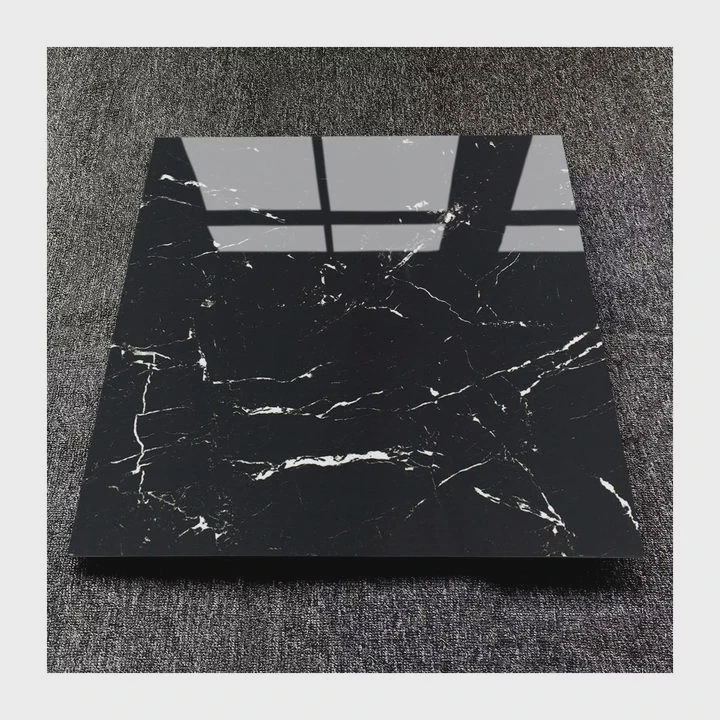
Selecting the correct cleaner is one of the most important decisions in floor maintenance. Different tile materials respond differently to cleaning chemicals.
Why Product Selection Matters
Tile itself is often resistant to stains and wear. However, grout lines and protective sealers can be more sensitive.
Using inappropriate products may lead to:
- Grout discoloration
- Sealer breakdown
- Surface dullness
- Residue buildup
- Reduced floor lifespan
Safe cleaning starts with understanding the flooring material.
Recommended Cleaning Products
| Product Type | Suitable For | Safety Level |
|---|---|---|
| pH-Neutral Cleaner | Most tile floors | Excellent |
| Mild Dish Soap Solution | Light cleaning | Good |
| Tile-Specific Cleaner | Routine maintenance | Excellent |
| Warm Water | Daily cleaning | Excellent |
| Stone Cleaner | Natural stone tiles | Excellent |
These products help maintain cleanliness without causing unnecessary damage.
Products to Avoid
Some common household cleaners may seem effective but can create problems over time.
Avoid excessive use of:
- Bleach
- Ammonia
- Strong acids
- Abrasive powders
- Undiluted vinegar on natural stone
These products may weaken grout or damage protective finishes.
Cleaning Different Tile Types
Ceramic Tile
Ceramic tile is generally easy to maintain.
Recommended products include:
- Mild detergent
- Neutral cleaner
- Warm water
Porcelain Tile
Porcelain is dense and highly resistant to moisture.
Most neutral cleaners work well without affecting the surface.
Natural Stone Tile
Natural stone requires special attention.
Materials such as:
- Marble
- Limestone
- Travertine
- Slate
often require stone-specific cleaners because acidic products can cause etching.
Homemade Cleaning Solutions
Many homeowners prefer simple cleaning solutions.
A basic mixture may include:
- Warm water
- Small amount of mild dish soap
This solution often works well for routine maintenance.
Reading Product Labels
Before using any cleaner, check:
| Factor | Why It Matters |
|---|---|
| Tile Compatibility | Prevents damage |
| pH Level | Protects grout and sealers |
| Usage Instructions | Ensures effectiveness |
| Residue Information | Reduces buildup |
A few minutes spent reviewing labels can help avoid costly mistakes.
How Often Should Tile Floors Be Cleaned?
Many people either clean too frequently with harsh products or wait too long between cleanings. Both approaches can negatively affect the floor’s appearance and condition.
Tile floors should be cleaned regularly based on traffic levels, with daily debris removal, weekly mopping, and periodic deep cleaning to maintain cleanliness and protect grout lines.
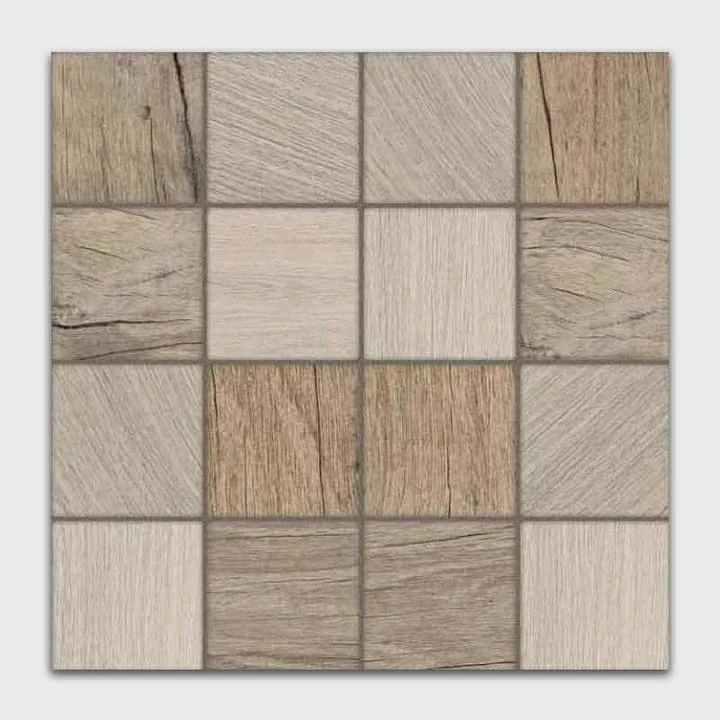
The ideal cleaning schedule depends on how the space is used. High-traffic commercial areas require more attention than rarely used residential rooms.
Daily Cleaning Tasks
Loose dirt acts like sandpaper on flooring surfaces.
Daily maintenance should include:
- Sweeping
- Dust mopping
- Vacuuming hard-surface floors
Removing debris helps reduce scratching and wear.
Weekly Cleaning
Most residential tile floors benefit from weekly wet cleaning.
A standard routine includes:
- Remove loose dirt.
- Mop with appropriate cleaner.
- Rinse if necessary.
- Allow drying.
This process helps remove soil that sweeping cannot eliminate.
Monthly Deep Cleaning
Over time, dirt accumulates in grout joints and textured surfaces.
Monthly deep cleaning may involve:
- Grout cleaning
- Detailed edge cleaning
- Inspection for stains
- Spot treatment
These tasks help maintain the overall appearance of the floor.
Cleaning Frequency by Room Type
| Area | Recommended Frequency |
|---|---|
| Kitchen | Several times per week |
| Bathroom | Weekly or more |
| Living Room | Weekly |
| Bedroom | Every one to two weeks |
| Commercial Areas | Daily |
Usage patterns should always guide cleaning schedules.
Factors That Affect Cleaning Frequency
Several conditions influence maintenance needs.
Foot Traffic
More people create more dirt and wear.
High-traffic spaces require more frequent attention.
Pets
Pets introduce:
- Hair
- Dirt
- Moisture
- Accidents
Additional cleaning may be necessary.
Weather Conditions
Rain, snow, and mud increase maintenance requirements.
Entryways often need more frequent cleaning during bad weather.
Signs That Cleaning Is Needed
Sometimes the floor indicates when maintenance is required.
Common signs include:
- Dull appearance
- Visible dirt
- Sticky surfaces
- Dark grout lines
- Footprints
Addressing these signs early prevents deeper buildup.
Avoiding Overcleaning
Excessive use of strong chemicals can create unnecessary wear.
A balanced schedule often produces the best results:
- Regular light cleaning
- Occasional deep cleaning
- Appropriate products
This approach helps maintain both appearance and durability.
Can Steam Cleaning Damage Tile Surfaces?
Steam cleaners are often promoted as a fast and chemical-free way to clean floors. While they can be effective in some situations, they are not suitable for every tile installation.
Steam cleaning is generally safe for properly installed ceramic and porcelain tile floors, but excessive heat and moisture can damage grout, sealers, and certain natural stone surfaces over time.
Steam cleaning remains a popular choice because it reduces the need for chemical cleaners. However, understanding its limitations is important.
How Steam Cleaning Works
Steam cleaners use heated water vapor to loosen dirt and kill some microorganisms.
The process typically involves:
- Heating water.
- Producing steam.
- Applying steam to the floor.
- Removing loosened debris.
The combination of heat and moisture provides cleaning power.
Benefits of Steam Cleaning
Many homeowners appreciate steam cleaning because it offers:
- Reduced chemical use
- Effective dirt removal
- Faster cleaning
- Convenience
- Surface sanitization benefits
These advantages make steam cleaners attractive for routine maintenance.
Potential Risks to Tile Floors
Although tile itself is usually heat-resistant, other components may be vulnerable.
Potential concerns include:
- Grout deterioration
- Sealer breakdown
- Moisture penetration
- Adhesive weakening
These risks increase when steam cleaning is performed excessively.
Tile Types and Steam Compatibility
| Tile Type | Steam Cleaning Suitability |
|---|---|
| Ceramic Tile | Generally Safe |
| Porcelain Tile | Generally Safe |
| Natural Stone | Use Caution |
| Unsealed Stone | Not Recommended |
| Damaged Tile Installations | Avoid |
Always consider the tile material before using steam equipment.
Grout Is Often the Weak Point
Many problems associated with steam cleaning involve grout rather than the tile itself.
Repeated exposure may contribute to:
- Cracking
- Softening
- Moisture infiltration
Older grout can be particularly vulnerable.
Impact on Sealers
Many tile floors contain protective sealers.
Excessive heat may:
- Reduce sealer effectiveness
- Accelerate wear
- Increase porosity
Resealing may be required more frequently if steam cleaning is used regularly.
Best Practices for Steam Cleaning
If using a steam cleaner:
- Follow manufacturer instructions.
- Avoid prolonged exposure in one area.
- Ensure adequate ventilation.
- Inspect grout periodically.
Moderation is important for long-term floor protection.
When Steam Cleaning Should Be Avoided
Steam cleaning may not be appropriate when:
- Grout is damaged.
- Tiles are loose.
- The floor contains unsealed stone.
- Moisture problems already exist.
In these situations, traditional cleaning methods are often safer.
What Tools Improve Cleaning Efficiency?
Many cleaning challenges come from using the wrong equipment. Even the best cleaning products may produce poor results when paired with ineffective tools.
Efficient tile floor cleaning relies on tools such as microfiber mops, soft-bristle brushes, vacuum cleaners designed for hard surfaces, grout brushes, and quality buckets that help reduce labor while improving cleaning performance.
The right tools make cleaning faster, easier, and more effective. They also help minimize the risk of damaging tile surfaces.
Microfiber Mops
Microfiber technology has become a standard in floor maintenance.
Benefits include:
- Excellent dirt capture
- Reduced water use
- Reusable pads
- Faster drying
Many professionals prefer microfiber systems for routine cleaning.
Hard Surface Vacuums
Vacuums designed for hard floors help remove fine debris before mopping.
Advantages include:
- Improved dirt removal
- Reduced scratching
- Faster preparation
Removing debris before wet cleaning improves overall results.
Grout Cleaning Brushes
Grout lines often require specialized attention.
A grout brush provides:
- Focused cleaning action
- Better access to joints
- Improved stain removal
Soft or medium bristles are usually preferred.
Common Cleaning Tools
| Tool | Primary Function |
|---|---|
| Microfiber Mop | Routine cleaning |
| Hard Floor Vacuum | Dust and debris removal |
| Grout Brush | Joint cleaning |
| Bucket with Wringer | Controlled water use |
| Soft Scrub Brush | Spot cleaning |
Each tool serves a specific role in the maintenance process.
Why Water Control Matters
Excessive water can create problems.
Potential issues include:
- Grout saturation
- Slower drying
- Residue accumulation
Quality mops and buckets help control moisture levels.
Tools for Deep Cleaning
Periodic deep cleaning may require additional equipment.
Examples include:
- Rotary scrubbers
- Steam cleaners
- Floor scrub machines
These tools are often useful in large commercial environments.
Ergonomic Benefits
Modern cleaning tools improve comfort.
Features may include:
- Adjustable handles
- Lightweight materials
- Swivel heads
- Washable components
These improvements reduce fatigue during larger cleaning tasks.
Building an Effective Cleaning Kit
A practical tile floor maintenance kit may include:
| Essential Item | Purpose |
|---|---|
| Microfiber Mop | Routine cleaning |
| Neutral Cleaner | Safe maintenance |
| Vacuum | Debris removal |
| Grout Brush | Detailed cleaning |
| Soft Towels | Drying and touch-ups |
With the proper tools, homeowners can maintain tile floors more efficiently and achieve better long-term results.
Conclusion
The best way to clean tile floors is through regular maintenance using safe cleaning products, appropriate tools, and consistent cleaning schedules. By selecting pH-neutral cleaners, avoiding harsh chemicals, using efficient equipment, and understanding when methods like steam cleaning are appropriate, tile floors can remain attractive, hygienic, and durable for many years.