What Color Grout for White Subway Tile?
- Sinotiles
- 2026-05-04
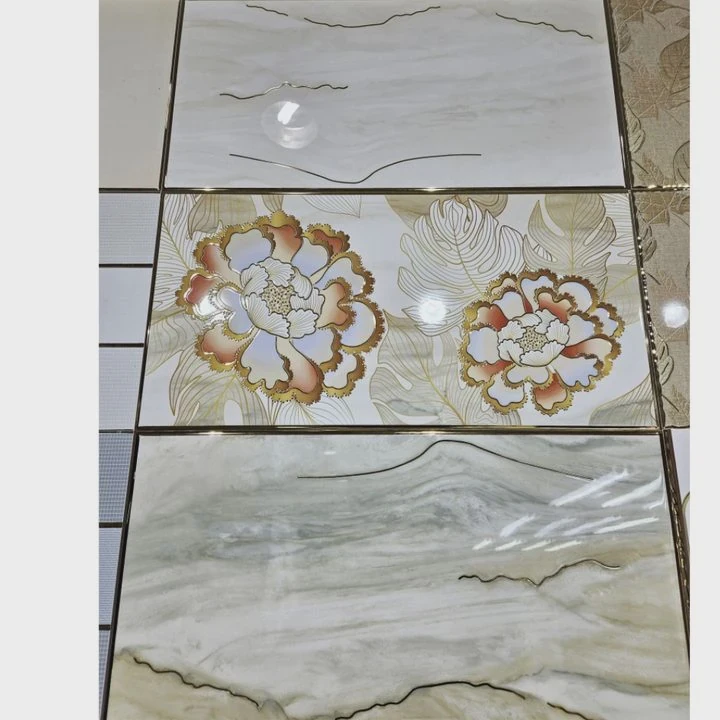
Choosing the wrong grout color can ruin the clean look of white subway tiles. Many buyers struggle with this small but critical decision. A poor match can make tiles look cheap or messy.
The best grout color for white subway tiles depends on the desired style. White grout creates a seamless look, gray offers balance, and dark grout highlights patterns and contrast. Each option changes the final visual impact significantly.
This topic may look simple, but it directly affects design, maintenance, and even customer satisfaction. So it is worth a deeper look before making a final choice.
Which grout colors complement white subway tiles?
White subway tiles look simple, but the grout choice can completely change their style. Many people assume only white grout works, but that is not true. The wrong choice can make the space look flat or outdated.
White, gray, and black are the most popular grout colors for white subway tiles. White gives a clean look, gray adds softness and practicality, and black creates bold contrast. Each serves a different design goal.
When selecting grout color, it is helpful to think in terms of visual effect and maintenance. Each color tells a different design story.
White grout: clean but demanding
White grout is the most classic choice. It blends with the tile and creates a smooth surface look. Many homeowners choose this for kitchens and bathrooms because it feels bright and fresh.
However, white grout stains easily. Dirt and moisture can change its color over time. This means more cleaning and maintenance.
Gray grout: the balanced solution
Gray grout sits between white and black. It is practical and versatile. Light gray keeps a soft look, while medium gray adds definition without strong contrast.
This option is popular for both residential and commercial projects because it hides dirt better.
Black grout: bold and modern
Black grout creates strong lines. It highlights the tile pattern clearly. This works well in modern or industrial design styles.
But there is a trade-off. Black grout can show soap residue or dust more easily in some settings.
Comparison table for grout options
| Grout Color | Visual Effect | Maintenance Level | Best Use Case |
|---|---|---|---|
| White | Seamless, clean | High | Minimalist spaces |
| Gray | Soft contrast | Medium | Versatile applications |
| Black | Strong contrast | Medium | Modern or bold designs |
My practical observation
In many export projects, gray grout is the safest choice. It balances design and maintenance. Clients often prefer it after testing samples.
At the same time, designers still use white or black grout to create specific visual styles. The final decision depends on the project goal.
How does grout color affect tile appearance?
Many people focus only on tile color and ignore grout. This is a mistake. Grout lines form a grid that can either blend in or stand out.
Grout color changes how tiles are perceived. Matching grout makes tiles look larger and cleaner, while contrasting grout emphasizes patterns and shapes.
The effect of grout color goes beyond simple decoration. It influences space perception, lighting, and even mood.
Visual continuity vs definition
Matching grout creates continuity. The surface looks smooth and unified. This works well in small spaces because it makes them feel bigger.
Contrasting grout does the opposite. It defines each tile clearly. This adds texture and visual interest.
Impact on space perception
Light grout colors reflect more light. This makes rooms feel brighter and more open.
Dark grout absorbs light. It creates depth and can make walls feel more structured.
Pattern visibility
Subway tiles often follow brick patterns. With white grout, the pattern is subtle. With dark grout, the pattern becomes a design feature.
This is important in commercial projects like cafes or retail stores where design identity matters.
Common visual effects table
| Grout Type | Tile Effect | Space Feeling | Pattern Visibility |
|---|---|---|---|
| Matching color | Smooth, unified | Larger, brighter | Low |
| Slight contrast | Balanced | Neutral | Medium |
| High contrast | Bold, structured | Smaller, defined | High |
Real project insight
In one project, a client first chose white grout. After installation, the wall looked too plain. Later, switching to light gray improved the entire space.
This shows that grout is not just a filler. It is a design tool.
Can contrasting grout enhance design features?
Some people worry that contrasting grout is too bold. Others see it as a powerful design element. The key is knowing when and how to use it.
Yes, contrasting grout can enhance design features by highlighting tile layout, adding depth, and creating visual focus. It works best in modern and statement-driven spaces.

Contrasting grout is not just a trend. It has strong design logic behind it.
Emphasizing geometry
Subway tiles have a clear shape. Dark grout outlines each tile. This creates a grid or brick effect.
This is useful when the tile layout itself is part of the design.
Creating focal points
Contrasting grout draws attention. It can turn a simple backsplash into a feature wall.
This works well in kitchens, bars, or retail spaces where visual impact matters.
Supporting modern styles
Industrial and contemporary styles often use contrast. Black grout with white tiles is a classic example.
It creates a sharp and clean look that fits modern interiors.
Potential risks
However, strong contrast is not always suitable. It can make small spaces feel busy. It can also highlight installation imperfections.
So careful planning is necessary.
When to use contrasting grout
- Feature walls
- Commercial interiors
- Modern kitchen backsplashes
- Decorative bathrooms
When to avoid it
- Very small spaces
- Low lighting environments
- Projects with tight installation tolerances
Practical note
In large-scale projects, contrasting grout requires higher installation precision. Any misalignment becomes more visible.
This is why some contractors prefer neutral grout for easier execution.
What factors influence grout color selection?
Choosing grout color is not just about preference. Many factors affect the final decision. Ignoring these can lead to poor results.
Grout color selection depends on design style, maintenance needs, lighting, tile size, and project type. A balanced decision considers both aesthetics and practicality.
Understanding these factors helps avoid common mistakes.
1. Design style
Different styles require different grout approaches:
- Minimalist → white or light gray
- Modern → black or dark gray
- Classic → soft neutral tones
2. Maintenance requirements
Light grout stains easily. Dark grout hides stains but may show residue.
Commercial projects usually prefer medium tones for durability.
3. Lighting conditions
Natural light enhances light grout. Poor lighting may require darker grout for definition.
4. Tile size and layout
Small tiles with dark grout can look busy. Large tiles with matching grout look clean.
5. Project type
Residential and commercial projects have different priorities:
| Factor | Residential Focus | Commercial Focus |
|---|---|---|
| Design | Personal preference | Brand consistency |
| Maintenance | Medium | High importance |
| Cost | Flexible | Budget-controlled |
| Durability | Standard | High requirement |
6. Client expectations
Different markets have different tastes. For example:
- European clients prefer subtle tones
- Middle East clients often like contrast
- American market accepts both styles
My experience in export business
Many buyers start with design ideas from photos. But after discussion, they shift focus to maintenance and long-term use.
This is why sample testing is very important before final orders.
Final selection strategy
A simple way to decide:
- Define the design goal
- Check lighting conditions
- Consider maintenance level
- Test samples with tiles
- Make the final choice
This process reduces risk and improves satisfaction.
Conclusion
Grout color may seem small, but it shapes the entire tile design. The right choice balances style, function, and maintenance. A careful decision leads to better long-term results.