What is ceramic tile flooring?
- Sinotiles
- 2026-03-27
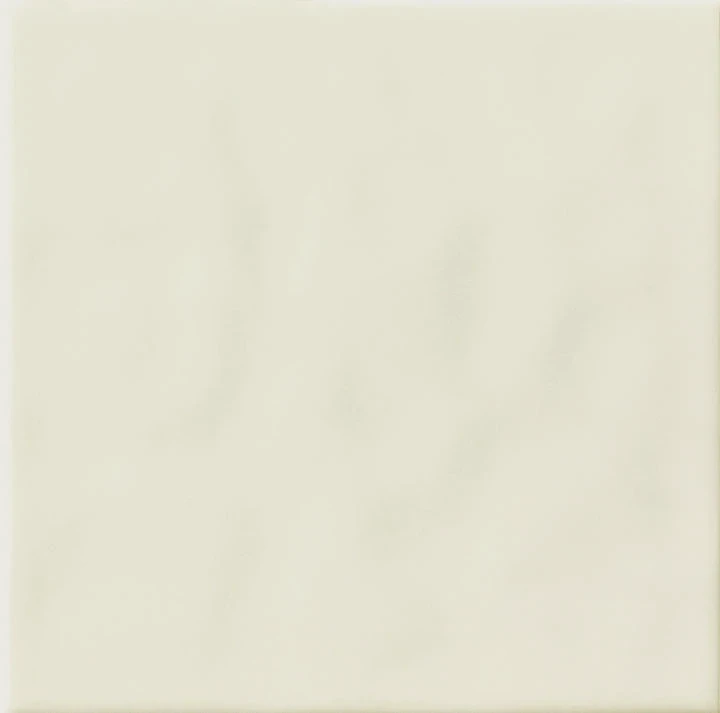
Many people feel confused when choosing flooring. There are too many options. Some look nice but do not last. Some last long but look boring. This makes decision hard.
Ceramic tile flooring is a surface made from clay materials that are shaped, fired at high temperatures, and finished with glaze, offering durability, water resistance, and versatile design for both residential and commercial spaces.
So the question is not only what ceramic tile is, but also why it has become one of the most trusted flooring choices worldwide.
What are benefits of ceramic tile flooring?
Some buyers worry about cost, style, and maintenance. They want a material that looks good and works well for years.
Ceramic tile flooring offers strong durability, water resistance, easy cleaning, design flexibility, and cost efficiency, making it a practical solution for both homes and commercial projects.
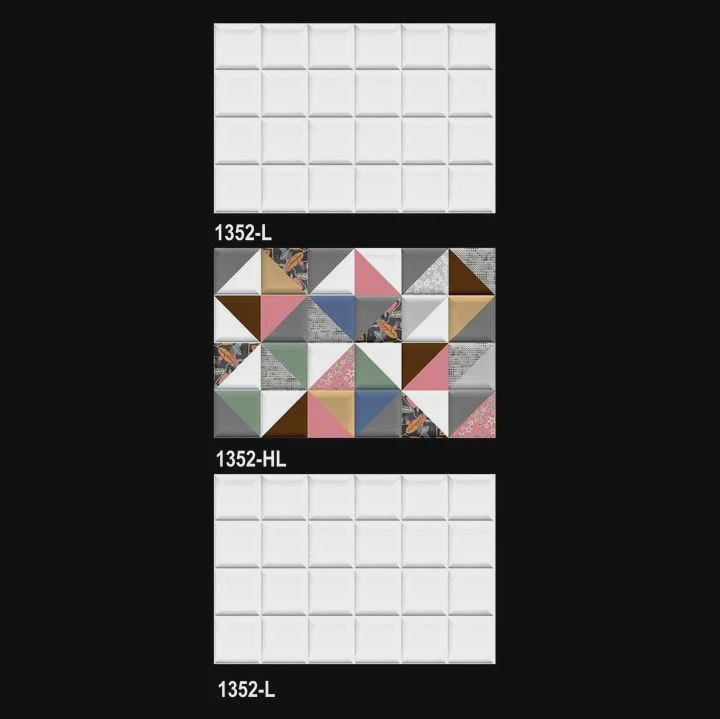
Ceramic tile flooring stands out because it solves many common problems in flooring selection. It balances function and design in a simple way.
Strong resistance to water and stains
Ceramic tiles have a glazed surface. This layer blocks water and stains. That is why they are widely used in kitchens and bathrooms.
- Water does not easily penetrate
- Stains can be wiped off quickly
- Mold growth is reduced
This feature is very important for humid areas or projects near water sources.
Easy to clean and maintain
Cleaning ceramic tiles is simple. Daily care does not need special tools.
- Sweep dust and dirt
- Mop with clean water or mild cleaner
- No need for polishing or waxing
This reduces long-term maintenance cost.
Wide range of designs
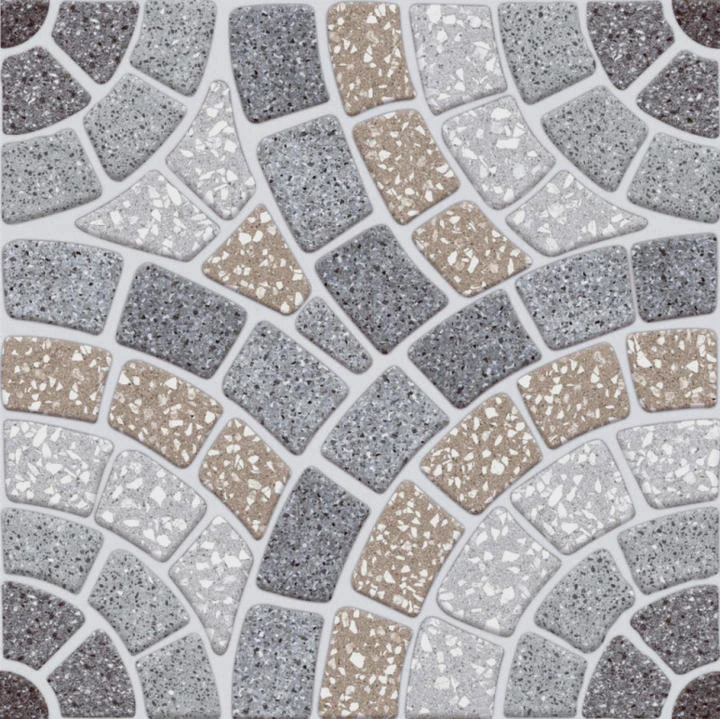
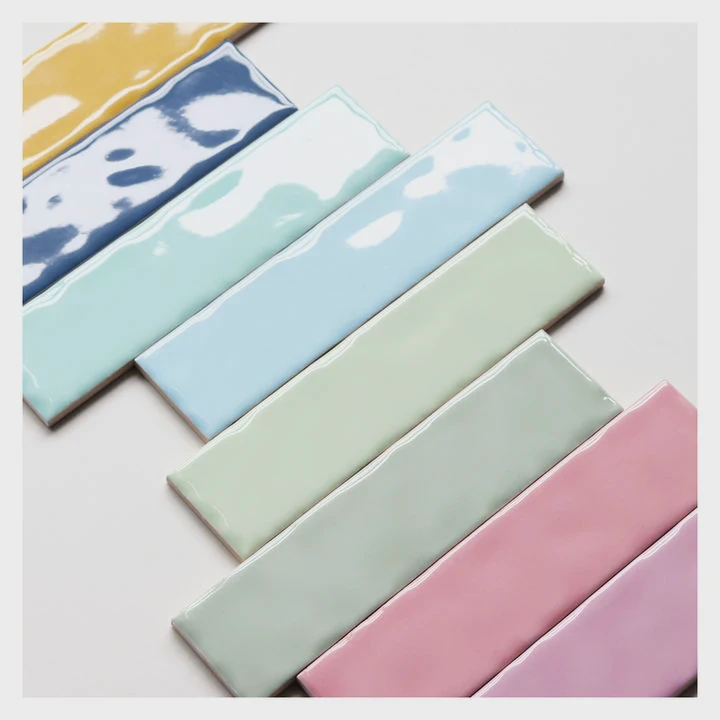
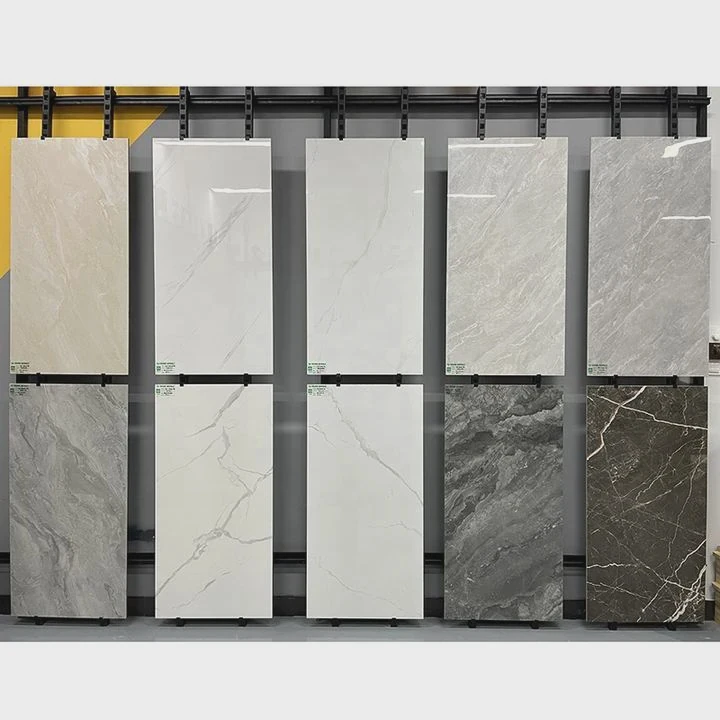
Ceramic tiles come in many styles. They can match almost any project.
| Feature | Description |
|---|---|
| Colors | Neutral, bold, natural tones |
| Patterns | Marble, wood, stone, concrete look |
| Sizes | Small tiles to large format slabs |
| Finishes | Glossy, matte, textured |
This flexibility helps designers and buyers create unique spaces.
Cost-effective solution
Compared with natural stone or hardwood, ceramic tile is more affordable. It also lasts long, which reduces replacement cost.
- Lower initial investment
- Long service life
- Minimal repair cost
For wholesalers and project buyers, this creates strong value.
Fire and heat resistance
Ceramic tiles do not burn. They can handle high temperatures. This makes them safe for kitchens and commercial areas.
In many projects, safety standards are strict. Ceramic tiles help meet these requirements easily.
How durable is ceramic tile flooring?
Many customers worry about cracks and wear. They want flooring that can handle daily use without damage.
Ceramic tile flooring is highly durable, resistant to wear, scratches, and moisture, and can last decades when properly installed and maintained.
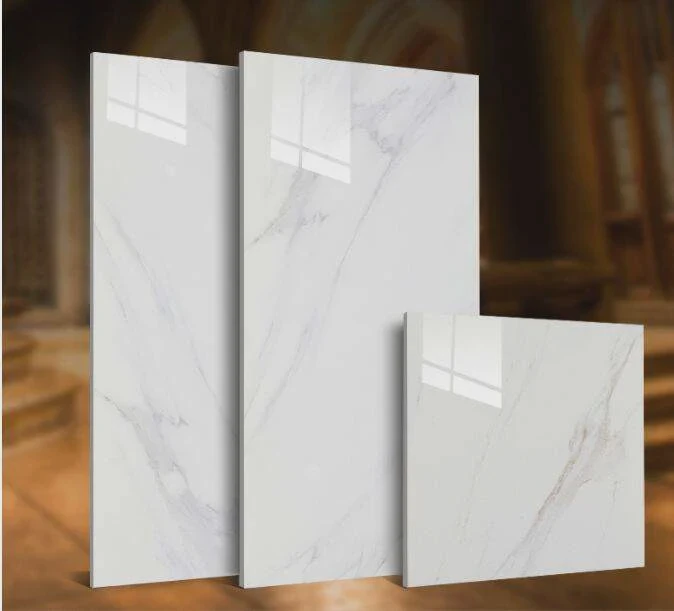
Durability is one of the main reasons buyers choose ceramic tiles. It performs well in both residential and commercial environments.
Resistance to wear and scratches
Ceramic tiles are fired at high temperatures. This process makes them hard and dense.
- Resistant to foot traffic
- Hard to scratch under normal use
- Suitable for busy areas
This is why they are often used in shopping malls and offices.
Long lifespan
Ceramic tile flooring can last many years. In some projects, it lasts over 20 years.
The key factors include:
- Proper installation
- Good quality tiles
- Regular cleaning
Load-bearing strength
Ceramic tiles can handle heavy loads. This is important for commercial projects.
| Application Area | Performance Requirement | Ceramic Tile Result |
|---|---|---|
| Residential living | Medium traffic | Excellent |
| Commercial retail | High traffic | Very good |
| Industrial areas | Heavy load | Suitable (with right thickness) |
Choosing the right thickness and grade is important for performance.
Resistance to moisture and chemicals
Ceramic tiles are not easily damaged by water or chemicals. This makes them ideal for:
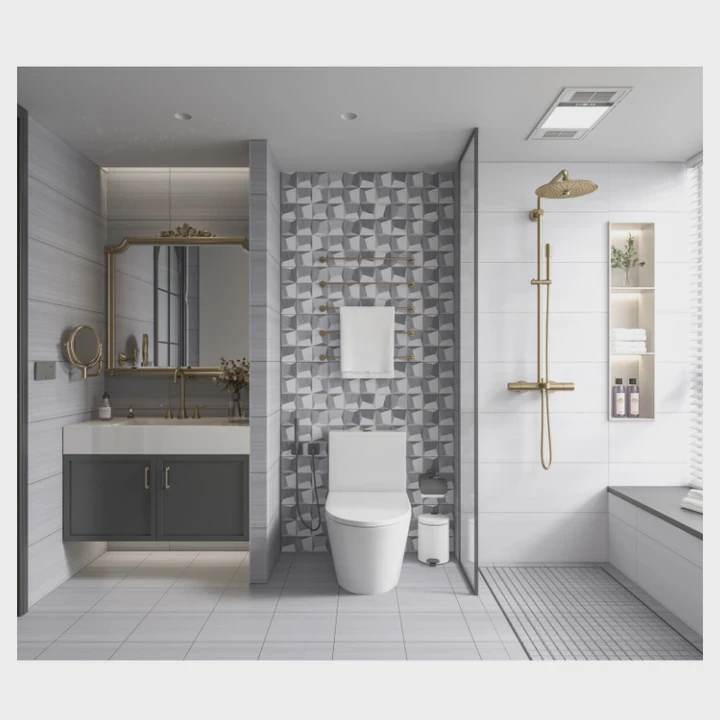
- Bathrooms
- Kitchens
- Laboratories
- Outdoor covered areas
Potential weaknesses
Even strong materials have limits.
- Tiles can crack under heavy impact
- Poor installation can cause issues
- Grout lines may need maintenance
However, these problems are usually avoidable with proper handling.
Where is ceramic tile flooring best used?
Many buyers ask where ceramic tiles perform best. They want to match the material with the right space.
Ceramic tile flooring is best used in kitchens, bathrooms, living areas, commercial spaces, and outdoor covered areas due to its water resistance, durability, and design versatility.
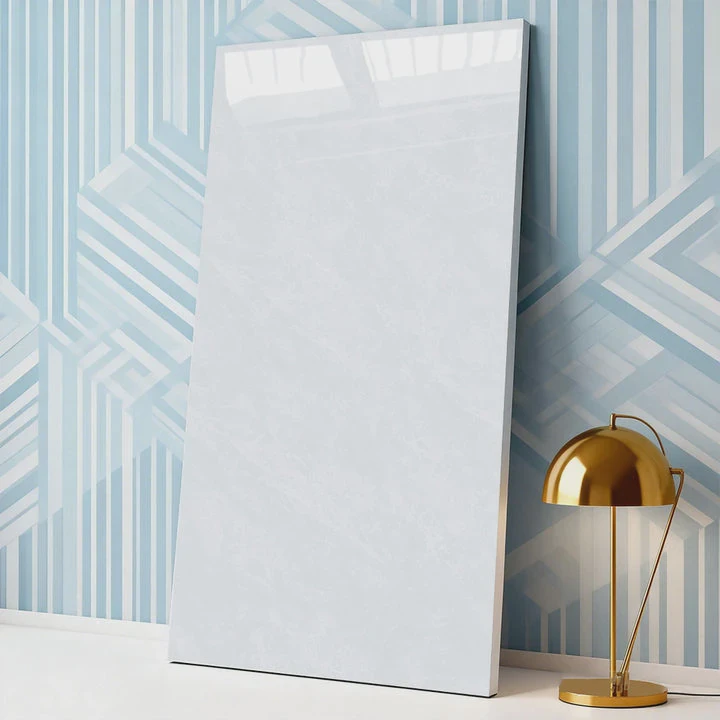
Ceramic tiles are very flexible. They can be used in many environments with good results.
Residential spaces
Ceramic tiles are common in homes. They provide both function and beauty.
Kitchen
- Easy to clean oil and spills
- Resistant to heat
- Durable under frequent use
Bathroom
- Water-resistant surface
- Anti-slip options available
- Hygienic and easy to maintain
Living room
- Large format tiles create modern look
- Many design options
- Works well with underfloor heating
Commercial spaces
Ceramic tiles are widely used in business environments.
Retail stores
- High durability for foot traffic
- Easy cleaning for daily operations
Hotels
- Elegant designs
- Long-lasting finish
- Easy maintenance for large areas
Offices
- Professional appearance
- Cost-effective over time
Outdoor and semi-outdoor areas
Some ceramic tiles are suitable for outdoor use.
- Balconies
- Covered patios
- Walkways
These tiles usually have anti-slip surfaces and higher strength.
Choosing the right tile for each area
Different areas need different types of tiles.
| Area | Recommended Tile Type | Key Feature |
|---|---|---|
| Bathroom | Matte / anti-slip | Safety |
| Kitchen | Glazed ceramic | Easy cleaning |
| Living room | Polished / large format | Aesthetic |
| Commercial | Heavy-duty tiles | Durability |
Selecting the correct tile improves performance and lifespan.
How to maintain ceramic tile floors easily?
Some users think tile maintenance is difficult. They worry about stains and long-term care.
Maintaining ceramic tile flooring is simple: regular sweeping, occasional mopping, proper grout care, and avoiding harsh chemicals will keep tiles clean and long-lasting.
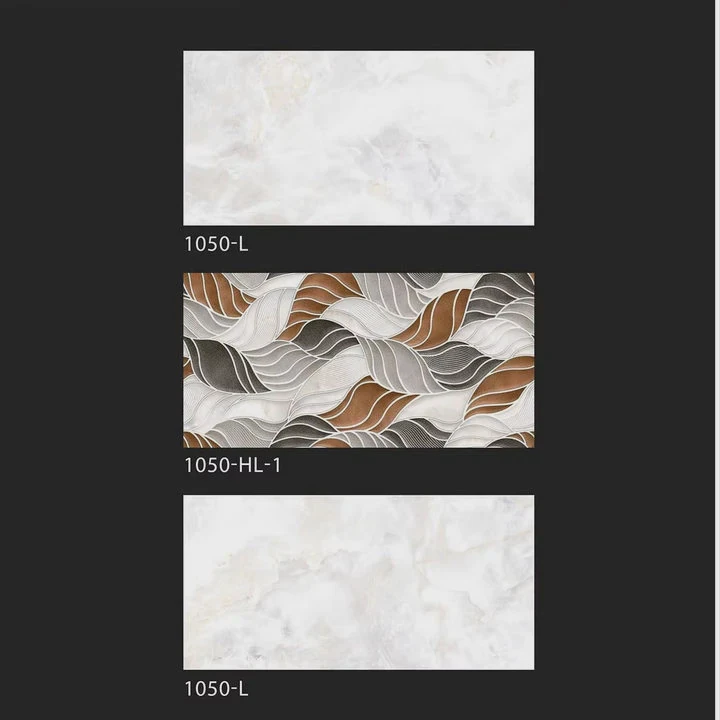
Good maintenance keeps tiles looking new. It also extends their life.
Daily cleaning routine
Daily care is quick and easy.
- Sweep or vacuum dust
- Remove debris to prevent scratches
- Use clean water for light mopping
This prevents dirt buildup.
Weekly or deep cleaning
Sometimes deeper cleaning is needed.
- Use mild detergent
- Mop evenly
- Rinse with clean water
Avoid strong chemicals that may damage the surface.
Grout care
Grout lines can collect dirt.
- Clean grout with soft brush
- Use grout cleaner if needed
- Seal grout to protect from stains
This keeps the floor looking fresh.
Avoid common mistakes
Some actions can damage tiles.
- Do not use acidic cleaners
- Avoid metal brushes
- Do not drop heavy objects
Simple care habits can prevent long-term damage.
Long-term maintenance tips
- Use mats at entrances
- Protect high-traffic areas
- Inspect tiles regularly
These steps reduce wear and extend lifespan.
Conclusion
Ceramic tile flooring offers a strong balance of durability, design, and easy care. It fits many spaces and project needs, making it a reliable and cost-effective flooring choice for long-term use.