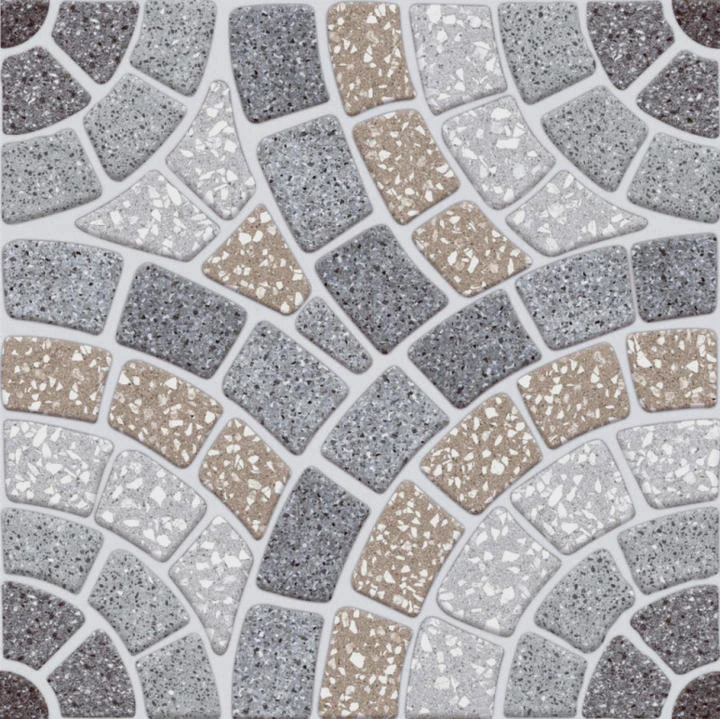
How to tile a basement floor?
- Sinotiles
- 2026-03-27

A cold, uneven basement floor can ruin any space. Many people try to tile it, but they face cracks, moisture, and poor results.
Tiling a basement floor needs proper preparation, moisture control, correct tile selection, and careful installation steps. Each stage affects durability, appearance, and long-term performance.
A basement is not like a living room. It has unique risks. So each step must be handled with care. Now let’s break it down clearly.
What preparation is needed for basement tiling?
A rough and dirty floor leads to failure. Many projects fail before they even start because preparation is ignored.
Proper preparation includes cleaning, leveling, repairing cracks, and checking the concrete condition to ensure a stable base for tiles.

Before laying any tile, the condition of the basement floor must be checked carefully. A basement slab is often older than the rest of the house. It may have cracks, dust, or uneven areas.
Surface Cleaning Matters
Dust and grease stop adhesives from bonding well. The floor must be fully cleaned.
- Sweep all loose debris
- Use a degreaser if needed
- Wash and let it dry fully
If the surface is not clean, tiles may loosen later.
Repairing Cracks and Holes
Cracks are common in basement floors. Small cracks can grow over time.
- Use a concrete filler for small cracks
- Use patching compound for larger damage
- Let repairs cure fully
Ignoring cracks leads to tile breakage later.
Leveling the Floor
Tiles need a flat surface. Even small uneven areas can cause problems.
Common leveling methods:
| Problem Type | Solution |
|---|---|
| Minor unevenness | Self-leveling compound |
| Deep dips | Concrete patch |
| Large slope | Full resurfacing |
A level floor makes installation easier and prevents lippage.
Checking Structural Stability
The concrete must be solid. If it is weak or crumbling, tiling is not a good idea yet.
- Tap the surface and listen for hollow sounds
- Check for powdery areas
- Remove weak sections and repair
A strong base ensures long tile life.
Planning the Layout
Layout planning saves time and reduces waste.
- Measure the room
- Mark center lines
- Dry lay tiles before installation
This helps avoid awkward cuts and improves final appearance.
How to deal with moisture before tiling?
Moisture is the biggest enemy in basements. If ignored, it will destroy the tile system over time.
Moisture must be tested and controlled using sealers, vapor barriers, or waterproofing systems before tiling begins.
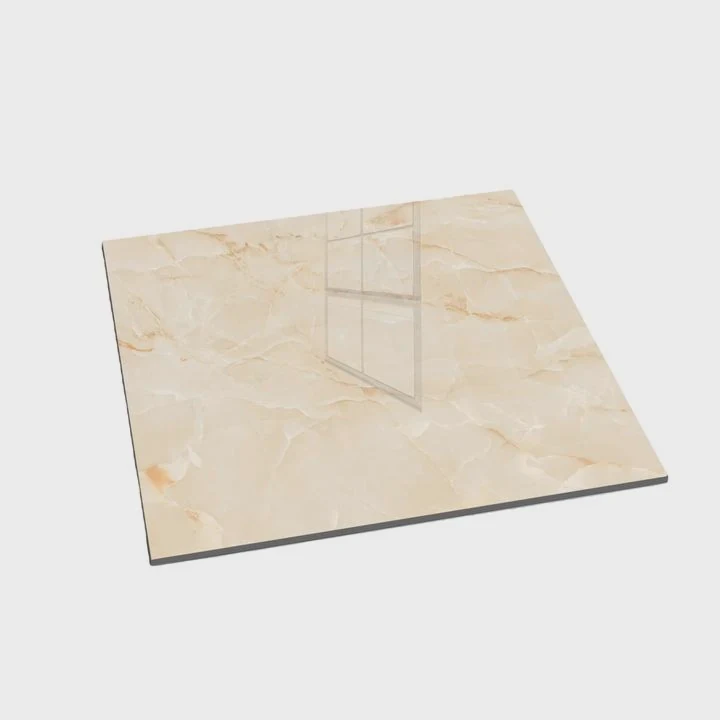
Basements are below ground level. Water can enter through soil pressure or humidity. So moisture control is not optional.
How to Test Moisture
Before doing anything, moisture levels must be checked.
Simple plastic sheet test:
- Tape plastic sheet to the floor
- Leave it for 24–48 hours
- Check for condensation
If water appears, moisture is present.
Types of Moisture Problems
| Moisture Source | Description | Risk Level |
|---|---|---|
| Ground moisture | Water from soil below | High |
| Humidity | Air moisture in basement | Medium |
| Leaks | Pipes or wall cracks | High |
Understanding the source helps choose the right solution.
Waterproofing Solutions
Different methods work for different problems.
1. Concrete Sealers
Seal pores in the concrete. They reduce water absorption.
2. Waterproof Membranes
A layer between tile and concrete. It blocks moisture movement.
3. Vapor Barriers
Used in high-moisture areas. They prevent vapor from rising.
Drainage Improvements
Sometimes the issue is outside the basement.
- Improve exterior drainage
- Fix gutters and downspouts
- Add sump pumps if needed
Stopping water at the source is always better.
Why Moisture Control is Critical
Without moisture control:
- Tiles may loosen
- Adhesive may fail
- Mold may grow
A basement tile project without waterproofing is a short-term solution.
What tiles are best for basement floors?
Choosing the wrong tile leads to poor results. Not all tiles work well in basement conditions.
Porcelain tiles, ceramic tiles, and some stone-look tiles are best because they resist moisture, wear, and temperature changes.
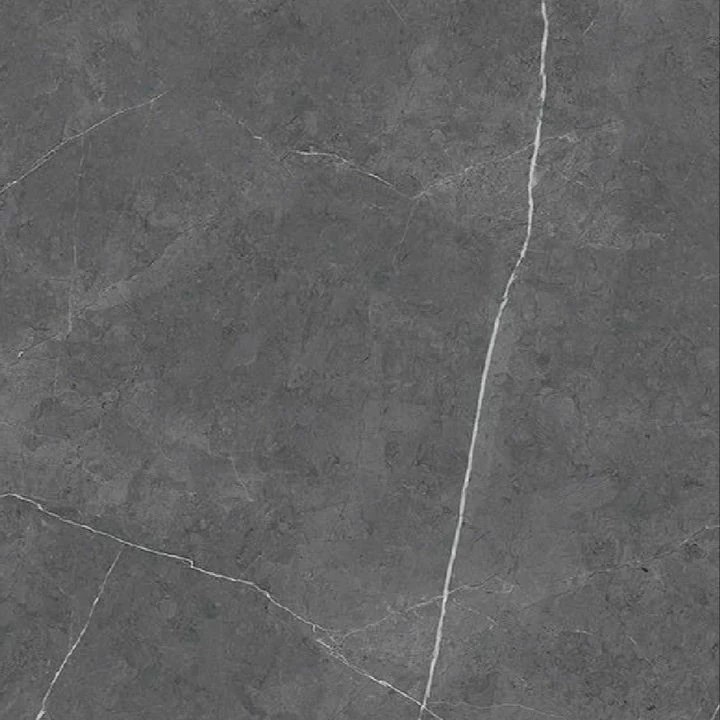
Basement floors need tiles that can handle moisture and pressure. Durability is more important than appearance alone.
Best Tile Types
1. Porcelain Tiles
These are the top choice.
- Low water absorption
- High strength
- Suitable for heavy use
2. Ceramic Tiles
A good budget option.
- Easy to install
- Wide design choices
- Slightly higher absorption than porcelain
3. Large Format Tiles
These reduce grout lines.
- Better for modern design
- Easier cleaning
- Require flat surface
Tile Comparison Table
| Tile Type | Water Resistance | Durability | Cost Level |
|---|---|---|---|
| Porcelain | Excellent | High | Medium-High |
| Ceramic | Good | Medium | Medium |
| Natural Stone | Varies | Medium | High |
Surface Finish Matters
Basements can be slippery.
- Choose matte or textured surfaces
- Avoid high-gloss tiles
Safety is important, especially in damp areas.
Size and Thickness
Larger tiles look modern but need a perfect base.
- Small tiles: easier for uneven floors
- Large tiles: better visual effect
Thickness also affects strength. Thicker tiles perform better in high-traffic areas.
Design Considerations
Basements often lack natural light.
- Light colors make space feel bigger
- Neutral tones work best
- Stone or concrete looks are popular
Design should match function.
How to install basement tiles step by step?
Even good materials fail with poor installation. Each step must be done carefully.
Installation includes applying adhesive, placing tiles evenly, using spacers, grouting, and sealing to ensure durability and a professional finish.
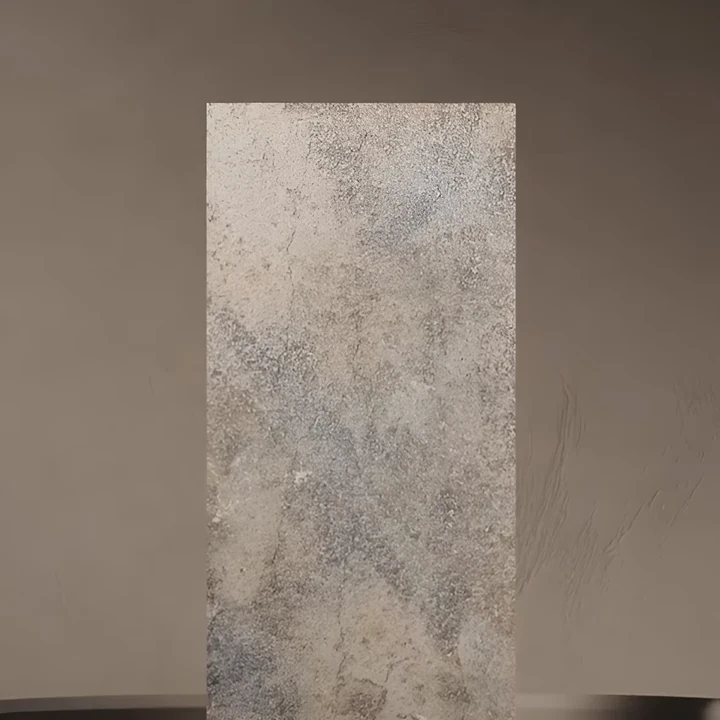
Tiling a basement floor is a process. Skipping steps leads to long-term problems.
Step 1: Apply Adhesive
Use the right adhesive for basement conditions.
- Choose moisture-resistant thin-set
- Spread evenly with a notched trowel
- Work in small sections
Step 2: Lay the Tiles
Place tiles carefully.
- Follow layout lines
- Press tiles firmly
- Twist slightly for better bonding
Step 3: Use Tile Spacers
Spacers ensure even gaps.
- Maintain consistent grout lines
- Remove spacers before grout dries
Step 4: Cut Tiles When Needed
Edges require cutting.
- Use a tile cutter or wet saw
- Measure twice before cutting
Step 5: Let Adhesive Cure
Do not rush this step.
- Wait at least 24 hours
- Avoid walking on tiles
Step 6: Apply Grout
Grouting fills gaps and locks tiles.
- Use waterproof grout
- Spread with rubber float
- Clean excess immediately
Step 7: Seal the Surface
Sealing protects tiles and grout.
- Apply grout sealer
- Reapply over time if needed
Common Installation Mistakes
| Mistake | Result |
|---|---|
| Skipping leveling | Uneven tiles |
| Poor adhesive coverage | Loose tiles |
| Ignoring curing time | Weak bonding |
| No waterproofing | Long-term damage |
Avoiding these mistakes ensures a longer-lasting floor.
Final Checks
After installation:
- Check for loose tiles
- Clean the surface
- Inspect grout lines
A careful final check prevents future repairs.
Conclusion
Tiling a basement floor is not hard, but it needs careful steps. Preparation, moisture control, tile choice, and proper installation all matter. When each step is done right, the result is strong, durable, and long-lasting.