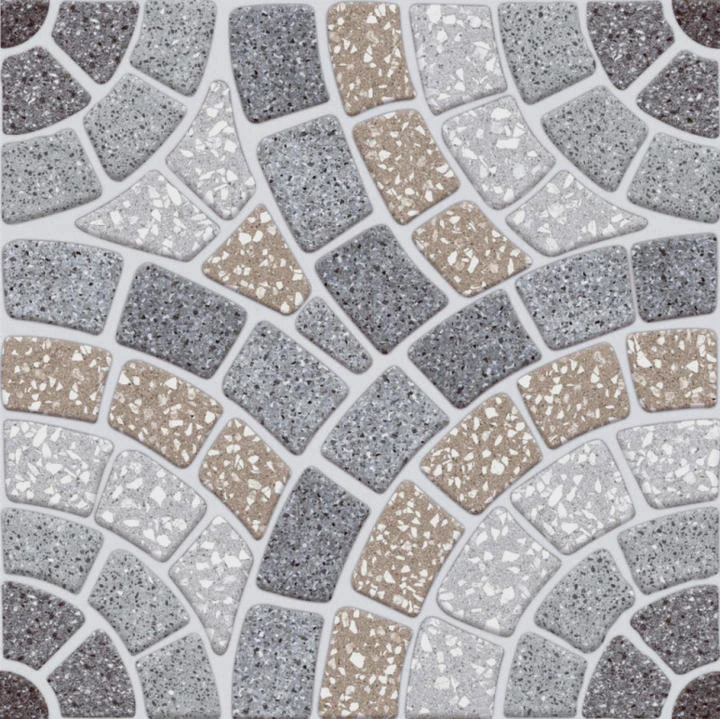
How to Clean Porous Tile?
- Sinotiles
- 2026-03-27
Porous tiles stain fast. Dirt sinks in. Many people scrub harder but see worse results. This leads to frustration and wasted time.
The best way to clean porous tile is to use gentle, pH-neutral cleaners, soft brushes, and proper sealing to stop stains from penetrating deep into the surface.
Porous tiles need a different approach. Strong chemicals and rough tools often damage them. In this guide, I will break down simple, proven steps that actually work.
What removes stains from porous tile surfaces?
Stains on porous tiles look permanent. Many people try bleach or acid, but that often spreads the stain deeper.
The most effective way to remove stains from porous tiles is to use absorbent poultices, baking soda pastes, or specialized stone cleaners that pull stains out instead of pushing them in.
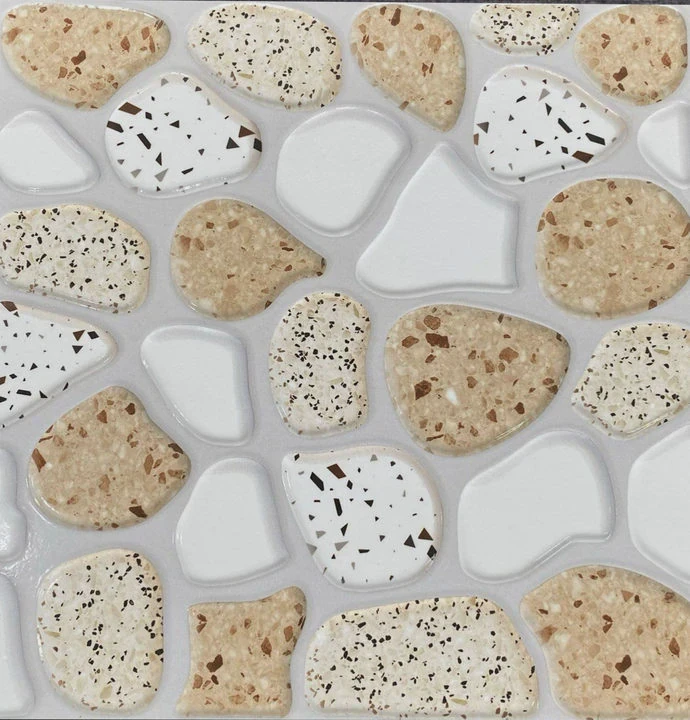
Porous tiles act like a sponge. This is the key problem. Liquids such as coffee, oil, or wine do not stay on the surface. They go inside the tile. Because of this, surface cleaning alone does not work.
Why stains are hard to remove
Most tiles like ceramic or porcelain have low water absorption. But porous tiles like natural stone, terracotta, or some matte finishes have tiny holes. These holes trap dirt and liquids.
If cleaning is done wrong, the stain spreads even deeper. That is why many users say, “The more I clean, the worse it looks.”
Best stain removal methods
1. Poultice method (deep extraction)
This method works best for deep stains.
Steps:
- Mix baking soda with water (or hydrogen peroxide for tough stains)
- Create a thick paste
- Apply over the stain
- Cover with plastic wrap
- Leave for 24–48 hours
- Remove and rinse
This method pulls the stain out slowly.
2. Baking soda + mild detergent
For light stains:
- Mix baking soda and a few drops of dish soap
- Gently scrub with a soft brush
- Rinse with warm water
This works well for food stains and daily dirt.
3. Commercial stone cleaner
Use cleaners made for:
- Natural stone
- Porous ceramic surfaces
Avoid general-purpose cleaners. Many contain acids.
What to avoid
| Cleaning Method | Problem |
|---|---|
| Bleach | Discolors tile and weakens surface |
| Vinegar | Acid damages porous structure |
| Hard brushes | Scratch and open pores more |
| Pressure washing | Pushes dirt deeper |
Key insight
Stain removal is not about force. It is about extraction. Gentle methods used longer always give better results.
Which cleaning solutions are safe for porous tiles?
Many people damage tiles without knowing it. The wrong cleaner can destroy the surface slowly.
Safe cleaning solutions for porous tiles are pH-neutral cleaners, mild soaps, and specially designed stone-safe products that clean without reacting with the tile material.
Porous tiles are sensitive. Their structure reacts with chemicals. This is why choosing the right solution is more important than the cleaning tool.
Understanding pH matters
Cleaning products fall into three groups:
- Acidic (vinegar, lemon)
- Alkaline (strong degreasers)
- Neutral (safe cleaners)
Porous tiles should only be cleaned with neutral solutions.
Safe cleaning options
1. pH-neutral tile cleaner
This is the safest option for regular use.
Benefits:
- Does not damage surface
- Keeps color stable
- Safe for sealing layers
2. Mild dish soap + warm water
A simple and effective solution.
Use:
- A few drops in warm water
- Mop or wipe gently
This works well for daily cleaning.
3. Stone-safe commercial products
Designed for:
- Travertine
- Marble
- Porous ceramic tiles
These products clean without chemical reaction.
Unsafe cleaning solutions
| Solution | Risk |
|---|---|
| Vinegar | Erodes surface |
| Bleach | Causes fading and weakens tile |
| Ammonia | Too harsh for porous materials |
| Acid-based cleaners | Permanent damage |
Why simple is better
Many people think stronger means better. This is not true for porous tiles. Strong chemicals break down the surface and increase absorption.
That leads to:
- Faster staining
- Shorter tile lifespan
- Higher maintenance cost
Practical tip
Always test any cleaner on a small hidden area first. This prevents large-scale damage.
Can sealing help protect porous tiles long term?
Cleaning alone is not enough. Without protection, stains will keep coming back.
Yes, sealing is one of the most effective ways to protect porous tiles long term because it fills the pores and reduces absorption, making cleaning easier and preventing deep stains.

Sealing is often ignored. But it is one of the smartest investments in tile maintenance.
How sealing works
A tile sealer:
- Penetrates the surface
- Fills microscopic pores
- Creates a protective barrier
This does not make the tile fully waterproof. But it slows down absorption.
Types of sealers
1. Penetrating sealers
- Go inside the tile
- Keep natural look
- Best for stone and matte tiles
2. Surface sealers
- Create a layer on top
- Add slight shine
- Easier to clean
Benefits of sealing
| Benefit | Result |
|---|---|
| Reduced absorption | Fewer stains |
| Easier cleaning | Less effort needed |
| Longer lifespan | Tiles stay new longer |
| Better appearance | Color stays consistent |
How often to seal
It depends on usage:
- High traffic areas: every 6–12 months
- Residential floors: every 1–2 years
- Walls: every 2–3 years
Signs sealing is needed
- Water darkens tile quickly
- Stains appear easily
- Surface looks dull
Real-world experience
In many projects, sealing reduces cleaning time by more than half. This is especially true in kitchens and commercial spaces.
Important note
Sealing is not a replacement for cleaning. It is protection, not a solution. Regular maintenance is still needed.
When should you deep clean porous tile floors?
Many people clean regularly but still see buildup. That is because deep cleaning is missing.
You should deep clean porous tile floors every few months or when visible buildup, discoloration, or stubborn stains appear, especially in high-traffic or moisture-prone areas.
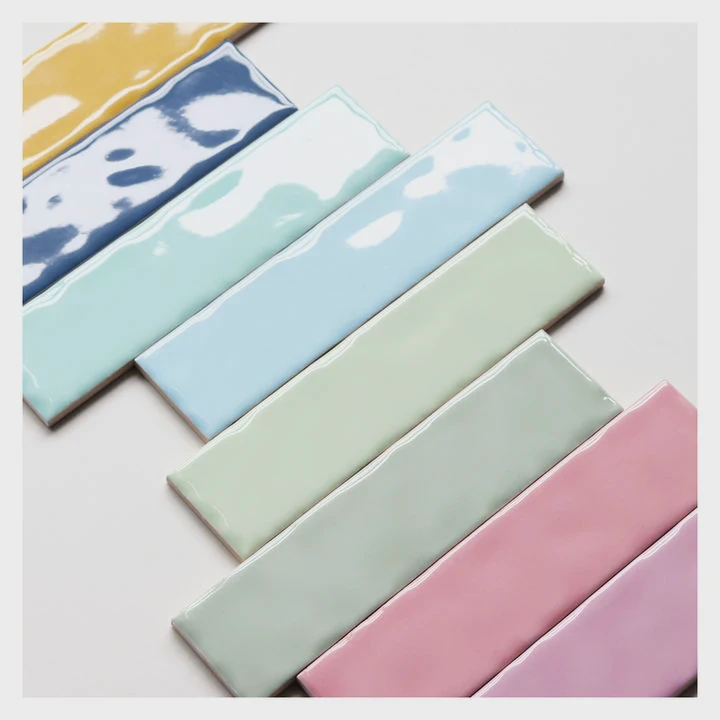
Routine cleaning removes surface dirt. But deep cleaning removes embedded grime.
Signs you need deep cleaning
Look for:
- Darkened grout lines
- Sticky or dull surface
- Uneven color patches
- Persistent stains
These are clear signals.
Recommended deep cleaning schedule
| Area Type | Frequency |
|---|---|
| Kitchen | Every 1–3 months |
| Bathroom | Every 2–3 months |
| Living area | Every 3–6 months |
| Commercial space | Monthly |
Deep cleaning process
Step 1: Sweep or vacuum
Remove loose dirt first. This prevents scratching.
Step 2: Apply cleaner
Use a pH-neutral or stone-safe cleaner.
Let it sit for 5–10 minutes.
Step 3: Gentle scrubbing
Use:
- Soft brush
- Microfiber mop
Avoid aggressive tools.
Step 4: Rinse thoroughly
Leftover cleaner causes residue buildup.
Step 5: Dry completely
Moisture left behind can cause new stains.
Optional: Steam cleaning
Steam can help:
- Loosen deep dirt
- Kill bacteria
But use carefully. Too much heat may affect some sealers.
Common mistakes
- Skipping rinse step
- Using too much water
- Mixing different cleaners
- Cleaning too aggressively
Key takeaway
Deep cleaning is not about doing more. It is about doing it right and at the right time.
Conclusion
Porous tiles need gentle care, not strong force. With the right cleaning methods, safe solutions, proper sealing, and regular deep cleaning, it becomes easy to keep tiles clean, durable, and looking new for years.