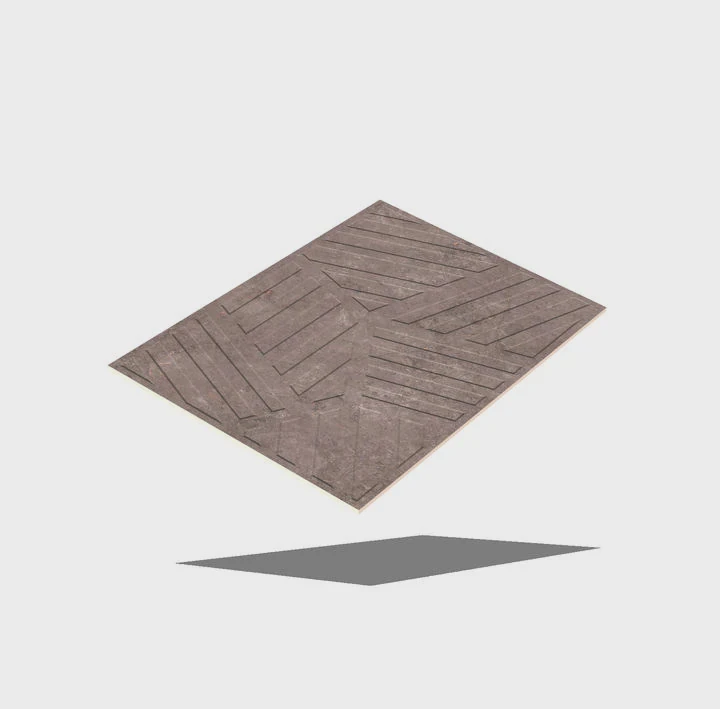
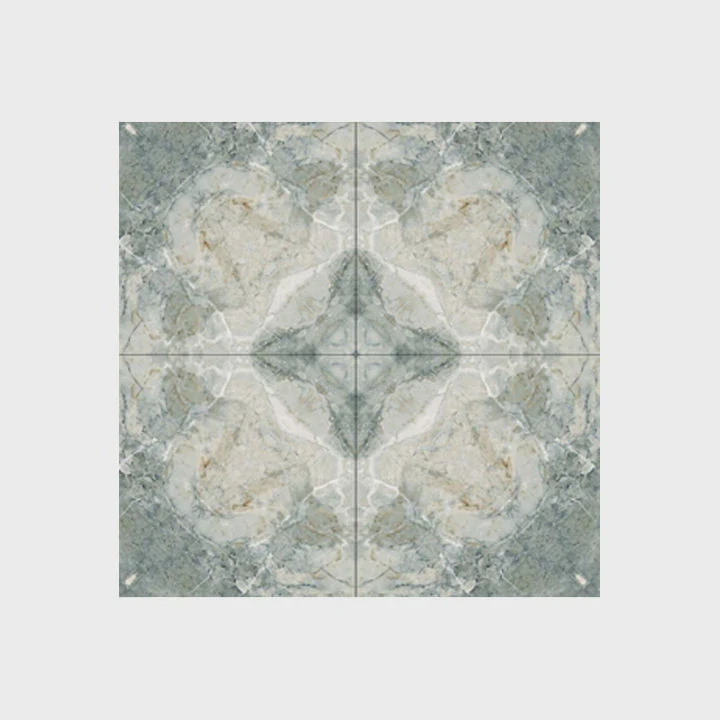
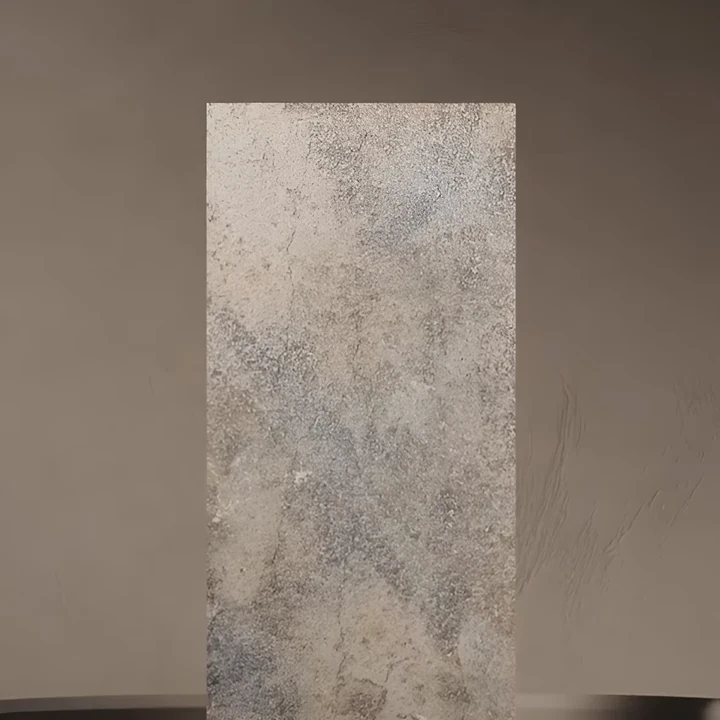
What Is Glazed Ceramic Tile?
- Sinotiles
- 2026-06-06
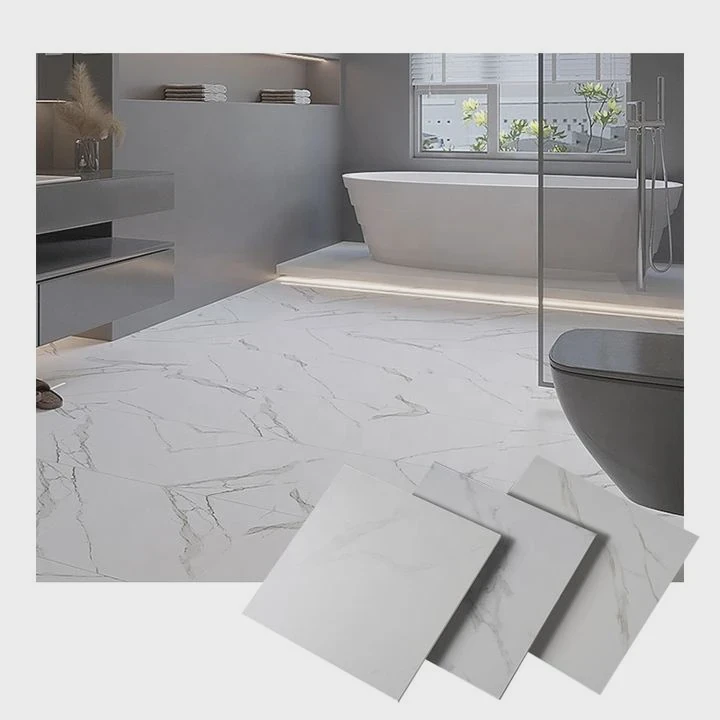
Many buyers see the term “glazed ceramic tile” when comparing flooring and wall materials. Yet many people do not fully understand what the glaze does or why it matters.
Glazed ceramic tile is a ceramic tile coated with a protective liquid glass layer during manufacturing. This glaze improves appearance, stain resistance, moisture resistance, and overall durability while offering a wide range of colors, patterns, and finishes.
Glazed ceramic tiles have become one of the most popular building materials in residential and commercial projects. Their combination of design flexibility and practical performance makes them suitable for many interior applications.
What Makes Glazed Tiles Different from Unglazed?
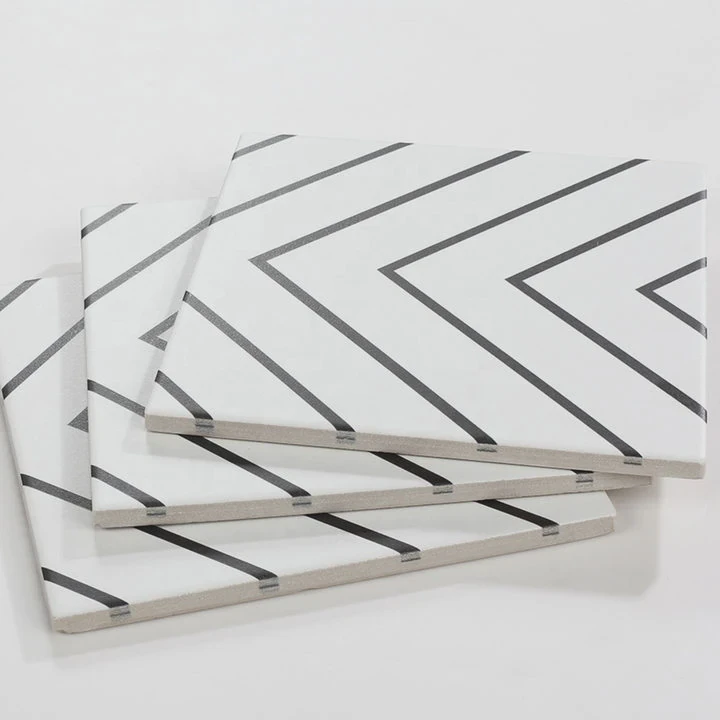
Many people assume all ceramic tiles are the same. In reality, glazed and unglazed tiles have significant differences in appearance, performance, and maintenance requirements.
Glazed tiles have a protective glass-like coating on the surface, while unglazed tiles expose the natural ceramic body. This difference affects appearance, stain resistance, water absorption, and maintenance needs.
Understanding these differences helps buyers select the most suitable tile for their project.
Understanding the Basic Structure
A ceramic tile consists of a clay-based body that is shaped and fired at high temperatures.
For glazed tiles:
- The tile body is formed.
- A glaze layer is applied.
- The tile is fired again.
- The glaze melts and bonds to the surface.
For unglazed tiles, no surface glaze is added.
Appearance Differences
One of the most obvious differences is visual design.
Glazed tiles offer:
- Bright colors
- Decorative patterns
- High-gloss finishes
- Matte finishes
- Stone-look surfaces
- Wood-look designs
Unglazed tiles usually display the natural color of the ceramic material.
Surface Characteristics
| Feature | Glazed Tile | Unglazed Tile |
|---|---|---|
| Surface coating | Yes | No |
| Decorative options | Extensive | Limited |
| Stain resistance | Higher | Lower |
| Water resistance | Better | Moderate |
| Natural appearance | Lower | Higher |
Maintenance Differences
Glazed surfaces are generally easier to clean.
The protective coating reduces the ability of dirt and liquids to penetrate the surface.
Unglazed tiles may require more frequent sealing depending on the application.
Wear Characteristics
The way each tile wears also differs.
With glazed tiles:
- Surface appearance remains consistent.
- Cleaning is easier.
- Decorative effects remain visible.
With unglazed tiles:
- Wear tends to be less noticeable because color extends throughout the tile body.
Design Flexibility
Modern manufacturing technology allows glazed tiles to imitate many materials.
Common designs include:
- Marble
- Granite
- Concrete
- Wood
- Fabric textures
This flexibility explains why glazed ceramic tiles are widely used in interior design projects.
Cost Considerations
Pricing varies based on quality, size, and design complexity.
In many cases:
- Standard glazed ceramic tiles offer excellent value.
- Premium decorative glazed tiles may cost more.
- Specialty unglazed products may also command higher prices.
Selecting Between the Two
The choice depends on project requirements.
Glazed tiles are often selected when:
- Appearance is important.
- Easy maintenance is desired.
- Moisture resistance is needed.
Unglazed products may be preferred when:
- Natural aesthetics are prioritized.
- Heavy wear conditions exist.
- Slip resistance is a major concern.
Understanding these differences helps buyers make informed decisions and choose products that match both design goals and functional needs.
How Is Glaze Applied During Manufacturing?
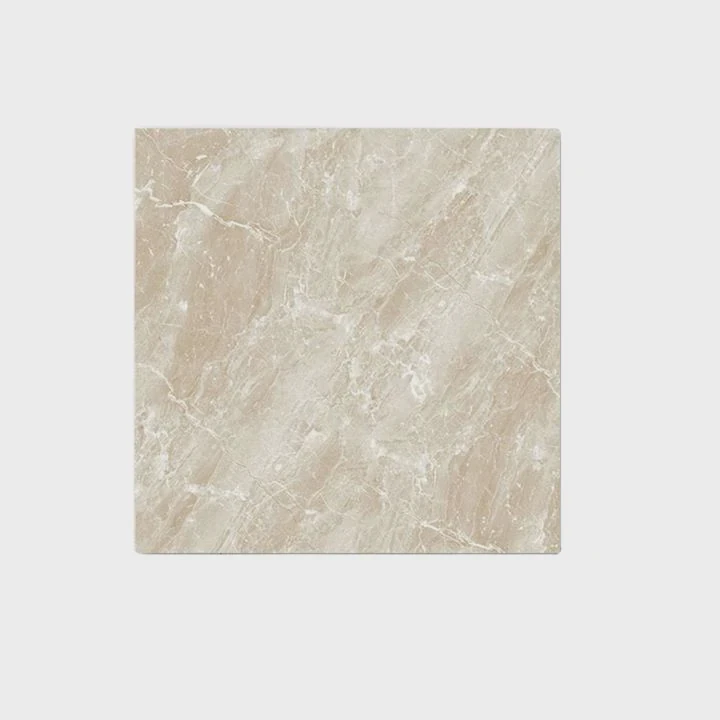
The performance and appearance of glazed ceramic tile depend heavily on the manufacturing process. The glaze is not simply painted onto the surface. It becomes part of the tile through high-temperature firing.
Glaze is applied to the ceramic tile body before firing, then melted at high temperatures to form a durable glass-like layer that permanently bonds with the surface.
The glazing process combines material science and manufacturing precision.
Step 1: Raw Material Preparation
The process begins with carefully selected raw materials.
Typical ingredients include:
- Clay
- Feldspar
- Quartz
- Mineral additives
These materials are blended to create a uniform ceramic body.
Step 2: Tile Formation
The prepared material is shaped into tiles.
Common production methods include:
- Dry pressing
- Extrusion
The resulting tile body is then dried to remove excess moisture.
Step 3: Initial Firing
Many ceramic tiles undergo an initial firing process.
This stage strengthens the tile body and prepares it for glazing.
The exact procedure depends on the production method being used.
Step 4: Glaze Preparation
The glaze itself is a carefully formulated mixture.
Ingredients may include:
- Silica
- Minerals
- Pigments
- Fluxes
- Specialty additives
Different formulations create different appearances and performance characteristics.
Step 5: Glaze Application
Several application methods are used in modern factories.
Spraying
A fine spray coats the tile surface evenly.
Waterfall Coating
Glaze flows across the tile surface in a controlled layer.
Digital Printing
Advanced equipment applies highly detailed decorative designs.
This technology allows manufacturers to create realistic stone and wood effects.
Manufacturing Process Overview
| Production Stage | Purpose |
|---|---|
| Raw material preparation | Create ceramic body |
| Pressing and shaping | Form tile dimensions |
| Drying | Remove moisture |
| Glaze application | Add decorative coating |
| Firing | Bond glaze permanently |
| Quality inspection | Verify performance |
Step 6: High-Temperature Firing
The glazed tile enters a kiln.
Temperatures often exceed 1,000°C.
During firing:
- The glaze melts.
- The glaze bonds with the tile body.
- Surface hardness develops.
- Decorative effects become permanent.
Step 7: Cooling and Inspection
Controlled cooling prevents thermal stress.
After cooling, tiles undergo inspection for:
- Surface quality
- Color consistency
- Dimensional accuracy
- Structural integrity
Modern Manufacturing Advantages
Today’s glazing technologies offer significant benefits.
Manufacturers can produce:
- Natural stone visuals
- Wood-look surfaces
- Concrete effects
- Metallic finishes
- Decorative textures
Quality Control Matters
A high-quality glaze application requires consistency throughout production.
Factors monitored include:
- Glaze thickness
- Firing temperature
- Surface uniformity
- Color accuracy
Careful process control helps ensure the finished tile performs reliably while maintaining an attractive appearance.
Why Are Glazed Tiles More Stain Resistant?
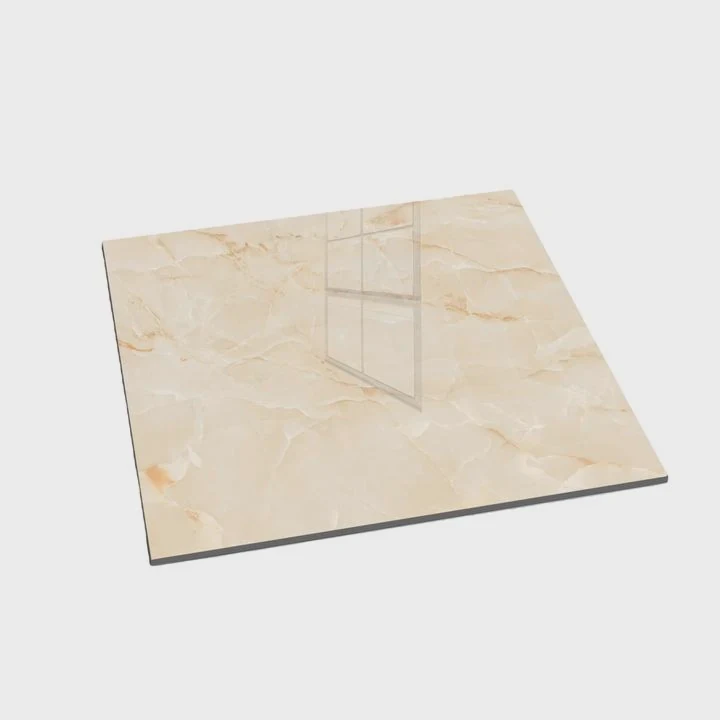
One reason glazed ceramic tiles remain popular worldwide is their ability to resist stains and simplify maintenance.
Glazed tiles are more stain resistant because their glass-like surface limits liquid absorption, prevents contaminants from penetrating the tile body, and creates a smoother surface that is easier to clean.
This characteristic makes glazed ceramic tiles especially attractive in kitchens, bathrooms, and other areas where spills are common.
Understanding Porosity
Porosity refers to the amount of tiny openings within a material.
Many untreated surfaces contain microscopic pores that absorb liquids.
The glaze layer significantly reduces surface porosity.
The Protective Barrier Effect
The glaze acts as a barrier between the environment and the ceramic body.
This barrier helps resist:
- Water
- Oil
- Food stains
- Soap residue
- Household chemicals
As a result, contaminants remain closer to the surface.
Easier Daily Cleaning
Smooth glazed surfaces allow dirt to be removed more easily.
Typical maintenance involves:
- Sweeping
- Damp mopping
- Mild cleaning products
Most spills can be cleaned before permanent staining occurs.
Common Household Stains
Glazed tiles perform well against many everyday substances.
| Stain Source | Resistance Level |
|---|---|
| Coffee | High |
| Tea | High |
| Juice | High |
| Soap residue | High |
| Food spills | High |
Performance varies depending on glaze quality and finish type.
Moisture Resistance Benefits
Water resistance contributes directly to stain resistance.
When moisture cannot penetrate easily:
- Mold risk decreases.
- Dirt accumulation reduces.
- Surface discoloration becomes less likely.
Gloss and Matte Finishes
Both gloss and matte glazed tiles offer stain resistance.
However, their appearance differs.
Gloss Glaze
- Reflects more light
- Creates a polished look
- Highlights decorative patterns
Matte Glaze
- Softer appearance
- Reduced glare
- Modern aesthetic
Both options maintain protective surface characteristics.
Long-Term Performance
Quality glazed tiles can retain their stain resistance for many years.
Factors influencing longevity include:
- Manufacturing quality
- Installation quality
- Maintenance practices
- Usage conditions
Why This Matters for Buyers
Many buyers prioritize materials that reduce maintenance demands.
Glazed ceramic tile offers several practical benefits:
- Easier cleaning
- Reduced staining risk
- Attractive appearance
- Consistent performance
These advantages help explain its widespread use in both residential and commercial environments.
Which Applications Suit Glazed Ceramic Tiles Best?
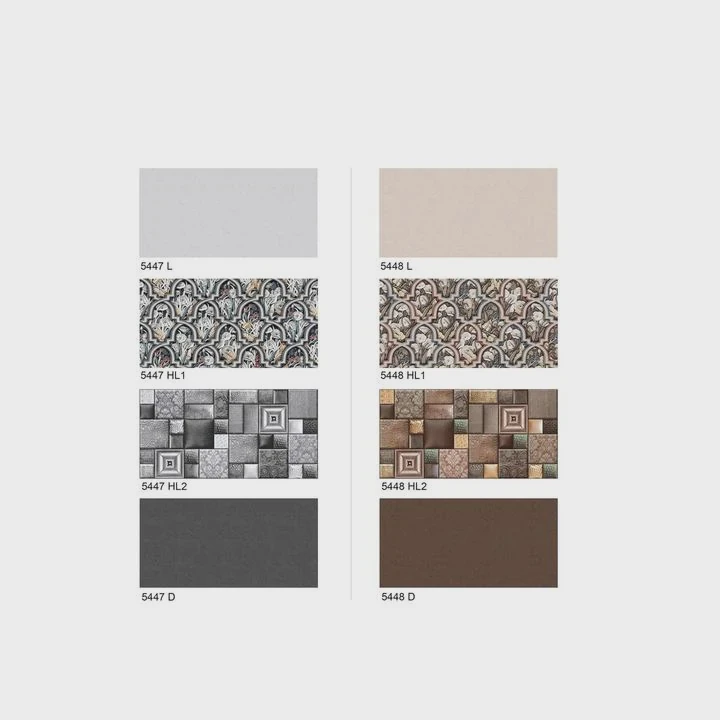
Not every tile is suitable for every project. Understanding where glazed ceramic tiles perform best helps maximize both beauty and functionality.
Glazed ceramic tiles are best suited for interior walls, residential floors, kitchens, bathrooms, backsplashes, and decorative spaces where appearance, moisture resistance, and easy maintenance are important.
The wide variety of designs available makes glazed ceramic tiles one of the most versatile building materials on the market.
Residential Bathroom Walls
Bathrooms remain one of the most common applications.
Benefits include:
- Moisture resistance
- Easy cleaning
- Decorative flexibility
- Long-lasting appearance
Many homeowners use glazed tiles throughout shower walls and vanity areas.
Kitchen Backsplashes
Kitchen backsplashes face frequent exposure to:
- Grease
- Food splashes
- Water
- Cleaning products
Glazed surfaces simplify maintenance and enhance design possibilities.
Interior Feature Walls
Decorative wall installations continue to grow in popularity.
Popular locations include:
- Living rooms
- Hotel lobbies
- Reception areas
- Retail spaces
Modern digital glazing technology allows highly realistic decorative effects.
Residential Flooring
Many glazed ceramic tiles are suitable for residential floor applications.
Common spaces include:
| Area | Suitability |
|---|---|
| Bathroom floor | Excellent |
| Kitchen floor | Excellent |
| Laundry room | Excellent |
| Living room | Good |
| Bedroom | Good |
Tile selection should consider wear ratings and slip resistance requirements.
Commercial Interiors
Many commercial projects use glazed ceramic tiles because they offer:
- Design flexibility
- Consistent appearance
- Easy maintenance
- Cost efficiency
Applications include:
- Offices
- Restaurants
- Retail stores
- Hospitality spaces
Decorative Design Projects
Glazed ceramic tiles support a wide range of design concepts.
Popular styles include:
- Marble-look interiors
- Wood-look walls
- Concrete-inspired spaces
- Luxury hotel aesthetics
Choosing the Right Size
Modern glazed ceramic tiles are available in many dimensions.
Popular sizes include:
- 300×600 mm
- 600×600 mm
- 600×1200 mm
- 750×1500 mm
- 900×1800 mm
Larger formats often create a more seamless appearance with fewer grout joints.
Matching Tile to Project Requirements
When selecting glazed ceramic tiles, consider:
- Traffic levels
- Moisture exposure
- Design objectives
- Maintenance expectations
A tile that performs well in a bathroom may not be ideal for a heavy-duty industrial environment.
Why Designers Prefer Glazed Tiles
Design professionals often choose glazed ceramic tiles because they combine:
- Aesthetic versatility
- Practical performance
- Wide product availability
- Competitive pricing
This balance allows designers to achieve attractive results while meeting functional requirements.
Conclusion
Glazed ceramic tile is a ceramic product coated with a durable glass-like layer that enhances appearance, stain resistance, moisture protection, and maintenance performance. Its manufacturing process allows countless colors, patterns, and finishes, making it an excellent choice for bathrooms, kitchens, floors, walls, and many decorative interior applications.