How to Install Peel and Stick Tile on Wall?
- Sinotiles
- 2026-06-06
Many homeowners choose peel and stick tiles because they seem simple to install. Yet poor preparation and rushed placement often lead to peeling edges, uneven lines, and disappointing results.
To install peel and stick tile on a wall, prepare a clean and smooth surface, plan the layout carefully, remove the backing gradually, and avoid common installation mistakes. Proper installation helps achieve a durable and professional-looking finish.
Peel and stick tiles offer a fast way to update kitchens, bathrooms, laundry rooms, and other interior spaces. While the process is easier than traditional tile installation, attention to detail remains important. Small mistakes during installation can affect both appearance and long-term performance.
What Surface Preparation Is Required First?
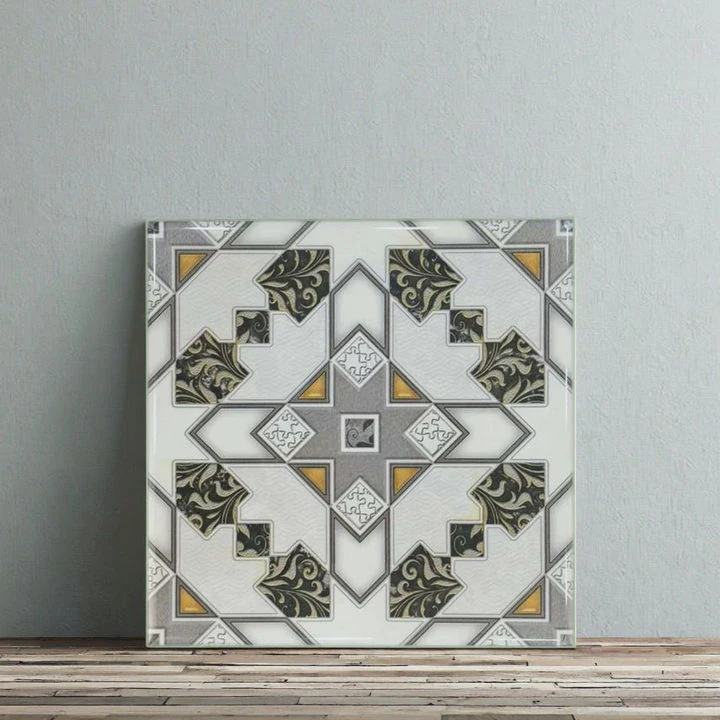
Many installation failures begin before the first tile is applied. Even the strongest adhesive cannot compensate for a poorly prepared wall.
Before installing peel and stick tile, the wall should be clean, dry, smooth, stable, and free from dust, grease, loose paint, and moisture. Proper preparation improves adhesion and extends the life of the installation.
Surface preparation is often the most important part of the entire project. A well-prepared wall allows the adhesive backing to bond properly and remain secure over time.
Inspect the Existing Wall
Start by evaluating the wall condition.
Common wall surfaces include:
| Wall Surface | Installation Suitability |
|---|---|
| Painted drywall | Usually suitable |
| Primed drywall | Usually suitable |
| Smooth cement board | Suitable |
| Existing ceramic tile | Often suitable if flat |
| Textured wall | May require smoothing |
| Damaged drywall | Repair first |
The wall should feel solid and stable without loose sections.
Clean Thoroughly
Many kitchen and bathroom walls collect invisible contaminants.
Common problems include:
- Cooking grease
- Soap residue
- Dust buildup
- Moisture stains
- Cleaning product residue
Wash the wall with a mild cleaner and allow it to dry completely before installation.
Remove Loose Paint
Peel and stick tile adheres only as well as the surface beneath it.
If paint is peeling or flaking:
- Scrape loose areas.
- Sand rough edges.
- Patch damaged sections.
- Repaint if necessary.
Applying tile over unstable paint often causes future failure.
Repair Surface Imperfections
Small wall defects may become more noticeable after tile installation.
Repair:
- Nail holes
- Dents
- Cracks
- Uneven patches
After repairs, sand the surface smooth.
Check for Moisture Issues
Moisture can weaken adhesive performance.
Inspect areas around:
- Sinks
- Showers
- Faucets
- Windows
Any moisture problem should be corrected before installation begins.
Measure the Installation Area
Accurate measurements help estimate material requirements and reduce waste.
Measure:
- Width
- Height
- Obstacle locations
- Outlet positions
Many installers order an additional 10% to cover cuts and future replacements.
Gather Essential Tools
Proper tools improve efficiency and accuracy.
| Tool | Purpose |
|---|---|
| Tape measure | Measurements |
| Level | Alignment |
| Utility knife | Tile cutting |
| Straightedge | Cutting guide |
| Pencil | Layout marking |
| Cleaning cloth | Surface cleaning |
Plan the Layout Before Starting
A dry layout helps identify potential challenges before adhesive is exposed.
This allows adjustment of:
- Starting position
- Tile cuts
- Edge finishes
- Pattern alignment
Good preparation creates the foundation for a clean and professional installation. Taking extra time at this stage often prevents problems later in the project.
How Can Alignment Be Maintained Easily?
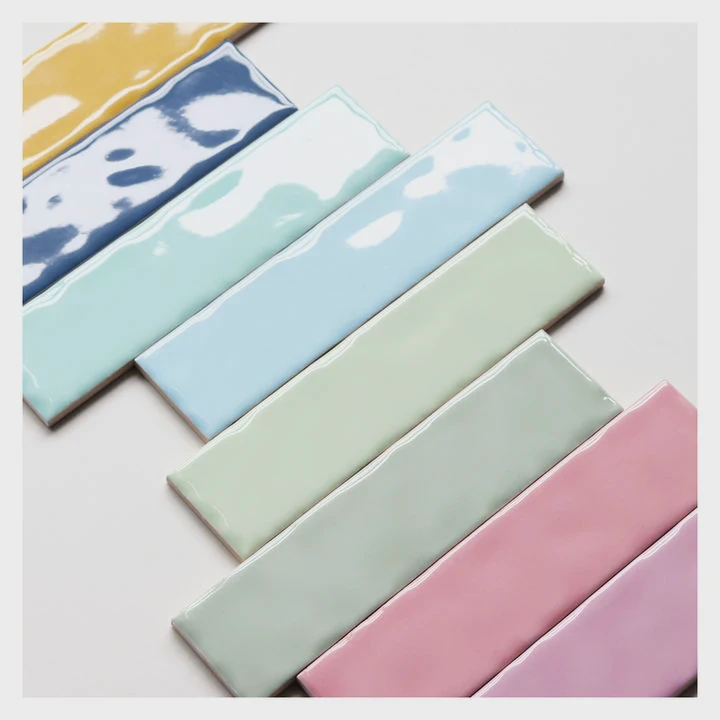
Even high-quality peel and stick tiles can look unprofessional if alignment drifts during installation. Small errors often become larger as additional rows are added.
Alignment can be maintained by establishing reference lines, starting from a planned location, checking each row frequently, and using a level throughout the installation process.
Straight lines create a polished appearance. Crooked lines immediately draw attention and can diminish the overall result.
Establish a Reference Line
Before installing any tiles, create a level guide.
This line becomes the foundation for the entire layout.
Many installers use:
- Spirit levels
- Laser levels
- Chalk lines
A reliable reference helps prevent gradual shifting.
Start from a Visible Area
The starting point affects the appearance of the completed wall.
Common starting locations include:
- Center of the backsplash
- Center of a feature wall
- Area above a countertop
Starting in a prominent location often creates more balanced tile cuts at the edges.
Dry Fit Several Tiles
Before removing any backing, place several tiles against the wall temporarily.
This helps evaluate:
- Pattern appearance
- Alignment
- Joint placement
- Edge cuts
Adjustments are much easier before installation begins.
Check Every Row
Do not assume alignment will remain accurate automatically.
After each row:
- Verify levelness
- Check vertical alignment
- Inspect joint consistency
- Correct deviations immediately
Small corrections prevent major problems later.
Use Existing Features Carefully
Countertops and cabinets may appear level but are not always perfectly straight.
Avoid relying solely on:
- Countertops
- Shelves
- Window frames
Instead, use independent level lines whenever possible.
Maintain Consistent Tile Positioning
Many peel and stick products include:
- Printed grout lines
- Interlocking edges
- Pattern matching features
Careful placement ensures a seamless appearance.
Alignment Strategy Comparison
| Method | Accuracy Level |
|---|---|
| Visual estimation | Low |
| Countertop reference only | Moderate |
| Spirit level | High |
| Laser level | Very high |
Correct Errors Early
When a tile becomes misaligned, address it immediately.
The longer installation continues, the harder corrections become.
Common signs include:
- Uneven grout lines
- Visible gaps
- Pattern mismatch
- Sloping rows
Focus on the Overall Pattern
Alignment involves more than individual tiles.
The entire wall should maintain:
- Straight horizontal lines
- Straight vertical lines
- Consistent spacing
- Balanced appearance
Careful monitoring throughout installation helps create a finished wall that looks professional and visually appealing.
Why Should Backing Be Removed Gradually?
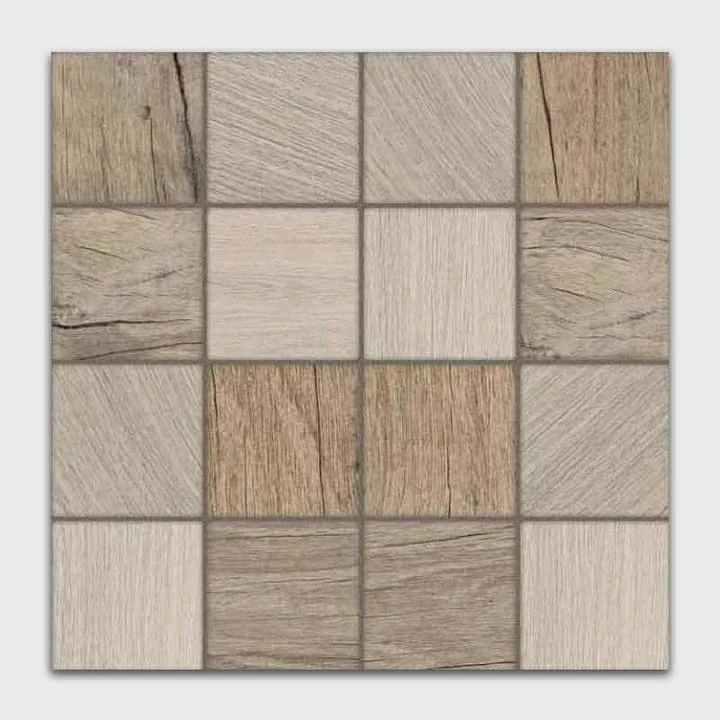
Many first-time installers remove the entire backing sheet before positioning the tile. This often creates alignment problems and adhesive contamination.
Backing should be removed gradually because it allows better positioning, reduces installation errors, prevents accidental sticking, and improves overall control during placement.
Peel and stick products use pressure-sensitive adhesives. Once contact occurs, repositioning may become difficult.
Better Placement Control
Gradual removal allows installers to align the tile before exposing the entire adhesive surface.
A common method is:
- Peel a small section.
- Position the tile.
- Confirm alignment.
- Remove additional backing gradually.
This process improves accuracy.
Reduce Accidental Adhesion
Fully exposed adhesive can stick unintentionally to:
- Adjacent tiles
- Countertops
- Fingers
- Clothing
Gradual removal minimizes these risks.
Prevent Dust Contamination
Adhesive attracts airborne particles quickly.
Dust contamination may reduce bonding performance.
Keeping most of the adhesive covered until needed helps preserve adhesive strength.
Improve Alignment Accuracy
A partially exposed tile remains easier to adjust.
Benefits include:
- Better positioning
- Easier corrections
- Reduced waste
- Faster installation
Useful Installation Sequence
Step 1
Peel several inches of backing.
Step 2
Align the tile carefully.
Step 3
Press the exposed section into place.
Step 4
Slowly remove the remaining backing while smoothing the tile.
This sequence helps maintain control throughout the process.
Minimize Air Bubbles
Air bubbles can occur when large adhesive areas contact the wall suddenly.
Gradual installation allows air to escape naturally.
This often produces:
- Better adhesion
- Smoother appearance
- Fewer visible defects
Protect Pattern Alignment
Decorative peel and stick tiles frequently feature:
- Stone visuals
- Marble effects
- Mosaic designs
- Geometric patterns
Gradual backing removal makes pattern matching easier and more precise.
Common Installer Experience
Many installation problems occur because people attempt to work too quickly. Removing the backing all at once may save a few seconds, but it often creates alignment issues that require far more time to correct.
A controlled approach helps produce cleaner results and reduces frustration throughout the project.
Which Mistakes Should Be Avoided During Installation?
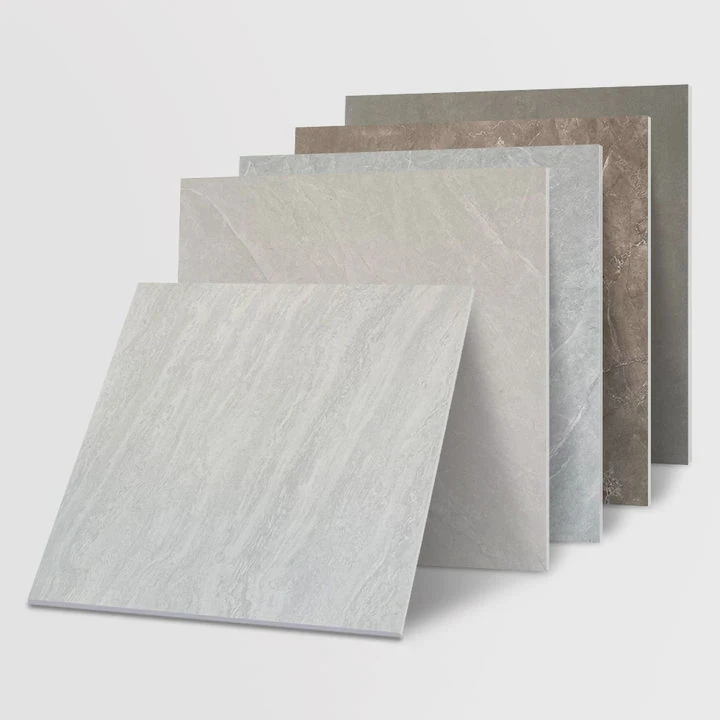
Peel and stick tiles are designed for simplicity, but mistakes can still affect durability and appearance. Understanding common errors helps avoid costly rework.
The most common installation mistakes include poor surface preparation, inaccurate measurements, rushed alignment, improper cutting, insufficient pressure, and ignoring manufacturer instructions.
Many problems become visible only after installation is complete. Prevention is easier than repair.
Installing on Dirty Walls
This is one of the most common causes of adhesive failure.
Dust and grease reduce bonding strength significantly.
Always clean thoroughly before installation.
Skipping Layout Planning
Without a layout plan, installers often encounter:
- Uneven edge cuts
- Poor pattern balance
- Misaligned focal areas
Planning improves both appearance and efficiency.
Ignoring Surface Flatness
Peel and stick tiles perform best on smooth surfaces.
Problems occur when installed over:
- Deep textures
- Raised imperfections
- Uneven patches
Surface correction should occur before installation.
Cutting Without Measuring Twice
Incorrect cuts lead to wasted material.
A simple habit helps prevent mistakes:
- Measure
- Verify
- Measure again
- Cut once
This approach reduces unnecessary waste.
Applying Insufficient Pressure
Pressure activates many peel and stick adhesives.
After placement:
- Press firmly
- Smooth outward
- Focus on edges
- Check corners carefully
Insufficient pressure may allow edges to lift later.
Working Too Quickly
Rushing often causes:
| Mistake | Potential Result |
|---|---|
| Crooked rows | Poor appearance |
| Pattern mismatch | Visual inconsistency |
| Air bubbles | Uneven surface |
| Wasted material | Higher project cost |
Slow, careful installation usually produces better results.
Ignoring Temperature Conditions
Extreme temperatures can affect adhesive performance.
Avoid installation when surfaces are:
- Excessively cold
- Extremely hot
- Damp from condensation
Moderate room conditions typically produce the best results.
Failing to Check Alignment Regularly
Many installers focus on individual tiles and forget to monitor the overall layout.
Periodic checks help maintain:
- Straight rows
- Consistent joints
- Pattern continuity
Neglecting Manufacturer Instructions
Different products may have unique requirements regarding:
- Surface preparation
- Installation temperature
- Cleaning procedures
- Curing recommendations
Following manufacturer guidelines improves long-term performance.
Expecting Instant Perfection
Even experienced installers occasionally make adjustments during the process.
Successful projects depend on:
- Patience
- Careful planning
- Consistent alignment checks
- Attention to detail
When installers avoid common mistakes and follow proper procedures, peel and stick tiles can provide an attractive and cost-effective wall upgrade that remains beautiful for years.
Conclusion
Installing peel and stick tile on a wall starts with thorough surface preparation and careful layout planning. Maintaining alignment, removing backing gradually, and avoiding common installation mistakes all contribute to a professional-looking finish. With patience and attention to detail, peel and stick tiles can transform a space quickly and effectively.