Which Is Better Ceramic or Porcelain Floor Tile?
- Sinotiles
- 2026-06-06
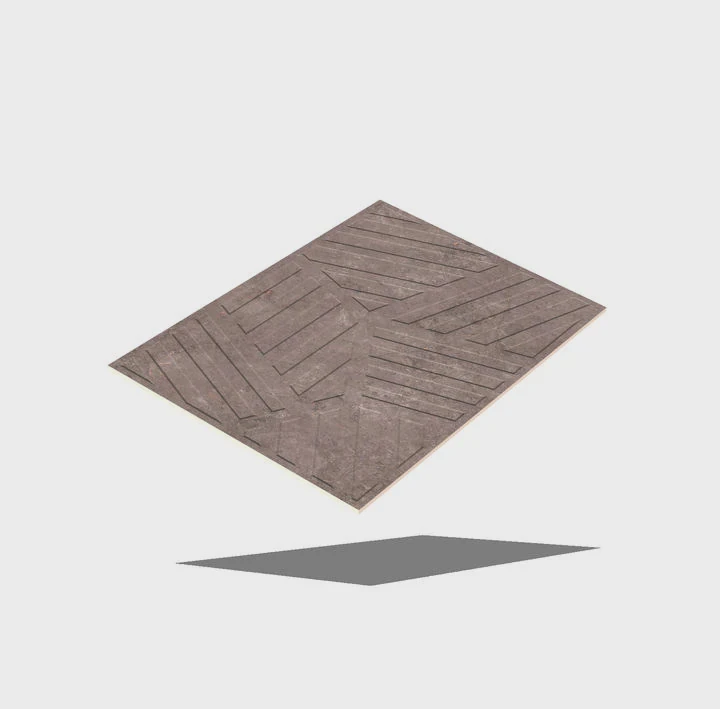
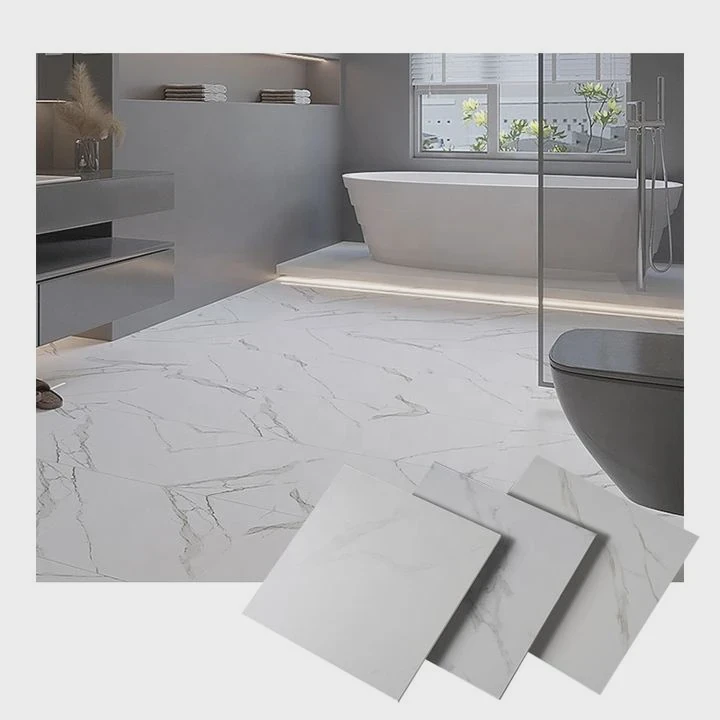
Choosing between ceramic and porcelain floor tile can be confusing. Both materials look similar at first glance, yet their performance can vary significantly depending on the application.
Porcelain tile is generally stronger, denser, and more water-resistant than ceramic tile, while ceramic tile is often more affordable and easier to cut. The better choice depends on traffic levels, moisture exposure, budget, and project requirements.
Many buyers focus only on appearance when selecting floor tiles. However, understanding the differences between ceramic and porcelain helps ensure the flooring performs well for years after installation.
What Factors Determine Tile Performance Differences?
Many people assume porcelain and ceramic tiles are almost identical because both belong to the ceramic tile family. While this is partly true, important manufacturing differences create distinct performance characteristics.
Tile performance differences are mainly determined by raw materials, manufacturing methods, density, water absorption, firing temperatures, and surface characteristics.
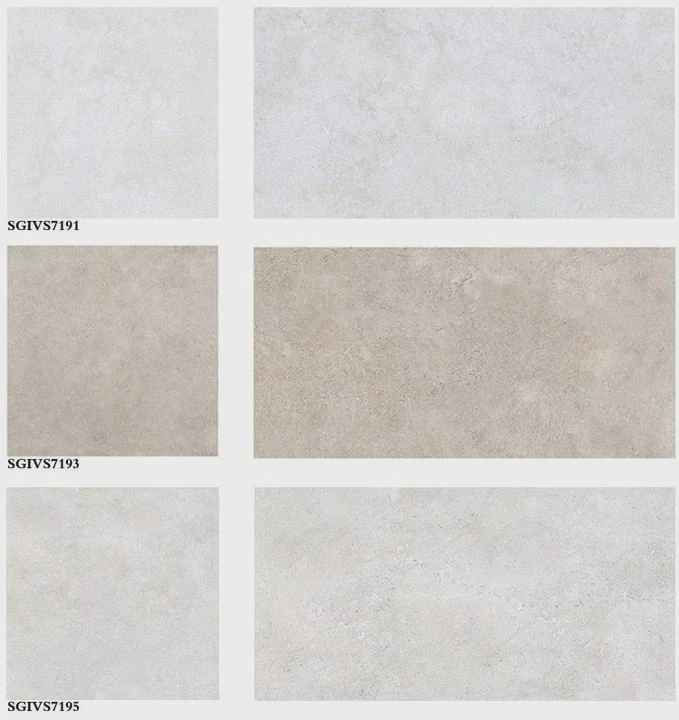
The way a tile is produced directly affects how it performs in real-world environments.
Raw Material Composition
Both ceramic and porcelain tiles are made from natural materials.
Common ingredients include:
- Clay
- Sand
- Feldspar
- Mineral additives
However, porcelain typically uses more refined clay and finer raw materials.
This creates a denser final product.
Manufacturing Process
The production process influences strength and durability.
Porcelain tiles are generally:
- Pressed under higher pressure
- Fired at higher temperatures
- Manufactured with tighter quality controls
Ceramic tiles are also fired at high temperatures, but usually not to the same level as porcelain.
Density Differences
Density is one of the most important distinctions.
A denser tile often provides:
- Higher strength
- Better impact resistance
- Lower water absorption
- Improved durability
Porcelain’s greater density contributes to many of its performance advantages.
Water Absorption Rate
Water absorption affects where a tile can be installed.
| Tile Type | Typical Water Absorption |
|---|---|
| Porcelain | Very low |
| Ceramic | Higher than porcelain |
Lower absorption improves resistance to moisture-related problems.
Surface Characteristics
Both ceramic and porcelain tiles can be:
- Glossy
- Matte
- Textured
- Polished
However, surface appearance alone does not determine performance.
The body of the tile often plays a greater role.
Thickness and Strength
Many buyers assume thicker tiles are always stronger.
In reality, material density often matters more than thickness.
A dense porcelain tile may outperform a thicker ceramic tile in demanding conditions.
Manufacturing Consistency
Advanced production technology helps improve:
- Dimensional accuracy
- Surface quality
- Color consistency
- Mechanical strength
Higher-quality products generally demonstrate better consistency regardless of tile type.
Performance Comparison
| Performance Factor | Ceramic Tile | Porcelain Tile |
|---|---|---|
| Density | Moderate | High |
| Water resistance | Good | Excellent |
| Impact resistance | Good | Excellent |
| Ease of cutting | Easier | More difficult |
| Cost | Lower | Higher |
Why These Differences Matter
The manufacturing process affects how the tile behaves throughout its service life.
Understanding these factors helps buyers evaluate:
- Long-term durability
- Maintenance needs
- Installation requirements
- Overall value
A tile should be selected based on the environment where it will be used rather than appearance alone.
How Does Durability Compare Between Both Types?
Durability is often one of the first concerns when selecting floor tile. Floors experience daily wear, and the chosen material must withstand years of use.
Porcelain tile generally offers greater durability than ceramic tile because of its higher density, lower porosity, and stronger structure. However, both materials can provide long service life when used appropriately.
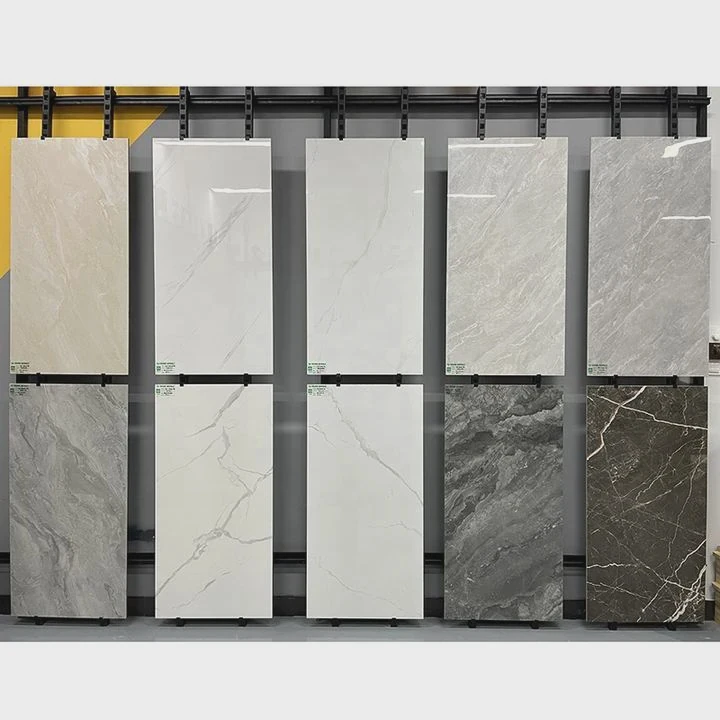
Durability depends on more than strength alone. Several factors contribute to overall performance.
Resistance to Wear
Floor tiles experience constant abrasion from:
- Foot traffic
- Dirt particles
- Furniture movement
- Cleaning activities
Porcelain typically performs better in high-wear environments because of its dense composition.
Impact Resistance
Accidental impacts occur in both homes and commercial spaces.
Examples include:
- Dropped cookware
- Furniture movement
- Heavy equipment
Porcelain generally offers greater resistance to cracking from impact.
Moisture Durability
Water exposure affects many flooring materials.
Porcelain’s extremely low water absorption provides advantages in:
- Bathrooms
- Laundry rooms
- Entryways
- Commercial wet areas
Ceramic also performs well in many indoor environments but is usually less resistant to prolonged moisture exposure.
Surface Wear Ratings
Tile manufacturers often classify products according to wear resistance.
These ratings help determine suitable applications.
Higher ratings indicate better suitability for demanding floor environments.
Long-Term Appearance
A durable floor should maintain its appearance over time.
Factors affecting appearance include:
- Scratches
- Staining
- Surface wear
- Color fading
Both ceramic and porcelain can perform well, but porcelain often maintains its appearance longer under heavy use.
Resistance to Temperature Changes
Temperature fluctuations can create stress on flooring materials.
Porcelain’s dense structure often handles temperature variation more effectively.
This is one reason it is frequently selected for challenging environments.
Maintenance and Durability
Proper maintenance influences service life.
Recommended practices include:
- Regular sweeping
- Prompt spill cleanup
- Appropriate cleaning products
- Protective furniture pads
Good maintenance helps maximize the lifespan of either material.
Durability Comparison Table
| Durability Factor | Ceramic | Porcelain |
|---|---|---|
| Wear resistance | Good | Excellent |
| Impact resistance | Good | Excellent |
| Water resistance | Good | Excellent |
| Scratch resistance | Good | Very good |
| Service life | Long | Very long |
Real-World Performance
In many residential applications, ceramic tile provides sufficient durability for decades.
Porcelain becomes particularly valuable when floors experience:
- Heavy traffic
- Frequent moisture
- Commercial use
- Increased wear demands
The most durable option is not always necessary. The key is selecting a tile whose durability matches the expected conditions.
Why Is Porcelain Often Chosen for Heavy Traffic?
Walk through an airport, shopping center, hotel lobby, or busy commercial building, and porcelain tiles frequently appear underfoot. There is a reason for this preference.
Porcelain is often chosen for heavy traffic because its dense structure, high strength, low water absorption, and superior wear resistance help it withstand demanding environments for many years.
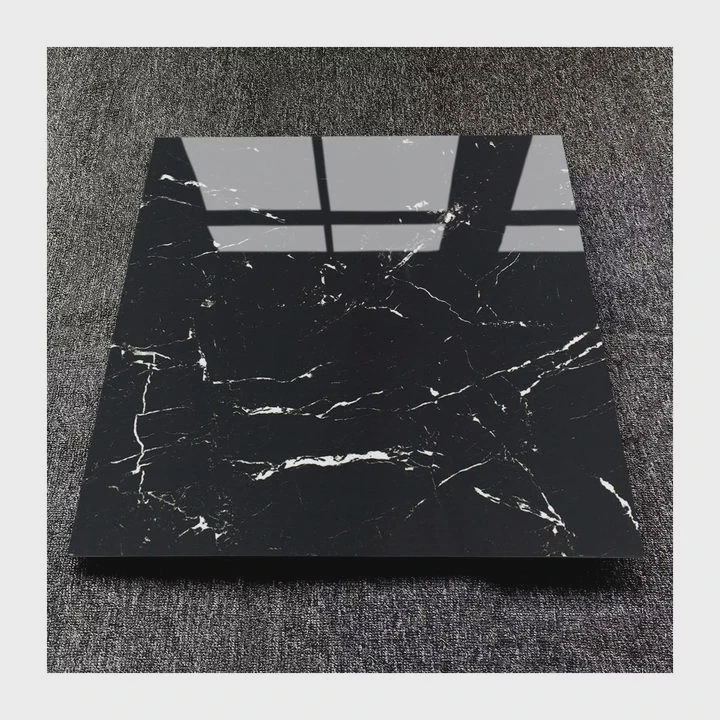
Heavy traffic environments place unique demands on flooring materials.
Higher Density Provides Strength
Porcelain’s dense body helps resist:
- Surface wear
- Impact damage
- Structural stress
This strength becomes especially valuable in areas with constant pedestrian activity.
Better Resistance to Abrasion
Every footstep introduces small abrasive particles.
Examples include:
- Sand
- Dirt
- Dust
- Debris
Over time, these particles can wear flooring surfaces.
Porcelain typically withstands abrasion more effectively than standard ceramic tile.
Reduced Moisture Absorption
Commercial buildings often face:
- Rainwater exposure
- Frequent cleaning
- Humidity fluctuations
Porcelain’s low absorption rate helps maintain performance in these conditions.
Consistent Appearance Under Use
A heavily trafficked floor should remain attractive.
Porcelain often provides:
- Better wear resistance
- Improved stain resistance
- Long-term appearance retention
These qualities reduce the need for frequent replacement.
Common Heavy-Traffic Locations
Porcelain tiles are widely used in:
| Location | Reason for Use |
|---|---|
| Shopping centers | High durability |
| Hotels | Long-term appearance |
| Airports | Heavy pedestrian traffic |
| Restaurants | Wear resistance |
| Office buildings | Low maintenance |
Cost Versus Lifespan
Porcelain often costs more initially.
However, many project managers focus on lifecycle cost rather than purchase price alone.
Benefits may include:
- Reduced maintenance
- Fewer replacements
- Longer service life
- Better long-term value
Modern Design Flexibility
Heavy-duty performance no longer requires sacrificing aesthetics.
Modern porcelain can replicate:
- Marble
- Stone
- Wood
- Concrete
This allows designers to combine durability with attractive visual effects.
Why Commercial Buyers Prefer Porcelain
Commercial projects often prioritize:
- Reliability
- Durability
- Maintenance efficiency
- Long-term investment value
Porcelain aligns well with these goals.
Is Porcelain Always Necessary?
Not necessarily.
Many residential environments do not experience the same traffic intensity as commercial spaces.
While porcelain offers excellent durability, ceramic may provide sufficient performance in less demanding applications.
The best choice depends on the expected level of use rather than simply selecting the strongest material available.
Which Option Suits Residential Versus Commercial Use?
The ideal flooring material varies depending on where it will be installed. A residential bathroom has very different requirements than a busy shopping mall.
Ceramic tile is often suitable for many residential applications, while porcelain tile is frequently preferred for commercial spaces and high-demand environments due to its superior durability and moisture resistance.
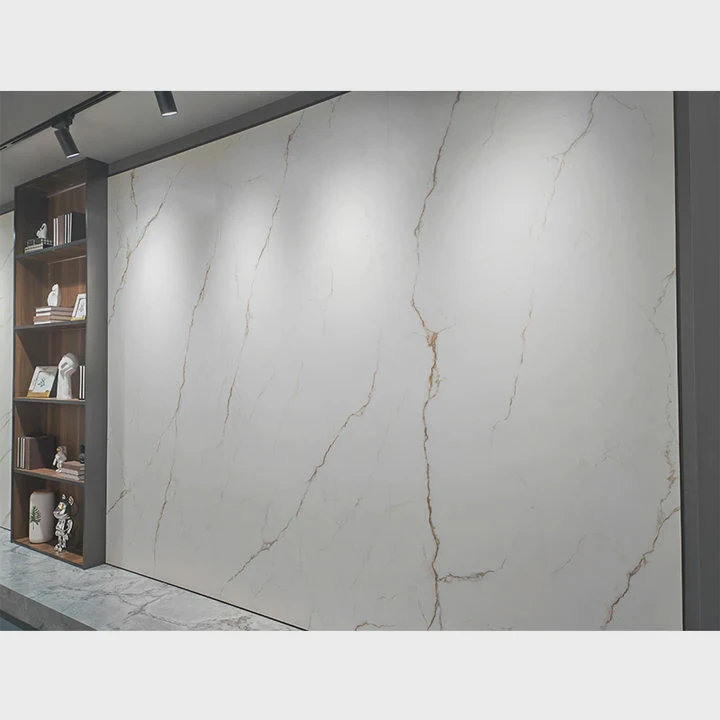
Selecting the right tile requires evaluating the specific environment rather than relying on general assumptions.
Residential Applications
Many homeowners choose ceramic tile because it offers:
- Attractive designs
- Affordable pricing
- Easy installation
- Good performance
Common residential uses include:
- Bedrooms
- Living rooms
- Guest bathrooms
- Decorative wall areas
Residential Areas Where Porcelain Excels
Porcelain is also popular in homes, particularly in:
- Main bathrooms
- Kitchens
- Entryways
- Laundry rooms
These areas often experience greater moisture exposure and traffic.
Commercial Requirements
Commercial environments typically demand:
- Higher durability
- Greater wear resistance
- Easier maintenance
- Longer service life
Porcelain often meets these requirements more effectively.
Traffic Level Comparison
| Environment | Recommended Option |
|---|---|
| Guest bedroom | Ceramic |
| Living room | Ceramic or porcelain |
| Bathroom | Porcelain preferred |
| Kitchen | Porcelain preferred |
| Retail store | Porcelain |
| Hotel lobby | Porcelain |
| Office building | Porcelain |
Budget Considerations
Budget often influences material selection.
Ceramic may offer:
- Lower material cost
- Reduced installation expense
- Easier cutting and handling
Porcelain may require:
- Higher initial investment
- Specialized cutting equipment
- More installation time
Design Goals
Both ceramic and porcelain provide extensive design options.
Available styles include:
- Marble-look tiles
- Stone-look tiles
- Wood-look tiles
- Contemporary concrete effects
Visual appearance alone is rarely enough to determine the best choice.
Long-Term Ownership Perspective
A useful question is:
How long is the floor expected to perform?
For long-term projects, buyers often prioritize:
- Durability
- Maintenance savings
- Performance stability
These factors frequently favor porcelain.
Matching the Tile to the Project
The best flooring solution depends on balancing:
- Traffic levels
- Moisture exposure
- Budget
- Design preferences
- Maintenance expectations
No single tile type is perfect for every project.
A Practical Selection Approach
For many residential spaces, ceramic tile provides excellent value and attractive performance.
For demanding residential areas and most commercial projects, porcelain often delivers superior durability and long-term reliability.
Choosing based on actual project needs usually produces the best results.
Conclusion
Ceramic and porcelain floor tiles both offer excellent flooring solutions, but porcelain generally provides greater durability, lower water absorption, and better performance in heavy-traffic environments. Ceramic remains a cost-effective option for many residential applications. The best choice depends on traffic levels, moisture exposure, budget, and long-term performance expectations.
- Pre: What Is Glazed Ceramic Tile?
- Next: Sorry!