How Long Before I Can Grout Tile?
- Sinotiles
- 2026-05-19
Fresh tile looks great on day one, but many people rush the next step. Grouting too early can ruin the bond and lead to loose or uneven tiles later.
Most tile installations need 24 to 48 hours before grouting. The exact waiting time depends on tile size, adhesive type, room temperature, humidity, and the surface below the tile. Waiting long enough helps the adhesive cure fully and keeps the tiles stable.
Many tile problems do not start with the grout itself. They start because the adhesive underneath did not have enough time to dry. A project may look finished at first, but weak bonding can show up months later through cracked grout, hollow sounds, or moving tiles. That is why proper curing time matters in every tile project, whether it is a bathroom wall, kitchen floor, or large commercial area.
What Factors Influence Tile Drying Time Before Grouting?
A tile floor may look dry on the surface after a few hours. Still, the adhesive under the tile often stays wet much longer. Many installers underestimate how much outside conditions affect curing time.
Tile drying time before grouting depends on humidity, temperature, tile size, adhesive thickness, airflow, and the type of substrate. Larger tiles and cooler environments usually require longer curing periods before grout can safely be applied.
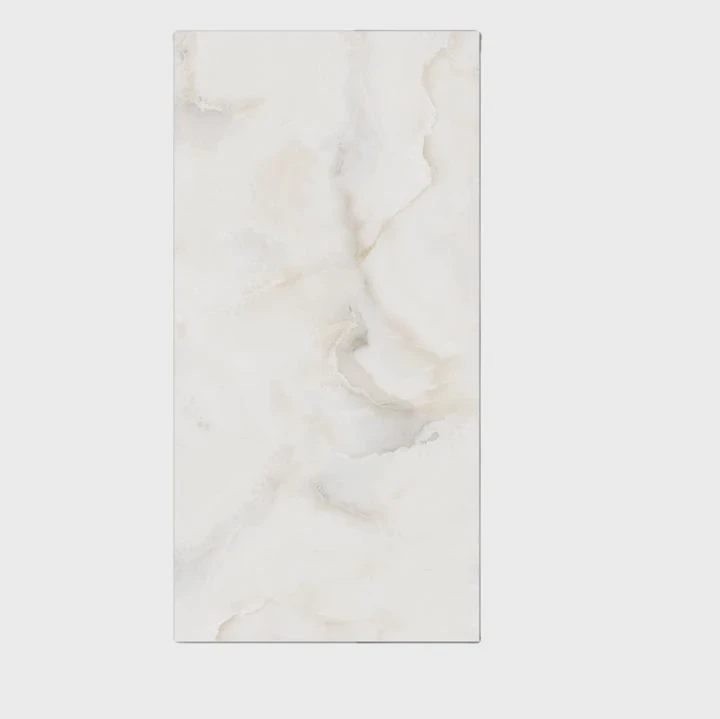
The biggest factor is usually moisture. Adhesive cures by losing moisture or through a chemical reaction. If the room has poor ventilation or high humidity, the process slows down. This often happens in bathrooms, basements, or rainy climates.
Room Temperature Matters
Most tile adhesives perform best between 50°F and 95°F. Cold conditions slow curing. Extremely hot weather can also create problems because the top layer dries too quickly while moisture remains trapped underneath.
Here is a simple breakdown:
| Condition | Effect on Drying Time |
|---|---|
| High humidity | Slower curing |
| Good airflow | Faster curing |
| Cold temperatures | Slower adhesive bonding |
| Large tiles | Longer cure time |
| Thick adhesive layer | Longer drying period |
Large-format porcelain tiles also change the timeline. Bigger tiles reduce airflow underneath the surface. This traps moisture longer than small ceramic tiles.
Tile Material Changes Drying Speed
Porcelain tile absorbs very little water. Ceramic tile absorbs slightly more. Natural stone varies a lot depending on the stone type. Low-absorption tiles often need extra curing time because moisture cannot escape easily through the tile body.
This becomes even more important in commercial projects. Large lobby floors, hotel walls, and shopping centers often use oversized porcelain slabs. These installations usually require careful curing schedules.
Subfloor Conditions Also Matter
Concrete, cement board, plywood, and old tile surfaces all behave differently. Concrete can hold moisture for a long time. Wood subfloors may shift slightly during curing. Uneven surfaces often require thicker adhesive beds, which increases drying time again.
Why Installers Often Wait Longer
Many professional installers prefer waiting 48 hours even if the adhesive label says 24 hours. This gives extra protection against future tile movement.
In large export projects, timing becomes even more critical. Delays in curing can affect the whole installation schedule. Experienced tile suppliers and contractors usually recommend following both the adhesive manufacturer’s instructions and local climate conditions instead of relying on a single fixed number.
Rushing the process may save one day now, but it can create repair costs later. A stable tile installation always starts with proper curing time.
How Does Adhesive Type Affect Curing Duration?
Not all tile adhesives dry at the same speed. Some cure within hours, while others need several days before grouting becomes safe.
Cement-based thin-set mortar usually needs 24 to 48 hours before grouting, while fast-setting adhesives may cure within a few hours. Epoxy and specialty adhesives often follow different curing schedules based on product chemistry.
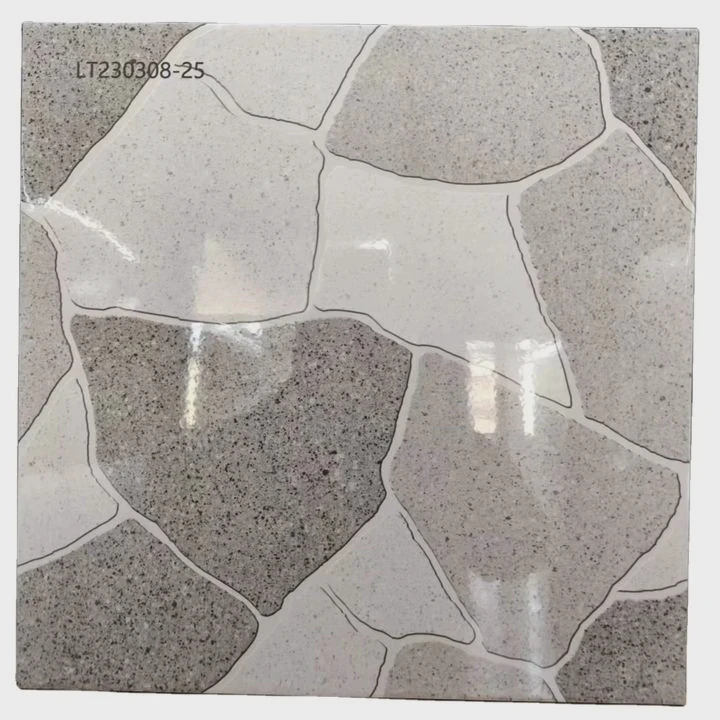
The adhesive type is one of the most important factors in every tile installation. Many tile failures happen because people use the correct tile but the wrong adhesive timing.
Common Tile Adhesive Types
Here is a simple comparison:
| Adhesive Type | Typical Grouting Time | Common Use |
|---|---|---|
| Standard thin-set mortar | 24-48 hours | Floors and walls |
| Fast-setting mortar | 3-6 hours | Quick projects |
| Premixed mastic | 24-72 hours | Dry interior walls |
| Epoxy adhesive | Varies by product | Heavy-duty areas |
Thin-set mortar is the most common choice for porcelain and ceramic tile. It creates strong bonding and works well in wet areas. Still, it usually needs at least one full day before grout application.
Fast-Setting Mortar Saves Time
Fast-setting products are popular in commercial projects and renovation work. Airports, hotels, and retail stores often use them because downtime must stay short.
These products cure quickly through chemical reactions. Some allow light foot traffic within a few hours. Even so, installers still need to follow exact mixing ratios and environmental guidelines.
Premixed Adhesives Dry Slowly
Premixed mastics may feel convenient, but they often dry slower than cement-based products. Since they dry mainly through evaporation, moisture can stay trapped behind large porcelain tiles for a long time.
This becomes risky in bathrooms and wet environments. Many professionals avoid mastics for flooring or large-format porcelain because curing becomes unpredictable.
Epoxy Systems Follow Different Rules
Epoxy adhesives behave differently from traditional mortar. They are highly resistant to chemicals and moisture, which makes them useful in industrial kitchens, laboratories, and swimming pools.
Still, epoxy curing schedules are strict. Temperature changes can strongly affect working time and hardening speed.
Manufacturer Instructions Always Matter
Every adhesive brand provides its own curing recommendations. One product may allow grouting after 12 hours, while another requires 48 hours under the same conditions.
Professional installers rarely guess. They check:
- Tile size
- Surface type
- Room temperature
- Humidity level
- Adhesive depth
- Manufacturer guidelines
A successful tile installation depends on the full system, not only the tile itself. Good adhesive selection and proper curing time protect both appearance and long-term durability.
Why Waiting Ensures Proper Tile Bonding?
Many people focus only on how the tile surface looks. The real strength of a tile installation, however, comes from what happens underneath during curing.
Waiting before grouting allows the adhesive to fully harden and create strong bonding between the tile and substrate. Proper curing prevents loose tiles, cracked grout, uneven surfaces, and long-term installation failure.
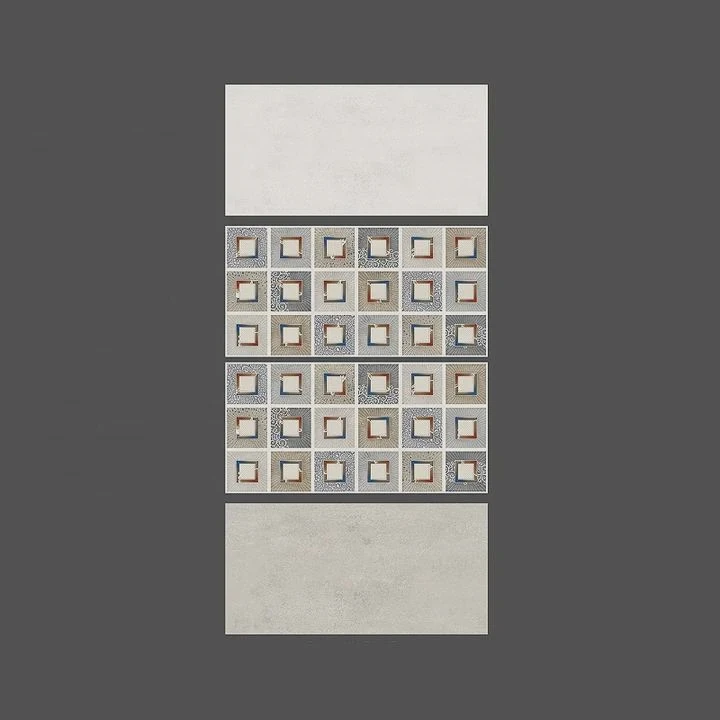
Tile adhesive needs time to develop full strength. During this stage, moisture leaves the mortar and chemical bonding takes place. If grout is added too early, the curing process can become interrupted.
Early Grouting Creates Pressure
Fresh grout pushes moisture into the joints and changes airflow around the tiles. Walking on the surface during grouting also adds movement before the adhesive fully stabilizes.
This can create several problems:
- Hollow-sounding tiles
- Tile lippage
- Weak adhesion
- Cracked grout joints
- Water penetration later
Some damage appears immediately. Other problems may take months before becoming visible.
Large Tiles Need More Stability
Modern design trends favor large-format porcelain tiles and slabs. These products are heavier and place more stress on the adhesive bed.
A small movement under a large tile can create uneven edges or bonding gaps. That is why many installers extend curing times for large tiles even beyond standard recommendations.
Moisture Trapped Below the Tile Causes Trouble
If moisture cannot escape properly, the adhesive may stay soft underneath. Grouting too early seals the joints and reduces airflow even more.
This issue often appears in:
- Bathroom floors
- Shower walls
- Outdoor tile areas
- Basement installations
- Commercial kitchens
Over time, trapped moisture can weaken bonding or create discoloration.
Strong Bonding Supports Long-Term Performance
Tile is expected to last many years. In hotels, shopping centers, and residential homes, the installation must survive heavy traffic, cleaning chemicals, and temperature changes.
Strong bonding helps prevent future repairs.
The Cost of Rushing Is Higher
Some installers try to speed up projects to meet deadlines. Still, replacing failed tile work costs far more than waiting an extra day.
Experienced contractors usually build curing time directly into their project schedules. This reduces callbacks and protects their reputation.
A stable tile installation is not only about product quality. It also depends on patience during installation. Proper waiting time allows the adhesive to reach its designed strength and keeps the entire tile system secure.
Which Signs Indicate Tiles Are Ready for Grout?
Waiting based only on the clock is not always enough. Good installers also check physical signs before starting grout work.
Tiles are usually ready for grout when the adhesive feels fully hardened, tiles no longer shift under pressure, joints appear dry, and the mortar color becomes lighter and consistent across the installation.
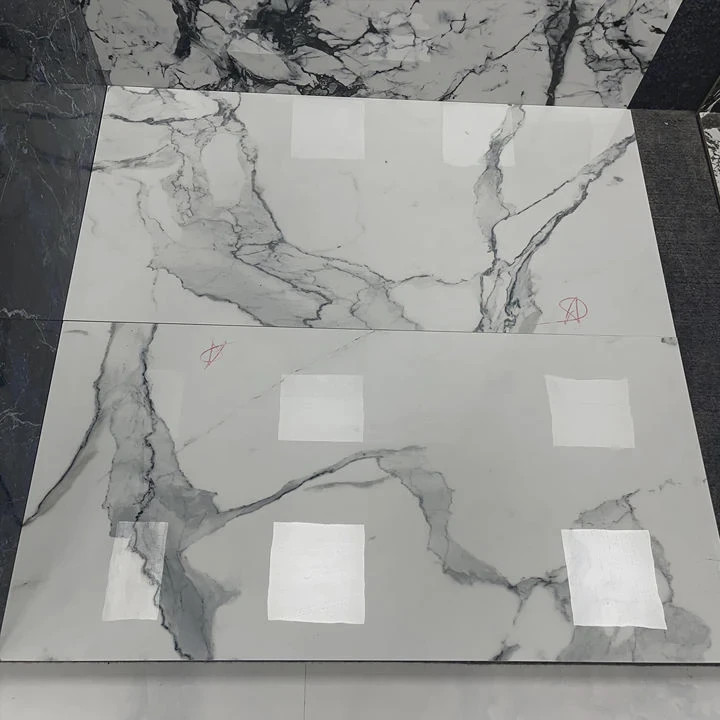
Different projects cure at different speeds. A warm, dry room may cure quickly, while a humid bathroom may need extra time.
Check Tile Movement First
One of the simplest tests is gentle pressure. Tiles should feel completely stable with no movement or rocking.
If a tile shifts slightly, the adhesive underneath is still too soft.
Observe Mortar Color
Cement-based mortar often changes color as it cures. Wet mortar usually appears darker. As drying continues, the color becomes lighter and more even.
This visual check helps installers identify areas that may still hold moisture.
Touch the Exposed Adhesive
In some areas, a small amount of exposed mortar may remain near the edge. Fully cured adhesive should feel hard and dry instead of soft or damp.
Installers should never grout over soft mortar.
Listen for Hollow Sounds
A gentle tap on the tile surface can reveal bonding problems. Hollow sounds may indicate poor adhesive transfer or incomplete bonding underneath.
This does not always mean failure, but it deserves inspection before grouting continues.
Environmental Conditions Still Matter
Even if tiles appear dry, high humidity can slow internal curing. Professional installers often extend waiting times during rainy seasons or in poorly ventilated spaces.
Here are common signs installers check:
| Ready for Grout | Not Ready for Grout |
|---|---|
| Tile feels solid | Tile shifts slightly |
| Mortar looks lighter | Mortar remains dark |
| Surface feels dry | Damp joints remain |
| Stable under foot traffic | Movement or flexing |
Patience Improves Final Appearance
Grout is often the final visual step in tile installation. If the base is unstable, grout lines may crack or discolor later.
A careful installer checks both time and physical conditions before moving forward. This extra attention helps the tile surface stay clean, level, and durable for many years.
Conclusion
Most tile projects require at least 24 to 48 hours before grouting, but real curing time depends on many factors. Proper waiting protects tile bonding, prevents future damage, and helps every installation perform better over the long term.