What Is the Best Tile for a Shower Floor?
- Sinotiles
- 2026-05-23
A shower floor may look beautiful on the first day, but the wrong tile can quickly become slippery, stained, or damaged in daily use. Many people focus only on appearance and forget safety.
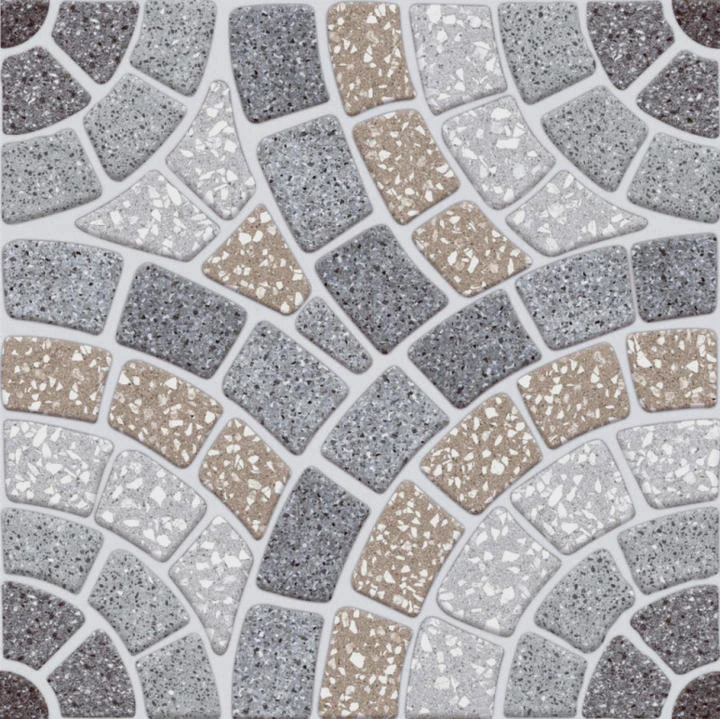
The best tile for a shower floor is usually textured porcelain mosaic tile because it offers strong slip resistance, low water absorption, durability, and easy maintenance in wet environments.
Shower floors face constant moisture, soap residue, temperature changes, and foot traffic. Because of this, the tile selection process matters much more than many people expect. Over the years, many contractors, distributors, and project buyers have asked which materials perform best in hotels, apartments, homes, and commercial bathrooms. In most cases, the best choice combines safety, durability, water resistance, and long-term maintenance performance.
Which Materials Provide Slip Resistance for Showers?
Many shower accidents happen because the floor surface becomes slippery after water and soap accumulate. Smooth glossy tiles may look attractive, but they can increase safety risks.
Porcelain mosaic tiles, textured ceramic tiles, natural stone mosaics, and matte-finish tiles are among the best materials for slip-resistant shower floors.
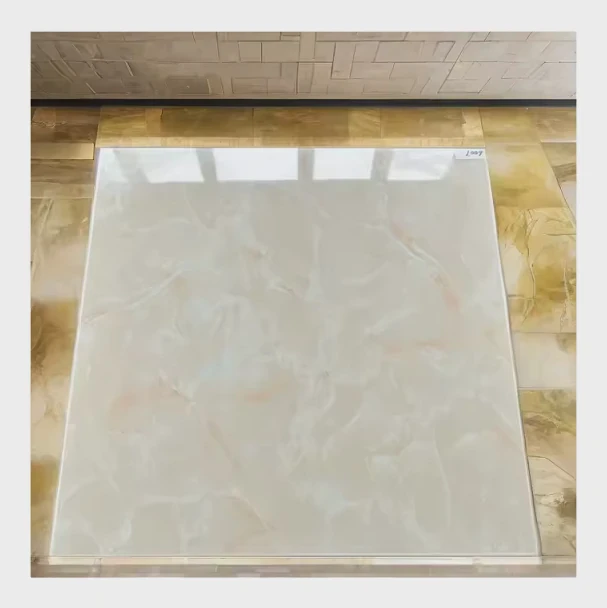
Slip resistance is one of the most important factors in shower floor design. Wet surfaces naturally reduce traction, so the tile texture and finish become very important.
Porcelain Tiles Are One of the Most Popular Choices
Porcelain tiles are widely used because they combine strength with low water absorption.
Benefits of Porcelain Shower Tiles
- Strong water resistance
- High durability
- Easy maintenance
- Wide design selection
- Good slip-resistant finishes available
Textured porcelain mosaics are especially common in modern bathrooms.
Mosaic Tiles Improve Grip
Small mosaic pieces create more grout joints across the floor.
Those grout lines help improve traction under wet conditions.
| Material Type | Slip Resistance Level | Common Use |
|---|---|---|
| Textured Porcelain Mosaic | High | Residential showers |
| Matte Ceramic Tile | Medium to High | Bathrooms |
| Natural Stone Mosaic | Medium | Luxury interiors |
| Glossy Ceramic Tile | Lower | Wall surfaces only |
| Pebble Stone Tile | High | Spa-style showers |
Many designers prefer mosaics because they combine safety with visual appeal.
Natural Stone Offers a Unique Look
Stone materials such as slate and pebble mosaics provide natural texture.
Common Natural Stone Shower Tiles
- Slate
- Pebble stone
- Travertine
- Marble mosaics
Yet some stones require more sealing and maintenance than porcelain.
Matte Finishes Are Safer Than Glossy Surfaces
Glossy tiles reflect light beautifully on walls, but they can become dangerous on shower floors.
Matte or textured finishes usually provide better grip.
Slip Ratings Matter
Many commercial projects check tile slip-resistance ratings before approval.
Important Safety Factors
- Surface texture
- Water absorption
- Coefficient of friction
- Tile finish type
Hotels and public facilities often follow stricter safety standards than residential spaces.
Outdoor Tiles Are Sometimes Used Indoors
Certain outdoor porcelain tiles provide excellent slip resistance because they are designed for wet environments.
One contractor working on a hotel spa project originally selected polished marble-look tiles for the shower floors. After testing the wet surface, the team changed to textured porcelain mosaics instead. The final result looked elegant while improving guest safety significantly.
That experience reflects a common lesson in bathroom design. Safety should never depend only on appearance.
How Does Tile Size Affect Shower Floor Safety?
Many people choose large-format tiles because they look modern and reduce grout lines. Yet large tiles can sometimes reduce traction on shower floors.
Smaller shower floor tiles improve safety because they create more grout lines, better drainage flexibility, and stronger slip resistance compared to large-format tiles.
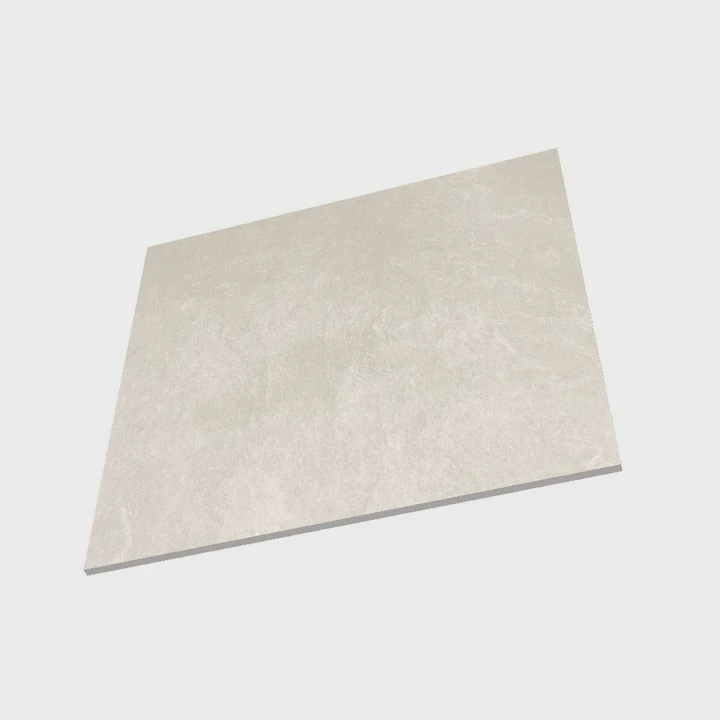
Tile size affects not only appearance but also comfort, drainage, and safety inside wet areas.
Small Tiles Create More Grip
Mosaic shower floors contain many grout joints.
Those joints improve foot traction naturally.
Advantages of Small Shower Tiles
- Better grip
- Improved floor flexibility
- Easier slope adjustment
- Reduced slipping risk
- Better water drainage
This is why many shower floors use 1-inch or 2-inch mosaics.
Large Tiles Can Be Harder to Slope Correctly
Shower floors require proper drainage toward the drain.
Large rigid tiles may create installation challenges on sloped surfaces.
Common Shower Tile Sizes
| Tile Size | Safety Performance | Common Application |
|---|---|---|
| 1”x1” Mosaic | Excellent | Shower floors |
| 2”x2” Mosaic | Very good | Residential bathrooms |
| 4”x4” Tile | Moderate | Older bathroom designs |
| Large Format Tile | Lower traction | Shower walls |
Smaller tiles usually adapt better to curved or sloped shower floors.
More Grout Lines Increase Stability
Many homeowners dislike grout maintenance. Yet grout joints actually help improve safety.
The additional texture helps feet grip the floor surface better.
Large Tiles Still Work in Some Designs
Some luxury projects use large-format textured porcelain with hidden linear drains.
Yet these installations require highly skilled workmanship.
Installation Quality Matters More With Large Tiles
Poorly sloped large tiles may create standing water areas.
Standing water increases both slipping risk and long-term maintenance issues.
Mosaic Tiles Also Improve Drainage
Small pieces conform more easily to floor slopes around drains.
This helps water flow more efficiently.
One apartment renovation project originally planned large marble-look porcelain slabs for both walls and floors. During installation review, the contractor noticed drainage problems near the shower center. The design later changed to matching mosaic floor tiles, which solved both safety and drainage concerns.
That adjustment improved the project without changing the overall bathroom style.
Why Choose Textured Tiles for Wet Areas?
Wet bathroom surfaces constantly face soap residue, moisture, and water exposure. Smooth surfaces may become slippery very quickly under these conditions.
Textured tiles are ideal for wet areas because they improve traction, reduce slipping risk, enhance safety, and maintain better grip even when water and soap are present.
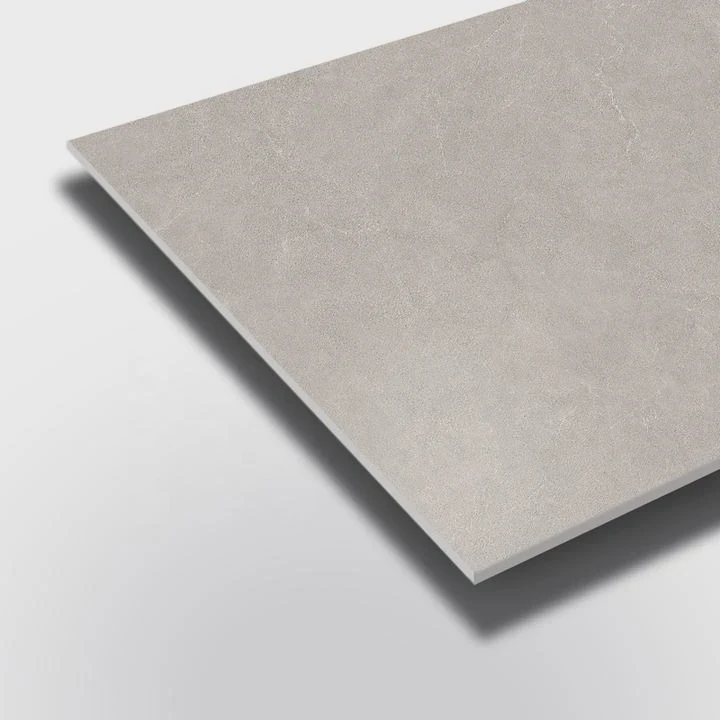
Texture plays a major role in shower floor performance. The surface finish directly affects how safely people can walk on wet floors.
Textured Surfaces Improve Friction
Rougher surfaces increase friction between the foot and tile.
This helps reduce accidental slipping.
Common Textured Tile Finishes
- Matte finish
- Structured porcelain
- Stone texture
- Grip finish
- Sandblasted surface
Each finish provides a different balance between comfort and traction.
Soap and Shampoo Increase Slipperiness
Even slightly smooth tiles may become dangerous once soap residue builds up.
Textured surfaces help maintain traction under these conditions.
Textured Tiles Work Well in Commercial Projects
Hotels, gyms, spas, and resorts often use anti-slip porcelain tiles in wet zones.
| Wet Area | Recommended Tile Surface |
|---|---|
| Residential Shower | Matte mosaic porcelain |
| Hotel Spa | Grip-finish porcelain |
| Pool Shower Area | Textured anti-slip tile |
| Gym Locker Room | Structured ceramic tile |
Commercial spaces often prioritize safety ratings carefully.
Texture Does Not Mean Rough Appearance
Modern manufacturing allows textured porcelain to still look elegant and refined.
Many marble-look and stone-look tiles now include hidden anti-slip textures.
Maintenance Is Also Important
Some heavily textured surfaces may trap more dirt or soap residue.
Many designers choose balanced textures that combine safety with easier cleaning.
Barefoot Comfort Matters Too
Shower floors should feel comfortable under bare feet.
Very rough surfaces may become uncomfortable for daily use.
Anti-Slip Technology Continues Improving
Many porcelain factories now develop special surface technologies that improve grip without making the tile visually rough.
One resort renovation project tested several shower floor finishes before final selection. The smooth polished option looked beautiful in dry conditions, but became slippery during water testing. The final textured porcelain option delivered a safer result while still matching the luxury design theme.
That process is now common in many hospitality projects where safety standards are strict.
What Factors Influence Shower Tile Durability?
Many shower floors look damaged after only a few years because the wrong material was selected. Constant moisture and cleaning chemicals place heavy stress on bathroom surfaces.
Shower tile durability depends on water absorption, surface strength, slip resistance, installation quality, grout condition, and long-term maintenance practices.
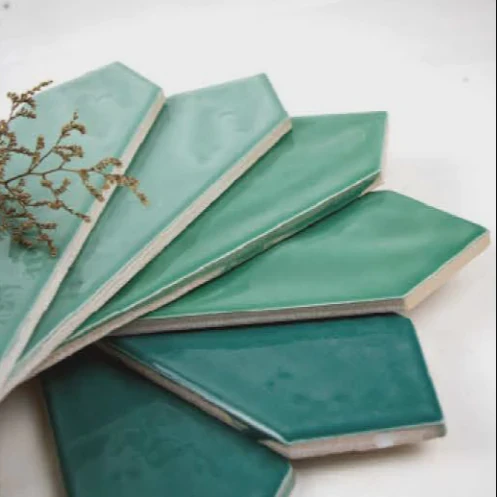
Durability is not only about hardness. A shower floor must also resist moisture, stains, temperature changes, and chemical exposure.
Porcelain Tiles Offer Excellent Durability
Porcelain remains one of the strongest shower floor materials available.
Why Porcelain Performs Well
- Low water absorption
- Strong wear resistance
- Good stain resistance
- High density structure
- Long service life
This is why porcelain dominates many modern bathroom projects.
Water Absorption Affects Long-Term Performance
Highly porous materials absorb moisture more easily.
Risks of High Water Absorption
- Mold growth
- Cracking risk
- Surface discoloration
- Structural weakening
Dense porcelain tiles minimize these problems.
Grout Quality Also Matters
Weak or poorly sealed grout can fail even if the tile remains strong.
Good Grout Maintenance Helps Prevent
- Water penetration
- Mold development
- Joint cracking
- Tile loosening
Epoxy grout is often used in commercial wet areas because of its stronger moisture resistance.
Proper Installation Extends Tile Life
Even the best tile may fail under poor installation conditions.
| Installation Factor | Impact on Durability |
|---|---|
| Waterproof membrane | Prevents moisture damage |
| Correct slope | Improves drainage |
| Strong adhesive | Reduces tile movement |
| Expansion joints | Prevents cracking |
| Quality grout sealing | Reduces water penetration |
Installation quality strongly affects long-term shower performance.
Cleaning Products Influence Lifespan
Harsh acidic cleaners may damage grout and some natural stone surfaces.
Neutral cleaners are usually safer for long-term maintenance.
Daily Usage Levels Matter
Commercial showers experience much heavier use than residential bathrooms.
Hotels, gyms, and spas often require stronger maintenance schedules and higher-performance materials.
Long-Term Planning Saves Money
One property developer initially selected lower-cost ceramic tiles for several apartment showers. After repeated maintenance complaints related to staining and cracking, later projects switched to textured porcelain mosaics with improved waterproofing systems. The long-term maintenance costs dropped noticeably afterward.
That experience reflects an important reality in bathroom construction. Choosing durable materials early often reduces future repair costs significantly.
Conclusion
The best shower floor tile combines slip resistance, durability, water resistance, and comfortable texture. Textured porcelain mosaics remain one of the safest and most reliable choices for both residential and commercial wet areas.