How to Tile Shower Floor?
- Sinotiles
- 2026-06-26
A poorly tiled shower floor can lead to water pooling, leaks, mold growth, and expensive repairs. Many homeowners and contractors focus on tile appearance while overlooking the foundation beneath it.
To tile a shower floor successfully, prepare a solid and level substrate, create the correct slope toward the drain, install a waterproof membrane, and choose a tile layout that balances drainage, safety, and appearance.
A shower floor is one of the most demanding tiled surfaces in any building. It faces constant water exposure, temperature changes, and daily foot traffic. Understanding preparation, drainage slope, waterproofing, and layout design helps create a shower floor that performs well and looks attractive for years.
What Preparation Is Needed for Shower Floor Tiling?
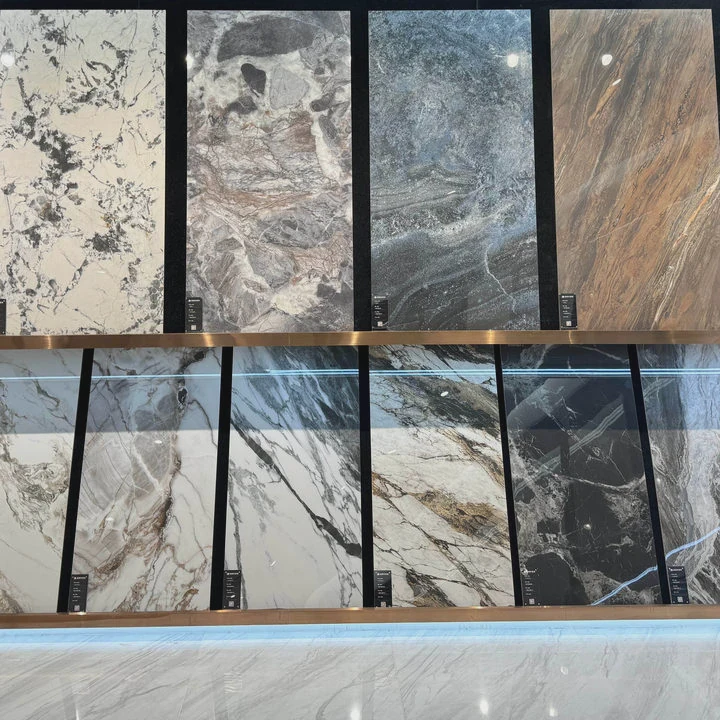
Many shower floor failures begin long before the first tile is installed. Skipping preparation steps often results in cracked grout, loose tiles, water damage, and drainage problems.
Proper shower floor preparation includes inspecting the substrate, building a stable shower base, ensuring structural support, installing drainage components, and creating a clean surface ready for waterproofing and tile installation.
The preparation stage forms the foundation of the entire project. No tile or grout can compensate for a poorly prepared shower floor.
Inspect the Subfloor
The first step is evaluating the existing subfloor.
The subfloor should be:
- Structurally sound
- Dry
- Clean
- Free from movement
- Capable of supporting tile loads
Any damaged areas should be repaired before continuing.
Verify Structural Strength
Tile and mortar add significant weight.
The floor structure should be checked for:
- Excessive deflection
- Loose framing
- Water damage
- Rotting wood
A stable structure helps prevent cracked tiles and grout joints later.
Install the Shower Drain
The drain location affects almost every part of the installation.
Common drain types include:
- Center drains
- Linear drains
- Offset drains
The drain should be securely installed and positioned according to the shower design.
Create the Shower Base
Most shower floors require a mortar bed or shower pan system.
The base serves several purposes:
- Supports the tile
- Directs water to the drain
- Provides stability
- Protects against movement
Clean the Surface Thoroughly
Before waterproofing begins, remove:
- Dust
- Debris
- Loose particles
- Oil residue
A clean surface improves membrane adhesion.
Check Measurements Carefully
Accurate measurements help avoid installation problems.
Verify:
- Drain location
- Shower dimensions
- Tile sizes
- Expansion requirements
Preparation Checklist
| Preparation Step | Purpose |
|---|---|
| Inspect Subfloor | Ensure structural stability |
| Repair Damage | Prevent future failures |
| Install Drain | Establish water collection point |
| Build Shower Base | Create support and slope |
| Clean Surface | Improve adhesion |
| Verify Dimensions | Ensure accurate tile layout |
Common Preparation Mistakes
Several mistakes appear repeatedly in shower projects.
Ignoring Subfloor Movement
Even slight movement can cause tile failure over time.
Poor Drain Placement
An incorrectly positioned drain makes slope creation difficult.
Inadequate Surface Cleaning
Dust and debris reduce bonding strength.
Rushing the Process
Many installers try to save time during preparation. In reality, careful preparation often saves money and labor later.
A properly prepared shower floor creates the conditions needed for long-lasting tile performance and reliable waterproofing.
How Can Slope Ensure Proper Water Drainage?
Water that remains on a shower floor can create safety hazards and moisture problems. The slope is the feature that allows the entire system to function correctly.
A properly sloped shower floor directs water toward the drain using gravity, preventing standing water, reducing slip risks, and protecting the shower structure from moisture damage.
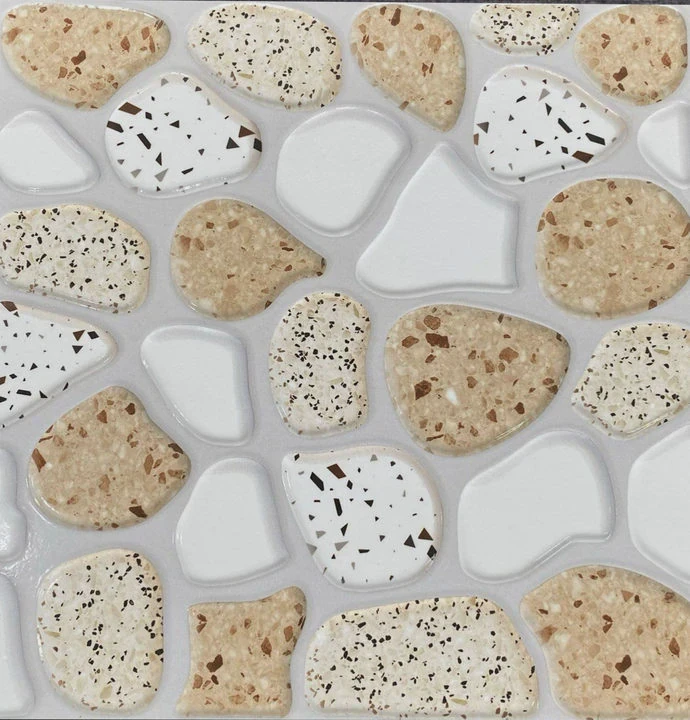
Many shower floor issues result from incorrect slope rather than defective tiles or grout.
Why Slope Matters
Every shower generates large amounts of water.
Without adequate slope:
- Water pools on the floor
- Soap residue accumulates
- Mold growth increases
- Cleaning becomes difficult
- Waterproofing systems experience greater stress
Slope helps move water away efficiently.
Standard Shower Floor Slope
Most building practices recommend approximately:
- 1⁄4 inch fall per foot
- About 2% slope
This amount typically provides effective drainage while maintaining comfort underfoot.
How Water Moves Across the Floor
Gravity performs most of the work.
Water naturally travels:
- Across tile surfaces
- Toward the low point
- Into the drain opening
The floor must provide a continuous path without flat areas.
Slope Design Based on Drain Type
Different drains require different slope strategies.
Center Drain
The floor slopes from all sides toward the center.
This is the most traditional approach.
Linear Drain
The floor often slopes in a single direction.
Benefits include:
- Simpler tile installation
- Larger tile compatibility
- Modern appearance
Offset Drain
The floor may require customized slope geometry.
Careful planning becomes essential.
Detecting Improper Slope
Several signs indicate drainage problems.
Standing Water
Puddles remain after shower use.
Slow Drainage
Water takes excessive time to reach the drain.
Uneven Tile Surface
High and low spots interrupt water flow.
Best Practices for Creating Slope
Professional installers often use:
- Mortar beds
- Pre-sloped shower pans
- Laser levels
- Screed guides
These methods improve accuracy.
Slope Comparison
| Condition | Result |
|---|---|
| Proper Slope | Efficient drainage |
| Insufficient Slope | Water pooling |
| Excessive Slope | Uncomfortable surface |
| Uneven Slope | Localized puddles |
Long-Term Benefits of Proper Drainage
Correct slope helps:
- Extend tile lifespan
- Reduce mold risk
- Improve hygiene
- Minimize maintenance
- Protect waterproofing layers
Because water management is the primary function of a shower floor, slope remains one of the most important design elements in the entire installation.
Why Use Waterproof Membranes Under Tiles?
Many people assume tile and grout are completely waterproof. In reality, moisture can penetrate through grout joints and reach the substrate beneath.
Waterproof membranes create a protective barrier beneath shower floor tiles, preventing moisture from reaching the structure and significantly reducing the risk of leaks, mold, and water damage.
Waterproofing is one of the most critical steps in modern shower construction.
Understanding Water Penetration
Tile surfaces resist water well, but they are not a complete waterproof system.
Moisture can travel through:
- Grout joints
- Small cracks
- Expansion gaps
- Tile edges
Without a membrane, this moisture may reach the underlying structure.
Functions of Waterproof Membranes
A membrane serves several important roles.
Leak Prevention
The membrane blocks water before it reaches framing or subfloor materials.
Mold Control
Reducing trapped moisture lowers the risk of mold growth.
Structural Protection
Wood framing and sheathing remain protected from water damage.
Extended System Life
The entire shower assembly often lasts longer when waterproofing is installed correctly.
Common Waterproof Membrane Types
Several membrane systems are used in modern construction.
Sheet Membranes
These factory-made sheets are installed over the shower base.
Advantages include:
- Consistent thickness
- Reliable waterproofing
- Predictable performance
Liquid-Applied Membranes
These products are rolled, brushed, or sprayed onto the surface.
Advantages include:
- Flexible application
- Seamless coverage
- Good adaptation to complex shapes
Critical Waterproofing Areas
Waterproofing should address more than just the floor.
Important areas include:
- Shower floor
- Drain connection
- Corners
- Wall-to-floor transitions
- Curbs
- Penetrations
Waterproofing System Components
| Component | Function |
|---|---|
| Membrane | Blocks moisture |
| Drain Assembly | Directs water flow |
| Seams | Maintain continuity |
| Corner Reinforcement | Protects transitions |
| Adhesive System | Secures membrane |
Common Waterproofing Mistakes
Incomplete Coverage
Small uncovered areas can become leak points.
Poor Drain Integration
The drain connection is often the most vulnerable location.
Skipping Manufacturer Instructions
Different products require specific installation methods.
Why Waterproofing Is a Smart Investment
Repairing water damage often costs far more than installing waterproofing correctly.
A properly waterproofed shower helps:
- Prevent hidden leaks
- Protect structural components
- Reduce future maintenance
- Improve long-term reliability
In modern shower construction, waterproof membranes are considered a standard best practice rather than an optional upgrade.
Which Layout Patterns Suit Shower Floors Best?
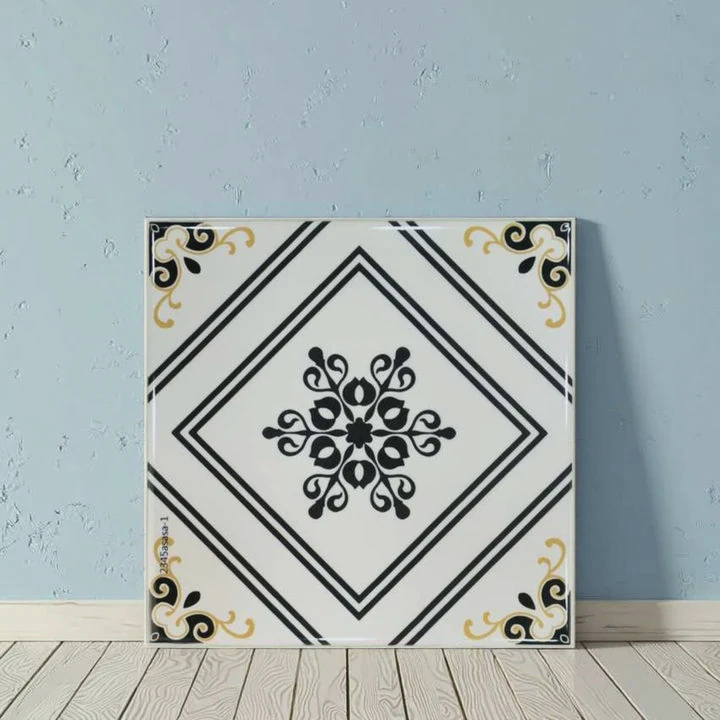
Choosing the wrong tile layout can make installation difficult and affect drainage performance. The best shower floor pattern balances appearance, safety, and functionality.
The most suitable shower floor layouts often use small-format tiles, mosaics, or patterns that adapt easily to floor slopes while providing good traction and visual appeal.
Layout selection influences both aesthetics and practical performance.
Why Tile Size Matters
Unlike large open floors, shower floors contain slopes and drain transitions.
Smaller tiles adapt more easily to these changes.
Benefits include:
- Easier slope accommodation
- Better drainage
- Increased slip resistance
- Simpler installation around drains
Mosaic Tile Layouts
Mosaic tiles remain one of the most popular choices.
Typical sizes include:
- 1” x 1”
- 2” x 2”
- Small rectangular mosaics
Advantages include:
- Excellent flexibility
- Better conformity to slopes
- Increased grout lines for traction
Grid Pattern
The grid pattern is simple and widely used.
Tiles align vertically and horizontally.
Benefits include:
- Easy installation
- Clean appearance
- Efficient material use
Brick Pattern
Also called a running bond pattern.
Each row is offset from the next.
Advantages include:
- Visual movement
- Modern appearance
- Reduced emphasis on minor alignment variations
Herringbone Pattern
Herringbone layouts create a premium appearance.
Benefits include:
- Strong visual interest
- Decorative appeal
- Suitable for luxury shower designs
This pattern may require additional cutting and planning.
Layout Selection by Drain Type
Center Drain
Small mosaics often work best because they adapt easily to four-way slopes.
Linear Drain
Larger tiles become more practical because the floor may slope in only one direction.
Comparing Popular Shower Floor Layouts
| Pattern | Drainage Adaptability | Installation Difficulty | Visual Impact |
|---|---|---|---|
| Mosaic Grid | Excellent | Easy | Moderate |
| Brick Pattern | Very Good | Moderate | Good |
| Herringbone | Good | Higher | Strong |
| Large Format Layout | Limited | Moderate | Modern |
Practical Design Considerations
Several factors influence layout selection.
Slip Resistance
More grout joints generally improve traction.
Maintenance
Smaller tiles create more grout lines that require cleaning.
Visual Scale
The pattern should match the overall size of the shower.
Material Waste
Complex layouts often generate more tile cuts.
Balancing Beauty and Performance
A successful shower floor layout combines:
- Effective drainage
- Comfortable footing
- Attractive appearance
- Efficient installation
Many installers prefer mosaic tiles because they offer the best balance between performance and design flexibility, especially in showers with center drains.
Conclusion
Tiling a shower floor begins with proper preparation, accurate slope creation, reliable waterproofing, and a suitable tile layout. When these elements work together, the finished shower floor delivers efficient drainage, long-term durability, improved safety, and an attractive appearance that performs well for many years.