What Is the Best Tile for Bathroom Floors?
- Sinotiles
- 2026-05-04
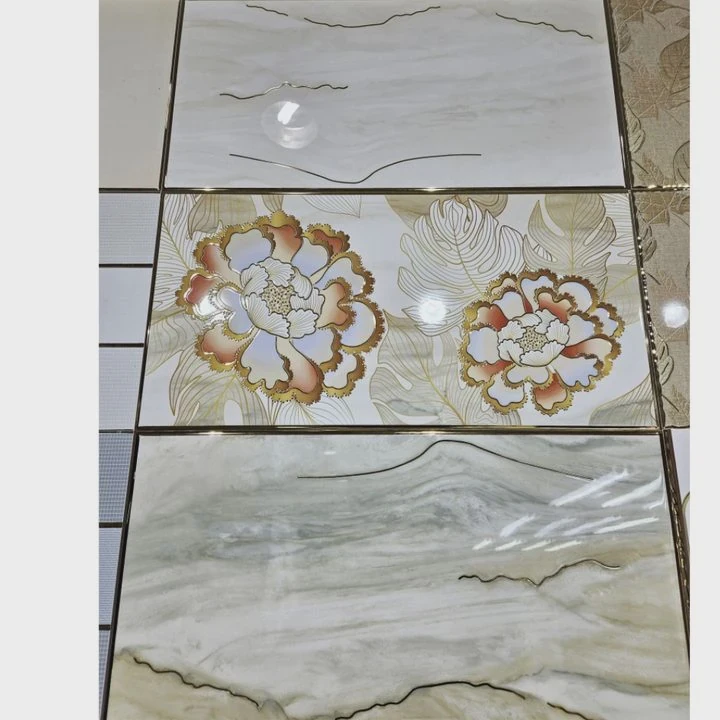
Bathrooms often suffer from water, stains, and wear. Many buyers choose the wrong tile and face cracks, stains, or slippery floors.
The best tile for bathroom floors is porcelain or ceramic with high slip resistance, low water absorption, and strong durability. These tiles handle moisture, are easy to clean, and work well in both residential and commercial spaces.
Choosing the right tile is not only about style. It is about safety, long-term cost, and performance. Now, let’s break it down step by step.
Which materials perform best in wet areas?
Bathrooms stay wet almost every day. Many tiles look good at first, but fail over time due to water exposure.
Porcelain tiles perform best in wet areas because they have low water absorption, high density, and strong durability. Ceramic tiles also work well, while natural stone needs extra sealing and care.
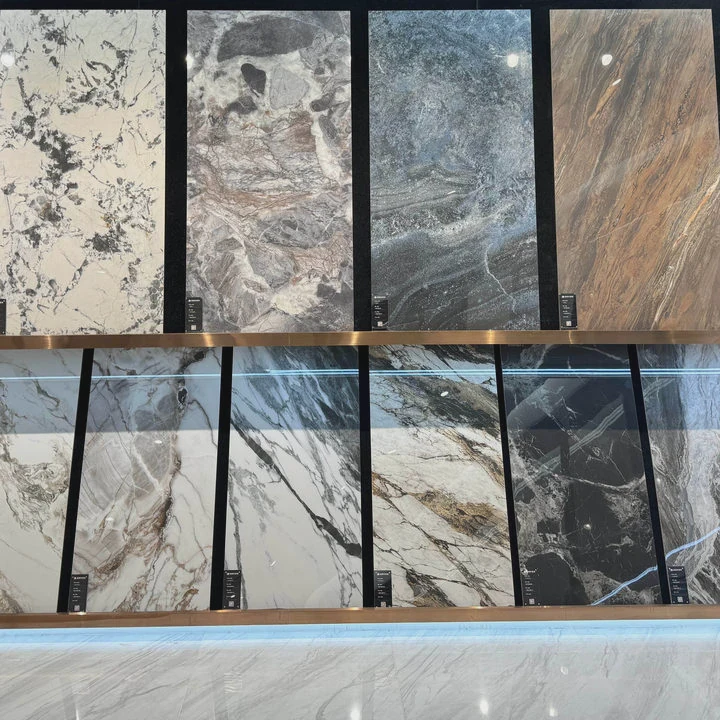
When selecting tile materials for wet environments, water absorption is the first factor to check. Porcelain tiles are made under high pressure and high temperature. This process creates a dense body with very low porosity. Water cannot easily enter the tile. This is why porcelain is widely used in bathrooms, swimming pools, and even outdoor areas.
Ceramic tiles are another common choice. They are slightly more porous than porcelain, but still perform well in standard bathroom conditions. They are also more cost-effective, which makes them attractive for large projects.
Natural stone tiles like marble or travertine look premium. However, they absorb water more easily. Without proper sealing, they can stain, crack, or grow mold. This increases maintenance cost over time.
Key comparison of materials
| Material | Water Absorption | Durability | Maintenance | Cost Level |
|---|---|---|---|---|
| Porcelain Tile | Very Low | High | Low | Medium |
| Ceramic Tile | Low | Medium | Low | Low |
| Natural Stone | High | Medium | High | High |
Porcelain tiles are often used in commercial bathrooms, hotels, and high-traffic areas. They handle heavy use and frequent cleaning. Ceramic tiles fit well in residential bathrooms with normal usage.
Another important factor is surface finish. Matte finishes are better for wet areas. Glossy tiles may look modern, but they become slippery when wet.
In many projects, buyers combine performance and design. For example, they use porcelain tiles that imitate wood or stone. This gives a natural look without the problems of real materials.
From experience in export projects, many buyers prefer 600×600mm or 600×1200mm porcelain tiles. These sizes balance installation efficiency and visual appeal.
Choosing the right material is the foundation. If the material fails, no design can save the project.
How does slip resistance impact tile choice?
Slippery floors are one of the biggest safety risks in bathrooms. Many accidents happen because of poor tile selection.
Slip resistance is critical for bathroom safety. Tiles with a higher slip rating (like R10 or above) reduce the risk of falls, especially in wet conditions.
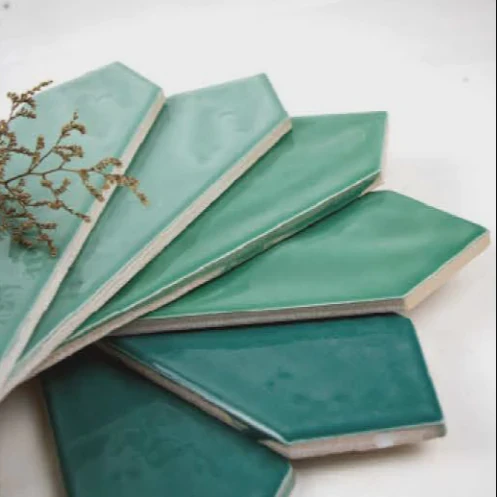
Slip resistance depends on the tile surface texture. Smooth and glossy tiles become dangerous when water is present. Textured or matte tiles provide better grip.
Manufacturers often use slip ratings to classify tiles. The R rating system is common in many markets.
Slip resistance rating guide
| Rating | Condition Suitability | Recommendation Level |
|---|---|---|
| R9 | Dry areas | Not ideal |
| R10 | Light wet areas | Acceptable |
| R11 | Wet areas | Recommended |
| R12+ | Very wet or industrial | Highly recommended |
For bathroom floors, R10 is the minimum. R11 is safer, especially for family homes, hotels, and public spaces.
Slip resistance also depends on tile size and grout lines. Smaller tiles create more grout joints. These joints increase friction and reduce slipping risk. This is why mosaic tiles are often used in shower floors.
Factors that affect slip safety
- Surface finish (matte vs glossy)
- Tile texture
- Presence of water or soap
- Cleaning frequency
- Grout spacing
In many real projects, buyers focus too much on design. They choose polished tiles because they look luxurious. Later, they face complaints about safety.
A better approach is to balance design and function. For example, use matte porcelain tiles with subtle texture. This keeps the modern look while improving safety.
Another point is maintenance. Tiles with heavy texture may trap dirt. This makes cleaning harder. So, a moderate texture is often the best choice.
From practical experience, many hotel projects choose structured porcelain tiles. These tiles provide slip resistance without making cleaning difficult.
Safety should never be ignored. A small mistake in tile choice can lead to serious problems later.
What tile sizes suit bathroom floor layouts?
Tile size changes both the look and function of a bathroom. Choosing the wrong size can make the space feel cramped or unbalanced.
Medium to large tiles like 600×600mm or 600×1200mm suit most bathroom floors. Smaller tiles work well in compact spaces or shower areas for better drainage and grip.

Tile size affects installation, waste, and visual effect. Large tiles create a clean and modern look. They reduce grout lines, which makes the floor easier to clean.
However, large tiles need a flatter surface. If the floor is uneven, installation becomes more difficult.
Small tiles, like mosaics, are flexible. They fit slopes and irregular areas better. This makes them ideal for shower floors.
Common tile size applications
| Tile Size | Best Use Area | Advantages |
|---|---|---|
| 300×300mm | Small bathrooms | Easy to install, less cutting |
| 600×600mm | Standard floors | Balanced look, popular choice |
| 600×1200mm | Modern bathrooms | Fewer joints, premium feel |
| Mosaic | Shower floors | Better grip, flexible layout |
Large tiles make the bathroom look bigger. This is useful for small apartments or urban housing. Fewer grout lines also mean less dirt buildup.
But large tiles have one challenge. They require precise installation. Any mistake becomes more visible. So skilled workers are needed.
Layout considerations
- Room size and shape
- Drain position
- Slope requirement
- Installation cost
- Design style
In many export projects, customers prefer 600×1200mm tiles for walls and 600×600mm for floors. This creates a balanced and modern appearance.
For luxury projects, large slab tiles are used. These tiles create a seamless look. But they increase transport and installation complexity.
Another trend is mixing sizes. For example, large tiles for the main floor and mosaic tiles in the shower. This improves both design and function.
Choosing tile size is not only about style. It also affects cost, installation time, and long-term maintenance.
Can grout type affect long term durability?
Many people focus on tiles but ignore grout. This is a common mistake. Grout plays a key role in durability.
Yes, grout type directly affects durability. High-quality grout resists water, stains, and cracks, which helps extend the life of bathroom floors.
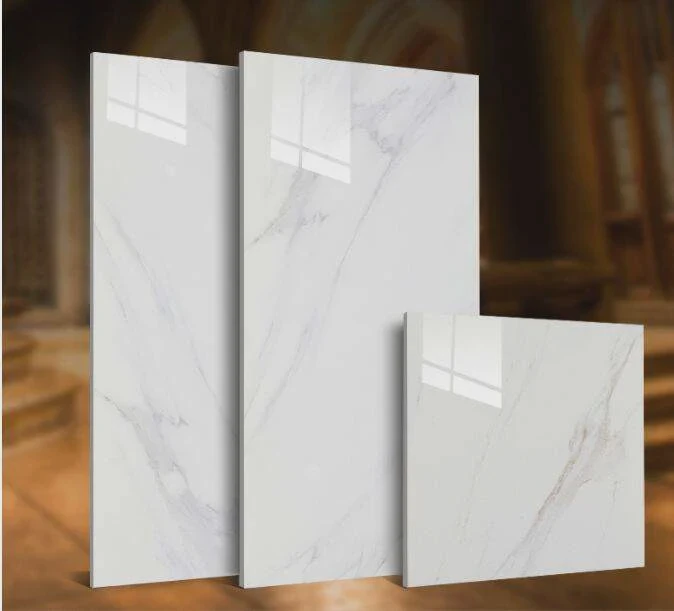
Grout fills the gaps between tiles. It prevents water from entering beneath the surface. Poor grout leads to water damage, mold, and loose tiles.
There are different types of grout. Cement-based grout is the most common. It is affordable and easy to use. However, it is porous and needs sealing.
Epoxy grout is a more advanced option. It is waterproof, stain-resistant, and very strong. It is often used in commercial or high-end projects.
Grout type comparison
| Grout Type | Water Resistance | Durability | Cost Level | Maintenance |
|---|---|---|---|---|
| Cement Grout | Medium | Medium | Low | High |
| Epoxy Grout | High | High | High | Low |
Epoxy grout is ideal for bathrooms with heavy use. It prevents mold and staining. However, it is more expensive and harder to install.
Cement grout is still widely used. With proper sealing, it performs well in residential bathrooms.
Common grout problems
- Cracking due to movement
- Staining from dirt and soap
- Mold growth in wet areas
- Water penetration
To avoid these issues, proper installation is important. The grout must be mixed correctly and applied evenly.
Joint width also matters. Wider joints may crack if not done properly. Narrow joints look modern but require precision.
From project experience, many buyers upgrade to better grout after facing maintenance issues. It is often better to invest early.
Another point is color selection. Light grout looks clean at first but stains easily. Dark grout hides dirt but may fade over time.
A balanced choice is a neutral tone with good stain resistance.
Grout may seem small, but it has a big impact on long-term performance.
Conclusion
The best bathroom floor tile combines durability, slip resistance, proper size, and strong grout. Porcelain tiles with matte finishes and quality grout offer the most reliable and cost-effective solution for long-term use.