how to install ceramic tile on concrete?
- Sinotiles
- 2026-05-04
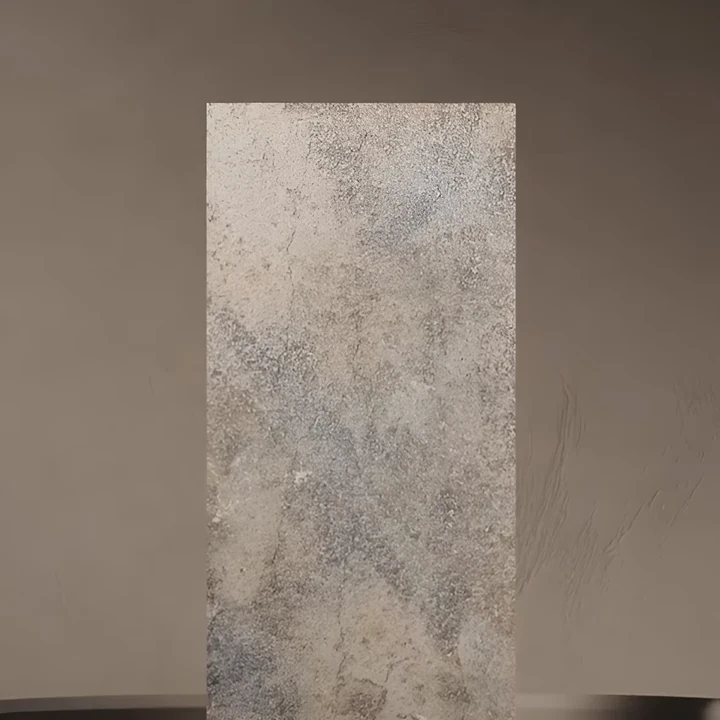
Old concrete floors often look dull, cracked, or uneven. Many people worry tiles will not stick well or will fail over time.
Yes, ceramic tiles can be installed on concrete successfully. The key is proper surface preparation, correct mortar selection, and careful installation steps to ensure long-term durability and strong adhesion.
Many projects fail not because of the tiles, but because of poor preparation and wrong materials. In this guide, the full process is broken down into simple steps so the results stay strong and stable.
What preparation is needed for concrete surfaces?
Many installers rush this step. That leads to weak bonding, cracks, or loose tiles later. A concrete surface may look solid, but hidden problems often exist.
Concrete must be clean, level, dry, and free of cracks or contaminants before tile installation. Proper surface preparation ensures strong bonding and prevents future failures.
Concrete preparation is the foundation of the whole project. Without it, even high-quality tiles will fail. Every surface should be inspected carefully before starting.
Checking the condition of the concrete
Concrete must be fully cured. Fresh concrete needs at least 28 days to cure. If tiles are installed too early, moisture can cause adhesive failure.
Check for these issues:
- Cracks
- Uneven areas
- Oil or grease stains
- Moisture problems
Small cracks can be repaired with filler. Large cracks may need professional treatment.
Cleaning the surface
Any dirt or dust will weaken adhesion. The surface should be:
- Swept
- Vacuumed
- Washed if needed
Oil stains must be removed with a degreaser. If not removed, tiles will not bond properly.
Leveling the floor
Uneven surfaces create problems during installation. Tiles may crack or sit unevenly.
Use a self-leveling compound if needed.
Common leveling tolerance:
| Surface Condition | Requirement |
|---|---|
| Flatness | ≤ 3mm variation per 2 meters |
| Slope | Depends on drainage needs |
Moisture testing
Concrete can hold moisture even if it looks dry. High moisture can damage adhesive.
A simple plastic sheet test can help:
- Tape plastic to the floor
- Leave for 24 hours
- Check for condensation
If moisture is present, a moisture barrier is needed.
Priming the surface
Some concrete surfaces benefit from primer. It helps:
- Improve adhesion
- Reduce dust
- Create a stable bonding layer
Not all projects require primer, but it is often recommended for better results.
Proper preparation may take time, but it prevents costly repairs later.
How do you ensure proper tile adhesion?
Tiles falling off is one of the most common complaints. This usually happens because of poor bonding techniques.
Proper tile adhesion requires correct mortar application, full coverage, correct trowel size, and consistent pressure during installation.
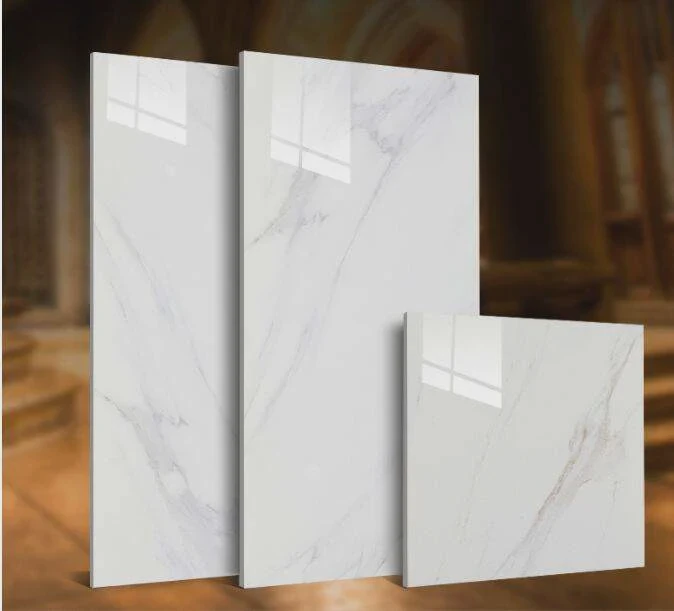
Good adhesion is not just about glue. It is a combination of technique, timing, and tools.
Choosing the right trowel
The trowel size affects how much mortar is applied.
Trowel size guide:
| Tile Size | Recommended Trowel |
|---|---|
| Small tiles | 6x6 mm notch |
| Medium tiles | 8x8 mm notch |
| Large format | 10x10 mm or larger |
Larger tiles need more mortar to ensure full contact.
Back buttering tiles
For larger tiles, applying mortar to the back of the tile improves bonding.
This step:
- Fills gaps
- Increases contact area
- Reduces air pockets
Achieving full coverage
Tiles should have at least:
- 80% coverage for dry areas
- 95% coverage for wet areas
Air pockets under tiles can cause cracks later.
Working within open time
Mortar has a limited working time. If it dries before tile placement, bonding weakens.
Always:
- Spread small sections
- Place tiles quickly
- Avoid reusing dried mortar
Applying consistent pressure
Tiles should be pressed and slightly twisted into place. This helps:
- Remove air gaps
- Improve bonding strength
Rubber mallets can help level tiles evenly.
Maintaining joint spacing
Tile spacers ensure uniform gaps. This improves:
- Appearance
- Grout performance
- Structural movement handling
Adhesion depends on discipline during installation. Even small mistakes can reduce durability.
Which mortars work best on concrete floors?
Choosing the wrong mortar can ruin the entire project. Not all adhesives are suitable for concrete surfaces.
Polymer-modified thin-set mortar is the best choice for concrete floors because it provides strong bonding, flexibility, and durability under different conditions.
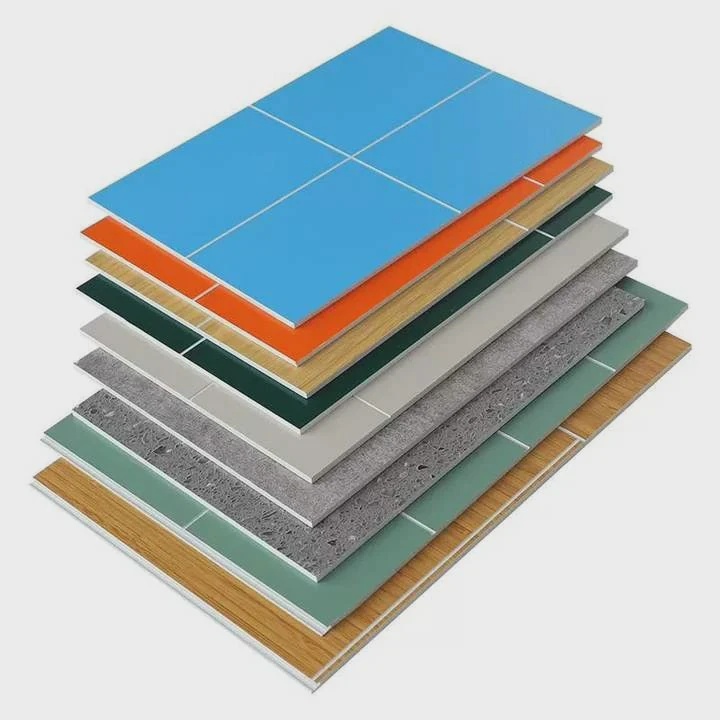
Different environments require different mortar types. Understanding these options helps avoid failure.
Types of mortars
1. Standard thin-set mortar
- Basic cement-based adhesive
- Suitable for simple indoor projects
- Lower flexibility
2. Polymer-modified thin-set
- Contains additives for better bonding
- Handles slight movement
- Ideal for most applications
3. Large format tile mortar
- Designed for heavy tiles
- Prevents sagging
- Provides better support
Mortar comparison
| Mortar Type | Strength | Flexibility | Best Use Case |
|---|---|---|---|
| Standard thin-set | Medium | Low | Small indoor tiles |
| Polymer-modified | High | Medium | General use |
| Large format mortar | High | High | Big tiles |
Factors to consider
Tile size
Large tiles need stronger mortar with better support.
Environment
Outdoor or wet areas need flexible and water-resistant mortar.
Substrate condition
If concrete has slight movement, flexible mortar is necessary.
Mixing mortar correctly
Improper mixing weakens adhesive strength.
Always:
- Follow manufacturer instructions
- Use clean water
- Mix to smooth consistency
Let mortar rest (slake time) before use.
Avoiding common mistakes
- Adding too much water
- Using expired mortar
- Applying too thick or too thin layers
Mortar selection directly affects tile lifespan. It is not a place to cut costs.
When should sealing be applied after installation?
Many people forget sealing or apply it at the wrong time. This reduces the lifespan of the installation.
Sealing should be applied after grout has fully cured, usually 48 to 72 hours after installation, to protect tiles and grout from moisture and stains.
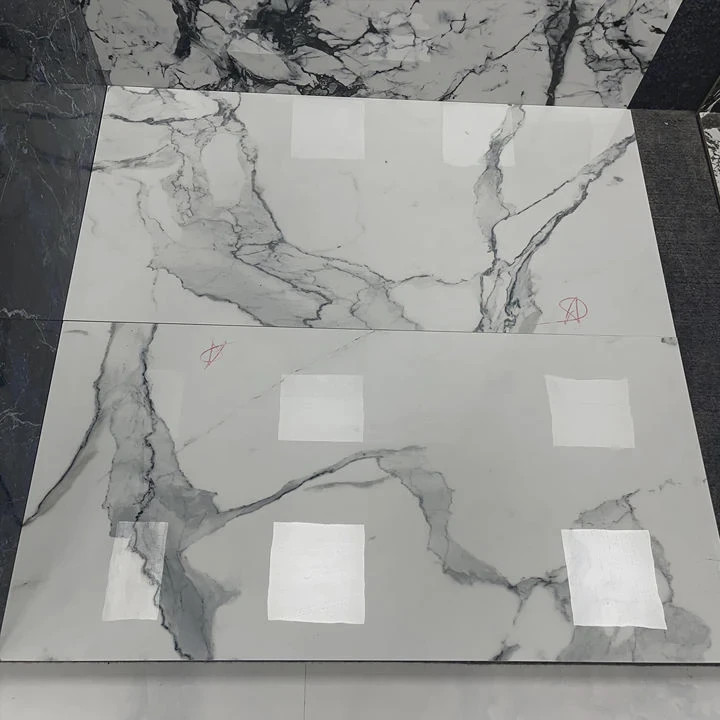
Sealing is not always required for tiles, but grout almost always needs protection.
Understanding curing time
Grout needs time to harden before sealing.
Typical timeline:
- 24 hours: light foot traffic
- 48–72 hours: ready for sealing
Applying sealer too early traps moisture.
Types of sealers
Penetrating sealers
- Absorb into grout
- Provide long-term protection
- Maintain natural look
Surface sealers
- Form a protective layer
- Add slight shine
- Require reapplication
Where sealing is needed
| Area Type | Sealing Requirement |
|---|---|
| Living room | Optional |
| Bathroom | Required |
| Kitchen | Recommended |
| Outdoor areas | Required |
Application process
Steps:
- Clean the surface
- Ensure grout is dry
- Apply sealer evenly
- Wipe excess
- Allow drying time
Maintenance after sealing
Sealers do not last forever.
Reapply:
- Every 1–2 years for high traffic areas
- Less often for low-use areas
Common sealing mistakes
- Skipping grout sealing
- Over-applying sealer
- Not cleaning before sealing
Sealing is a small step, but it greatly improves durability and appearance.
Conclusion
Installing ceramic tile on concrete is simple when each step is done correctly. Good preparation, proper mortar, strong adhesion, and correct sealing all work together to ensure a long-lasting and professional result.