What Is Thinset Tile?
- Sinotiles
- 2026-04-14

If tiles keep cracking or falling off, the real problem is often hidden under them. Many people ignore the adhesive layer, but that layer decides everything.
Thinset tile refers to tiles installed using thinset mortar, a cement-based adhesive that bonds tiles securely to surfaces like floors and walls. It creates a strong, durable, and moisture-resistant layer essential for long-lasting tile installations.
Most buyers focus on tile design and size. But in real projects, the adhesive system often causes failure. So understanding thinset is not optional. It is a key part of any successful tiling job.
What is thinset mortar used for in tiling?
If tiles loosen, crack, or shift over time, the issue often starts with the bonding material. Many people choose tiles carefully but overlook what holds them in place.
Thinset mortar is used to bond tiles to surfaces such as concrete, cement boards, or existing tiles. It creates a thin but strong layer that ensures proper adhesion, alignment, and durability in both floor and wall applications.
Thinset mortar plays a central role in tile installation. It is not just glue. It is a structural layer that connects tile and substrate. Without it, even the best tile will fail.
How thinset works in real projects
Thinset is a mix of cement, fine sand, and water-retention agents. When mixed with water or latex additive, it becomes a paste. This paste spreads easily but hardens into a solid layer.
Once applied, thinset fills small gaps between tile and surface. This creates full contact. That contact prevents hollow spots, which often lead to cracks.
Common applications
Thinset is widely used in different spaces:
| Application Area | Purpose |
|---|---|
| Floors | Strong bonding under heavy load |
| Walls | Prevent tile slipping |
| Bathrooms | Moisture resistance |
| Kitchens | Heat and stain resistance |
Types of thinset mortar
Different projects need different types:
1. Standard thinset
- Basic cement-based mortar
- Used for simple indoor projects
2. Modified thinset
- Contains polymers
- Better flexibility and adhesion
- Ideal for large-format tiles
3. Unmodified thinset
- No added polymers
- Used with specific substrates like waterproof membranes
Why correct usage matters
In one export project, a client used the wrong thinset for large porcelain tiles. After six months, tiles started detaching. The issue was not tile quality. It was the bonding layer.
Thinset must match:
- Tile size
- Surface type
- Environmental conditions
Without this match, failure is very likely.
How does thinset differ from other adhesives?
Many people think all tile adhesives are the same. This mistake leads to poor installation and costly repairs later.
Thinset differs from other adhesives because it is cement-based, stronger, and more durable. Unlike mastic or glue, thinset resists moisture, heat, and heavy loads, making it suitable for long-term and large-scale tile installations.
Understanding the difference between thinset and other adhesives helps avoid wrong material choices.
Thinset vs mastic
Mastic is a pre-mixed adhesive. It is easy to use but has limitations.
| Feature | Thinset | Mastic |
|---|---|---|
| Base material | Cement | Organic glue |
| Water resistance | High | Low |
| Strength | Very strong | Moderate |
| Best use | Floors & wet areas | Dry walls only |
Mastic works well for small wall tiles in dry areas. But in bathrooms or floors, it fails over time.
Thinset vs epoxy adhesive
Epoxy adhesives are very strong and chemical-resistant. But they are expensive and harder to use.
Thinset advantages:
- Lower cost
- Easier application
- Widely available
Epoxy advantages:
- Extreme strength
- Chemical resistance
In most standard projects, thinset offers the best balance.
Thinset vs construction adhesive
Some users try to use general-purpose adhesives. This is a major mistake.
Construction adhesives:
- Do not spread evenly
- Do not support tile weight properly
- Create uneven surfaces
Thinset is designed specifically for tile installation. That makes a big difference.
Key takeaway
Thinset is not just another adhesive. It is engineered for tiling systems. That is why professionals rely on it for almost all serious projects.
Why is thinset preferred for tile installation?
Many installations fail not because of tile quality, but because the wrong adhesive was used. This is a common issue in both small and large projects.
Thinset is preferred because it provides strong bonding, long-term durability, moisture resistance, and compatibility with different tile types and surfaces, making it the most reliable choice for professional tile installation.
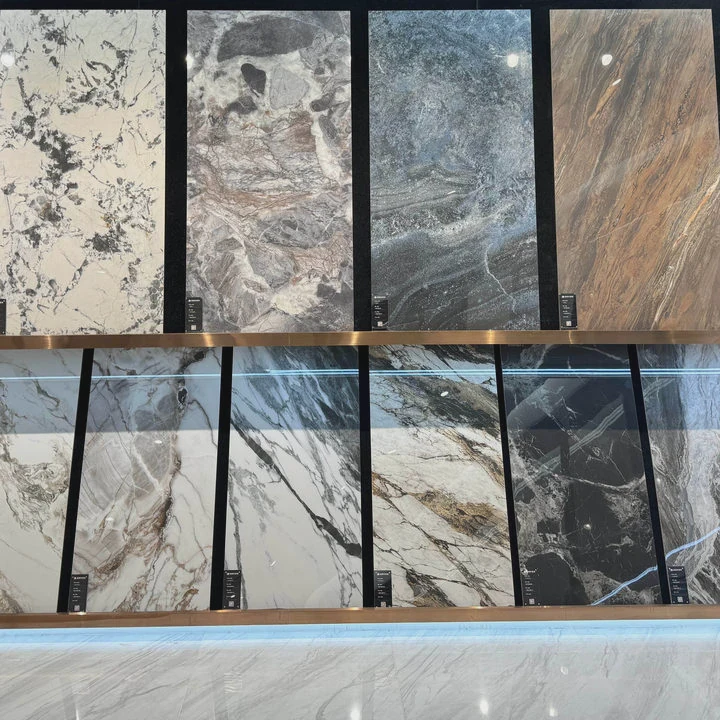
Thinset has become the industry standard for a reason. It solves multiple problems at once.
Strong bonding performance
Thinset creates a mechanical bond. It locks tiles in place after curing. This bond can handle:
- Heavy foot traffic
- Temperature changes
- Structural movement
This makes it ideal for both residential and commercial spaces.
Compatibility with large tiles
Modern projects often use large-format tiles. These tiles need stronger support.
Thinset, especially modified thinset, provides:
- Better grip
- Even load distribution
- Reduced risk of cracking
Moisture resistance
In wet areas like bathrooms, water exposure is constant.
Thinset:
- Does not dissolve in water
- Maintains strength over time
- Works with waterproof systems
This is why it is widely used in showers and outdoor areas.
Cost-effectiveness
Thinset offers a strong balance between cost and performance.
| Factor | Thinset Benefit |
|---|---|
| Material cost | Affordable |
| Labor cost | Easy to apply |
| Maintenance | Low |
Real-world reliability
In many export cases, clients initially try cheaper adhesives. Later, they switch to thinset after facing problems.
One contractor shared that after switching to modified thinset, installation defects dropped by over 60%. This shows how critical the right material is.
Where should thinset be applied during tiling?
Many installation problems happen because thinset is applied incorrectly. Even good materials fail if used in the wrong way.
Thinset should be applied on the substrate using a notched trowel, and in some cases also on the back of tiles. Proper coverage ensures full bonding, prevents air gaps, and increases durability.
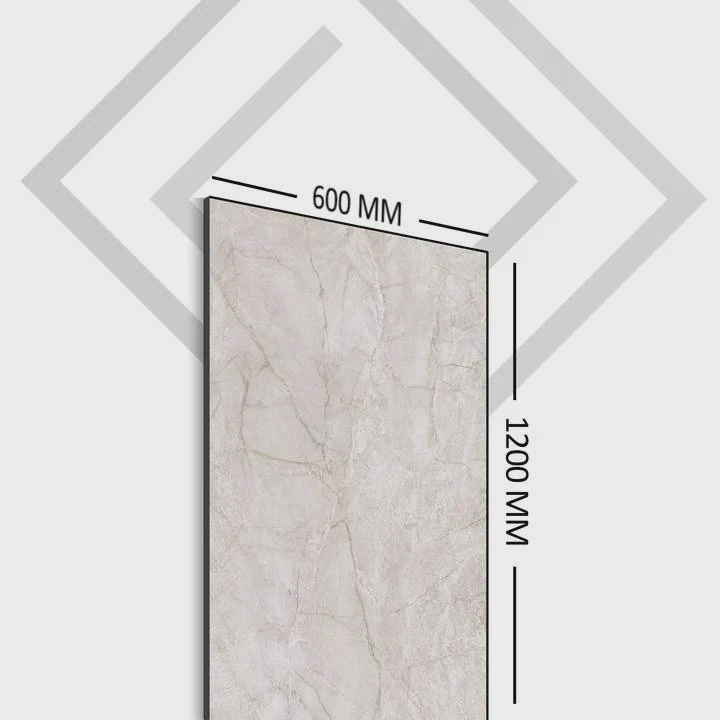
Correct application is just as important as choosing the right thinset.
Step-by-step application areas
1. Substrate surface
Thinset is first spread on the base surface.
This includes:
- Concrete floors
- Cement boards
- Prepared walls
The surface must be:
- Clean
- Dry
- Level
Any dust or unevenness reduces bonding strength.
2. Back buttering tiles
For large tiles, thinset is also applied to the back of the tile.
This method:
- Improves adhesion
- Removes air gaps
- Ensures full contact
Coverage standards
Proper coverage is critical.
| Tile Type | Required Coverage |
|---|---|
| Small tiles | 80% coverage |
| Large tiles | 90–95% coverage |
Low coverage leads to hollow spots. These spots cause cracks later.
Trowel technique
Using the right trowel is important.
Key steps:
- Use a notched trowel
- Spread thinset evenly
- Comb in one direction
This creates consistent ridges. These ridges collapse when the tile is pressed, forming a strong bond.
Common mistakes to avoid
- Applying too little thinset
- Using the wrong trowel size
- Not back buttering large tiles
- Letting thinset dry before placing tiles
These mistakes often lead to failure within months.
Practical insight
In many projects, installers rush the process. They skip proper coverage to save time. This leads to expensive repairs later.
Correct thinset application is not complex. But it requires discipline and attention to detail.
Conclusion
Thinset is the foundation of any reliable tile installation. It ensures strength, durability, and long-term performance. Choosing and applying it correctly makes the difference between a successful project and costly failure.
- Pre: Will Lowes Cut Tile?
- Next: How to level floor for tile?