What should I clean my tile floors with?
- Sinotiles
- 2026-07-31
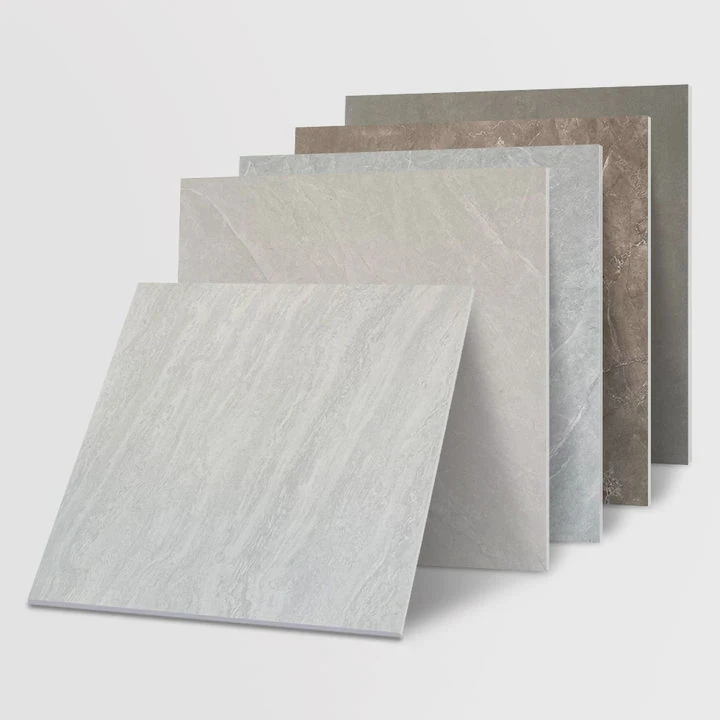
Dirty tile floors can quickly make a room look old and uncomfortable. Dust, stains, and grout buildup can reduce the beauty of even high-quality tiles.
The best way to clean tile floors is to use a safe cleaning solution, the right tools, and a proper cleaning method. Mild cleaners, warm water, and suitable floor tools usually provide effective results without damaging the tile surface.
In my experience with ceramic and porcelain tile products, I know that good maintenance helps tiles keep their original appearance for many years. The right cleaning method protects the surface, grout lines, and overall floor performance.
What cleaning solutions are safe for tile floors?

Safe cleaning solutions for tile floors should remove dirt without damaging the tile surface or grout. Most ceramic and porcelain tiles are durable, but strong chemicals can still affect finishes and grout over time.
The safest choices are usually mild pH-neutral cleaners, warm water, and products designed specifically for tile surfaces.
Common tile floor cleaning solutions
| Cleaning solution | Safety level | Best use |
|---|---|---|
| Warm water | Very safe | Daily dust and light dirt |
| pH-neutral tile cleaner | Very safe | Regular cleaning |
| Mild dish soap solution | Safe | Small stains and grease |
| Baking soda mixture | Usually safe | Tough spots |
| Strong acidic cleaners | Risky | Only for specific situations |
A pH-neutral tile cleaner is often the best choice for regular maintenance. It can remove daily dirt while protecting the tile finish.
Porcelain and ceramic tiles usually have strong surfaces, but the grout between tiles can be more sensitive. Harsh chemicals may weaken grout or change its color.
Cleaning solutions to use carefully
Some cleaners may create problems:
- Strong acids can damage certain tile surfaces.
- Abrasive powders can create small scratches.
- Bleach used too often may affect grout color.
- Oil-based cleaners can leave slippery residue.
The cleaning solution should match the tile type. For example, polished porcelain tile may need gentler care because the shiny surface can lose its appearance if cleaned incorrectly.
Basic tile floor cleaning method
A simple cleaning process includes:
- Remove loose dirt with a broom or vacuum.
- Use warm water with a suitable cleaner.
- Mop the floor evenly.
- Remove extra water.
- Allow the surface to dry.
This method works well for most indoor tile floors.
From my perspective in the tile industry, cleaning is part of protecting the original investment. A high-quality tile floor can last for decades, but poor maintenance can reduce its visual quality.
I also recommend avoiding the idea that stronger chemicals always mean better cleaning. Many people choose powerful products because they want fast results. However, regular gentle cleaning usually provides better long-term protection.
For commercial buildings, cleaning plans are even more important. Hotels, offices, and shopping centers often have large tile areas. A consistent cleaning system helps maintain both appearance and safety.
The best cleaning solution is not the strongest product. It is the product that removes dirt while keeping the tile surface healthy.
How do you choose the right tile floor cleaner?
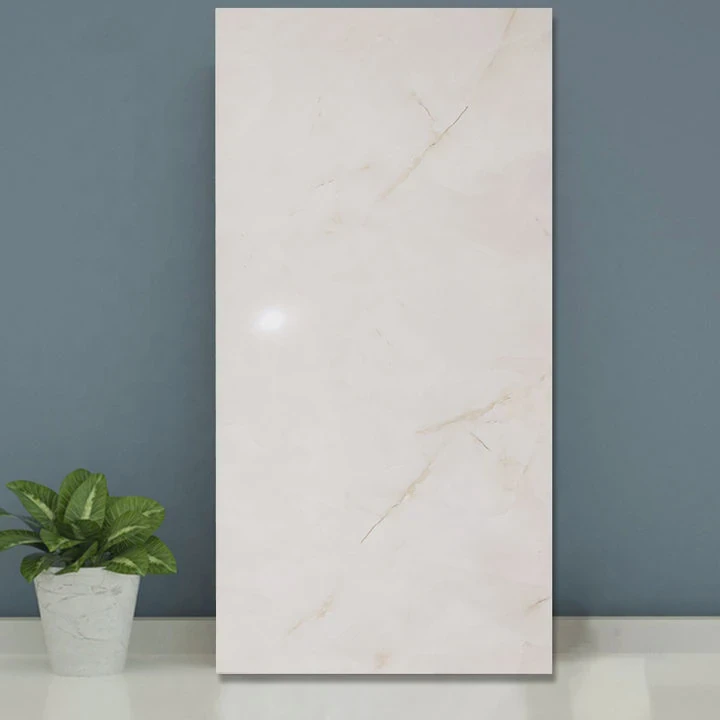
Choosing the right tile floor cleaner depends on the tile material, surface finish, location, and type of dirt. Different floors may need different cleaning approaches.
A cleaner that works well on one surface may not be suitable for another. Understanding the tile condition helps prevent damage.
Factors to consider when choosing a cleaner
| Factor | Why it matters |
|---|---|
| Tile material | Different tiles have different needs |
| Surface finish | Some finishes need gentle care |
| Dirt type | Determines cleaning strength |
| Location | Kitchens and bathrooms need different solutions |
The first step is identifying the tile type. Ceramic tiles, porcelain tiles, natural stone tiles, and decorative tiles may have different cleaning requirements.
Porcelain tile is usually easy to maintain because it has low water absorption. However, the cleaner should still match the surface finish.
Cleaner selection based on common problems
| Problem | Recommended approach |
|---|---|
| Dust and daily dirt | Warm water and mild cleaner |
| Grease | Tile-safe degreaser |
| Grout stains | Grout cleaner |
| Hard water marks | Suitable mineral remover |
Kitchen floors often collect grease and food stains. In this situation, a cleaner with gentle degreasing ability can provide better results.
Bathroom floors may have soap residue and mineral deposits. A suitable bathroom tile cleaner can help remove these problems without damaging the surface.
Avoid choosing cleaners only by strength
Many people believe stronger cleaners create better results. However, strong chemicals can create unnecessary risks.
A balanced cleaning product should provide:
- Effective dirt removal
- Surface protection
- Safe use around grout
- No harmful residue
For tile buyers and property owners, maintenance should be considered when selecting materials. Some tile surfaces require more care than others.
For example, matte porcelain tiles often hide dirt better than glossy surfaces. Large format tiles have fewer grout lines, which can make cleaning easier.
I often explain to customers that tile selection and maintenance are connected. A beautiful tile should also fit the lifestyle and cleaning habits of the user.
Commercial projects especially need this balance. A restaurant floor needs frequent cleaning, so the material and cleaning method should support daily operations.
The right cleaner extends the life of the floor. It helps maintain color, texture, and surface quality.
A good cleaning routine is not about spending more money on products. It is about understanding what the floor needs and using the correct solution consistently.
Are vinegar solutions suitable for tile cleaning?
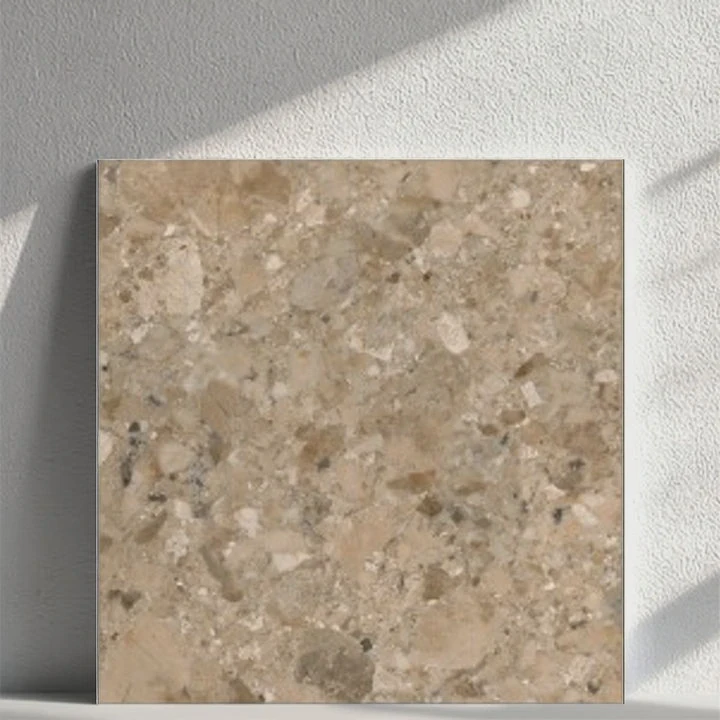
Vinegar solutions can clean some tile floors, but they are not suitable for every type of tile. The result depends on the tile material, grout condition, and cleaning frequency.
Vinegar contains acid, which helps remove mineral deposits and some stains. However, frequent use can create problems for certain surfaces.
Vinegar cleaning advantages and risks
| Benefit | Risk |
|---|---|
| Low cost | Can affect sensitive surfaces |
| Helps remove mineral buildup | May weaken grout over time |
| Easy to prepare | Not suitable for all tiles |
Vinegar is usually safer for some ceramic and porcelain tiles when properly diluted. However, it should be avoided on natural stone materials such as marble, limestone, and travertine because acids can damage the surface.
When vinegar may not be suitable
Avoid vinegar cleaning when:
- The floor uses natural stone tiles.
- The grout is already damaged.
- The tile has a special protective coating.
- The surface manufacturer recommends avoiding acids.
Even on suitable tile surfaces, vinegar should not become the only cleaning method. Regular use of acidic solutions may affect grout appearance.
Safer vinegar cleaning method
If vinegar is suitable for the tile type:
- Mix vinegar with plenty of water.
- Test on a small hidden area.
- Avoid leaving the solution on the floor too long.
- Rinse with clean water afterward.
The test area is important because different tiles have different finishes.
From my experience with tile materials, I believe simple solutions are often useful, but they should be used with knowledge. A natural product is not always automatically safer.
Many modern tile cleaners are designed specifically for ceramic and porcelain surfaces. These products often provide better balance between cleaning ability and surface protection.
For long-term tile care, I usually recommend using professional tile cleaners for regular maintenance and using special treatments only when needed.
The goal of cleaning is not only removing dirt. It is also protecting the surface quality that makes the tile attractive.
A good cleaning routine should preserve the tile appearance, grout strength, and overall durability.
Which tools work best for cleaning tile floors?
The best tile floor cleaning tools are those that remove dirt effectively without scratching the surface. The right tools can make cleaning faster and improve final results.
Different cleaning situations require different tools.
Recommended tile cleaning tools
| Tool | Main purpose |
|---|---|
| Microfiber mop | Daily cleaning |
| Soft brush | Grout cleaning |
| Vacuum cleaner | Removing loose dirt |
| Spray bottle | Applying cleaner |
| Steam mop | Deep cleaning in suitable cases |
A microfiber mop is one of the best choices for tile floors. It collects dust and dirt while being gentle on the surface.
A vacuum cleaner is also useful before mopping. Small particles of sand or dirt can create scratches when pushed across the floor.
Tools for grout cleaning
Grout lines often need extra attention because they collect dirt more easily than tile surfaces.
Useful tools include:
- Soft toothbrush-style brushes
- Grout cleaning brushes
- Small detailing brushes
Hard metal brushes should usually be avoided because they can damage grout.
Tool selection by cleaning frequency
| Cleaning frequency | Recommended tools |
|---|---|
| Daily | Vacuum and microfiber mop |
| Weekly | Mop and mild cleaner |
| Deep cleaning | Soft brush and special cleaner |
For large commercial tile areas, professional cleaning equipment may be more efficient. Automatic floor machines can help maintain large spaces such as malls, offices, and hotels.
However, equipment selection should match the tile surface. Heavy machines or aggressive pads may damage some finishes.
I believe tools are just as important as cleaning products. A good cleaner cannot perform well if the wrong tool damages the surface.
For porcelain and ceramic tile floors, gentle and consistent cleaning usually creates the best results. The goal is to remove dirt while maintaining the original tile quality.
A well-maintained tile floor can keep its appearance for many years. Proper tools make this process easier and more effective.
Conclusion
The best way to clean tile floors is to use safe cleaners, suitable tools, and regular maintenance. Mild solutions, correct methods, and careful care help protect tile beauty and durability.
- Pre: What is tile PEI rating?
- Next: Sorry!