What Is Tile Premium?
- Sinotiles
- 2026-03-30
Choosing tiles often feels simple at first. Then pricing suddenly becomes confusing. Many buyers see “tile premium” and feel unsure what they are really paying for.
Tile premium is the extra cost added to a tile beyond its base price, usually due to design, size, quality, brand, or project-specific requirements. It reflects added value, not just material cost.
Understanding this idea helps avoid overpaying. It also helps choose tiles that truly match the project goals, not just the budget.
What does tile premium mean in pricing?
Choosing tiles can quickly become frustrating. Prices vary a lot. Two tiles may look similar but have very different prices. This is where the idea of “premium” starts to matter.
Tile premium in pricing means the additional cost charged above the standard tile price, often due to design, finish, size, brand positioning, or perceived value in the market.
When I explain this to clients, I usually break it into simple parts. A tile has a base cost. This includes raw materials, production, and basic logistics. Then comes the premium. This is where things change.
Key factors behind tile premium in pricing
| Factor | How it affects price | Example |
|---|---|---|
| Design | Unique patterns cost more | Marble-look tiles |
| Size | Larger tiles increase production cost | 1200×1200mm slabs |
| Finish | Advanced surfaces add value | Polished glaze |
| Brand | Strong brands charge higher prices | Premium collections |
| Technology | New production methods increase cost | Digital printing |
Why pricing feels inconsistent
Many buyers expect pricing to be logical and linear. But tile pricing is not always like that. A small design upgrade can lead to a big price jump. This is because premium is not only about cost. It is also about market positioning.
For example, a polished tile may cost only slightly more to produce. But it can sell for much higher because customers see it as more luxurious.
Premium vs base tiles
| Type | Characteristics | Typical Use |
|---|---|---|
| Base tile | Simple design, standard size | Budget housing |
| Premium tile | Advanced design, large format | High-end projects |
In real projects, I often see buyers focus only on price per square meter. But that is not enough. The premium tells a deeper story. It shows what makes that tile different in the market.
How is tile premium calculated in projects?
Many project buyers feel confused when they see extra charges added to tile quotations. The numbers do not always match the factory price. This is where tile premium becomes very practical.
Tile premium in projects is calculated by adding extra costs related to design selection, logistics, installation complexity, waste allowance, and project-specific customization on top of the base tile cost.
From experience, tile premium in projects is not just about the tile itself. It includes many hidden elements that only show up during execution.
Main components of project tile premium
| Component | Description | Impact Level |
|---|---|---|
| Material upgrade | Higher-grade tiles selected | High |
| Cutting & wastage | Extra tiles needed due to cutting | Medium |
| Installation method | Special laying techniques | High |
| Transportation | Handling large or fragile tiles | Medium |
| Custom orders | OEM or special designs | High |
Real calculation logic
In simple terms, project tile premium can be understood like this:
Base Tile Cost
- Design Upgrade
- Size Upgrade
- Installation Complexity
- Logistics Risk
= Final Tile Cost with Premium
Why large projects increase premium
Large projects often use bigger tiles like 600×1200mm or 900×1800mm. These tiles look better. But they also bring higher risks.
- Higher breakage risk during transport
- More skilled labor needed
- More precise installation required
All these increase the premium.
Hidden costs many buyers ignore
I have seen many cases where buyers only compare tile prices. Then later, the total project cost goes beyond budget.
Some hidden premium factors include:
- Tile alignment requirements
- Pattern matching (especially marble look)
- Extra packaging for export
- Delays due to custom production
So, tile premium in projects is not just a number. It is a combination of real costs and risk control.
Why do some tiles carry higher premiums?
Many people ask a simple question: why does one tile cost double another when both look similar? The answer is not always visible at first glance.
Some tiles carry higher premiums because of advanced design, better materials, complex manufacturing processes, larger sizes, and stronger market positioning.
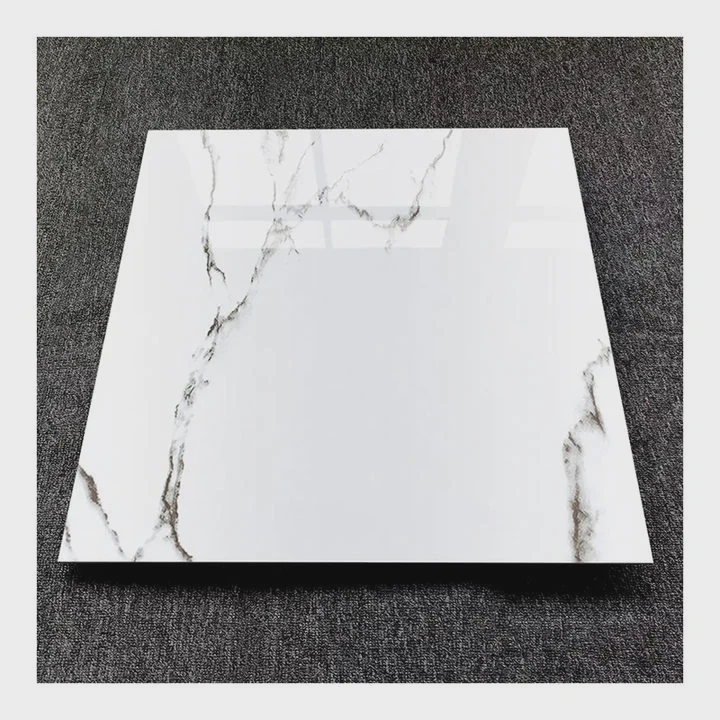
Over time, I have noticed that premium tiles are not just about appearance. They represent a full combination of technology, design, and branding.
Core reasons behind higher premiums
1. Design complexity
Tiles that imitate natural materials like marble or stone require advanced digital printing. The more realistic the design, the higher the cost.
2. Size matters
Large format tiles are one of the biggest drivers of premium.
| Size Category | Premium Level |
|---|---|
| 600×600mm | Low |
| 800×800mm | Medium |
| 600×1200mm | High |
| 900×1800mm+ | Very High |
Larger tiles require better machines and stricter quality control.
3. Surface technology
Modern tiles include features like:
- Anti-slip surfaces
- Nano-coating
- High gloss polishing
Each adds cost and increases premium.
4. Production standards
Premium tiles often go through stricter inspection:
- Flatness control
- Size accuracy
- Color consistency
This reduces defects but increases cost.
5. Brand positioning
Some tiles are priced higher simply because they are positioned as premium products. This includes:
- Exclusive collections
- Limited designs
- Designer collaborations
Emotional value also plays a role
Buyers do not only pay for function. They also pay for feeling. A premium tile can make a space feel more luxurious.
In many projects, this emotional value is just as important as the physical quality.
Can premium tiles improve long term value?
Many buyers hesitate when they see higher tile prices. They wonder if the premium is really worth it over time.
Premium tiles can improve long-term value by offering better durability, lower maintenance, stronger visual appeal, and higher property value over time.
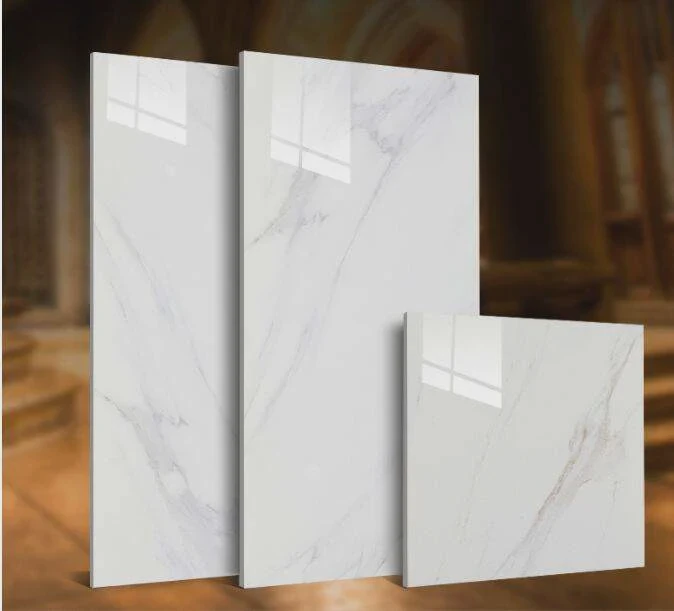
From experience, the answer depends on how the tiles are used. But in most cases, premium tiles do bring long-term benefits.
Long-term value comparison
| Aspect | Standard Tiles | Premium Tiles |
|---|---|---|
| Durability | متوسط (medium) | High |
| Maintenance | More frequent | Less frequent |
| Aesthetic life | Shorter trend cycle | Longer appeal |
| Property value | Limited impact | Positive impact |
Durability reduces replacement cost
Premium tiles are usually stronger. They resist:
- Wear
- Stains
- Cracks
This means fewer replacements over time.
Maintenance is easier
High-quality surfaces are easier to clean. This saves both time and cost.
Visual value lasts longer
Trends change fast. But premium designs usually stay relevant longer. This is important for:
- Hotels
- Showrooms
- High-end homes
Impact on property value
In real estate projects, finishes matter a lot. Premium tiles can:
- Improve buyer perception
- Increase selling price
- Speed up sales
When premium is not necessary
Not every project needs premium tiles. For example:
- Temporary buildings
- Low-budget housing
- Utility spaces
In these cases, standard tiles are enough.
Smart decision approach
The best strategy is to balance cost and value.
- Use premium tiles in visible areas
- Use standard tiles in hidden areas
This way, the project gets both beauty and cost control.
Conclusion
Tile premium is not just extra cost. It reflects design, quality, and long-term value. Understanding it helps make smarter choices and build better projects without wasting budget.