What Is the Best Underlayment for Tile Floors?
- Sinotiles
- 2026-03-30
Choosing the wrong underlayment can lead to cracks, loose tiles, and costly repairs. Many buyers focus only on tile design but ignore what sits underneath. That mistake often shows up months later.
The best underlayment for tile floors depends on the project, but cement board, uncoupling membranes, and mortar beds are the most reliable choices due to their strength, moisture resistance, and stability.
A strong tile floor always starts below the surface. The right base supports the tile, controls movement, and extends the life of the entire installation. Let’s break it down step by step.
Which materials work best under tile flooring?
Many projects fail because the base layer is weak or unstable. Tiles may look perfect at first, but hidden issues grow over time. That risk increases when the wrong underlayment is used.
The best materials under tile flooring include cement board, uncoupling membranes, plywood (for specific cases), and mortar beds, each chosen based on moisture, load, and surface conditions.

When selecting underlayment materials, the key is to match the material to the environment. No single option works for every project.
Common Underlayment Materials
| Material | Strength | Water Resistance | Best Use Case |
|---|---|---|---|
| Cement Board | High | High | Bathrooms, kitchens |
| Uncoupling Membrane | Medium | High | Large tiles, crack prevention |
| Plywood | Medium | Low | Dry interior floors only |
| Mortar Bed | Very High | High | Commercial or heavy load areas |
Cement Board
Cement board is one of the most trusted choices. It provides a rigid and stable surface. It does not expand when exposed to moisture. That makes it ideal for wet areas like bathrooms and kitchens. Installers often prefer it for its reliability.
Uncoupling Membranes
Uncoupling membranes are newer but widely used. They allow slight movement between the tile and the subfloor. This reduces cracking risk. These membranes are lightweight and easy to install. They work well for large-format tiles.
Mortar Beds
Mortar beds create a thick and solid base. They are often used in high-end or commercial projects. This method requires more labor and skill. However, it offers excellent durability and load support.
Plywood (Limited Use)
Plywood is sometimes used, but only in dry conditions. It is not ideal for areas with moisture. If used incorrectly, it can expand and damage tiles.
Key Insight
The best material depends on three things:
- Moisture exposure
- Load requirements
- Subfloor condition
A mismatch between these factors often leads to failure. That is why experienced buyers always evaluate the full environment before choosing.
How does underlayment affect tile durability?
Many people assume tiles crack because of poor quality. In reality, the issue often starts underneath. A weak base causes stress that tiles cannot handle.
Underlayment directly affects tile durability by providing support, reducing movement, controlling moisture, and distributing weight evenly across the surface.
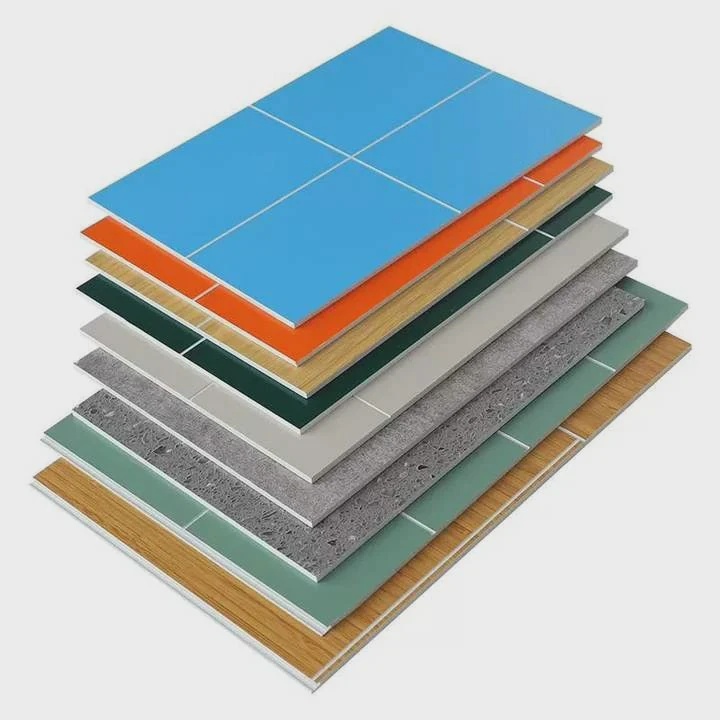
Tile durability is not just about hardness. It is about how the system performs as a whole.
1. Load Distribution
Tiles are strong but brittle. They need even support. Underlayment spreads weight across the surface. Without it, pressure points can form.
For example:
- Heavy furniture can create stress spots
- Foot traffic can cause uneven wear
A good underlayment prevents these issues.
2. Movement Control
Buildings naturally shift over time. Temperature changes also cause expansion and contraction.
Without proper underlayment:
- Tiles may crack
- Grout lines may break
Uncoupling membranes are especially useful here. They absorb small movements and protect the tile layer.
3. Moisture Protection
Water is one of the biggest threats to tile floors. It can weaken adhesives and damage subfloors.
Cement board and membranes help by:
- Blocking moisture penetration
- Preventing mold growth
- Maintaining structural stability
4. Adhesion Strength
Underlayment improves how well tiles stick. A smooth and stable surface allows better bonding with thin-set mortar.
Poor bonding can lead to:
- Loose tiles
- Hollow sounds
- Early failure
Durability Comparison
| Factor | Without Underlayment | With Proper Underlayment |
|---|---|---|
| Crack Resistance | Low | High |
| Moisture Protection | Weak | Strong |
| Lifespan | Short | Long |
| Maintenance Cost | High | Low |
Real-World Observation
In many projects, failures happen within the first year. Most of these issues trace back to poor base preparation. A strong underlayment acts as insurance for the entire floor system.
Can cement board improve tile installation results?
Some buyers try to reduce costs by skipping cement board. That decision often leads to problems later. The savings are small, but the risks are high.
Yes, cement board improves tile installation results by providing a stable, moisture-resistant, and durable surface that enhances adhesion and reduces long-term damage.
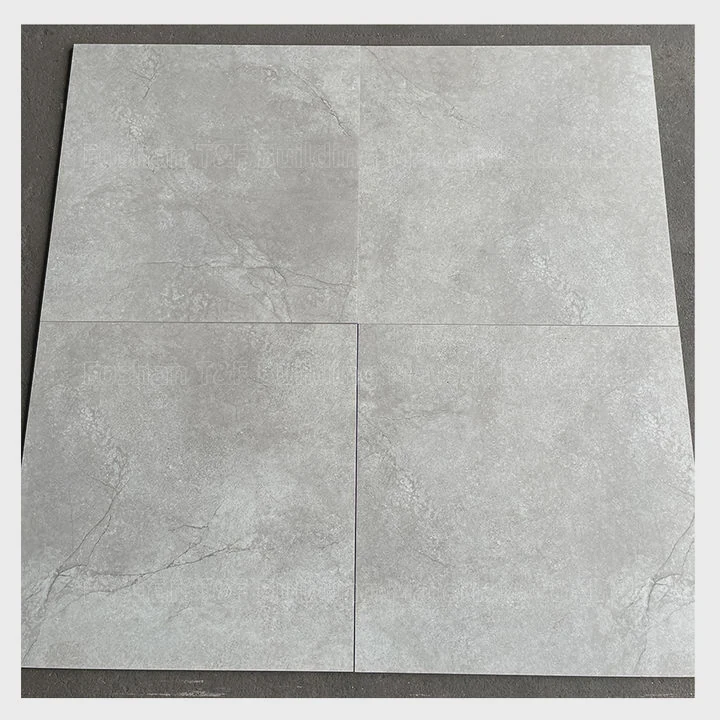
Cement board is not just an extra layer. It plays a critical role in performance.
Why Cement Board Works Well
1. Structural Stability
Cement board does not flex like wood. This rigidity keeps tiles in place. It reduces movement that causes cracks.
2. Moisture Resistance
Unlike plywood, cement board does not swell when exposed to water. This makes it ideal for:
- Bathrooms
- Kitchens
- Laundry rooms
3. Better Adhesion
Thin-set mortar bonds very well with cement board. This creates a strong connection between layers.
Installation Advantages
| Feature | Benefit |
|---|---|
| Flat Surface | Easier tile alignment |
| Strong Bonding | Reduces tile loosening |
| Water Resistance | Prevents subfloor damage |
| Durability | Extends floor lifespan |
Common Mistakes to Avoid
Even with cement board, mistakes can happen:
- Skipping thin-set under the board
- Improper screw spacing
- Not sealing joints
Each of these can weaken the system.
When Cement Board May Not Be Enough
In some cases, cement board alone is not the best solution:
- Large-format tiles may need membranes
- Floors with movement may require uncoupling systems
- Heated floors may need special layers
Practical Insight
Many professional installers still rely on cement board as a standard solution. It offers a balance of cost, performance, and reliability. For most residential projects, it remains one of the safest choices.
What factors influence underlayment selection?
Choosing underlayment is not about preference. It is about matching the material to the project conditions. Ignoring key factors often leads to failure.
Underlayment selection depends on moisture levels, subfloor type, tile size, load requirements, and environmental conditions.
Each project has unique needs. A good decision comes from understanding those details.
Key Factors to Consider
1. Subfloor Type
The base structure matters a lot.
- Concrete subfloors may need membranes
- Wooden subfloors often require cement board
Each type behaves differently under stress.
2. Moisture Exposure
Water changes everything.
| Area Type | Recommended Underlayment |
|---|---|
| Dry Areas | Plywood or cement board |
| Wet Areas | Cement board or membrane |
| High Humidity | Waterproof membrane |
Ignoring moisture leads to swelling and failure.
3. Tile Size and Weight
Large tiles need more support. They are more sensitive to movement.
- Small tiles are more forgiving
- Large slabs need stable bases
This is why membranes are popular with large-format tiles.
4. Load and Traffic
Commercial spaces need stronger systems. Heavy loads require:
- Mortar beds
- Reinforced underlayment
Residential areas may not need such heavy solutions.
5. Budget and Installation Skill
Some options cost more but save money long term.
- Cement board is affordable and reliable
- Membranes cost more but reduce risk
- Mortar beds require skilled labor
Decision Framework
A simple way to choose:
- Check moisture level
- Identify subfloor type
- Evaluate tile size
- Consider traffic load
- Match with budget
Common Buyer Mistake
Many buyers focus only on price. They choose the cheapest option. Later, they face repairs that cost far more than the original savings.
Practical Perspective
A well-chosen underlayment does not just support tiles. It protects the entire investment. In long-term projects, the base layer often matters more than the tile itself.
Conclusion
The best underlayment depends on real project needs, not trends. Cement board and membranes lead in reliability. A strong foundation ensures long-lasting tile performance and fewer problems over time.