What to Clean Shower Tile With?
- Sinotiles
- 2026-03-27
Soap scum builds up fast. It makes tiles look dull and dirty. Many people try random cleaners but see poor results.
The best way to clean shower tile is to use the right cleaner for your tile type, combine it with proper tools, and follow a simple routine to remove soap scum, mold, and hard water stains effectively.
Many people waste time using the wrong products. Some cleaners even damage tiles. So it is important to know what works and what does not before starting.
Which Products Remove Soap Scum Effectively?
Soap scum looks stubborn. It sticks to tile and glass. Regular cleaning often fails to remove it fully.
The most effective products for soap scum are acidic cleaners, alkaline degreasers, and specially formulated bathroom cleaners that break down mineral deposits and soap residue.
Soap scum forms when soap mixes with minerals in water. This creates a hard layer that sticks to surfaces. So basic water cleaning does not work. The cleaner must break down both grease and minerals.
Types of Effective Cleaners
Different cleaners work in different ways. Each has a role.
| Cleaner Type | How It Works | Best For |
|---|---|---|
| Acidic cleaners | Dissolve mineral deposits | Hard water and soap scum |
| Alkaline cleaners | Break down grease and oils | Body oils and shampoo buildup |
| Bathroom sprays | Combined formulas | Daily maintenance |
Acidic cleaners are strong against mineral buildup. Vinegar is a common example. It helps loosen the white film on tiles.
Alkaline cleaners target oils. Soap contains fats. These fats stick to tile surfaces. So alkaline cleaners help break them apart.
Commercial bathroom cleaners often combine both functions. That makes them more balanced for regular use.
When Soap Scum Becomes Stubborn
Sometimes soap scum sits for months. It becomes thick and hard.
In this case, one quick clean is not enough. A layered approach works better:
- First, apply an acidic cleaner to soften deposits
- Next, scrub with a mild abrasive
- Then rinse and repeat if needed
Warm water also helps. It softens buildup before cleaning starts.
Common Mistakes
Many people use too much force. That can damage tile glaze.
Others mix cleaners randomly. That can reduce effectiveness or cause safety issues.
Simple steps often work best:
- Use the right cleaner
- Let it sit for a few minutes
- Scrub gently but consistently
Consistency matters more than strength.
Can Vinegar Damage Certain Tile Surfaces?
Vinegar is popular. It is cheap and easy to find. But it is not always safe.
Vinegar can damage natural stone tiles like marble and travertine because its acidity reacts with calcium, causing surface etching and dullness.
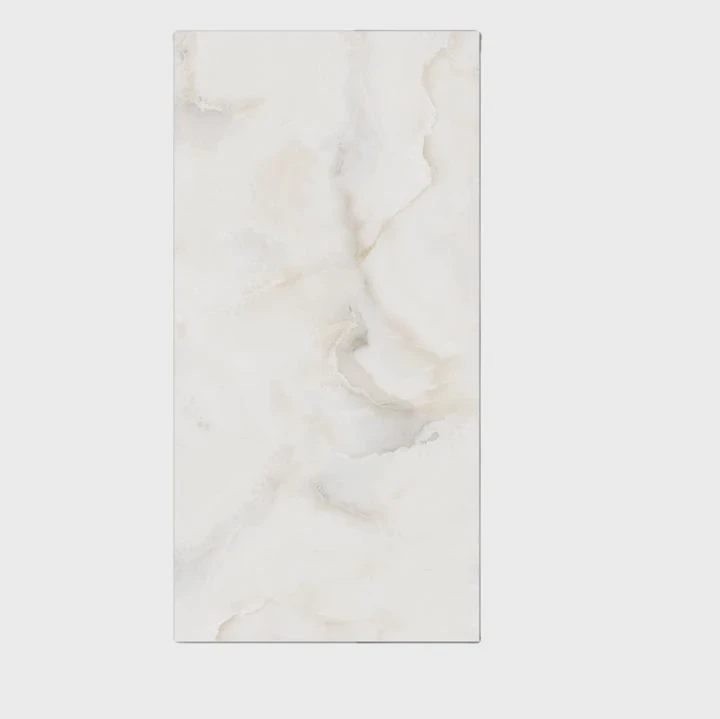
Vinegar contains acetic acid. This acid dissolves minerals. That is why it removes soap scum well. But it also reacts with stone surfaces.
Safe vs Unsafe Tile Types
Not all tiles react the same way.
| Tile Type | Vinegar Safe? | Reason |
|---|---|---|
| Ceramic | Yes | Non-porous and acid-resistant |
| Porcelain | Yes | Dense and durable surface |
| Marble | No | Contains calcium carbonate |
| Travertine | No | Highly sensitive to acid |
Ceramic and porcelain tiles are safe. They have a protective glaze. Acid does not easily damage them.
Natural stone is different. It reacts with acid. Even a short exposure can leave marks.
What Damage Looks Like
Damage from vinegar is not always obvious at first.
Signs include:
- Dull spots
- Loss of shine
- Rough texture
- Light discoloration
These changes are permanent. Polishing may reduce the effect, but full repair is difficult.
Better Alternatives for Sensitive Tiles
For natural stone, use neutral cleaners. These are pH-balanced and safe.
Options include:
- Stone-specific cleaners
- Mild dish soap with warm water
- Soft cloth cleaning methods
Avoid anything acidic. Even lemon juice can cause damage.
Long-Term Care Tips
Using the wrong cleaner once may not ruin the tile. But repeated use will.
It is better to:
- Identify tile material first
- Test cleaner on a small area
- Follow manufacturer guidelines
This avoids costly mistakes later.
Are Commercial Cleaners Better Than DIY Solutions?
Many people ask this question. Both options have benefits. But they serve different needs.
Commercial cleaners are generally more consistent and powerful, while DIY solutions are cost-effective and safer for light cleaning when used correctly.
The choice depends on the situation. Heavy buildup needs stronger solutions. Light maintenance can use simple DIY methods.
Comparing Commercial and DIY Options
| Factor | Commercial Cleaners | DIY Solutions |
|---|---|---|
| Strength | High | Moderate |
| Cost | Higher | Low |
| Convenience | Ready to use | Requires mixing |
| Safety | May contain chemicals | Usually safer |
Commercial cleaners are designed for performance. They include ingredients that target specific stains.
DIY solutions are simpler. Common ingredients include vinegar, baking soda, and dish soap.
When to Use Commercial Cleaners
Commercial products are better for:
- Heavy soap scum
- Mold and mildew
- Hard water stains
- Deep cleaning tasks
They save time. They also reduce effort.
When DIY Works Best
DIY methods are useful for:
- Weekly maintenance
- Light cleaning
- Budget-friendly routines
A mix of vinegar and water can remove light buildup. Baking soda adds gentle scrubbing power.
Balancing Both Approaches
Using both methods together is often the best strategy.
For example:
- Use DIY for regular cleaning
- Use commercial cleaner once a month
This keeps tiles clean without overusing strong chemicals.
Important Considerations
Always read labels on commercial cleaners. Some are too strong for certain surfaces.
For DIY solutions:
- Avoid mixing incompatible ingredients
- Use correct ratios
- Rinse thoroughly
Simple planning improves results.
What Tools Improve Shower Tile Cleaning Results?
Many people focus only on cleaners. But tools are just as important.
The right tools, such as soft brushes, microfiber cloths, and grout scrubbers, improve cleaning efficiency and prevent surface damage.
Using the wrong tool can scratch tiles. It can also make cleaning harder.
Essential Cleaning Tools
Each tool has a purpose.
| Tool Type | Use Case |
|---|---|
| Soft brush | General tile scrubbing |
| Grout brush | Cleaning between tiles |
| Microfiber cloth | Wiping and polishing |
| Sponge | Applying cleaner evenly |
| Squeegee | Removing water after cleaning |
Soft brushes remove dirt without scratching. They are safe for most tile types.
Grout brushes are narrow. They reach deep lines where dirt collects.
Microfiber cloths absorb water well. They also leave fewer streaks.
Why Tools Matter
Even the best cleaner fails without proper tools.
For example:
- Thick soap scum needs scrubbing
- Grout lines trap dirt deeply
- Water stains require wiping, not just rinsing
Tools improve contact between cleaner and surface.
Choosing the Right Tool
Avoid metal brushes. They can damage tile surfaces.
Choose tools based on tile type:
- Smooth tiles need soft cloths
- Textured tiles need brushes
- Delicate tiles need gentle handling
Comfort also matters. A good grip makes cleaning easier.
Improving Cleaning Efficiency
Using tools correctly saves time.
A simple method:
- Apply cleaner
- Wait a few minutes
- Scrub with the right tool
- Rinse and dry
Drying is often skipped. But it prevents new water spots.
Long-Term Benefits
Good tools last longer. They also protect tiles.
Replacing worn tools is important. Old brushes lose effectiveness.
Clean tools after use. This prevents bacteria buildup and keeps them ready for next time.
Conclusion
Cleaning shower tile becomes simple when the right products and tools are used together. Understanding tile type, choosing safe cleaners, and using proper tools helps achieve better results and protects surfaces over time.