How to Polish Travertine Tile?
- Sinotiles
- 2026-06-04
Travertine tiles can lose their shine over time. Dirt, foot traffic, and improper cleaning often leave the surface dull and lifeless.
Travertine can be polished using diamond polishing pads, stone polishing powders, and professional-grade polishing compounds. The process can restore shine, remove minor dullness, and improve the stone’s appearance. In most cases, sealing is recommended after polishing to protect the surface and maintain the finish.
Many homeowners, contractors, and tile distributors ask the same questions before starting a restoration project. Understanding the right products, methods, and maintenance schedule helps protect travertine and keeps it looking attractive for years.
What Products Polish Travertine Effectively?
Travertine is a natural stone with a unique surface structure. Many people assume that any floor polish will work. That mistake can damage the stone or leave uneven results. The best polishing products are designed specifically for natural stone surfaces.
The most effective products for polishing travertine include diamond polishing pads, marble and travertine polishing powders, stone polishing compounds, and professional polishing creams. These products help smooth the surface and enhance the natural shine without damaging the stone.
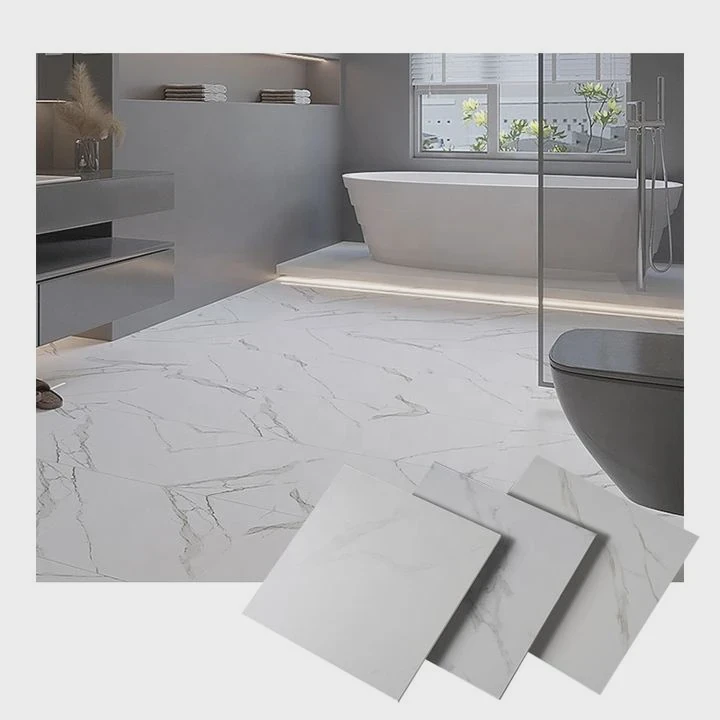
Travertine polishing products fall into several categories. Each one serves a different purpose during the restoration process.
Diamond Polishing Pads
Diamond pads are commonly used by professionals. They gradually smooth the stone surface through different grit levels.
| Grit Level | Purpose |
|---|---|
| 50-200 | Remove scratches and damage |
| 400-800 | Smooth the surface |
| 1500-3000 | Create a polished finish |
| Buff Pad | Final shine enhancement |
The process starts with coarse grits and moves toward finer grits. This method creates a smooth and reflective surface.
Polishing Powders
Polishing powders contain fine abrasive materials and chemical compounds. They react with the stone surface and improve shine.
Benefits include:
- Easy application
- Good for light restoration
- Cost-effective for small areas
- Suitable for DIY projects
Polishing powders work best when the travertine already has a relatively smooth surface.
Stone Polishing Creams
Polishing creams are often used after grinding and honing. They help achieve a deeper gloss.
Many contractors prefer polishing creams because:
- They produce consistent results
- They are easy to control
- They reduce the risk of over-polishing
What Products Should Be Avoided?
Some products marketed as floor polish are not suitable for travertine.
Avoid:
- Wax-based floor coatings
- Acrylic finishes
- Harsh acidic cleaners
- Vinegar-based solutions
Acidic products can etch travertine because the stone contains calcium carbonate. Even small amounts of acid may leave dull spots.
Choosing the Right Product
The best choice depends on the current condition of the tile.
| Tile Condition | Recommended Product |
|---|---|
| Light dullness | Polishing powder |
| Minor scratches | Diamond pads + powder |
| Moderate wear | Full honing and polishing |
| Heavy damage | Professional restoration |
A simple polishing powder may be enough for a residential bathroom. Large commercial spaces often require complete mechanical polishing.
The key is matching the product to the condition of the stone. Using stronger products than necessary increases cost and labor without improving results.
Can Polishing Restore Dull Travertine?
A dull travertine floor can make an entire room look old and poorly maintained. Many owners wonder if replacement is the only solution.
In many cases, polishing can successfully restore dull travertine. The process removes surface wear, smooths minor scratches, and brings back the stone’s natural luster. However, severe damage may require honing or grinding before polishing.
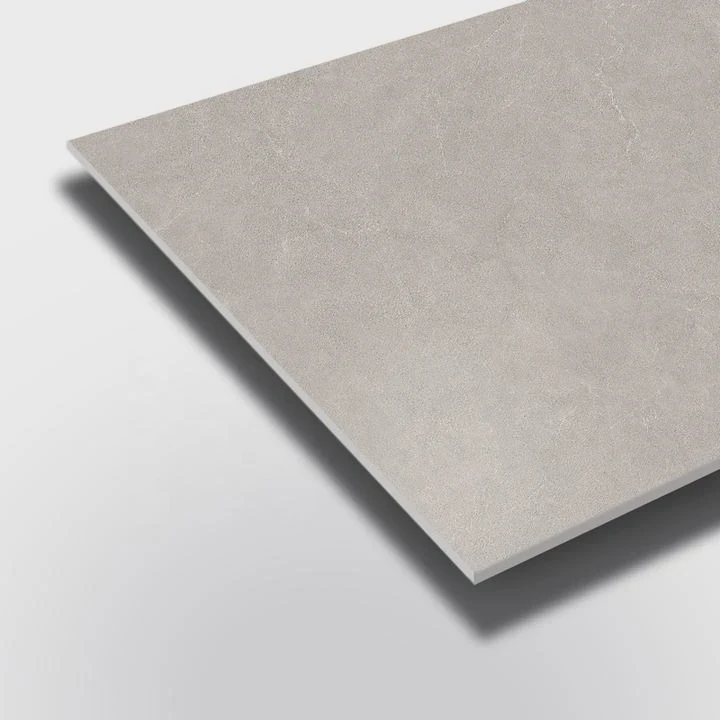
Travertine becomes dull for several reasons.
Common Causes of Dullness
Daily wear slowly affects the surface.
Common causes include:
- Foot traffic
- Dirt abrasion
- Improper cleaning products
- Hard water deposits
- Soap residue
- Surface scratches
Many people believe dirt is the main problem. In reality, microscopic scratches often reduce reflectivity and create a dull appearance.
How Polishing Works
Polishing restores shine by smoothing the surface.
The process generally follows these steps:
- Deep cleaning
- Scratch removal
- Honing
- Polishing
- Sealing
As the surface becomes smoother, it reflects more light. This reflection creates the polished appearance people expect.
When Polishing Is Enough
Not every dull floor needs complete restoration.
Polishing alone may work when:
- Scratches are shallow
- Surface wear is light
- No deep etching exists
- Tile edges remain intact
Many residential floors fall into this category.
When Additional Restoration Is Needed
Some floors require more than polishing.
Examples include:
| Problem | Additional Process |
|---|---|
| Deep scratches | Grinding |
| Uneven surface | Honing |
| Acid etching | Surface refinishing |
| Heavy traffic wear | Full restoration |
In these situations, polishing serves as the final step rather than the entire solution.
Real-World Performance
In commercial projects, polished travertine often regains a significant amount of its original appearance. Hotels, retail stores, and office buildings frequently restore travertine instead of replacing it because restoration is often more economical.
A restoration project can dramatically improve:
- Shine
- Color depth
- Surface smoothness
- Overall appearance
The stone itself usually remains structurally sound even after years of wear. Most of the visible deterioration occurs only on the top layer.
This makes polishing one of the most effective methods for extending the life of travertine flooring.
Is Sealing Needed After Polishing?
Many people focus on polishing and forget about protection. A polished surface looks beautiful, but it remains vulnerable if left unsealed.
Yes, sealing is usually recommended after polishing travertine. A quality stone sealer helps prevent stains, moisture penetration, and premature wear while preserving the newly restored finish.
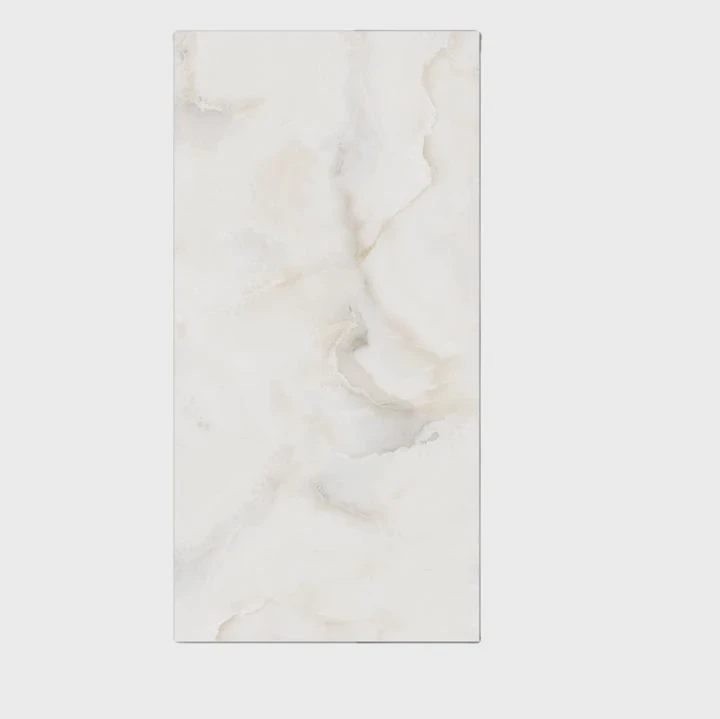
Travertine is naturally porous. Tiny holes and channels exist throughout the stone.
Why Travertine Needs Protection
Without a sealer, liquids can penetrate the surface.
Common contaminants include:
- Coffee
- Wine
- Cooking oil
- Soap residue
- Dirt
- Moisture
These substances may cause discoloration or staining.
What Sealing Does
A penetrating sealer enters the pores of the stone and creates a protective barrier.
Benefits include:
| Benefit | Result |
|---|---|
| Stain resistance | Easier cleaning |
| Moisture protection | Reduced water absorption |
| Surface preservation | Longer-lasting finish |
| Maintenance reduction | Lower cleaning effort |
The sealer does not typically create the shine. The polishing process creates the shine. The sealer protects it.
Types of Sealers
Several types of sealers are available.
Penetrating Sealers
These are the most common choice.
Advantages:
- Invisible protection
- Natural appearance
- Good stain resistance
- Long lifespan
Enhancing Sealers
These sealers deepen color and enrich the stone’s appearance.
Advantages:
- Richer tones
- Enhanced patterns
- Strong protection
Many designers choose enhancing sealers for rustic travertine installations.
Timing Matters
Sealing should occur after polishing is complete.
The typical sequence is:
- Clean
- Hone
- Polish
- Remove residue
- Apply sealer
Applying sealer before polishing can interfere with the restoration process.
Indoor vs Outdoor Applications
Outdoor travertine often faces harsher conditions.
Additional risks include:
- Rain
- UV exposure
- Temperature changes
- Organic stains
Outdoor installations usually benefit from more frequent inspections and resealing schedules.
Even though sealing adds an extra step, it protects the investment made during polishing. Without protection, newly polished travertine may lose its appearance much faster.
How Often Should Travertine Be Polished?
One of the most common maintenance questions concerns timing. Some owners polish too frequently, while others wait until the stone becomes heavily worn.
Travertine should generally be polished every 1 to 5 years depending on traffic levels, maintenance practices, and the desired appearance. High-traffic commercial areas may require more frequent restoration than residential spaces.
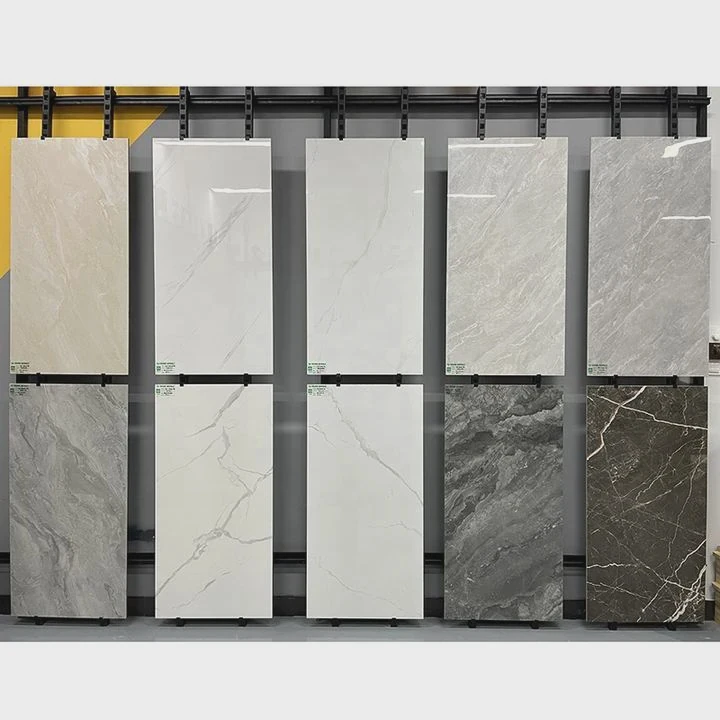
There is no single schedule that works for every installation.
Factors That Affect Polishing Frequency
Several variables determine how quickly travertine loses its shine.
Foot Traffic
Traffic has the largest impact.
| Area Type | Typical Frequency |
|---|---|
| Residential bathroom | 4-5 years |
| Residential living room | 3-5 years |
| Hotel lobby | 1-2 years |
| Shopping center | 1 year |
| Commercial hallway | 1-2 years |
Higher traffic creates more abrasion.
Cleaning Practices
Proper cleaning extends the polished finish.
Recommended practices include:
- Daily dust removal
- Neutral pH cleaners
- Immediate spill cleanup
- Soft cleaning tools
Poor cleaning habits can shorten restoration intervals significantly.
Surface Finish
Different finishes wear differently.
Polished travertine tends to show scratches more clearly than honed finishes. As a result, owners may choose more frequent polishing to maintain a glossy appearance.
Signs That Polishing Is Needed
Instead of following a fixed schedule, many facility managers monitor visual indicators.
Common signs include:
- Reduced shine
- Visible traffic paths
- Fine scratches
- Uneven reflection
- Surface haze
These signs often appear before structural damage develops.
Preventive Maintenance vs Restoration
Preventive maintenance is usually less expensive than major restoration.
A basic maintenance plan may include:
| Task | Frequency |
|---|---|
| Dust mopping | Daily |
| Neutral cleaning | Weekly |
| Sealer inspection | Annually |
| Light polishing | Every few years |
| Full restoration | As needed |
Regular maintenance slows wear and reduces long-term costs.
Long-Term Value
Travertine is known for durability. Many installations remain in service for decades.
A consistent maintenance schedule helps:
- Preserve appearance
- Protect property value
- Reduce replacement costs
- Extend stone lifespan
For commercial projects, preventive polishing often costs far less than replacing worn flooring. For homeowners, periodic polishing keeps natural stone looking elegant without major renovation expenses.
Conclusion
Travertine can regain its natural beauty through proper polishing techniques and products. Diamond pads, polishing powders, and stone compounds help restore shine, while sealing protects the finished surface. With regular maintenance and timely polishing, travertine tiles can remain attractive, durable, and valuable for many years.