Will Bleach Damage Ceramic Tile?
- Sinotiles
- 2026-05-05
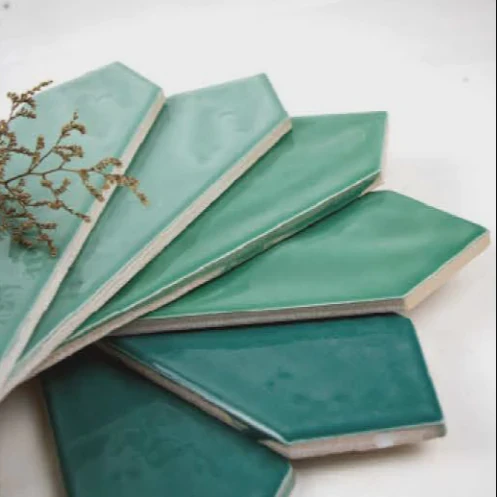
Cleaning ceramic tile seems simple, but using bleach can be tricky. Many people wonder if it will harm the tiles or grout when used regularly.
Bleach can be harmful to certain tile surfaces and grout if not used carefully. Its strong chemicals can cause discoloration, surface dulling, and weaken grout over time.
It’s important to understand how bleach interacts with both the tiles and grout before using it in your cleaning routine. Let’s explore the details.
Can bleach affect ceramic tile surfaces?
Using bleach on ceramic tiles may seem safe because the tiles are hard and glazed. But regular exposure can slowly degrade the glaze and leave the surface looking dull. Some ceramic tiles are glazed, which makes them more resistant, while unglazed tiles absorb liquids and chemicals, increasing the risk of damage.
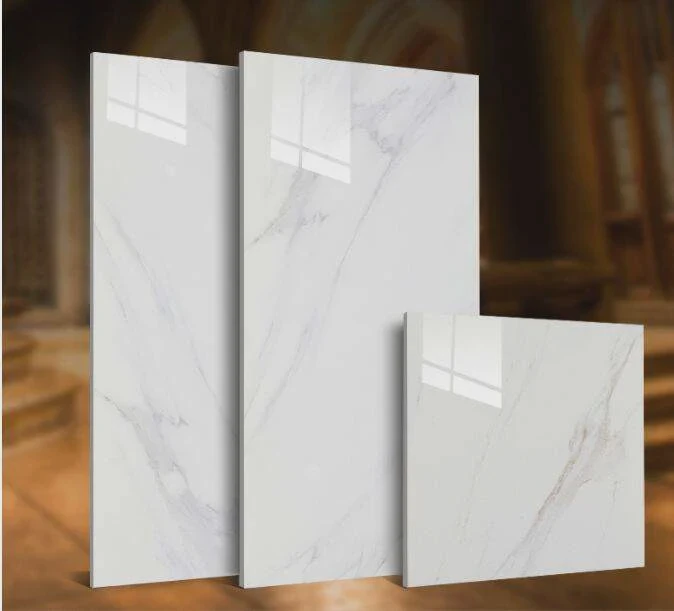
Glazed vs. Unglazed Tiles
| Type | Resistance to Bleach | Effects of Bleach Use |
|---|---|---|
| Glazed | High | Minor surface dulling with frequent use |
| Unglazed | Low | Staining, surface etching, permanent discoloration |
Over time, using bleach on tile surfaces can lead to a change in color, especially for darker tiles. The chemical can react with the minerals in the tile, creating uneven tones. Also, high concentrations or leaving bleach on the surface for too long can erode the top layer of glaze. This can make tiles look worn or faded.
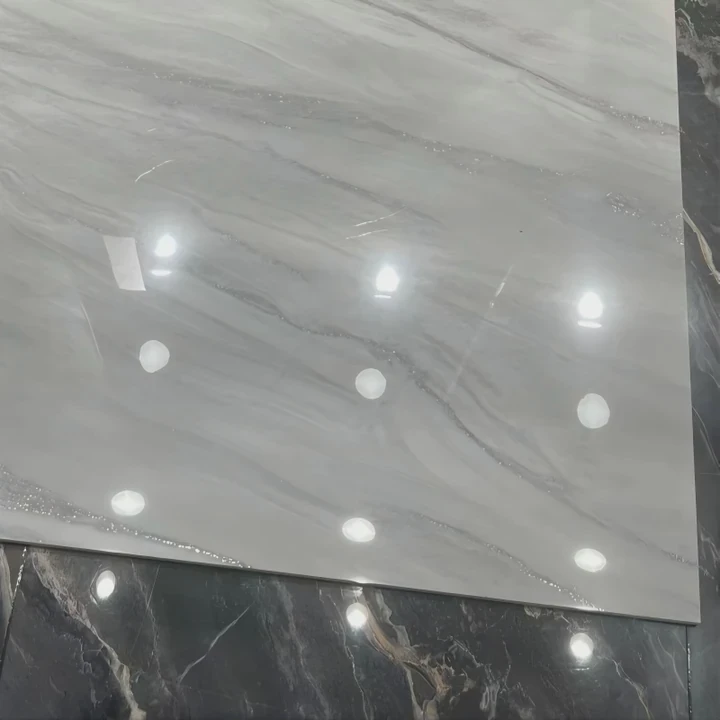
Another concern is the effect on shiny finishes. Polished or glossy tiles may lose their luster after repeated bleach exposure. Even though the tiles remain strong structurally, the appearance may degrade. For tiles in kitchens, bathrooms, or high-traffic areas, this can reduce the overall aesthetic value.
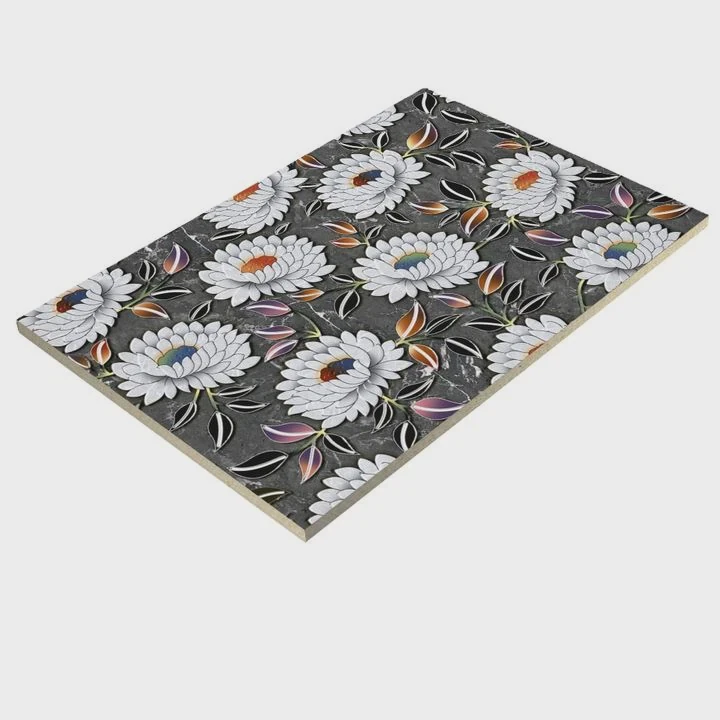
Additionally, bleach may interact differently with decorative patterns. Some colored or patterned tiles have pigments that can fade faster when exposed to bleach. In these cases, using bleach occasionally or diluted properly is crucial to prevent noticeable damage.
Overall, while ceramic tiles are tough, bleach is not completely harmless. Careful use, proper dilution, and wiping the surface promptly can help maintain both the durability and appearance of your tiles.
How does bleach impact grout lines over time?
Grout is more vulnerable than tile when it comes to bleach. Bleach can weaken the grout, cause it to crack, and discolor it from its original tone. Porous grout absorbs bleach, which leads to long-term damage.
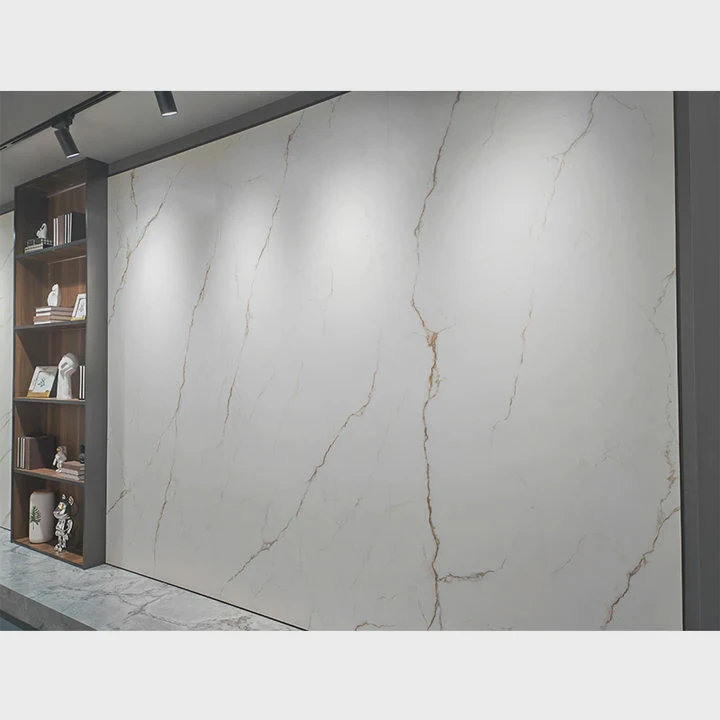
Common Grout Problems from Bleach
| Problem | Cause | Long-Term Effect |
|---|---|---|
| Discoloration | Bleach reacts with grout pigments | Faded or white streaks |
| Cracking | Chemical weakening | Structural damage and water infiltration |
| Crumbling | Frequent exposure | Need for grout replacement |
Repeated use of bleach can strip the protective sealant of grout. This allows water, dirt, and mold to penetrate more easily. Over time, grout lines may need repairs more often, which can be costly.
It is also important to note that bleach can encourage a temporary whitening effect, which some homeowners may mistake for cleaning success. This masking effect hides deeper damage and weakening. Eventually, the grout may start to crumble or develop small cracks.
Another issue is that bleach can react differently with different grout colors. Dark-colored grout may fade faster, while light-colored grout may develop uneven patches. For high-traffic areas, this can make the floors or walls look uneven or neglected.
The best approach is to avoid using bleach frequently on grout. If needed, apply it carefully in diluted form, rinse thoroughly, and follow up with a neutral pH cleaner to protect the grout’s integrity. This practice will maintain both the appearance and the durability of your tile surfaces.
Which cleaners are safer alternatives to bleach?
There are many safer options than bleach that clean effectively without harming tiles or grout. Mild acidic cleaners, enzyme-based cleaners, and pH-neutral detergents are all good choices.
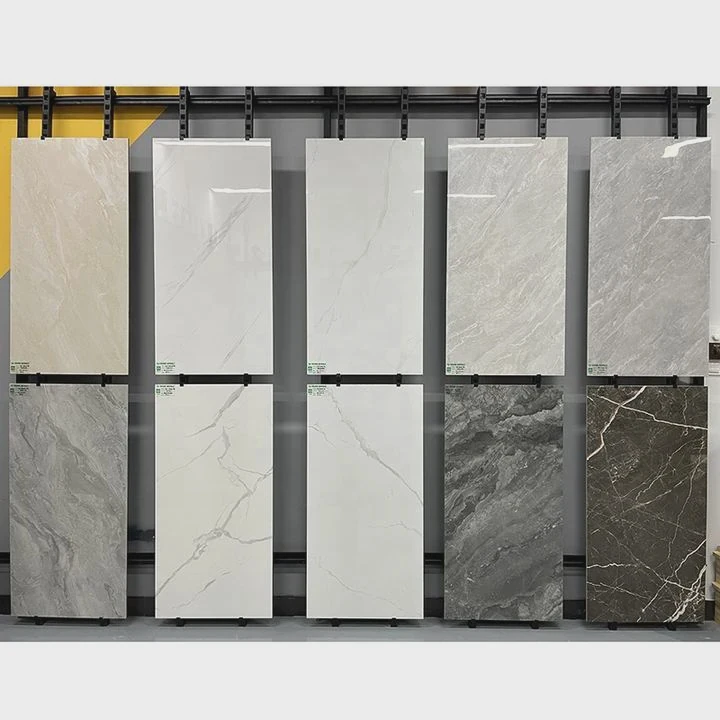
Recommended Alternatives
| Cleaner Type | Suitable For | Benefits |
|---|---|---|
| pH-Neutral Tile Cleaner | All tile surfaces | Safe, gentle, maintains shine |
| Vinegar Solution | Glazed tiles only | Removes stains, inexpensive |
| Baking Soda Paste | Grout and tiles | Gentle abrasion, safe for regular use |
| Hydrogen Peroxide | Light-colored grout | Disinfecting without strong chemical damage |
These alternatives remove dirt, stains, and mildew without causing chemical damage. For example, pH-neutral cleaners are widely available and can be used on both tiles and grout safely. Baking soda works as a mild abrasive that cleans without stripping glaze or weakening grout. Vinegar and hydrogen peroxide are good for specific areas but should be tested first on small spots.
Using these cleaners regularly can extend the life of both tiles and grout. They help maintain the surface’s original shine and color, avoiding the fading or dulling caused by bleach. Additionally, they are safer for families, pets, and indoor air quality because they release fewer harsh fumes.
A common mistake is assuming bleach is necessary for deep cleaning. In most cases, a combination of warm water, gentle scrubbing, and pH-neutral cleaners can achieve similar results without long-term risks. The goal is to balance cleanliness with preservation of materials.
Finally, when choosing alternatives, consider the type of tile, grout color, and level of soiling. Some surfaces benefit from occasional targeted bleach use, but consistent use should be avoided in favor of these gentler options.
When should bleach be avoided on tile surfaces?
Bleach should be avoided on delicate tiles, colored grout, and decorative patterns. It is also not suitable for unsealed or porous surfaces because it can soak in and cause permanent discoloration.

Situations to Avoid Bleach
| Surface Type | Reason | Safer Option |
|---|---|---|
| Unglazed tile | Absorbs chemicals, stains | pH-neutral cleaner |
| Colored grout | Fades easily | Baking soda paste or hydrogen peroxide |
| Decorative tiles | Pattern fading | Test small area or avoid entirely |
| Natural stone | Reacts chemically | Stone-specific cleaner |
High-traffic areas such as bathrooms and kitchens are especially sensitive. Frequent bleach use can accelerate wear on both tiles and grout, leading to higher maintenance costs. Bleach can also damage adhesives or sealants used beneath tiles, causing tiles to loosen or crack over time.
In cases of mold or mildew, using bleach directly on the surface may seem effective. However, alternative cleaning methods such as steaming or using hydrogen peroxide can remove mold without damaging surfaces. These options prevent weakening and maintain both appearance and longevity.
Even when bleach is considered safe, it should be diluted, applied for a short time, and rinsed thoroughly. Using it in full strength or leaving it on the surface for extended periods increases the risk of damage significantly. Regular monitoring of tile and grout conditions helps identify issues early and reduces the need for costly repairs.
Conclusion
Bleach can damage ceramic tiles and grout over time. Use it cautiously, if at all, and consider safer alternatives to protect appearance, color, and durability of your tile surfaces.
- Pre: How to Mix Tile Grout?
- Next: How to Paint Tile Ceiling?