How to Paint Tile Ceiling?
- Sinotiles
- 2026-05-05
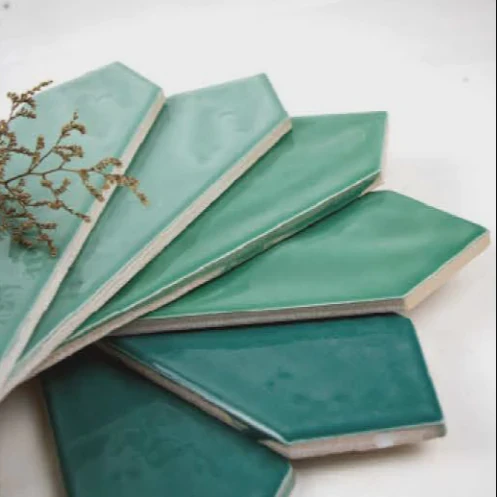
Painting a tile ceiling can transform a room, but it’s tricky. Many people struggle with peeling or uneven finishes.
Proper preparation, the right paint, and sealing are key to a long-lasting, professional look on tile ceilings.
Taking your time and understanding each step prevents mistakes and ensures a ceiling that looks great for years.
What preparation is needed before painting tile ceiling?
Preparation is the step most people skip and later regret. Tiles are smooth and sometimes greasy, so paint won’t stick well if the surface is dirty or glossy.
Cleaning, sanding, and priming are crucial steps before applying any paint to a tile ceiling.
Cleaning the Surface
Before painting, all tiles must be clean. Dust, dirt, and grease can prevent paint from sticking. Use warm water with mild detergent and a sponge. Make sure to rinse with clean water and let tiles dry completely.
Sanding for Better Adhesion
Glossy tiles resist paint. Lightly sand the tile surface with fine-grit sandpaper. This roughens the surface slightly, giving primer and paint something to grip. Be careful not to damage the tiles.
Removing Loose Materials
Check for loose or damaged tiles. Remove any debris or flaking paint. Fill gaps or cracks with tile filler or spackle. This ensures a smooth, even surface.
Masking and Covering
Protect walls, floors, and furniture with painter’s tape and plastic sheeting. Cover light fixtures and vents. Painting overhead is messy, and these steps make cleanup much easier.
Priming the Ceiling
Primers are essential for tiles. A good primer blocks stains, seals porous tiles, and improves adhesion. Use a bonding primer designed for glossy surfaces or tiles. Two coats may be needed for full coverage.
Table 1: Essential Preparation Steps for Tile Ceilings
| Step | Purpose | Tips |
|---|---|---|
| Cleaning | Remove dust, dirt, and grease | Use mild detergent and rinse well |
| Sanding | Roughen glossy surface for paint adhesion | Fine-grit sandpaper, gentle pressure |
| Repairing | Fill cracks and holes | Use tile filler or spackle |
| Masking | Protect walls, floors, furniture | Painter’s tape and plastic sheeting |
| Priming | Seal tiles and improve paint adhesion | Use bonding primer, 2 coats if needed |
Which paints adhere best to ceiling tiles?
Choosing the wrong paint leads to peeling and uneven color. Not all paints are created equal for overhead tiles.
Water-based acrylics, oil-based paints, and specialty tile paints are best, depending on tile type and desired finish.
Water-Based Acrylic Paints
Acrylic paints are easy to use, dry fast, and have low odor. They work well on primed tiles and offer flexibility, reducing cracking over time.
Oil-Based Paints
Oil-based paints provide a harder finish and stick well to tiles. They are more durable, but take longer to dry and have stronger fumes. Proper ventilation is necessary.
Specialty Tile Paints
Some manufacturers make paints specifically for tiles. These paints bond well without heavy sanding and are resistant to moisture. They are ideal for kitchens, bathrooms, and basements.
Finish Options
Matte finishes hide imperfections but may be harder to clean. Satin or semi-gloss finishes reflect light and are easier to wipe. Consider the room and use when choosing the finish.
Paint Application Tips
Use a roller with a smooth or short-nap cover for even coats. For corners and edges, a brush works best. Apply two thin coats instead of one thick layer. This prevents drips and uneven texture.
Table 2: Paint Types for Tile Ceilings
| Paint Type | Pros | Cons | Best Use |
|---|---|---|---|
| Water-based acrylic | Easy to clean, low odor, flexible | Less durable than oil-based | Living rooms, bedrooms |
| Oil-based | Hard finish, durable, sticks well | Strong odor, long drying time | Kitchens, bathrooms, high-traffic areas |
| Specialty tile paint | Bonds without heavy prep, moisture-resistant | More expensive, limited color choices | Bathrooms, basements, damp areas |
How do you ensure paint durability overhead?
Paint durability is affected by preparation, paint choice, and application technique. Many ceilings peel or crack if any step is skipped.
Proper priming, correct paint, thin even layers, and drying time are key to long-lasting tile ceiling paint.
Apply Thin, Even Layers
Thick paint drips easily on ceilings. Roll or brush thin coats and allow full drying between layers. Two or three thin coats work better than one thick coat.
Maintain Consistent Drying Conditions
Humidity and temperature affect paint adhesion. Keep the room ventilated and avoid painting on very humid or cold days. Ideal temperature is 65–75°F (18–24°C).
Use Quality Tools
Cheap brushes and rollers can leave streaks or shed fibers. Use smooth, lint-free rollers and angled brushes for edges. This ensures a clean, professional finish.
Avoid Touching or Scraping
After painting, avoid touching tiles or placing anything on them until fully cured. Some paints take 7–14 days to harden completely, even if dry to touch.
Maintenance Tips
Dust the ceiling occasionally to prevent buildup. Clean stains carefully with a damp cloth and mild detergent. Avoid harsh chemicals that can damage the paint.
Understanding Tile Material
Durability varies by tile type. Vinyl or PVC tiles hold paint differently than ceramic. Adjust preparation and primer type accordingly. For porous tiles, multiple primer coats may be necessary.
Ceiling Slope and Lighting
Overhead surfaces vary. Sloped ceilings need more care to prevent drips. Use proper lighting to spot missed spots and ensure even coverage.
When should sealant be applied after painting?
Sealant protects the paint and increases durability. It is especially important in kitchens, bathrooms, and high-humidity areas.
Sealant should be applied after paint has fully cured, usually 24–48 hours for fast-drying paints, or longer for oil-based paints.
Choosing the Right Sealant
Clear acrylic or polyurethane sealants work well. They add a protective layer without changing color. For glossy finishes, a satin or matte sealant preserves the original look.
Application Tips
Use a small foam roller or brush. Apply one even coat, avoid pooling or drips. Wait recommended time before adding additional coats if needed.
Timing for Sealant
- Water-based paint: Seal after 24–48 hours of drying.
- Oil-based paint: Seal after 7–14 days to allow full curing.
- Specialty tile paint: Follow manufacturer instructions; some require no sealant.
Benefits of Sealant
- Increases resistance to moisture and stains
- Reduces peeling or chipping
- Makes cleaning easier
- Extends overall lifespan of painted ceiling
Common Mistakes
Applying sealant too soon can cause cloudiness or trapping moisture. Too late, and tiles are vulnerable. Always test a small area before full application.
Alternative Protection Methods
In areas with low humidity, sealant may be optional. Regular cleaning and avoiding abrasive tools can also preserve paint. However, in high-traffic or moisture-prone rooms, sealant is strongly recommended.
Monitoring and Maintenance
Even after sealing, monitor your ceiling for peeling, cracks, or discoloration. Touch up small areas promptly. Regular inspection ensures long-lasting results and avoids costly re-painting.
Conclusion
Painting tile ceilings transforms spaces but requires preparation, proper paint, careful application, and sealing. Follow these steps for a durable, beautiful ceiling that lasts for years.