How to Clean Stained Tile?
- Sinotiles
- 2026-05-22
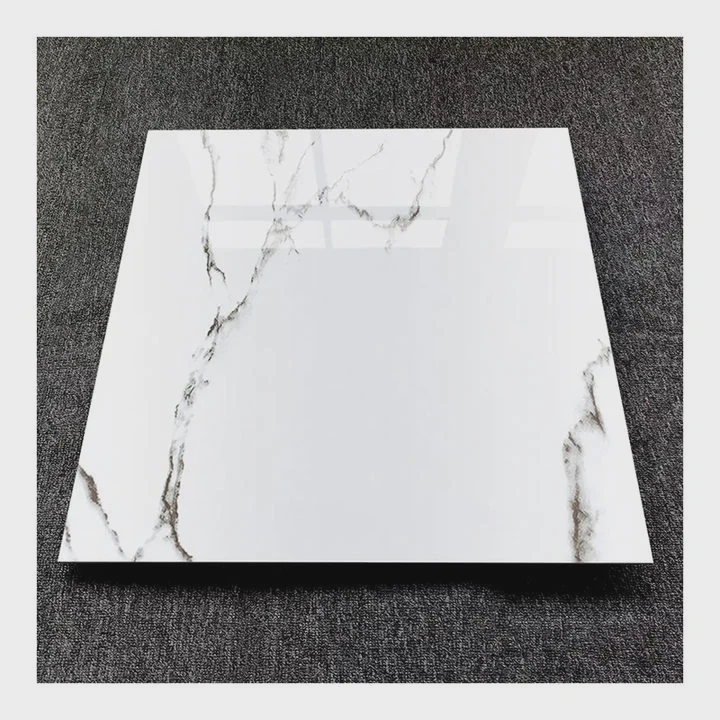
Stained tiles can make even a clean room look dirty and neglected. Oil, soap residue, rust, and mold often become harder to remove when ignored too long.
The best way to clean stained tile is to use the right cleaner, apply proper scrubbing techniques, match cleaning products to tile types, and follow preventive maintenance methods regularly.
Tile stains appear in kitchens, bathrooms, swimming pools, commercial buildings, and outdoor spaces. Different stains require different cleaning approaches. Strong chemicals may damage some tile surfaces, while weak cleaners may fail to remove deep stains. A balanced cleaning process helps restore the tile appearance while protecting the surface for long-term use.
What Cleaners Remove Tough Tile Stains Effectively?
Some stains disappear quickly with basic cleaning. Others become deeply embedded and require specialized products to break down dirt, minerals, or oils safely.
Effective tile stain cleaners include pH-balanced detergents, oxygen bleach, vinegar solutions, enzyme cleaners, alkaline degreasers, and stain-specific tile cleaning products.
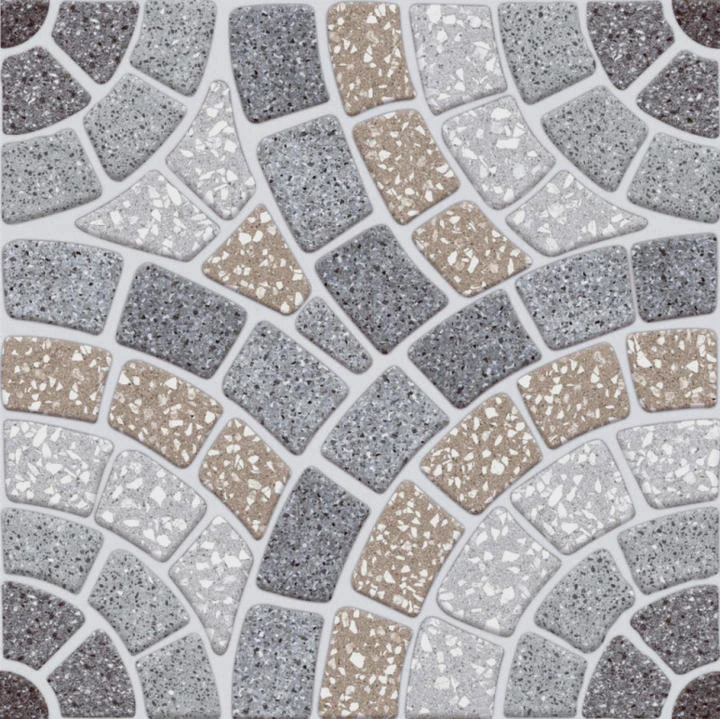
Tile stains come from many different sources. Kitchens often collect grease and food stains. Bathrooms usually develop soap scum, mold, and hard water marks. Outdoor tiles may suffer from dirt, algae, and rust stains. Choosing the right cleaner depends on both the stain type and the tile material.
Mild Cleaners Work for Daily Stains
Many light stains can be removed with simple pH-neutral cleaners.
These cleaners are suitable for:
- Daily dirt
- Soap residue
- Light grease
- Dust buildup
Neutral cleaners are safer because they clean without damaging the tile glaze or grout joints.
Vinegar Helps Remove Mineral Deposits
White vinegar is commonly used for calcium buildup and hard water stains.
It works well on:
| Stain Type | Vinegar Performance |
|---|---|
| Hard water spots | Very effective |
| Soap scum | Effective |
| Light rust stains | Moderate effect |
| Grease stains | Limited effect |
However, vinegar should not be used on natural stone tiles because acid may damage the surface.
Oxygen Bleach Removes Organic Stains
Oxygen bleach is safer than chlorine bleach for many tile applications.
It helps remove:
- Mold stains
- Mildew
- Food spills
- Organic discoloration
Many homeowners prefer oxygen bleach because it produces less odor and causes less surface fading.
Alkaline Cleaners Break Down Grease
Kitchen floor tiles often collect oil and grease.
Alkaline cleaners help dissolve:
- Cooking oil
- Food residue
- Greasy buildup
- Smoke residue
Restaurants and commercial kitchens frequently use stronger degreasing products because of heavy contamination.
Enzyme Cleaners Target Organic Dirt
Enzyme cleaners break down biological materials naturally.
These cleaners are useful for:
- Pet stains
- Food residue
- Bathroom buildup
- Organic odors
Enzyme-based products are becoming more popular because they are safer for indoor environments.
Rust Removers Need Careful Use
Rust stains can become very difficult to remove if ignored for too long.
Special rust removers often contain acidic ingredients. These cleaners should be tested carefully before full use.
Professional cleaners usually avoid long chemical exposure times because aggressive rust products may weaken grout lines.
Grout Cleaners Improve Overall Appearance
Sometimes the tile itself is clean while the grout remains stained.
Dedicated grout cleaners help restore contrast between tiles and grout joints.
Dark grout discoloration often comes from:
- Mold growth
- Dirt accumulation
- Moisture exposure
- Soap residue
Test Cleaners Before Full Application
Even high-quality cleaners may react differently depending on the tile finish.
Professional maintenance teams often test products in hidden areas first to avoid:
- Surface fading
- Gloss reduction
- Chemical discoloration
- Grout damage
This step becomes especially important for polished porcelain, glass mosaics, and decorative patterned tiles.
How Can Scrubbing Improve Stain Removal Results?
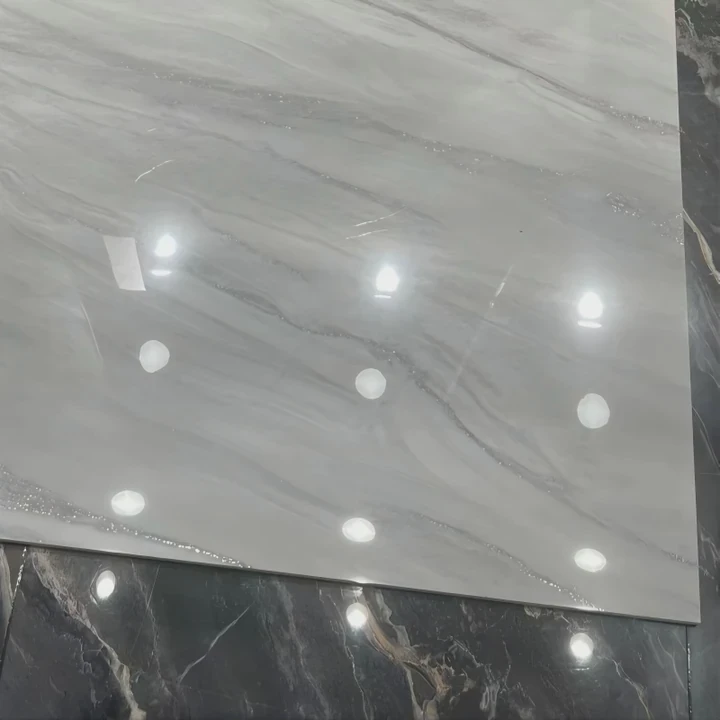
Many stains stay attached to tile surfaces even after chemical cleaners are applied. Without proper scrubbing, dirt often remains trapped inside textured areas and grout lines.
Scrubbing improves tile stain removal by loosening buildup, increasing cleaner penetration, removing embedded dirt, and restoring surface appearance more effectively.
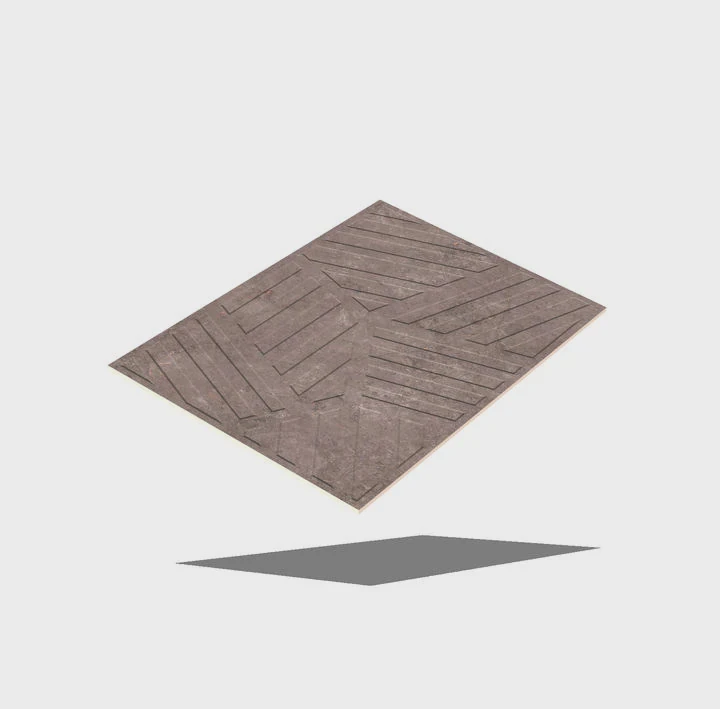
Chemical cleaners alone often cannot remove stubborn stains completely. Physical scrubbing helps break apart dirt layers and exposes deeper stains to the cleaning solution.
Scrubbing Removes Surface Buildup
Over time, dirt layers become compacted onto the tile surface.
Scrubbing helps remove:
- Soap scum
- Hardened grease
- Calcium buildup
- Mold residue
This process is especially important in kitchens and bathrooms where moisture and oils combine regularly.
Brush Selection Matters
Different tile surfaces require different scrubbing tools.
| Scrubbing Tool | Best Application |
|---|---|
| Soft nylon brush | Glossy ceramic tiles |
| Medium bristle brush | Porcelain floor tiles |
| Grout brush | Narrow grout joints |
| Non-scratch scrub pad | Delicate surfaces |
Using overly aggressive tools may scratch polished surfaces permanently.
Circular Motion Improves Cleaning
Many professional cleaners use circular scrubbing patterns because they create more even pressure across the tile surface.
This helps lift dirt from:
- Textured finishes
- Tile edges
- Grout corners
- Decorative patterns
Straight-line scrubbing sometimes misses deep grooves and uneven textures.
Warm Water Helps During Scrubbing
Warm water softens grease and soap buildup before scrubbing begins.
This reduces physical effort and improves cleaner performance.
Very hot water should still be used carefully on sensitive surfaces to avoid thermal shock in older installations.
Grout Lines Need Extra Attention
Grout absorbs stains more easily than tile surfaces because it is more porous.
Targeted grout scrubbing helps remove:
- Mold
- Black mildew
- Trapped dirt
- Soap residue
Small grout brushes often improve cleaning precision significantly.
Mechanical Scrubbers Save Time
Large commercial areas often use powered scrubbers for efficiency.
Mechanical cleaning machines help maintain:
- Shopping malls
- Hotels
- Restaurants
- Office buildings
These systems combine rotating brushes with water extraction for faster cleaning.
Avoid Excessive Force
Hard scrubbing does not always produce better results.
Excessive pressure may damage:
- Tile glaze
- Grout joints
- Decorative finishes
- Protective sealers
Professional cleaners usually rely on proper technique instead of brute force.
Consistent Cleaning Reduces Heavy Scrubbing
Regular maintenance prevents stains from hardening deeply into the surface.
Light weekly scrubbing often eliminates the need for aggressive restoration work later.
This helps preserve the tile appearance and extends the lifespan of both the tiles and grout system.
Why Choose Appropriate Cleaners for Tile Types?

Using the wrong cleaner may remove stains temporarily but also damage the tile surface slowly over time. Some products react badly with certain tile materials.
Appropriate cleaners protect tile surfaces, preserve finish quality, prevent chemical damage, and improve long-term cleaning safety for different tile types.
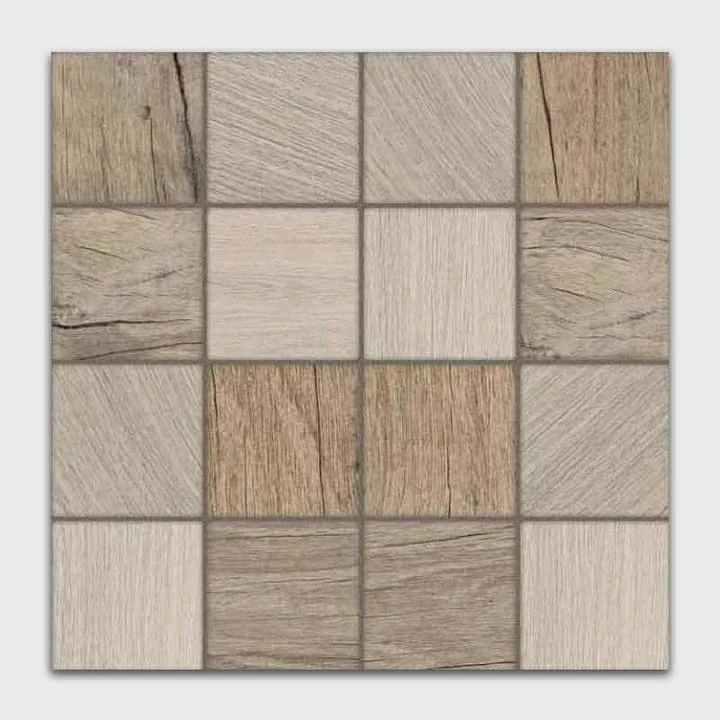
Not all tiles have the same surface properties. Ceramic, porcelain, glass, and natural stone each respond differently to cleaning chemicals. Understanding these differences helps avoid expensive damage.
Ceramic Tiles Are Relatively Easy to Clean
Glazed ceramic tiles resist many common household stains.
Suitable cleaners usually include:
- Mild detergents
- Neutral cleaners
- Light alkaline products
Strong acids should still be limited because repeated exposure may weaken grout and dull the glaze over time.
Porcelain Tiles Offer Strong Chemical Resistance
Porcelain tiles are denser and absorb less water than many other tile types.
This makes them more resistant to:
| Cleaning Challenge | Porcelain Performance |
|---|---|
| Water exposure | Excellent |
| Mild acids | Good resistance |
| Grease cleaning | Strong durability |
| Surface staining | Very resistant |
Porcelain is widely used in commercial spaces partly because of its strong maintenance performance.
Natural Stone Requires Extra Care
Stone tiles such as marble, travertine, and limestone react badly to acidic cleaners.
Acid exposure may cause:
- Surface etching
- Color fading
- Gloss reduction
- Permanent marks
Stone-safe neutral cleaners are usually the safest option.
Glass Tiles Scratch More Easily
Glass mosaic tiles look elegant but require softer cleaning methods.
Abrasive pads may leave visible scratches under bright lighting.
Professional installers often recommend microfiber cloths and non-scratch sponges for glass surfaces.
Matte and Polished Finishes Behave Differently
Tile finish type also affects cleaner selection.
Polished surfaces show scratches and chemical dullness more easily. Matte finishes hide scratches better but may trap dirt inside texture patterns.
Cleaning methods should match both the tile body and surface finish.
Grout Compatibility Matters
Some aggressive cleaners damage grout faster than tile surfaces.
Repeated harsh cleaning may cause:
- Cracked grout
- Water penetration
- Mold growth
- Loose tile edges
Balanced cleaners help protect the entire tile system.
Manufacturer Guidelines Improve Safety
Many tile manufacturers provide recommended cleaning instructions based on product testing.
Following these recommendations helps maintain:
- Warranty conditions
- Surface quality
- Long-term durability
- Visual appearance
Commercial projects often require approved maintenance procedures to preserve material performance standards.
Correct Cleaning Extends Tile Lifespan
Tiles are long-term building materials. Poor cleaning practices may shorten their lifespan significantly.
Appropriate cleaners help maintain:
- Original color
- Surface texture
- Water resistance
- Structural stability
This creates better long-term value for residential and commercial projects alike.
Which Methods Prevent Stains From Returning?
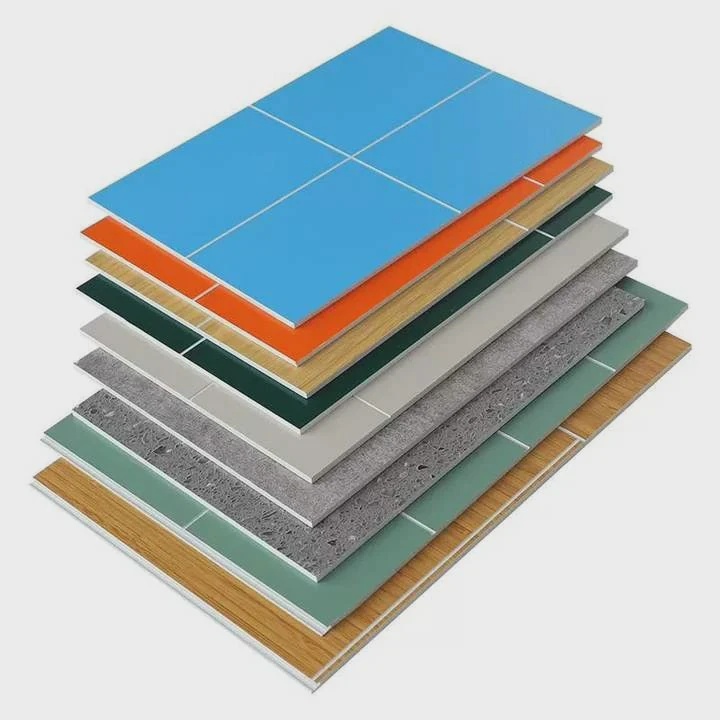
Many tile surfaces become stained again quickly after cleaning because the underlying maintenance problems were never corrected properly.
Tile stains can be prevented from returning through regular cleaning, proper sealing, moisture control, balanced water exposure, protective coatings, and fast spill removal.
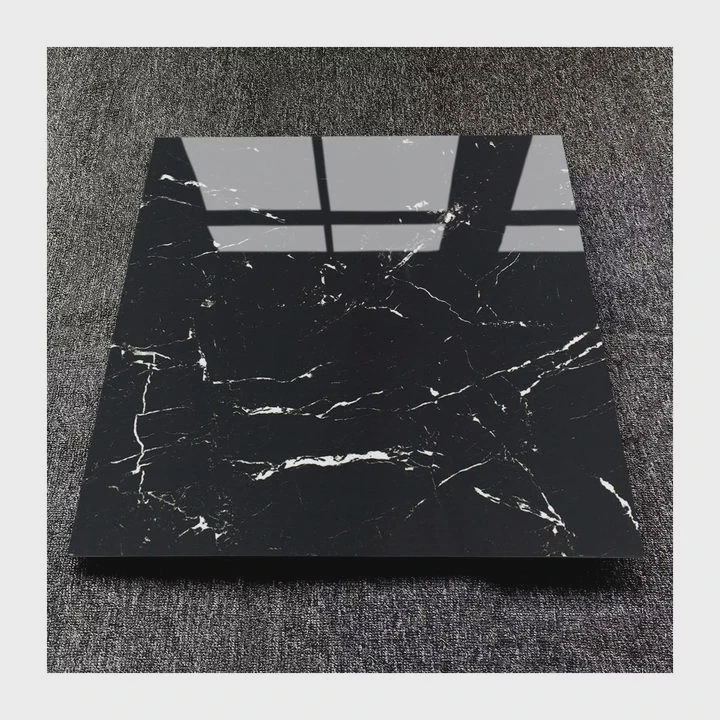
Preventive maintenance is often easier and cheaper than deep stain removal. Small cleaning habits help keep tiles cleaner for much longer periods.
Regular Cleaning Stops Dirt Accumulation
Routine maintenance prevents dirt from becoming deeply embedded.
Simple regular cleaning usually includes:
- Sweeping dust
- Mopping floors
- Wiping spills quickly
- Cleaning grout lines
This helps reduce heavy stain formation over time.
Tile Sealing Improves Protection
Some tile types and grout materials benefit from protective sealing.
Sealers help resist:
- Water absorption
- Oil penetration
- Dirt buildup
- Mold growth
Sealing is especially important for porous surfaces and grout joints.
Moisture Control Reduces Mold Growth
Bathrooms and kitchens often develop stains because of constant moisture.
Good ventilation helps reduce:
- Humidity
- Mold formation
- Mildew stains
- Damp odors
Exhaust fans and open airflow improve drying after cleaning.
Fast Spill Removal Prevents Permanent Marks
Some liquids stain quickly if left too long.
Common staining risks include:
| Spill Type | Potential Damage |
|---|---|
| Coffee | Dark discoloration |
| Cooking oil | Grease penetration |
| Rust water | Mineral stains |
| Wine | Surface discoloration |
Immediate cleaning helps prevent permanent marks from forming.
Use Floor Mats in High-Traffic Areas
Entrance mats reduce dirt entering tiled spaces.
Kitchen mats also help catch:
- Oil drips
- Water splashes
- Food spills
This reduces surface contamination significantly.
Maintain Water Chemistry Around Pools
Pool tiles often develop calcium stains because of poor water balance.
Balanced pool chemistry helps control:
- Calcium scaling
- Mineral deposits
- Algae growth
- Surface discoloration
Consistent monitoring reduces future cleaning work.
Avoid Dirty Cleaning Tools
Mops, sponges, and brushes collect dirt over time.
Dirty tools may spread stains instead of removing them.
Professional cleaning teams regularly sanitize and replace cleaning equipment to maintain better results.
Scheduled Maintenance Extends Surface Beauty
Large hotels, malls, and commercial buildings usually follow scheduled maintenance programs.
This approach helps maintain:
- Consistent cleanliness
- Surface appearance
- Slip resistance
- Long-term durability
Preventive care always costs less than full surface restoration later.
Conclusion
Cleaning stained tile requires the right combination of effective cleaners, proper scrubbing methods, tile-specific maintenance, and preventive care. With regular cleaning and appropriate products, tile surfaces can remain clean, durable, and visually attractive for many years in both residential and commercial spaces.