Can I Paint My Tile Backsplash?
- Sinotiles
- 2026-06-04
A dated tile backsplash can make an entire kitchen feel old. Many homeowners want a fresh look but do not want the cost and mess of a full tile replacement.
Yes, a tile backsplash can be painted if the surface is cleaned, sanded, primed, and coated with the right paint. A painted backsplash can improve appearance at a much lower cost than replacement, though durability depends on preparation, paint quality, and daily use.
Many people ask this question when they want a kitchen update without a major renovation. Over the years, I have seen painted backsplashes create a dramatic change for a small budget. The key is understanding both the benefits and the limits before starting. In the sections below, I will explain the preparation process, paint options, expected lifespan, and possible risks so readers can decide whether painting a tile backsplash is the right choice.
What Preparation Is Needed Before Painting Backsplash?
A tile backsplash may look easy to paint, but poor preparation often causes peeling, chipping, and uneven results. Many projects fail before the first coat of paint is even applied.
The most important preparation steps include deep cleaning, repairing damage, sanding glossy surfaces, and applying a high-quality bonding primer. Proper preparation creates a strong foundation that helps paint adhere to tile surfaces.
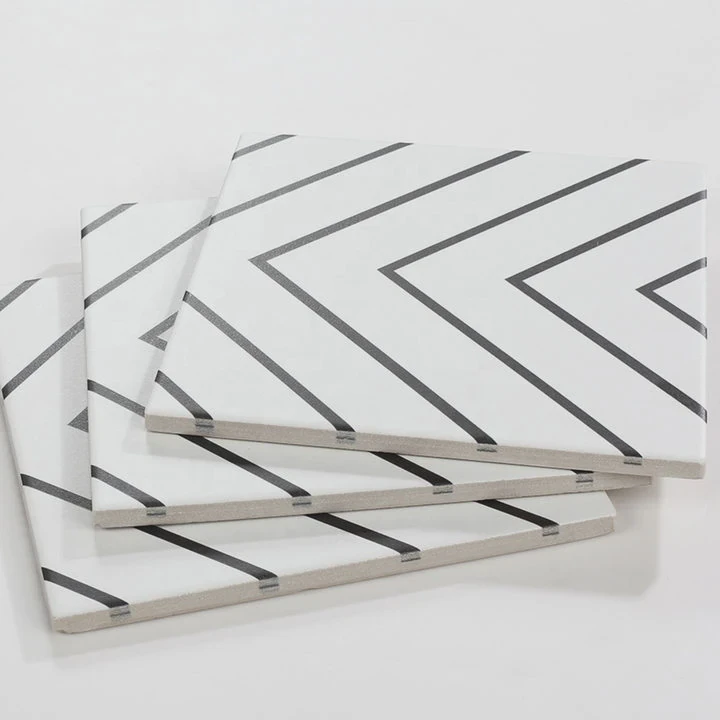
Preparation is the stage that determines whether the finished project lasts for months or for years. I always view preparation as more important than painting itself.
Start With Deep Cleaning
Kitchen backsplashes collect grease, cooking oils, dust, soap residue, and food particles. Paint cannot bond properly to a dirty surface.
A strong degreasing cleaner should remove all contaminants. Special attention should be given to areas behind cooktops where grease buildup is often heavier.
Inspect the Tile Surface
Before painting, I check for:
- Cracked tiles
- Loose grout
- Missing grout lines
- Water damage
- Mold or mildew
Any damage should be repaired before moving forward.
Sand the Glossy Finish
Many ceramic and porcelain tiles have a smooth glazed surface. Paint struggles to stick to glossy finishes.
Light sanding helps:
- Create texture
- Improve primer adhesion
- Reduce future peeling
The goal is not to remove the glaze completely. The goal is simply to roughen the surface slightly.
Apply a Quality Primer
Primer acts as a bridge between tile and paint.
Without primer, even expensive paint may fail.
A bonding primer designed for slick surfaces generally performs best.
Preparation Checklist
| Step | Purpose |
|---|---|
| Clean surface | Remove grease and dirt |
| Repair damage | Fix cracks and grout issues |
| Sand tile | Improve paint adhesion |
| Remove dust | Create a clean painting surface |
| Apply primer | Help paint bond properly |
Why Preparation Matters So Much
Many homeowners focus on paint color and finish. Those decisions matter, but preparation determines durability.
I once watched a kitchen makeover where the owner skipped sanding because the tile looked clean. The backsplash looked beautiful on day one. Within several months, paint began peeling around the stove area. The problem was not the paint. The problem was surface preparation.
Another factor is moisture. Kitchens experience temperature changes, steam, and regular cleaning. Any weakness in the paint system becomes visible quickly.
Areas That Need Extra Attention
Some backsplash locations face more stress than others:
| Area | Challenge |
|---|---|
| Behind stove | Grease and heat |
| Near sink | Water exposure |
| Corners | Cleaning friction |
| Outlet areas | Frequent touching |
These locations often benefit from extra cleaning and careful priming.
Preparation may feel slow and repetitive. Still, it is the step that gives painted tile the best chance of success. When preparation is done correctly, the paint system can perform far better and maintain a professional appearance for much longer.
Which Paints Work Best For Tile Backsplashes?
Many paint products claim to work on tile. The challenge is choosing one that can handle moisture, cleaning, and daily kitchen activity without failing.
The best paints for tile backsplashes are typically epoxy-based paints, tile-specific paints, and high-quality acrylic enamel paints used with a bonding primer. These products offer stronger adhesion and better durability than standard wall paint.
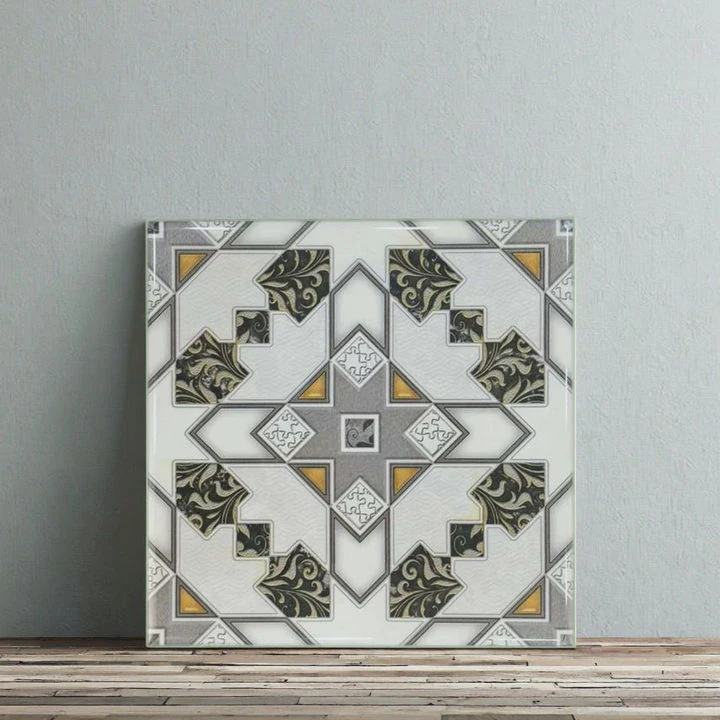
Choosing paint is about more than color. Durability, adhesion, washability, and finish all affect long-term performance.
Acrylic Enamel Paint
Acrylic enamel is one of the most common choices.
Benefits include:
- Easy application
- Good color selection
- Lower odor
- Fast drying
When combined with a strong primer, acrylic enamel can provide a smooth finish suitable for many kitchen environments.
Epoxy Paint
Epoxy coatings are known for durability.
Advantages include:
- Excellent adhesion
- Strong resistance to moisture
- Better resistance to wear
- Hard surface finish
The tradeoff is that epoxy products may be more difficult to apply and often have stronger odors during installation.
Tile-Specific Paint
Some manufacturers produce paints designed specifically for tile surfaces.
These products are often formulated to:
- Bond to ceramic tile
- Resist moisture
- Improve durability
Following the manufacturer’s instructions becomes especially important when using these systems.
Comparing Common Paint Types
| Paint Type | Durability | Ease of Use | Moisture Resistance |
|---|---|---|---|
| Acrylic Enamel | Good | High | Good |
| Epoxy Paint | Excellent | Medium | Excellent |
| Tile Paint | Good to Excellent | Medium | Good to Excellent |
Choosing the Right Finish
Paint finish affects both appearance and maintenance.
Common options include:
- Satin
- Semi-gloss
- Gloss
Semi-gloss is often preferred because it balances appearance and cleanability.
Gloss finishes are easier to wipe clean but may reveal surface imperfections more easily.
Color Selection Considerations
The color choice can dramatically influence kitchen appearance.
Lighter colors often:
- Make kitchens feel larger
- Reflect more light
- Create a clean appearance
Darker colors may:
- Add contrast
- Create a modern look
- Hide some stains
Why Ordinary Wall Paint Is Risky
Many people wonder if leftover wall paint can be used.
In most cases, this is not the best solution.
Standard interior wall paint is not designed for:
- Glazed surfaces
- Frequent scrubbing
- Kitchen grease
- Moisture exposure
The initial appearance may look acceptable, but long-term durability is usually weaker.
Building a Complete Paint System
Rather than focusing only on paint, I prefer to think about the entire system:
- Cleaning
- Sanding
- Primer
- Paint
- Optional protective topcoat
Each layer contributes to performance.
A high-quality paint cannot fully compensate for poor preparation. At the same time, excellent preparation deserves a paint product that can withstand everyday kitchen conditions. When both elements work together, the backsplash can achieve a refreshed appearance that looks far more expensive than the actual project cost.
How Long Does Painted Backsplash Last Typically?
Many homeowners worry that painting tile is only a short-term cosmetic fix. The actual lifespan depends on several important factors.
A painted tile backsplash typically lasts between three and ten years. Longevity depends on surface preparation, paint quality, kitchen conditions, cleaning habits, and whether a protective topcoat is applied.
The lifespan question does not have one simple answer because every kitchen is different.
Factors That Affect Durability
Several variables influence how long painted tile remains attractive.
These include:
- Tile material
- Preparation quality
- Primer selection
- Paint type
- Exposure to moisture
- Exposure to heat
- Cleaning frequency
A well-prepared backsplash in a lightly used kitchen often lasts much longer than one located behind a heavily used range.
Typical Lifespan Expectations
| Condition | Expected Lifespan |
|---|---|
| Poor preparation | 1–3 years |
| Average preparation | 3–5 years |
| Professional-quality preparation | 5–10 years |
These numbers are general estimates rather than guarantees.
Signs of Wear
Over time, painted backsplashes may show:
- Small chips
- Scratches
- Fading
- Staining
- Peeling near grout lines
Minor issues can often be repaired with touch-up paint.
The Role of Cleaning Habits
Cleaning methods have a significant effect on durability.
Gentle cleaning helps preserve the finish.
Harsh scrubbing can damage painted surfaces.
I usually recommend:
- Soft cloths
- Mild cleaners
- Non-abrasive products
Aggressive scrub pads can wear through paint layers over time.
Heat Exposure Matters
Areas directly behind cooking surfaces experience more stress.
Heat may contribute to:
- Paint discoloration
- Surface weakening
- Reduced adhesion
A backsplash near a stove generally ages faster than one located farther away.
Protective Topcoats
Some homeowners apply a clear protective coating.
Benefits may include:
- Better stain resistance
- Easier cleaning
- Improved durability
However, compatibility between paint and topcoat is important. Products should be chosen carefully.
Painted Tile Versus New Tile
One useful comparison is cost versus lifespan.
| Option | Initial Cost | Expected Longevity |
|---|---|---|
| Painted backsplash | Low | Several years |
| New tile installation | High | Decades |
Painting is usually considered a budget-friendly renovation rather than a permanent replacement for new tile.
Managing Expectations
One reason some homeowners become disappointed is unrealistic expectations.
Paint can transform appearance, but it does not change the underlying tile structure.
Grout lines remain visible.
Texture remains visible.
The surface still experiences normal wear.
When expectations are realistic, many people find painted backsplashes to be a practical and attractive solution. The project can deliver years of improved appearance while delaying the cost and disruption of a full renovation.
Are There Risks When Painting Kitchen Tiles?
Painting tile can be successful, but it is important to understand the potential downsides before starting. Every renovation method involves tradeoffs.
The main risks of painting kitchen tiles include peeling, chipping, moisture damage, heat-related wear, visible brush marks, and reduced durability compared to replacing the tile. Most risks can be reduced through proper preparation and material selection.
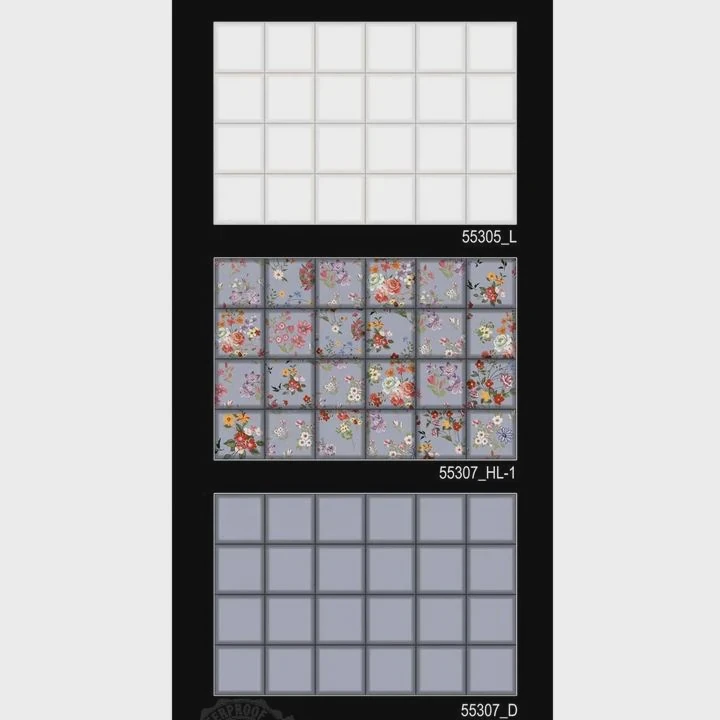
A painted backsplash can look impressive, but it is not identical to a factory-finished tile surface.
Peeling and Chipping
The most common problem is paint failure.
Peeling usually occurs because of:
- Inadequate cleaning
- Poor primer selection
- Skipped sanding
- Moisture exposure
Chipping often appears around edges and high-contact areas.
Moisture Problems
Kitchens contain water, steam, and humidity.
If moisture penetrates weak paint layers, it may cause:
- Bubbling
- Lifting
- Peeling
Sink areas are especially vulnerable.
Heat Exposure Risks
Backsplashes near cooking surfaces face additional stress.
Repeated heating and cooling cycles can weaken paint over time.
The risk becomes greater when low-quality products are used.
Appearance Challenges
Even when paint adheres well, appearance issues may occur.
Examples include:
- Brush marks
- Roller texture
- Uneven sheen
- Visible repairs
Careful application helps reduce these problems.
Grout Line Visibility
Many homeowners expect painted tile to look completely smooth.
That rarely happens.
Paint changes color but does not eliminate grout joints.
If a seamless appearance is the goal, other renovation methods may be more suitable.
Future Maintenance
Painted backsplashes often require more maintenance than original tile finishes.
Possible maintenance tasks include:
- Touch-up painting
- Spot repairs
- Recoating worn areas
These requirements should be considered before starting the project.
Risk Comparison Table
| Risk | Likelihood | Can Be Reduced? |
|---|---|---|
| Peeling | Medium | Yes |
| Chipping | Medium | Yes |
| Moisture damage | Medium | Yes |
| Heat damage | Low to Medium | Yes |
| Appearance flaws | Medium | Yes |
When Painting May Not Be Ideal
Painting may not be the best solution if:
- Tiles are severely damaged
- Water damage exists behind the wall
- The homeowner wants a permanent finish
- The backsplash receives extreme wear
In those situations, replacement may provide better long-term value.
Balancing Cost and Risk
Many renovation decisions involve balancing budget and longevity.
A full tile replacement offers maximum durability but requires greater investment.
Painting offers:
- Lower cost
- Faster completion
- Less disruption
The tradeoff is reduced durability and higher maintenance.
For many homeowners, that tradeoff is acceptable. The key is understanding the limitations before beginning the project. When the risks are managed properly, a painted backsplash can provide an attractive update that extends the life of an existing kitchen design without the expense of a complete remodel.
Conclusion
Painting a tile backsplash is a practical way to refresh a kitchen on a limited budget. Success depends on proper preparation, suitable paint products, realistic expectations, and ongoing care. When done correctly, a painted backsplash can deliver an attractive appearance that lasts for years.