Do It Yourself Tile Cleaning?
- Sinotiles
- 2026-06-04
Dirty tiles can make even a well-designed room look old, dull, and neglected. Many people spend money on products without knowing which methods actually work.
Yes, DIY tile cleaning can be highly effective when the right cleaning solution matches the type of dirt, stain, and tile surface. Common household products often deliver excellent results at a very low cost.
Many homeowners want cleaner floors and walls without hiring professionals or buying expensive cleaners. The good news is that several simple methods can remove dirt, stains, and buildup while helping tiles stay attractive for years.
What DIY Solutions Clean Tiles Best?
Many tile owners struggle with stubborn dirt that stays behind even after regular mopping. This problem often leads to frustration and wasted time.
The best DIY tile cleaning solutions usually combine mild ingredients such as vinegar, baking soda, warm water, and dish soap. The right choice depends on the tile material and the type of dirt being removed.
Tile cleaning does not always require specialty products. In many cases, simple ingredients already found in the kitchen can produce impressive results.
Why DIY Cleaning Solutions Work
Most tile surfaces collect common contaminants such as:
- Dust
- Grease
- Soap residue
- Food spills
- Hard water deposits
Many household ingredients contain natural cleaning properties that break down these substances. Vinegar helps dissolve mineral deposits. Baking soda provides gentle scrubbing power. Dish soap cuts through grease.
Popular DIY Tile Cleaning Solutions
| Solution | Best Use | How It Works |
|---|---|---|
| Warm water + dish soap | Daily cleaning | Removes grease and dirt |
| Vinegar + water | Mineral deposits | Dissolves hard water buildup |
| Baking soda paste | Tough stains | Provides gentle abrasion |
| Baking soda + vinegar | Grout cleaning | Loosens embedded dirt |
| Lemon juice | Light stains | Natural acidic cleaner |
Matching the Cleaner to the Tile
Not every tile reacts the same way.
Ceramic Tiles
Ceramic tiles are generally easy to maintain. Warm water and mild soap often provide excellent results.
Porcelain Tiles
Porcelain surfaces are dense and durable. Vinegar solutions can usually be used safely for routine cleaning.
Natural Stone Tiles
Natural stone requires more caution. Acidic cleaners such as vinegar and lemon juice may damage surfaces like marble, limestone, or travertine.
A Simple Cleaning Process
A basic cleaning routine often follows these steps:
- Sweep or vacuum loose dirt.
- Apply the cleaning solution.
- Let it sit for several minutes.
- Scrub gently with a soft brush.
- Rinse thoroughly with clean water.
- Dry the surface.
Many cleaning problems happen because people skip the rinsing step. Residue left behind can attract dirt and create a dull appearance.
Common Mistakes to Avoid
Some DIY cleaners become less effective when used incorrectly.
Avoid:
- Mixing random chemicals together
- Using steel wool on glazed surfaces
- Allowing cleaning products to dry on tiles
- Ignoring grout lines
- Using acidic cleaners on natural stone
Years ago, a cleaning project taught an important lesson. A floor appeared clean after scrubbing, but a sticky residue remained because the surface was not rinsed properly. Within days, the floor looked dirty again. Since then, rinsing has become a critical part of every cleaning process.
Simple methods often outperform expensive products when they are used consistently and correctly.
Can Household Items Remove Tile Stains?
Tile stains often seem permanent. Coffee, wine, grease, rust, and soap buildup can leave marks that survive normal cleaning.
Yes, many household items can remove tile stains effectively. Baking soda, hydrogen peroxide, vinegar, lemon juice, and dish soap are common solutions that target different types of stains.
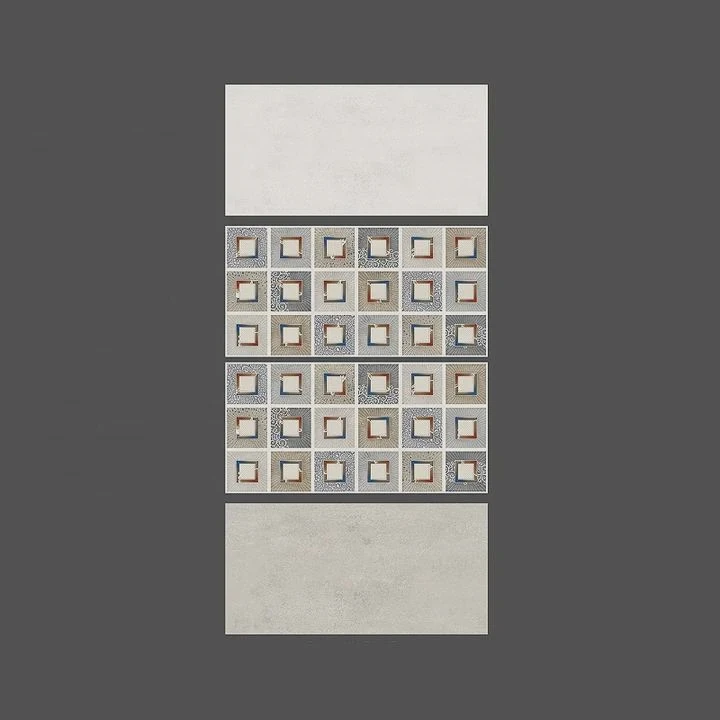
Stain removal becomes much easier when the cause of the stain is identified first. Different stains require different treatments.
Understanding Common Tile Stains
Tile stains usually fall into several categories:
- Organic stains
- Grease stains
- Rust stains
- Hard water stains
- Mold and mildew stains
Each type reacts differently to cleaning agents.
Household Items That Help Remove Stains
| Household Item | Best For | Notes |
|---|---|---|
| Baking soda | General stains | Gentle scrubbing action |
| Hydrogen peroxide | Organic stains | Brightens grout and surfaces |
| Vinegar | Hard water marks | Avoid on natural stone |
| Lemon juice | Light discoloration | Mild acidic action |
| Dish soap | Grease | Breaks down oils |
| Rubbing alcohol | Ink and marker | Spot treatment only |
Removing Organic Stains
Food spills, coffee, tea, and wine often create organic stains.
A baking soda paste can be applied directly to the affected area. After allowing it to sit for 10 to 15 minutes, gentle scrubbing usually loosens the stain.
Hydrogen peroxide can also help lift discoloration from grout.
Tackling Grease Stains
Kitchen tiles often collect grease.
Dish soap works because it breaks apart oils. A mixture of warm water and a few drops of dish soap can loosen grease before scrubbing.
Handling Hard Water Deposits
Bathrooms frequently develop white mineral buildup.
A vinegar solution can dissolve these deposits. Allowing the solution to remain on the stain for several minutes improves results.
Cleaning Mold and Mildew
Moist environments encourage mold growth.
A mixture of baking soda and water can remove light mildew. More severe cases may require hydrogen peroxide treatments.
Testing Before Full Application
Every stain removal attempt should begin with a small test area.
This step helps verify:
- Color stability
- Surface compatibility
- Cleaning effectiveness
When DIY Methods May Not Be Enough
Some stains penetrate deeply into porous materials.
These can include:
- Old rust stains
- Deep oil contamination
- Severe grout discoloration
- Long-term water damage
In these situations, professional restoration or grout replacement may be necessary.
Many people assume stronger chemicals always work better. Experience often shows the opposite. Gentle methods used repeatedly can produce excellent results without risking damage to the tile surface.
Patience usually matters more than aggressive scrubbing.
Is Steam Cleaning Safe for Tiles?
Many homeowners hear positive things about steam cleaners but worry about damaging tile surfaces or grout.
Steam cleaning is generally safe for ceramic and porcelain tiles when used properly. However, damaged grout, loose tiles, and some natural stone surfaces require extra caution.
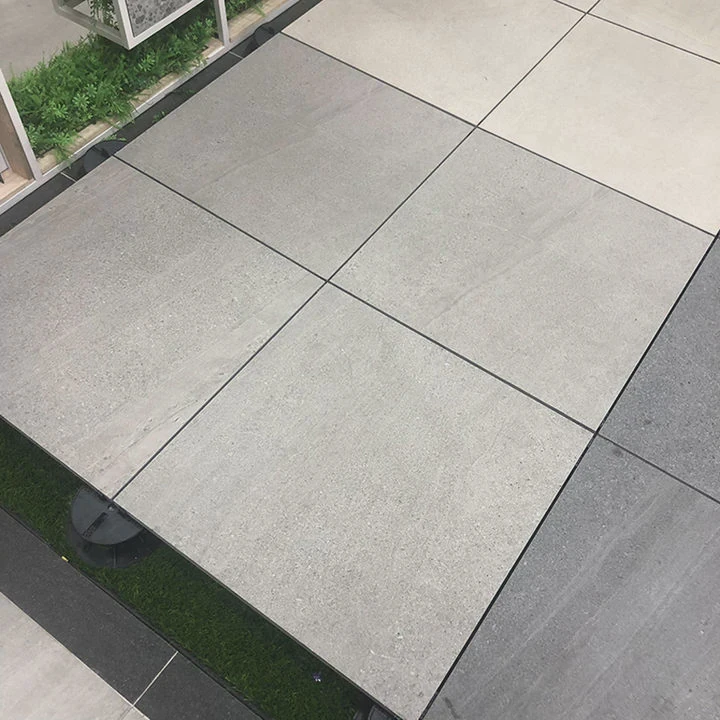
Steam cleaning has become popular because it combines heat and moisture to loosen dirt without relying heavily on chemicals.
How Steam Cleaning Works
Steam cleaners heat water to create high-temperature vapor.
The steam helps:
- Loosen dirt
- Break down grease
- Kill some bacteria
- Reduce chemical use
This approach appeals to homeowners who prefer environmentally friendly cleaning methods.
Benefits of Steam Cleaning
Reduced Chemical Exposure
Many households want fewer chemical products around children and pets.
Steam cleaning relies mainly on water.
Better Grout Cleaning
Grout often traps dirt that standard mopping cannot remove.
Steam can penetrate small crevices and loosen embedded debris.
Faster Deep Cleaning
Large areas can often be cleaned more efficiently with steam equipment.
Tile Types That Usually Handle Steam Well
Ceramic Tile
Ceramic tiles generally tolerate steam cleaning very well.
Porcelain Tile
Porcelain is highly dense and often responds excellently to steam cleaning.
Situations Requiring Caution
Not every installation should be steam cleaned.
Potential concerns include:
- Cracked grout
- Loose tiles
- Damaged sealants
- Water-sensitive substrates
Steam may force moisture into weak areas.
Natural Stone Considerations
Natural stone requires more careful evaluation.
Some stone installations may experience:
- Sealer deterioration
- Moisture penetration
- Surface sensitivity
Manufacturer recommendations should always be reviewed before steam cleaning stone surfaces.
Best Practices for Safe Steam Cleaning
Inspect the Surface First
Look for:
- Missing grout
- Cracks
- Loose edges
Repairs should be completed before cleaning.
Use Moderate Settings
Extreme heat is not always necessary.
Moderate steam settings often provide effective cleaning while reducing risk.
Keep the Steam Tool Moving
Holding the steam nozzle in one location for too long can create excessive heat exposure.
Steady movement helps protect the surface.
Common Misunderstandings
Many people believe steam cleaning automatically sanitizes every surface completely. While heat can reduce some microorganisms, cleaning performance still depends on technique, contact time, and overall maintenance practices.
Another common misconception is that steam replaces all other cleaning methods. In reality, regular sweeping and routine maintenance remain important.
Steam cleaning works best as part of a larger tile care strategy rather than a complete replacement for basic cleaning habits.
How to Maintain Tiles After Cleaning?
Freshly cleaned tiles can lose their appearance quickly if proper maintenance is ignored. Many cleaning efforts fail because ongoing care receives little attention.
The best way to maintain tiles after cleaning is through regular sweeping, prompt spill removal, periodic grout care, and the use of appropriate cleaning products for the tile type.
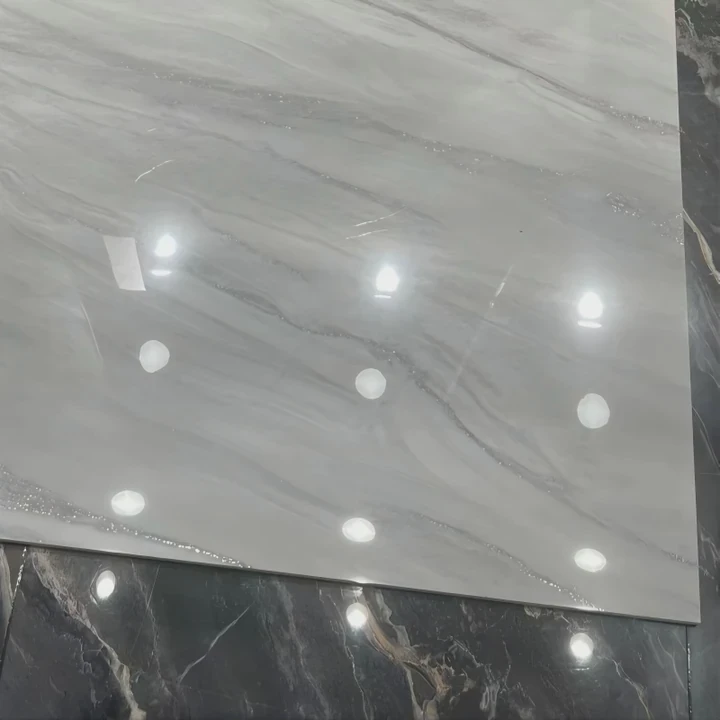
Long-term tile beauty depends less on occasional deep cleaning and more on consistent maintenance.
Create a Simple Maintenance Schedule
A predictable routine prevents dirt from accumulating.
Daily Tasks
- Sweep high-traffic areas
- Remove visible spills
- Check wet areas
Weekly Tasks
- Mop floors
- Wipe wall tiles
- Inspect grout condition
Monthly Tasks
- Deep clean grout
- Check sealants
- Inspect for damage
Protect High-Traffic Areas
Entryways often receive the most dirt.
Simple solutions include:
- Door mats
- Area rugs
- Shoe removal policies
These measures can significantly reduce abrasive particles reaching the tile surface.
Keep Grout in Good Condition
Many tile installations fail visually because grout becomes stained or damaged.
Clean Grout Regularly
Small amounts of dirt are easier to remove than years of buildup.
Repair Damage Quickly
Cracked grout allows moisture to travel beneath the tile surface.
Early repairs help avoid larger problems later.
Use the Correct Cleaning Products
Different tile materials require different care.
Ceramic and Porcelain
Mild cleaners usually work well.
Natural Stone
Stone-safe cleaners should be used to avoid etching and discoloration.
Manage Moisture
Bathrooms and kitchens experience frequent exposure to water.
Good ventilation helps reduce:
- Mold growth
- Mildew growth
- Water staining
Exhaust fans can play a major role in preserving tile appearance.
Avoid Abrasive Tools
Some cleaning tools create unnecessary wear.
Avoid:
- Steel wool
- Hard metal brushes
- Harsh scraping devices
Soft brushes and microfiber cloths generally provide safer cleaning.
Watch for Early Warning Signs
Small problems often become expensive repairs.
Look for:
- Loose tiles
- Hollow sounds
- Cracked grout
- Surface chips
Addressing these issues early can extend the life of the installation.
Building Long-Term Habits
A tile floor cleaned once every few months rarely stays attractive for long. A floor that receives small amounts of care each week often remains beautiful year after year.
Many homeowners focus heavily on cleaning products while overlooking daily habits. In practice, maintenance routines usually have a greater impact than any individual cleaner.
Regular attention prevents most major cleaning challenges before they develop. That approach saves time, reduces costs, and helps tiles maintain their original appearance for many years.
Conclusion
DIY tile cleaning can be both simple and effective. The right household ingredients, careful stain treatment, safe steam cleaning practices, and consistent maintenance habits work together to keep tiles clean, attractive, and durable for the long term.