Can I Paint Shower Tile?
- Sinotiles
- 2026-04-22
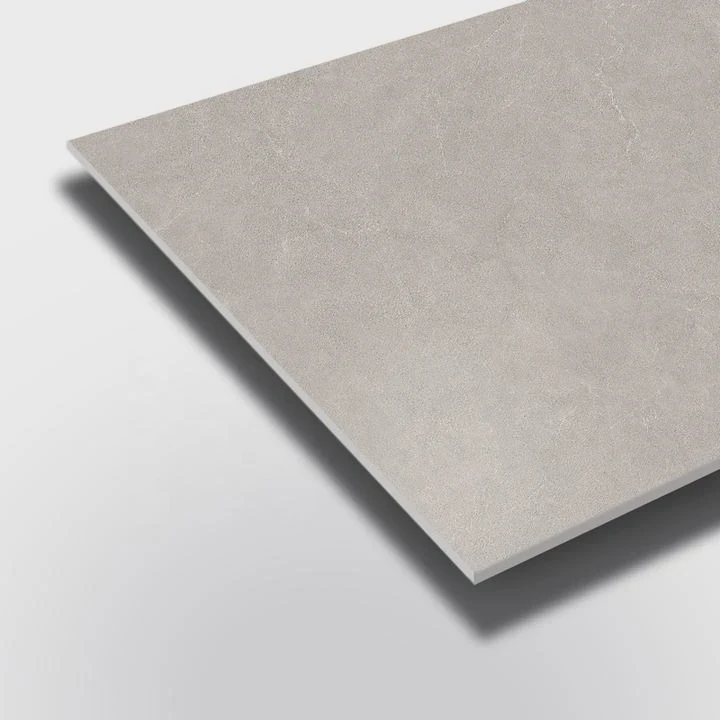
A dull shower can ruin the whole bathroom feel. Many people feel stuck with old tiles and think full replacement is the only way. That cost feels heavy.
Yes, shower tile can be painted if the surface is prepared well, the right paint is used, and proper sealing is done. This method is cost-effective but needs careful steps to handle moisture and daily use.
Painting tile is not just about color. It is about durability, water resistance, and long-term performance. Each step matters, from cleaning to sealing.
What preparation is needed before painting shower tile?
Old tiles often look clean but hide soap, oil, and mold. Painting without proper prep leads to peeling and failure within months.
Before painting shower tile, the surface must be deeply cleaned, degreased, sanded, and primed to ensure strong adhesion and long-lasting results in wet conditions.
Preparation is the most critical step in the whole process. Many people fail not because of paint quality, but because they rush this stage.
Deep Cleaning Matters
Tile surfaces collect invisible layers over time. Soap scum, shampoo residue, and body oils create a barrier.
- Use a strong tile cleaner or TSP solution
- Scrub grout lines carefully
- Rinse multiple times
- Let the surface dry fully
If any residue stays, paint will not bond well.
Remove Mold and Mildew
Bathrooms often have hidden mold. Painting over it traps moisture and causes future damage.
- Use a mold remover or bleach solution
- Focus on grout and corners
- Ensure full drying after treatment
Sanding the Surface
Tiles are smooth by design. Paint needs texture to grip.
- Use fine-grit sandpaper (around 220 grit)
- Lightly sand the glossy surface
- Do not over-sand or damage the tile
This step creates micro-scratches that help adhesion.
Repair Before Painting
Cracks or loose tiles should be fixed first.
| Issue Type | Solution |
|---|---|
| Cracked tile | Replace or fill with epoxy |
| Loose tile | Re-adhere before painting |
| Damaged grout | Re-grout or patch |
Skipping repairs leads to uneven finish and weak spots.
Apply Primer
Primer is not optional in wet areas.
- Use bonding primer designed for tile
- Apply evenly with a roller or brush
- Let it cure fully before painting
Primer acts as a bridge between tile and paint.
Preparation may feel slow, but it determines the final quality. A well-prepared surface can hold paint for years. A rushed one may fail in weeks.
Which paints work best in wet environments?
Many paints look good at first but fail quickly in showers. Moisture exposure requires special formulas.
Epoxy paint, tile-specific paint, and high-quality acrylic latex with waterproof properties work best in wet environments like showers due to their strong adhesion and moisture resistance.
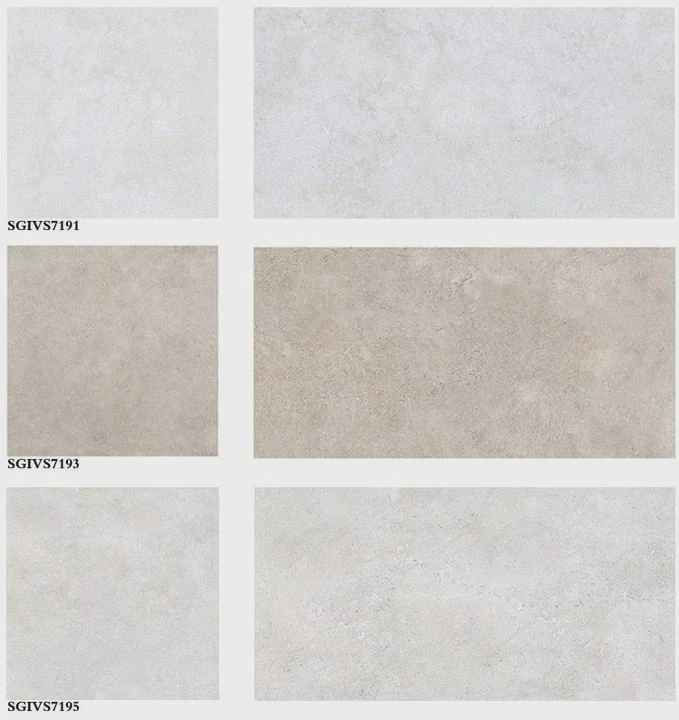
Choosing the right paint is as important as preparation. Not all paints can survive constant humidity and water contact.
Epoxy Paint
Epoxy is one of the strongest options.
- Very durable
- Water-resistant
- Long-lasting finish
However, it has a strong smell and requires careful mixing.
Tile-Specific Paint
These paints are made for ceramic and porcelain surfaces.
- Easy to apply
- Designed for adhesion
- Good moisture resistance
They are a popular choice for DIY projects.
Acrylic Latex Paint (Modified)
Standard latex paint is not enough. It must be modified or labeled for bathrooms.
- Flexible
- Resistant to humidity
- Easier cleanup
But it still needs a strong sealer.
Comparison of Paint Types
| Paint Type | Durability | Water Resistance | Ease of Use |
|---|---|---|---|
| Epoxy | High | Excellent | Medium |
| Tile Paint | Medium | Good | Easy |
| Acrylic Latex | Medium | Moderate | Easy |
What to Avoid
Some paints should never be used in showers:
- Chalk paint
- Standard wall paint
- Low-quality budget paints
These cannot handle moisture and will peel quickly.
Application Tips
- Apply thin, even coats
- Use 2–3 layers
- Allow drying between coats
Thick layers trap moisture and reduce durability.
Choosing the right paint is not about color alone. It is about performance under stress. Bathrooms create constant challenges, and only the right materials can handle them.
How do you ensure paint resists moisture?
Many painted showers fail because moisture protection is not done properly. Water finds weak points quickly.
To ensure paint resists moisture, proper layering, curing time, ventilation, and sealing must be applied to create a waterproof barrier over the painted tile.
Moisture resistance is not one step. It is a system of actions working together.
Apply Multiple Thin Coats
Each layer builds protection.
- Use thin coats instead of thick ones
- Allow drying between layers
- Build strength gradually
This reduces bubbling and peeling.
Respect Curing Time
Dry and cure are not the same.
- Dry: surface feels dry
- Cure: paint fully hardens
Most paints need several days to fully cure.
Using the shower too early damages the coating.
Control Bathroom Ventilation
Humidity is the main enemy.
- Use exhaust fans
- Open windows if possible
- Reduce steam buildup
Less humidity means longer paint life.
Focus on Grout Lines
Grout absorbs water faster than tile.
- Ensure grout is sealed
- Apply extra care when painting over grout
Unprotected grout can weaken the entire surface.
Use a Protective Topcoat
A clear coat adds a strong barrier.
- Polyurethane (water-based preferred)
- Epoxy topcoat for extra durability
This layer protects against scratches and water.
Common Mistakes
| Mistake | Result |
|---|---|
| Skipping primer | Peeling paint |
| Thick paint layers | Cracking or bubbling |
| No ventilation | Mold and damage |
| Early water exposure | Weak coating |
Each mistake shortens the lifespan of the painted tile.
Moisture control is not about one product. It is about combining correct methods. When done right, painted tiles can last much longer than expected.
When should sealing be applied after painting?
Sealing is often misunderstood. Some people skip it, while others apply it too soon.
Sealing should be applied only after the paint has fully cured, usually after several days, to ensure proper bonding and maximum water resistance.
Timing is critical. Applying sealer too early can trap solvents and weaken the finish.
Wait for Full Cure
Check the paint instructions.
- Most paints need 3–7 days to cure
- Some epoxy systems may need longer
Patience at this stage improves durability.
Choose the Right Sealer
Not all sealers are suitable for showers.
- Water-based polyurethane (low odor, easy use)
- Epoxy sealer (high durability)
Avoid low-quality sealers that wear off quickly.
Application Method
- Use a clean brush or roller
- Apply thin, even layers
- Avoid bubbles or streaks
Two coats are often better than one.
Areas That Need Extra Attention
- Corners
- Edges
- Around fixtures
These areas face more water exposure.
Maintenance After Sealing
Even sealed surfaces need care.
| Maintenance Task | Frequency |
|---|---|
| Light cleaning | Weekly |
| Deep cleaning | Monthly |
| Check for wear | Every 6 months |
Regular checks help catch problems early.
When to Re-Seal
Over time, sealers wear down.
- High-use showers may need re-sealing in 1–2 years
- Signs include dull finish or water absorption
Re-sealing extends the life of the paint.
Sealing is the final shield. Without it, even the best paint will struggle in a shower environment. With it, the surface becomes much more reliable.
Conclusion
Painting shower tile is possible and practical when done correctly. Proper preparation, the right paint, moisture control, and sealing all work together to create a durable and cost-effective solution.