How to Paint Tile Countertops?
- Sinotiles
- 2026-04-21
Old tile countertops can make a kitchen look outdated and dull. Many people feel stuck with them because replacement seems expensive and messy.
Painting tile countertops is a cost-effective way to refresh your kitchen. With proper cleaning, priming, painting, and sealing, you can achieve a durable and modern finish without replacing the tiles.
A simple upgrade can change the whole space. But results depend on preparation, materials, and technique. Let’s break each step down clearly.
What preparation is required before painting countertops?
Old surfaces often fail because people skip preparation. Paint does not stick well to greasy or glossy tiles.
Proper preparation includes deep cleaning, sanding, repairing grout, and applying primer. These steps create a surface that allows paint to bond effectively and last longer.
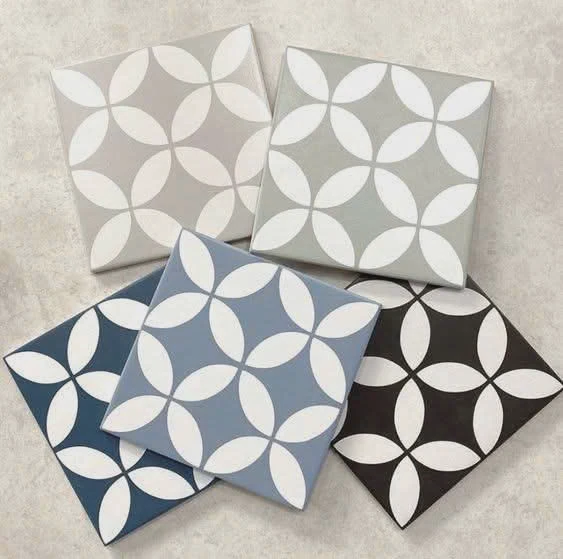
Preparation is the foundation of the whole project. Without it, even the best paint will peel or chip in a short time.
Step-by-step preparation process
1. Deep Cleaning
Tiles collect grease, soap residue, and dirt over time. Regular cleaning is not enough.
- Use a degreaser or strong cleaner
- Focus on grout lines
- Rinse and dry completely
Any leftover oil will block paint adhesion.
2. Sanding the Surface
Tiles are smooth and glossy. Paint needs a rough surface to grip.
- Use 120–220 grit sandpaper
- Lightly sand all tiles
- Do not skip edges and corners
This step removes shine and creates texture.
3. Repairing Damages
Before painting, check for:
- Cracked tiles
- Loose grout
- Chips or holes
Use filler or caulk to fix these areas. Let them dry fully before moving on.
4. Masking and Protection
Protect surrounding areas:
- Tape edges and walls
- Cover cabinets and floors
- Remove dust after sanding
Preparation Checklist Table
| Task | Purpose | Tools Needed |
|---|---|---|
| Cleaning | Remove grease and dirt | Degreaser, sponge |
| Sanding | Create rough surface | Sandpaper |
| Repairing | Fix damage | Filler, caulk |
| Masking | Protect surroundings | Tape, plastic sheet |
Why preparation matters
A well-prepared surface improves:
- Paint adhesion
- Finish smoothness
- Long-term durability
Many failures come from rushing this stage. Time spent here saves money later.
Which paints adhere best to tile surfaces?
Choosing the wrong paint leads to peeling and frustration. Not all paints work on tile.
Epoxy paint, acrylic latex with primer, and specialty tile paints adhere best to tile surfaces. These paints are designed to bond with smooth materials and resist moisture.
Understanding paint types helps avoid costly mistakes.
Common paint options
1. Epoxy Paint
Epoxy is one of the strongest options.
- Excellent adhesion
- Water-resistant
- Very durable
It is often used in industrial or heavy-use areas.
2. Acrylic Latex Paint (with primer)
This is easier to use.
- Widely available
- Low odor
- Works well with bonding primer
It is a popular choice for DIY projects.
3. Specialty Tile Paint
These paints are made for tiles.
- Designed for smooth surfaces
- Often include bonding agents
- Good for bathrooms and kitchens
Paint Comparison Table
| Paint Type | Durability | Ease of Use | Cost Level | Best Use Case |
|---|---|---|---|---|
| Epoxy | High | Medium | High | Heavy-use surfaces |
| Acrylic Latex | Medium | Easy | Low | DIY projects |
| Tile Paint | Medium | Easy | Medium | Kitchen/bath tiles |
Important factors when choosing paint
Surface compatibility
Not all paints bond to ceramic or porcelain. Always check product labels.
Moisture resistance
Countertops face water daily. Choose paint that resists moisture.
Finish type
- Gloss: easy to clean
- Satin: balanced look
- Matte: modern but less durable
Common mistakes to avoid
- Skipping primer
- Using wall paint
- Applying thick coats
Thin, even layers always perform better.
How do you ensure durable countertop finish?
Painted countertops often fail because of poor technique. Durability depends on more than paint choice.
To ensure durability, apply thin layers, allow proper drying time, use quality tools, and finish with a strong sealant. Consistency and patience are key to long-lasting results.
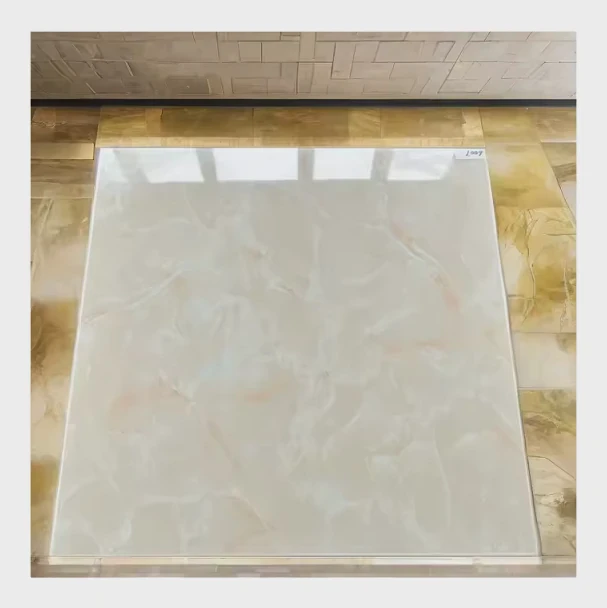
A durable finish comes from combining good materials with correct methods.
Key techniques for durability
1. Apply thin coats
Thick paint layers trap moisture.
- Use a roller or foam brush
- Apply 2–4 thin coats
- Let each coat dry fully
This prevents peeling and bubbling.
2. Maintain drying time
Drying time is often ignored.
- Follow product instructions
- Avoid touching the surface too soon
- Allow full curing before use
Paint may feel dry but still be soft underneath.
3. Use proper tools
Tools affect the final look.
- Foam rollers for smooth finish
- Brushes for edges
- Avoid cheap tools
Good tools reduce streaks and marks.
Durability factors table
| Factor | Impact on Finish | Recommendation |
|---|---|---|
| Coat thickness | Prevent peeling | Use thin layers |
| Drying time | Improve strength | Follow instructions |
| Tool quality | Smooth appearance | Use foam rollers |
| Environment | Affects curing | Work in dry conditions |
Environmental conditions
Humidity and temperature matter.
- Avoid painting in high humidity
- Work in moderate temperature
- Ensure ventilation
Poor conditions slow curing and weaken the finish.
Long-term maintenance tips
After painting:
- Avoid heavy use for several days
- Use cutting boards
- Clean gently
Even strong paint needs care to last.
When should sealant be applied after painting?
Many people rush sealing or skip it completely. This step protects the entire surface.
Sealant should be applied after the paint has fully dried and cured, usually 24–72 hours later. It creates a protective layer that improves durability and resistance to moisture and scratches.
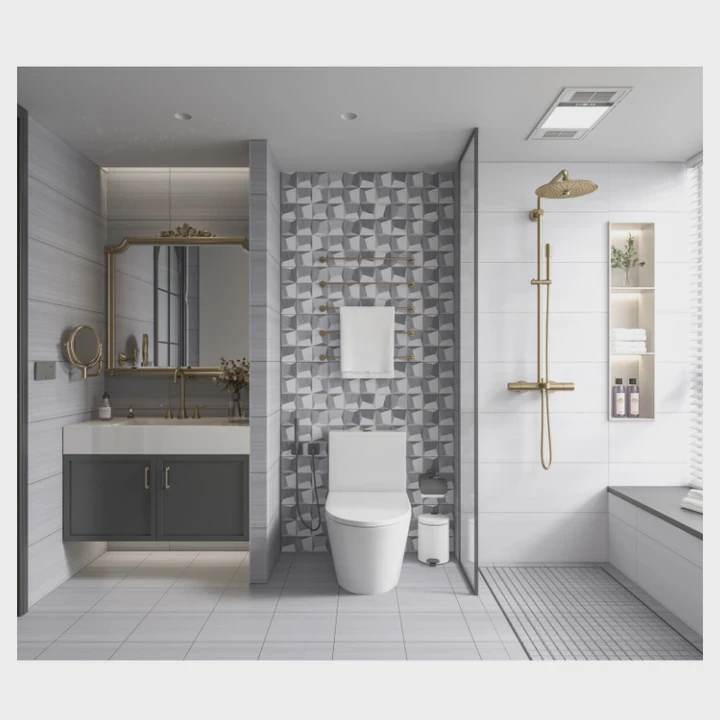
Sealant is not optional if you want long-lasting results.
Timing matters
Applying sealant too early can cause:
- Smudging
- Trapped moisture
- Weak bonding
Always check drying instructions for your paint.
Types of sealants
1. Polyurethane
- Strong and durable
- Available in water-based or oil-based
- Good for countertops
2. Epoxy clear coat
- Very hard finish
- High resistance
- More complex application
3. Acrylic sealer
- Easy to apply
- Lower durability
- Suitable for light use
Sealant comparison table
| Sealant Type | Durability | Ease of Use | Drying Time | Best For |
|---|---|---|---|---|
| Polyurethane | High | Medium | Medium | Kitchens |
| Epoxy | Very High | Hard | Long | Heavy-use surfaces |
| Acrylic | Medium | Easy | Fast | Light-use areas |
Application steps
- Ensure paint is fully cured
- Apply thin, even coat
- Let dry completely
- Add second coat if needed
Common sealing mistakes
- Applying too thick
- Skipping sanding between coats
- Using low-quality sealant
These mistakes reduce protection and finish quality.
Conclusion
Painting tile countertops is a practical upgrade. Success depends on preparation, paint choice, careful application, and proper sealing. When each step is done right, the result can look modern, clean, and last for years.