Can Shower Tile Be Painted?
- Sinotiles
- 2026-05-11
Old shower tiles can make a bathroom look dark and outdated. Many people want a fast and low-cost update but worry that paint will peel in wet areas.
Yes, shower tile can be painted if the surface is prepared well and the right paint system is used. Good cleaning, sanding, priming, painting, and sealing all help the finish last longer in a wet bathroom environment.
Many homeowners and contractors ask this question before starting a bathroom renovation. Painting shower tile costs less than replacing tiles, and it also saves time. Still, the process needs care. Wet spaces create problems like mold, peeling paint, and weak adhesion. A proper method can reduce these risks and help the painted surface stay clean and durable.
What Preparation Is Needed Before Painting Shower Tile?
Bathrooms collect soap, moisture, and dirt every day. If the tile surface is not cleaned and prepared correctly, paint can fail very quickly.
Before painting shower tile, the surface must be cleaned, repaired, sanded, and primed. Proper preparation helps paint stick better and reduces peeling or bubbling in wet conditions.
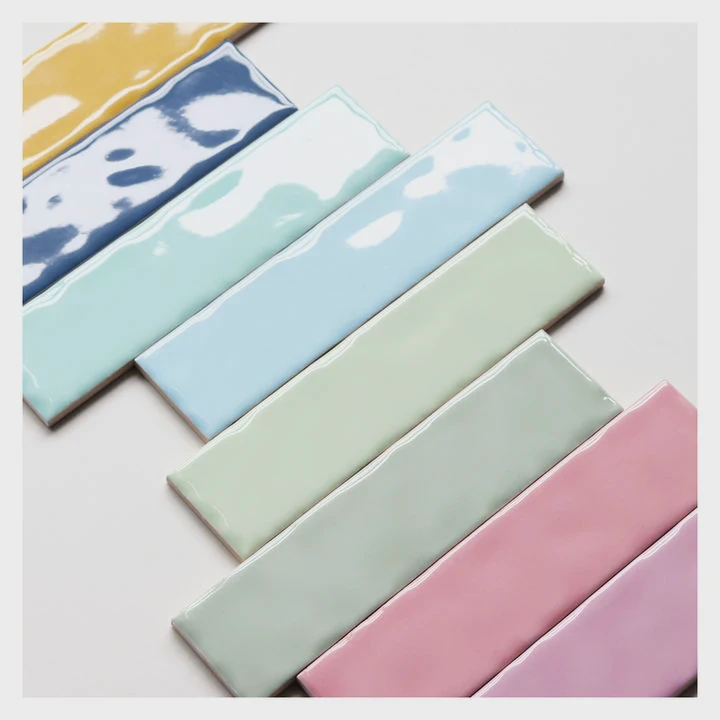
Preparation is the most important part of this project. Many paint failures happen because people rush this step. Even high-quality paint cannot bond to a dirty or glossy tile surface.
Clean the Tile Surface Fully
Shower walls usually contain soap residue, hard water stains, body oils, and mold. These materials block paint adhesion.
A strong tile cleaner or degreaser should be used first. In some projects, diluted bleach helps remove mold and mildew. After cleaning, the surface should dry completely.
Here is a simple preparation checklist:
| Preparation Step | Purpose |
|---|---|
| Remove soap and grease | Helps primer bond |
| Kill mold and mildew | Prevents future damage |
| Repair cracked grout | Creates smooth finish |
| Sand glossy surface | Improves paint adhesion |
| Apply primer | Creates bonding layer |
Sanding Makes a Big Difference
Many ceramic and porcelain tiles have glossy finishes. Paint struggles to stick to smooth surfaces.
Light sanding creates texture. This rough texture helps the primer lock onto the tile surface. Fine-grit sandpaper often works well for this process.
Dust should be removed after sanding. A damp cloth or vacuum helps clean the area before priming begins.
Repair Damage Before Painting
Small cracks and missing grout lines should be repaired first. Water can enter damaged areas and weaken the coating later.
Many contractors use waterproof filler or grout repair products before applying primer.
Why Primer Matters
Primer creates the bridge between tile and paint. Without primer, paint can peel very fast in humid bathrooms.
Epoxy or bonding primers are common choices for shower walls. Some primers also help block stains and moisture.
Common Mistakes During Preparation
Many people skip important preparation steps because they want faster results. This usually creates more work later.
Common problems include:
- Painting over wet surfaces
- Skipping sanding
- Using wall primer instead of tile primer
- Ignoring mold spots
- Painting over loose grout
A careful preparation process often decides whether painted shower tile lasts for months or for years.
Surface Type Also Affects Results
Not every tile surface reacts the same way. Ceramic, porcelain, and natural stone tiles all have different textures and absorption rates.
Porcelain tiles are especially dense. They often need stronger primers and better sanding because the surface resists bonding.
In commercial projects, contractors usually test a small section first. This reduces risk before painting the entire shower area.
Which Paints Work Best In Wet Environments?
Many standard wall paints cannot survive constant moisture. Bathrooms create steam, water exposure, and temperature changes every day.
Epoxy paint, tile paint, and urethane-based coatings work best for wet shower environments because they resist moisture, mildew, and surface wear better than regular wall paint.
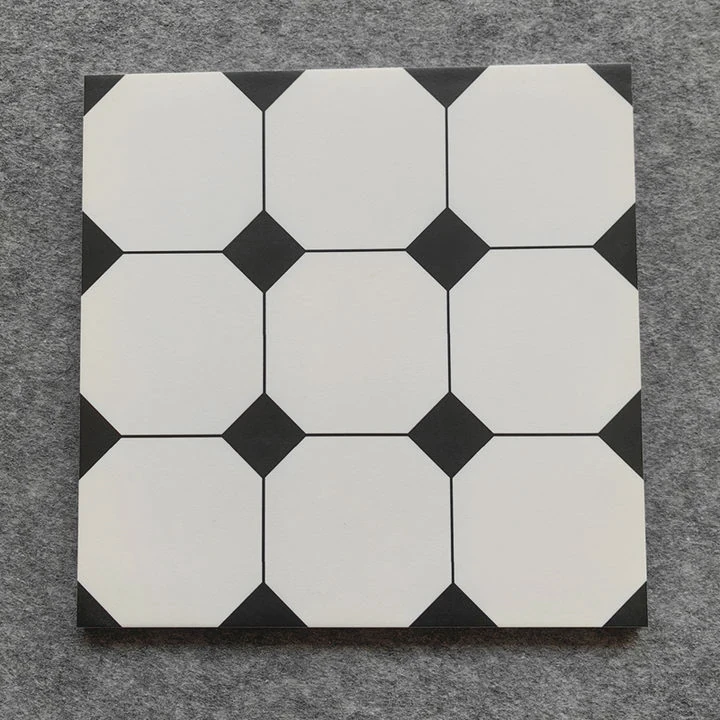
Paint selection affects both appearance and durability. The wrong paint may look good at first but fail quickly after repeated exposure to water.
Epoxy Paint Is a Popular Choice
Two-part epoxy paint is widely used for shower tile projects. It creates a hard coating that resists moisture and chemicals.
Many contractors choose epoxy because it:
- Bonds strongly to tile
- Handles humidity well
- Resists cleaning chemicals
- Creates durable finishes
Still, epoxy paint usually needs careful mixing and ventilation during application.
Acrylic Tile Paint Offers Easier Application
Some homeowners prefer acrylic tile paint because it is easier to apply. It often produces less odor and simpler cleanup.
However, acrylic coatings may not last as long in heavy-use showers compared to epoxy systems.
Urethane Coatings Add Extra Protection
Urethane coatings are also common in commercial wet spaces. They provide strong moisture resistance and surface hardness.
In some projects, contractors combine epoxy primer with urethane topcoat systems for better long-term durability.
Comparison of Common Shower Tile Paints
| Paint Type | Main Advantage | Main Limitation |
|---|---|---|
| Epoxy Paint | Very durable | Strong odor during use |
| Acrylic Tile Paint | Easy application | Lower durability |
| Urethane Coating | Strong moisture resistance | Higher material cost |
Gloss Level Matters Too
Semi-gloss and gloss finishes usually work better in showers because they repel water more effectively and clean more easily.
Flat finishes absorb moisture more easily and can stain faster.
Heat and Steam Create Extra Stress
Many people focus only on direct water exposure. Steam also damages weak paint systems over time.
Hot showers create expansion and contraction on tile surfaces. Cheap paint often cracks under these conditions.
Product Compatibility Is Important
Primer, paint, and sealer should work together as one system. Mixing random products sometimes creates adhesion failure.
Professional suppliers often recommend complete coating systems designed for wet environments.
Color Choices Affect Maintenance
Dark colors may show soap residue faster. Very light colors can show stains and discoloration over time.
Neutral shades often work best in long-term bathroom projects because they hide wear more evenly.
Why Commercial Projects Use Specialized Coatings
Hotels, apartments, and commercial buildings often choose industrial-grade coatings because bathrooms receive constant use.
These coatings cost more at the start, but they reduce maintenance and repainting later.
For long-term durability, many contractors prefer investing in higher-quality paint systems instead of low-cost products that fail early.
How Do You Ensure Paint Resists Moisture?
Many painted shower projects fail because moisture slowly enters weak areas. Even small gaps can lead to peeling or bubbling later.
To help paint resist moisture, surfaces must stay dry during application, coatings should be layered correctly, and ventilation must reduce long-term humidity inside the shower area.
Moisture protection is not only about paint. The full environment matters. Shower steam, trapped humidity, and poor airflow all affect coating performance.
Dry Conditions During Application
Many bathrooms stay humid for hours after shower use. Painting should happen only after the area becomes fully dry.
Some contractors use fans or dehumidifiers before starting work. This improves adhesion and curing.
Thin Coats Work Better Than Thick Layers
People sometimes apply thick coats to save time. Thick paint traps moisture and cures unevenly.
Several thin coats usually create stronger protection.
A common process looks like this:
- Clean and dry surface
- Sand tile lightly
- Apply bonding primer
- Add thin paint coats
- Allow proper curing time
- Apply protective sealer
Curing Time Is Critical
Fresh paint may feel dry quickly, but deep curing often takes several days.
Water exposure before full curing can damage the finish permanently.
Many manufacturers recommend waiting at least several days before regular shower use begins.
Ventilation Reduces Long-Term Damage
Bathrooms without ventilation trap steam for long periods. This creates constant moisture pressure on painted surfaces.
Good ventilation systems help painted tile last longer.
Moisture Problems Often Start at Grout Lines
Grout absorbs moisture more easily than tile surfaces. Weak grout areas can allow water to move beneath the coating.
Many professionals use waterproof grout sealers before or after painting.
Edge Areas Need Extra Attention
Corners, edges, and joints often fail first because water collects there.
Extra coating layers may be applied in these locations for added protection.
Cleaning Products Also Affect Durability
Strong chemical cleaners slowly weaken many paint finishes.
Gentle bathroom cleaners usually help maintain painted shower surfaces longer.
Avoid:
- Abrasive scrub pads
- Strong acid cleaners
- Bleach overuse
- Harsh scraping tools
Daily Maintenance Helps Prevent Failure
Simple habits can extend coating life significantly.
Many homeowners use:
- Exhaust fans after showers
- Squeegees to remove water
- Regular mildew cleaning
- Soft cloth drying
These small steps reduce standing moisture on painted tile.
Why Some Painted Showers Last Longer Than Others
The difference often comes down to preparation quality, paint quality, curing time, and maintenance habits.
In many cases, carefully painted shower tile can last several years before needing touch-ups.
When Should Sealing Be Applied After Painting?
Some painted tile surfaces fail because sealing happens too early or too late. Timing affects how well the protective layer bonds to the paint.
Sealing should usually be applied only after the paint fully cures. Proper curing allows the sealer to bond correctly and improves long-term moisture resistance.
Sealing is often the final protective step in a shower tile painting project. It helps protect the coating from water, soap, stains, and cleaning products.
Why Full Paint Curing Matters
Paint drying and paint curing are not the same thing.
A surface may feel dry within hours, but the chemical curing process often continues much longer.
Applying sealer too early can trap solvents or moisture inside the coating. This may cause:
- Bubbling
- Peeling
- Soft surfaces
- Weak adhesion
Manufacturers usually provide curing timelines for their products. These instructions should always be followed carefully.
Different Sealers Offer Different Protection
Some sealers focus on water resistance, while others improve stain resistance or surface hardness.
Common shower tile sealers include:
- Polyurethane sealers
- Urethane sealers
- Epoxy-compatible sealers
- Waterproof penetrating sealers
The correct choice depends on the paint system underneath.
Application Conditions Affect Results
Temperature and humidity affect sealing performance.
Bathrooms with high humidity may require:
- Longer drying times
- Additional ventilation
- Lower moisture levels during application
Multiple Thin Sealer Layers Often Work Best
Just like paint, sealers often perform better in thin coats instead of thick applications.
Thin layers cure more evenly and reduce trapped moisture risks.
High-Use Areas Need Stronger Protection
Commercial bathrooms, hotels, and rental properties experience more wear than residential showers.
These spaces often need:
- Extra sealer layers
- More durable coating systems
- Scheduled maintenance inspections
Maintenance Still Matters After Sealing
Sealer is not permanent protection forever. Over time, cleaning, heat, and moisture slowly wear the surface.
Signs that resealing may be needed include:
- Dull finish
- Water absorption
- Surface staining
- Small peeling areas
Spot Repairs Can Extend Surface Life
Some small damaged areas can be repaired without repainting the entire shower.
Light sanding and localized resealing may restore protection in early-stage damage.
Long-Term Expectations Should Stay Realistic
Painted shower tile is usually considered a cosmetic upgrade rather than a permanent replacement for new tile installation.
Still, many properly completed projects maintain good appearance for years with regular care.
For property owners who want a fast bathroom refresh without full demolition, painted tile remains a practical and cost-effective option.
Conclusion
Shower tile can be painted successfully when preparation, paint selection, moisture control, and sealing are handled correctly. Careful application and regular maintenance help the finish last longer and keep the bathroom looking clean and updated.