What Floor Tile Is Best for Bathroom?
- Sinotiles
- 2026-06-04
Choosing bathroom floor tiles can feel difficult. Many buyers worry about safety, water damage, and long-term performance. A wrong choice can lead to costly repairs and unhappy customers.
The best bathroom floor tile is usually porcelain because it offers low water absorption, strong durability, easy maintenance, and excellent slip-resistant options. Still, the right tile also depends on material, surface finish, budget, and project needs.
Many people focus only on appearance when selecting bathroom tiles. Yet performance matters just as much. Water, humidity, daily foot traffic, and cleaning products all affect how a tile performs over time. Understanding the key differences between materials, finishes, and safety features helps buyers make better decisions.
Which Materials Suit Bathroom Floor Tiles?
A bathroom floor faces constant moisture. Water splashes happen every day. Steam builds up after showers. Cleaning chemicals are also common. Because of this, the material matters more than many people think.
Porcelain and ceramic are the most common bathroom floor tile materials, while natural stone is often used for premium projects. Porcelain usually provides the best balance of durability, water resistance, and maintenance.
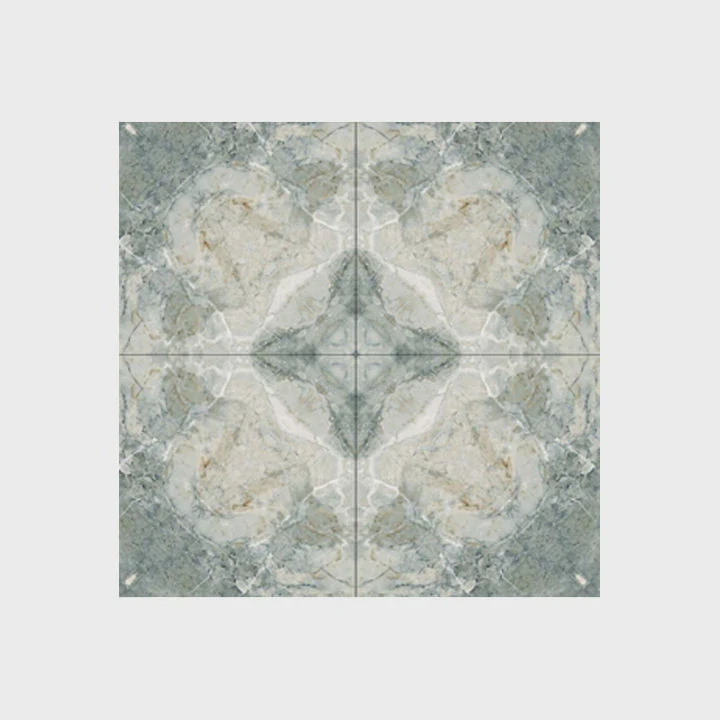
When discussing bathroom floor tiles with importers and project buyers, material selection is often the first topic. Different materials serve different goals.
Porcelain Tiles
Porcelain tiles are made from refined clay and fired at very high temperatures. This process creates a dense structure with very low water absorption.
Key benefits include:
| Feature | Porcelain Tile |
|---|---|
| Water Resistance | Excellent |
| Durability | Excellent |
| Maintenance | Easy |
| Design Variety | Very High |
| Commercial Use | Suitable |
Porcelain tiles work well in:
- Residential bathrooms
- Hotels
- Apartment projects
- Commercial washrooms
- Luxury residential developments
Many contractors prefer porcelain because it performs consistently in wet conditions.
Ceramic Tiles
Ceramic tiles are another popular option. They are generally more affordable than porcelain and offer many design choices.
Their advantages include:
- Lower cost
- Wide range of colors
- Easy installation
- Good performance in light-use bathrooms
However, ceramic tiles are usually less dense than porcelain. In high-traffic bathrooms, porcelain often lasts longer.
Natural Stone Tiles
Natural stone creates a premium appearance. Common choices include:
- Marble
- Travertine
- Slate
- Granite
Stone offers unique patterns that cannot be fully copied by manufactured products.
Still, stone has some challenges:
- Higher maintenance
- Periodic sealing requirements
- Higher material cost
- Greater installation complexity
Glass and Mosaic Tiles
Glass mosaics are often used as decorative accents rather than primary floor surfaces. Small mosaic pieces can improve slip resistance because of the extra grout joints.
They are commonly used in:
- Shower floors
- Spa areas
- Decorative bathroom zones
Material Selection Based on Project Type
Different buyers have different priorities.
| Project Type | Recommended Material |
|---|---|
| Budget Housing | Ceramic |
| Mid-Range Residential | Porcelain |
| Luxury Residential | Porcelain or Stone |
| Hotel Projects | Porcelain |
| Commercial Bathrooms | Porcelain |
| Spa Projects | Porcelain Mosaic or Stone |
From my experience working with international buyers, many successful projects choose porcelain because it balances cost, appearance, durability, and long-term performance better than most alternatives.
How to Choose Slip-Resistant Tiles?
Bathroom safety is one of the biggest concerns for homeowners and project developers. Wet floors increase the risk of slipping. A beautiful tile is not a good choice if it becomes dangerous when wet.
Slip-resistant bathroom tiles should have a textured or matte surface and an appropriate slip-resistance rating. The goal is to reduce slipping risk while maintaining easy cleaning and attractive design.
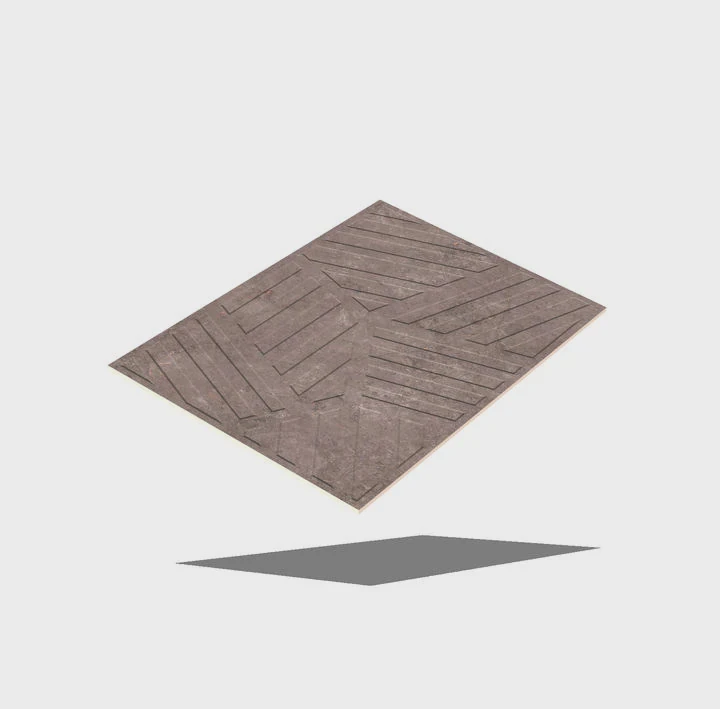
Many buyers focus heavily on color and pattern. Yet safety should come first in wet areas.
Why Slip Resistance Matters
Bathrooms experience:
- Standing water
- Soap residue
- Shampoo spills
- Barefoot traffic
These conditions create a slippery surface.
Slip-resistant tiles help improve grip between the foot and the floor.
Understanding Tile Ratings
Many countries use different systems to measure slip resistance.
Common systems include:
| Rating System | Purpose |
|---|---|
| R Rating | Ramp test evaluation |
| COF | Coefficient of Friction |
| Pendulum Test | Surface grip measurement |
Higher ratings generally indicate better slip resistance.
Project buyers should always verify local building requirements before selecting products.
Matte vs Glossy Surfaces
One common misconception is that glossy tiles are always better because they look more luxurious.
In reality, glossy surfaces often become more slippery when wet.
Matte surfaces usually provide:
- Better traction
- Better grip
- Safer walking conditions
This makes matte porcelain tiles one of the most popular choices for bathroom floors.
Textured Surfaces
Textured tiles add another level of slip protection.
Common texture options include:
- Stone-look texture
- Sandblasted texture
- Structured surface patterns
- Anti-slip coatings
These finishes increase friction without dramatically changing appearance.
Mosaic Tiles and Safety
Small-format mosaic tiles offer a unique benefit.
Because they contain many grout joints, they naturally create more grip.
This is why many designers use mosaics in shower floors.
Balancing Safety and Cleaning
More texture can improve slip resistance. However, excessive texture may trap dirt and require more maintenance.
A balanced approach often works best.
Consider:
| Surface Type | Slip Resistance | Cleaning Ease |
|---|---|---|
| Glossy | Low | Easy |
| Matte | Good | Easy |
| Light Texture | Very Good | Moderate |
| Heavy Texture | Excellent | Lower |
For most residential and commercial bathrooms, matte porcelain tiles provide a practical balance between safety and maintenance.
Are Ceramic Tiles Better Than Porcelain?
This question appears frequently among homeowners, distributors, and project buyers. Both products belong to the ceramic family, but they are not exactly the same.
Porcelain tiles are generally better for bathroom floors because they are denser, stronger, and more water-resistant than standard ceramic tiles. Ceramic tiles can still be a good choice when budget is the main concern.
The answer depends on the project’s priorities.
Manufacturing Differences
The main difference begins during production.
Porcelain uses:
- More refined raw materials
- Higher pressing pressure
- Higher firing temperatures
These factors create a denser tile body.
Ceramic tiles typically use:
- Standard clay mixtures
- Lower firing temperatures
- Less dense structures
This difference affects performance.
Water Absorption
Bathrooms are wet environments.
Water absorption plays a major role in tile longevity.
| Property | Ceramic | Porcelain |
|---|---|---|
| Water Absorption | Higher | Lower |
| Moisture Resistance | Good | Excellent |
| Bathroom Performance | Good | Excellent |
Low water absorption helps prevent moisture-related issues.
Durability Comparison
Porcelain tiles generally resist:
- Scratches
- Impact damage
- Heavy foot traffic
- Wear over time
This makes them popular for both residential and commercial applications.
Ceramic tiles perform well in lighter-use environments but may show wear faster in demanding spaces.
Cost Considerations
Budget always matters.
Ceramic advantages:
- Lower purchase cost
- Lower initial investment
Porcelain advantages:
- Longer lifespan
- Lower replacement frequency
- Better long-term value
Many buyers focus only on upfront pricing. Yet lifetime cost often tells a different story.
Design Options
Years ago, ceramic tiles often offered more decorative choices.
Today, modern porcelain manufacturing has changed the market.
Porcelain now offers:
- Marble-look designs
- Wood-look surfaces
- Concrete-look finishes
- Stone-look patterns
- Large-format options
This gives designers much more flexibility.
Which One Should Buyers Choose?
The answer depends on project goals.
Choose ceramic when:
- Budget is limited
- Traffic is light
- Cost is the main factor
Choose porcelain when:
- Long-term durability matters
- Moisture resistance is important
- Commercial performance is required
- Premium quality is desired
For most bathroom floor applications, porcelain remains the preferred choice because it delivers stronger overall performance.
Can Tile Finish Affect Durability?
Many buyers evaluate durability based only on tile material. Yet finish also plays an important role. Two tiles made from the same body can perform differently because of their surface treatment.
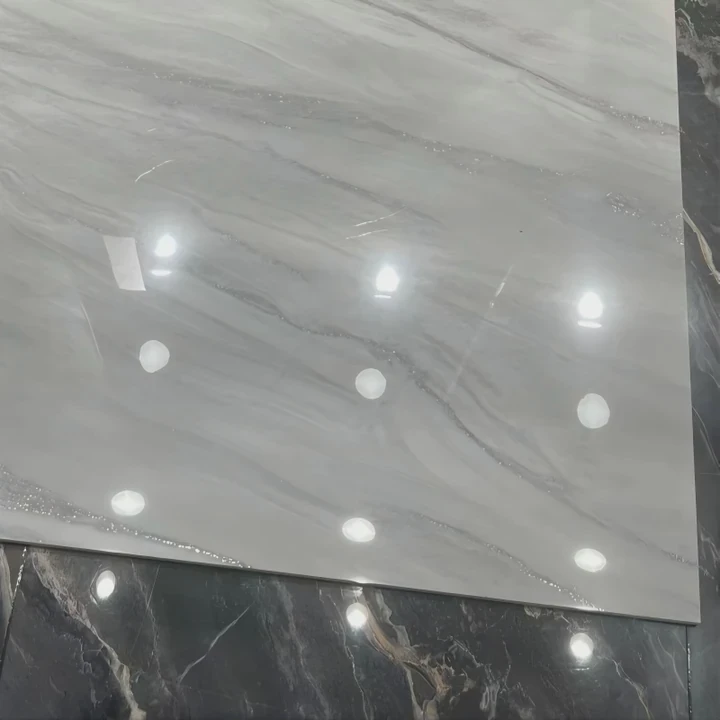
Yes, tile finish can affect durability. Matte, textured, and properly glazed surfaces often hide wear better and maintain appearance longer than highly polished or glossy finishes in demanding bathroom environments.
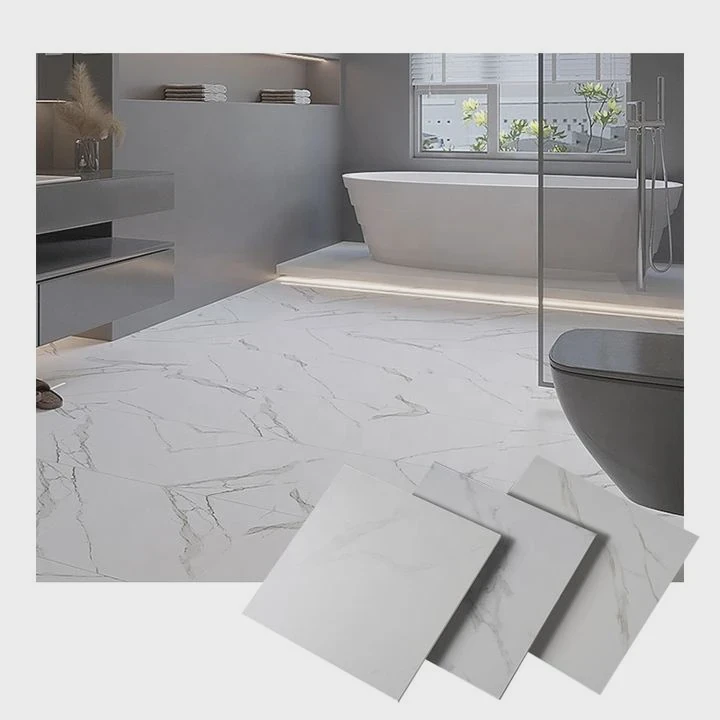
Surface finish influences both appearance and long-term maintenance.
Understanding Tile Finishes
Common bathroom tile finishes include:
- Glossy
- Matte
- Polished
- Structured
- Textured
- Satin
Each finish behaves differently over time.
Glossy Finishes
Glossy surfaces reflect light well and create a bright appearance.
Benefits:
- Elegant appearance
- Easy surface cleaning
- Strong visual impact
Challenges:
- Scratches may become more visible
- Water spots show easily
- Wet surfaces may become slippery
Glossy tiles often work better on walls than floors.
Matte Finishes
Matte finishes remain one of the most popular choices for bathroom floors.
Advantages include:
- Better slip resistance
- Less visible scratches
- Reduced glare
- Easier day-to-day appearance maintenance
Many hotel and residential projects prefer matte porcelain for these reasons.
Polished Porcelain
Polished porcelain offers a luxury look.
It creates:
- High reflectivity
- Premium visual appeal
- Large-space enhancement
However, polished surfaces may show:
- Fine scratches
- Water marks
- Footprints
Proper maintenance becomes more important.
Textured Finishes
Textured finishes are designed for functionality.
Benefits include:
- Improved traction
- Better safety
- Outdoor-to-indoor design continuity
Potential drawbacks include:
- More cleaning effort
- Dirt retention in deep textures
Wear Visibility
One factor many buyers overlook is wear visibility.
Consider the following comparison:
| Finish Type | Scratch Visibility | Slip Resistance |
|---|---|---|
| Glossy | High | Lower |
| Polished | Moderate to High | Lower |
| Matte | Low | Good |
| Textured | Very Low | Very Good |
A tile that hides wear often looks newer for longer.
Matching Finish to Usage
Different environments need different solutions.
For example:
Residential Bathrooms
Good choices:
- Matte porcelain
- Light textured porcelain
Hotel Bathrooms
Good choices:
- Matte porcelain
- Premium satin finishes
Commercial Washrooms
Good choices:
- Structured porcelain
- Anti-slip porcelain
Luxury Bathrooms
Good choices:
- Matte marble-look porcelain
- Polished porcelain in dry zones
Looking Beyond Appearance
Many people choose tiles based on showroom lighting. Yet bathroom conditions are different.
Daily exposure includes:
- Water
- Soap
- Cleaning chemicals
- Foot traffic
- Temperature changes
A finish that looks attractive under showroom lights may not perform as well after years of use.
The most successful projects balance beauty, safety, and long-term maintenance. In many cases, a high-quality matte porcelain tile delivers the strongest combination of these factors.
Conclusion
The best bathroom floor tile is usually porcelain with a matte or lightly textured finish. It offers strong durability, excellent water resistance, and better safety in wet areas. By balancing material, slip resistance, finish, and project requirements, buyers can select tiles that perform well for many years.