Does vinyl tile need to acclimate?
- Sinotiles
- 2026-04-10
Many installers rush into laying vinyl tile right after delivery. This often leads to gaps, lifting, or uneven floors later. These problems are frustrating and costly to fix.
Yes, vinyl tile needs to acclimate. Allowing it to adjust to room temperature and humidity helps prevent expansion, contraction, and installation failures.
Acclimation may seem like a small step. However, it plays a major role in long-term performance and appearance.
Why is acclimation important for vinyl tile?
Many people overlook acclimation because vinyl looks stable. But temperature and humidity still affect its size and flexibility.
Acclimation is important because vinyl tile expands or contracts based on environmental conditions, and adjusting it before installation ensures proper fit and long-term stability.
Vinyl tile is not completely rigid. It reacts to its surroundings.
How vinyl reacts to environment
Vinyl materials change when exposed to:
- Heat
- Cold
- Humidity
These changes may seem small, but they affect installation.
For example:
- In cold conditions, vinyl shrinks
- In warm conditions, vinyl expands
If installed without adjustment, gaps or buckling can occur.
Role of acclimation in stability
Acclimation allows tiles to reach equilibrium with the room.
This means:
- Size becomes stable
- Material becomes flexible for installation
- Adhesive bonding improves
Without this step, tiles may move after installation.
Impact on installation quality
Proper acclimation helps:
- Maintain consistent spacing
- Reduce stress on joints
- Improve alignment
This leads to a smoother and more professional finish.
Why installers prioritize acclimation
Experienced installers understand that:
- Preparation affects results more than speed
- Small delays prevent major repairs
Skipping acclimation may save hours but cost days later.
Real-world issue example
In one project (story placeholder), tiles were installed immediately after delivery. Within days:
- Edges lifted
- Gaps appeared
The cause was temperature difference between warehouse and room.
Key takeaway
Acclimation is not optional. It is a basic requirement for stable installation.
How long should vinyl tile acclimate before install?
Timing is one of the most common questions. Many people are unsure how long is enough.
Vinyl tile should typically acclimate for 24 to 48 hours in the installation area, depending on manufacturer guidelines and environmental conditions.
The correct time ensures the material adjusts properly.
Standard acclimation time
Most manufacturers recommend:
- Minimum: 24 hours
- Ideal: 48 hours
This time allows the tile to stabilize.
Why time varies
Not all environments are the same.
Factors include:
- Temperature difference from storage
- Humidity levels
- Tile thickness
Thicker or more rigid tiles may need longer.
Manufacturer instructions matter
Always check product guidelines.
Different brands may require:
- Longer acclimation
- Specific temperature ranges
Following instructions ensures warranty compliance.
Proper acclimation setup
Do not leave tiles in boxes.
Instead:
- Open packaging
- Spread tiles loosely
- Allow air circulation
This helps even adjustment.
Temperature guidelines
Keep room temperature stable:
- Ideal range: 18°C to 27°C (64°F to 80°F)
Avoid sudden changes during this period.
Time comparison table
| Condition | Recommended Time | Reason |
|---|---|---|
| Normal indoor climate | 24 hours | Standard adjustment |
| Large temperature difference | 48 hours | More stabilization needed |
| High humidity | 48+ hours | Moisture balance required |
Common timing mistakes
Avoid:
- Installing immediately after delivery
- Acclimating for too short a time
- Ignoring temperature differences
These errors reduce installation quality.
What conditions affect acclimation time?
Acclimation is not only about time. Environmental conditions play a major role in how vinyl behaves.
Temperature, humidity, airflow, and subfloor conditions all affect how quickly vinyl tile acclimates and stabilizes before installation.
Understanding these factors helps achieve better results.
Temperature impact
Temperature is the most important factor.
- Cold rooms slow expansion
- Warm rooms speed up expansion
Large temperature differences require longer acclimation.
Humidity influence
Humidity affects moisture balance.
High humidity:
- Causes slight expansion
- Requires longer stabilization
Low humidity:
- May cause slight shrinkage
Balanced humidity is ideal.
Air circulation
Good airflow helps tiles adjust evenly.
Poor airflow can lead to:
- Uneven acclimation
- Warping in certain areas
Keep the room ventilated.
Subfloor condition
The floor beneath also matters.
If the subfloor is:
- Damp
- Uneven
- Cold
It affects tile behavior after installation.
Storage conditions before delivery
Tiles stored in:
- Cold warehouses
- Hot shipping containers
Need more time to adjust.
Environmental factor table
| Factor | Effect on Vinyl | Result |
|---|---|---|
| Temperature | Expansion/shrinkage | Size change |
| Humidity | Moisture absorption | Stability change |
| Airflow | Even adjustment | Consistent results |
| Subfloor | Base condition | Installation quality |
Control the environment
Before installation:
- Stabilize room temperature
- Maintain consistent humidity
- Ensure dry subfloor
This reduces risk.
Can skipping acclimation cause installation issues?
Some people skip acclimation to save time. This often leads to visible and structural problems later.
Yes, skipping acclimation can cause issues like gaps, buckling, adhesive failure, and uneven surfaces, which reduce both durability and appearance.
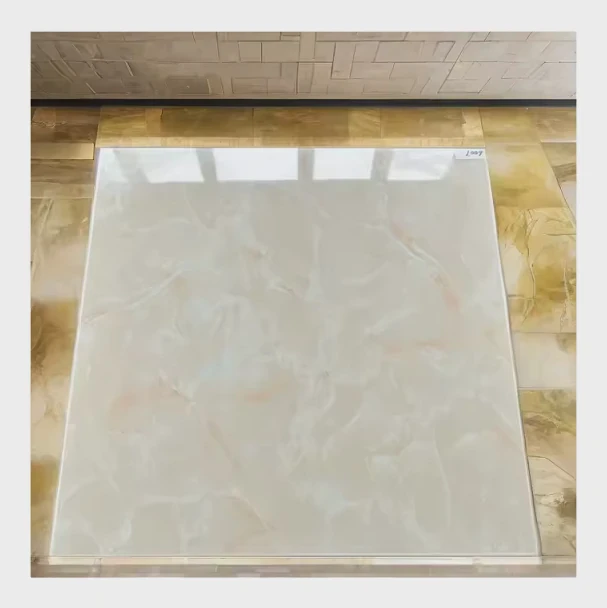
Skipping this step creates long-term risks.
Common problems after skipping acclimation
Without acclimation, tiles may:
- Expand after installation → causing buckling
- Shrink → creating gaps
- Lose adhesion → tiles lift
These issues often appear within days or weeks.
Adhesive failure risk
Adhesives work best when materials are stable.
If tiles move:
- Bond weakens
- Tiles detach from subfloor
This leads to rework.
Visual defects
Poor acclimation causes:
- Uneven joints
- Misalignment
- Surface irregularities
These defects reduce overall quality.
Cost of fixing mistakes
Fixing issues requires:
- Removing tiles
- Cleaning adhesive
- Reinstalling new tiles
This increases labor and material cost.
Long-term durability impact
Even if problems are not immediate:
- Stress remains in material
- Tiles may fail over time
This affects lifespan.
Risk comparison
| Scenario | Result |
|---|---|
| With acclimation | Stable, long-lasting installation |
| Without acclimation | High risk of failure |
Why skipping happens
Common reasons:
- Tight deadlines
- Lack of knowledge
- Underestimating importance
However, these reasons do not justify the risk.
Final insight
Acclimation is a small step with a big impact. Skipping it almost always leads to avoidable problems.
Conclusion
Vinyl tile must acclimate to ensure proper fit, strong bonding, and long-term stability. Taking time to adjust to the environment prevents common issues and ensures a smooth, durable installation.