Does Vinyl Tile Need Underlayment?
- Sinotiles
- 2026-05-27

Many homeowners install vinyl tile without thinking about the floor underneath. Later, they notice uneven surfaces, hollow sounds, cold floors, or faster wear. Small preparation mistakes often create long-term flooring problems.
Vinyl tile does not always require underlayment, but certain floor conditions, comfort needs, moisture risks, and manufacturer guidelines can make underlayment necessary for better performance and durability.
Some vinyl tiles come with built-in backing layers, while others depend heavily on the condition of the subfloor. The right decision depends on the room, the subfloor type, the expected traffic, and the flooring system itself. Careful planning helps avoid installation problems later.
What Conditions Require Underlayment for Vinyl Tile?
Many people assume vinyl tile can be installed directly over any floor. In reality, some surfaces create serious installation risks without proper underlayment support.
Underlayment is often required for vinyl tile when the subfloor is uneven, noisy, cold, moisture-prone, or structurally unstable.
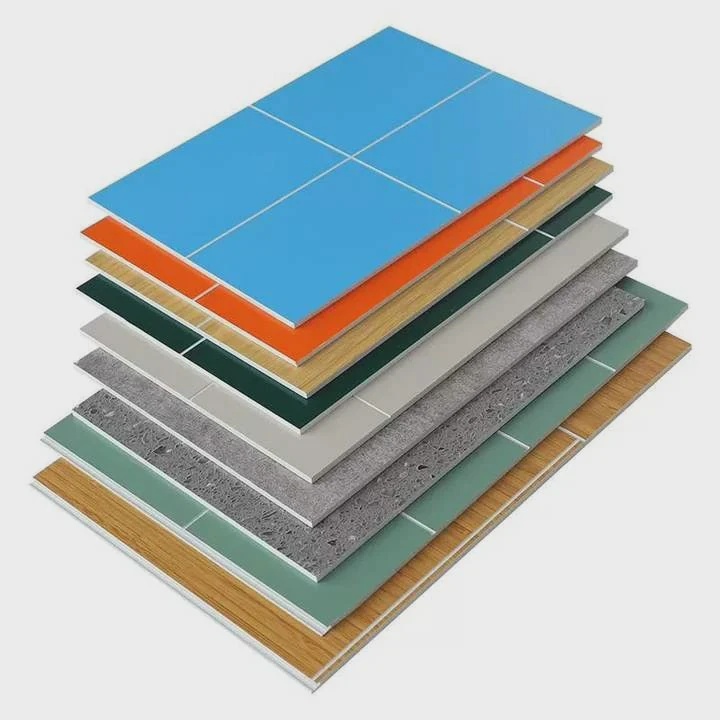
Different buildings create different flooring challenges. Residential homes, apartments, offices, and commercial spaces all place different demands on vinyl tile systems.
Uneven Subfloors Often Need Support
Vinyl tile is flexible compared to ceramic tile or stone. Small imperfections underneath can become visible after installation.
Common subfloor problems include:
- Minor cracks
- Surface dips
- Old adhesive residue
- Rough concrete
- Uneven plywood joints
Underlayment helps smooth these irregularities and creates a more stable installation surface.
Concrete Floors Commonly Require Underlayment
Concrete may look flat, but it often contains hidden moisture and temperature problems.
| Concrete Floor Issue | Why Underlayment Helps |
|---|---|
| Cold surface | Improves insulation |
| Minor unevenness | Creates smoother base |
| Moisture vapor | Adds protection layer |
| Hollow sound | Reduces noise |
Basements especially benefit from moisture-resistant underlayment systems.
Older Homes Usually Need Extra Preparation
Older buildings often have:
- Warped wooden floors
- Surface movement
- Floor squeaks
- Uneven transitions
Without underlayment, vinyl tiles may shift, separate, or wear unevenly over time.
High-Traffic Areas Need Better Support
Commercial spaces and busy homes create constant pressure on flooring.
Areas with heavy traffic include:
- Kitchens
- Hallways
- Retail shops
- Hotel corridors
Underlayment helps distribute weight more evenly and may improve floor stability.
Sound Reduction Matters in Apartments
Noise transfer becomes a major issue in multi-story buildings.
Many underlayments reduce:
- Footstep sounds
- Hollow clicking noise
- Impact vibration
This is especially important in condominiums and office buildings.
Moisture-Prone Rooms Need Protection
Bathrooms, laundry rooms, and basements face higher moisture exposure.
Good underlayment can help:
- Reduce vapor transfer
- Protect locking systems
- Improve floor lifespan
Moisture damage often causes vinyl flooring edges to curl or separate.
Some Floors Do Not Need Underlayment
Not every vinyl tile installation requires extra layers.
Modern luxury vinyl tiles with attached backing may install directly over:
- Smooth concrete
- Flat plywood
- Existing vinyl flooring
In these cases, adding extra underlayment may actually reduce floor stability.
Proper Floor Inspection Is Critical
Many flooring failures happen because installers skip subfloor evaluation.
Before installation, check for:
- Moisture levels
- Flatness
- Structural movement
- Surface cleanliness
The floor underneath always affects the final result.
How Can Underlayment Improve Floor Comfort?
Many people focus only on appearance when choosing vinyl flooring. Comfort is often ignored until the floor feels cold, noisy, or hard underfoot after installation.
Underlayment improves floor comfort by adding cushioning, reducing noise, improving warmth, and creating a softer walking surface.

Comfort becomes especially important in homes where people stand or walk for long periods every day.
Softer Walking Feel
Vinyl tile installed directly on concrete can feel hard and uncomfortable.
Underlayment creates:
- Slight cushioning
- Reduced foot fatigue
- Better walking comfort
This becomes noticeable in kitchens where people often stand for cooking and cleaning.
Noise Reduction Improves Living Spaces
Hard flooring surfaces can create echo and hollow sounds.
Underlayment helps reduce:
- Footstep noise
- Furniture movement sounds
- Vibrations between floors
This creates a quieter and more comfortable environment.
Thermal Insulation Makes Floors Warmer
Concrete floors often feel cold, especially during winter.
| Underlayment Benefit | Comfort Improvement |
|---|---|
| Thermal barrier | Warmer surface |
| Air cushioning | Reduced cold transfer |
| Foam layer | Softer floor feel |
Warm floors improve comfort in bedrooms, living rooms, and basements.
Reduced Stress on Joints
People walking on hard surfaces for long hours may feel knee or back discomfort.
Underlayment can slightly reduce impact pressure during walking. While the effect is small, it becomes noticeable over time in busy households.
Better Sound Experience
Luxury vinyl flooring sometimes produces clicking sounds during walking.
Underlayment absorbs some vibration and reduces:
- Echo
- Hollow tapping
- Impact noise
This creates a more premium flooring feel.
Comfort Matters in Commercial Spaces
Retail shops, hotels, and offices also benefit from underlayment comfort.
Employees standing all day appreciate:
- Reduced fatigue
- Quieter walking surfaces
- Improved floor stability
Comfort can indirectly improve workplace experience.
Different Underlayment Materials Offer Different Results
Common underlayment materials include:
- Foam
- Cork
- Rubber
- Felt
| Material | Main Benefit |
|---|---|
| Foam | Softness |
| Cork | Noise reduction |
| Rubber | Durability |
| Felt | Warmth |
Each material changes the floor feel differently.
Comfort Should Match the Room
Not every room needs maximum cushioning.
For example:
- Kitchens benefit from softer support
- Bathrooms need moisture resistance
- Offices prioritize sound control
Choosing the correct underlayment creates better long-term satisfaction.
Why Check Manufacturer Recommendations for Vinyl Tiles?
Many installation problems happen because people ignore manufacturer instructions. Even high-quality vinyl flooring can fail if installed over the wrong underlayment or subfloor system.
Manufacturer recommendations should always be checked because they define compatible underlayment types, moisture limits, installation methods, and warranty conditions for vinyl tile flooring.
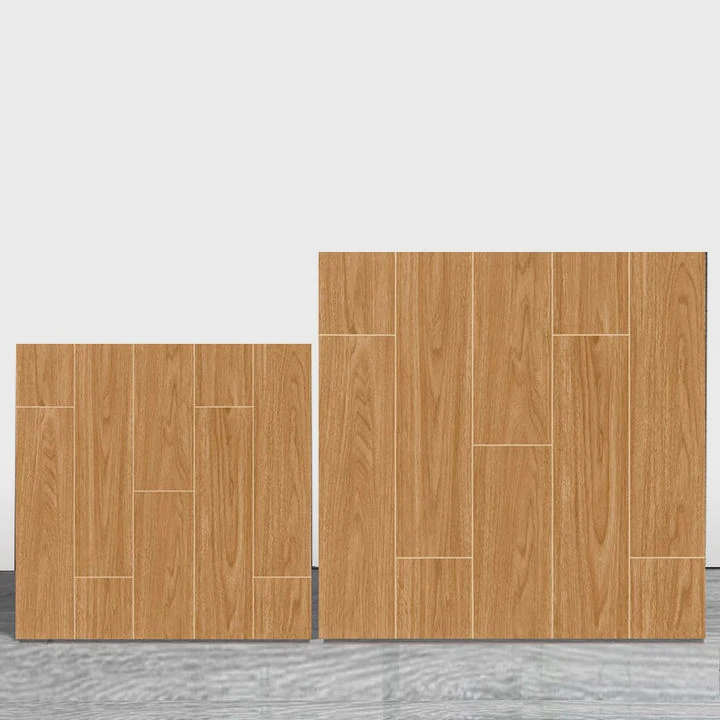
Every vinyl flooring product is designed differently. Thickness, locking systems, backing materials, and flexibility all affect installation requirements.
Some Vinyl Tiles Already Include Backing
Modern luxury vinyl products often come with attached padding layers.
These built-in layers may provide:
- Sound reduction
- Moisture resistance
- Cushioning
Adding extra underlayment on top of attached padding can create instability.
Incorrect Underlayment May Void Warranty
Manufacturers usually specify approved installation conditions.
Common warranty requirements include:
- Flatness standards
- Moisture limits
- Approved underlayment thickness
- Temperature conditions
Ignoring these rules may void product warranties completely.
Different Locking Systems React Differently
Click-lock vinyl flooring depends on stable joint connections.
Too much cushioning underneath can cause:
- Joint movement
- Edge separation
- Lock failure
Thicker underlayment is not always better.
Moisture Requirements Vary
| Installation Area | Typical Manufacturer Concern |
|---|---|
| Basement | Vapor protection |
| Bathroom | Water resistance |
| Concrete slab | Moisture testing |
| Heated floors | Temperature compatibility |
Manufacturers often provide moisture testing standards before installation begins.
Commercial Installations Have Stricter Rules
Commercial flooring systems usually face:
- Heavy traffic
- Rolling loads
- Cleaning chemicals
Manufacturers often limit underlayment types in these environments to maintain floor stability.
Sound Ratings May Be Required
Apartment projects sometimes require specific sound control ratings.
Manufacturers may recommend underlayment tested for:
- Impact insulation class (IIC)
- Sound transmission class (STC)
This helps meet local building requirements.
Floor Heating Compatibility Matters
Radiant floor heating systems create additional installation concerns.
Some underlayments block heat transfer, while others tolerate temperature changes better.
Manufacturers usually specify:
- Maximum floor temperature
- Approved underlayment materials
- Expansion gap requirements
Technical Instructions Prevent Costly Mistakes
Reading installation instructions may feel boring, but it prevents expensive repairs later.
Important details often include:
- Expansion spacing
- Moisture testing
- Acclimation time
- Approved adhesives
Professional installers spend significant time reviewing technical specifications before large projects.
Which Factors Affect Underlayment Necessity?
Many flooring decisions depend on more than one factor. Underlayment needs can change based on room type, floor condition, climate, building structure, and the vinyl tile product itself.
The need for underlayment depends on subfloor condition, moisture exposure, sound control needs, traffic level, vinyl tile design, and room environment.
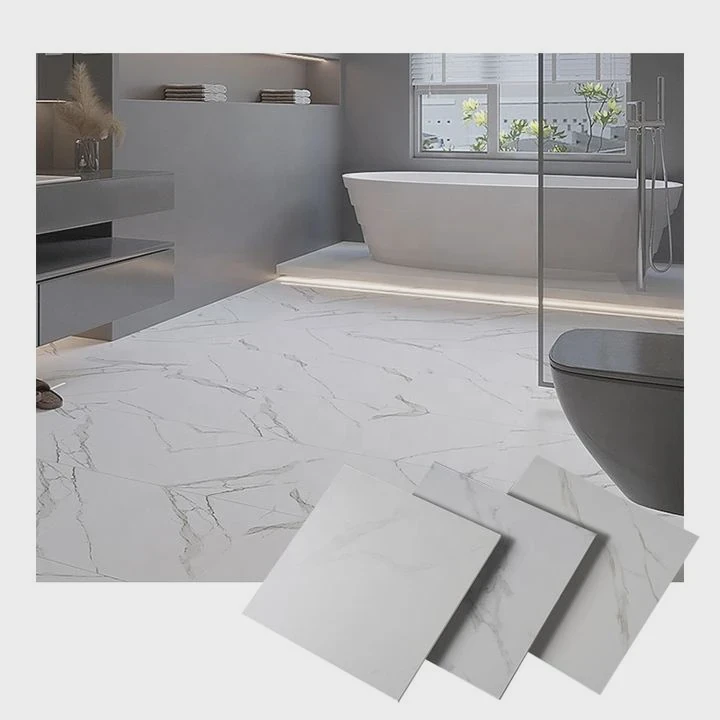
No single answer works for every flooring project. Careful evaluation creates better long-term results.
Subfloor Material Plays a Major Role
Different subfloors behave differently under vinyl flooring.
| Subfloor Type | Underlayment Need |
|---|---|
| Smooth plywood | Often optional |
| Rough concrete | Commonly needed |
| Existing tile | Depends on flatness |
| Old wood floor | Often beneficial |
Concrete usually requires more preparation than plywood.
Room Location Changes Requirements
Basements face different challenges than upper-floor bedrooms.
Important room factors include:
- Moisture exposure
- Temperature changes
- Noise concerns
- Foot traffic
Bathrooms and laundry rooms often require moisture-resistant systems.
Climate Influences Flooring Performance
Humid environments increase moisture risks.
Dry climates may create:
- Expansion gaps
- Shrinkage movement
Temperature swings also affect floor stability over time.
Floor Traffic Affects Wear
Busy households and commercial areas create stronger floor stress.
High traffic may require:
- Denser underlayment
- Better impact support
- Improved sound control
Light residential use may need less support.
Vinyl Tile Thickness Matters
Thicker luxury vinyl products usually handle imperfections better than thin vinyl tiles.
Thin flooring often requires:
- Smoother surfaces
- More careful subfloor preparation
- Additional underlayment support
Product construction affects flexibility and durability.
Existing Flooring May Affect Installation
Some vinyl tiles install directly over old floors.
Possible existing surfaces include:
- Ceramic tile
- Hardwood
- Vinyl sheet flooring
Surface flatness and stability determine whether underlayment is still needed.
Budget Also Influences Decisions
Higher-quality underlayment increases project cost but may improve long-term performance.
Common benefits include:
- Better comfort
- Lower noise
- Improved durability
- Added moisture protection
Skipping underlayment saves money upfront but may reduce floor lifespan in difficult conditions.
Long-Term Goals Matter
Temporary rental property flooring may require different preparation than a permanent family home renovation.
Good planning considers:
- Expected floor lifespan
- Comfort expectations
- Maintenance needs
- Future resale value
The best flooring systems balance durability, comfort, and installation cost together.
Conclusion
Vinyl tile does not always need underlayment, but many flooring conditions benefit from added support, comfort, and moisture protection. Careful evaluation of the subfloor, room environment, product design, and manufacturer guidelines helps create a more stable and longer-lasting vinyl flooring installation.