What to Use for Mopping Tile Floor?
- Sinotiles
- 2026-05-27

Many tile floors lose their shine because people use the wrong mop, too much water, or harsh cleaning chemicals. Small cleaning mistakes slowly damage the floor and leave dirty residue behind.
The best way to mop tile floors is to use pH-neutral cleaning solutions, microfiber mops, controlled moisture, and regular maintenance routines that clean effectively without damaging tile surfaces or grout lines.
Tile floors are popular because they are durable, easy to maintain, and suitable for many spaces. Still, proper cleaning matters. Different tile materials react differently to water, chemicals, and cleaning tools. A good mopping routine helps tiles stay clean, attractive, and long-lasting.
Which Cleaning Solutions Work Best for Tile Floors?
Many people believe stronger cleaners always give better results. In reality, harsh chemicals often damage tile surfaces, grout, and protective finishes over time.
The best cleaning solutions for tile floors are pH-neutral cleaners, mild soap solutions, and tile-safe products that remove dirt without leaving residue or harming the tile surface.
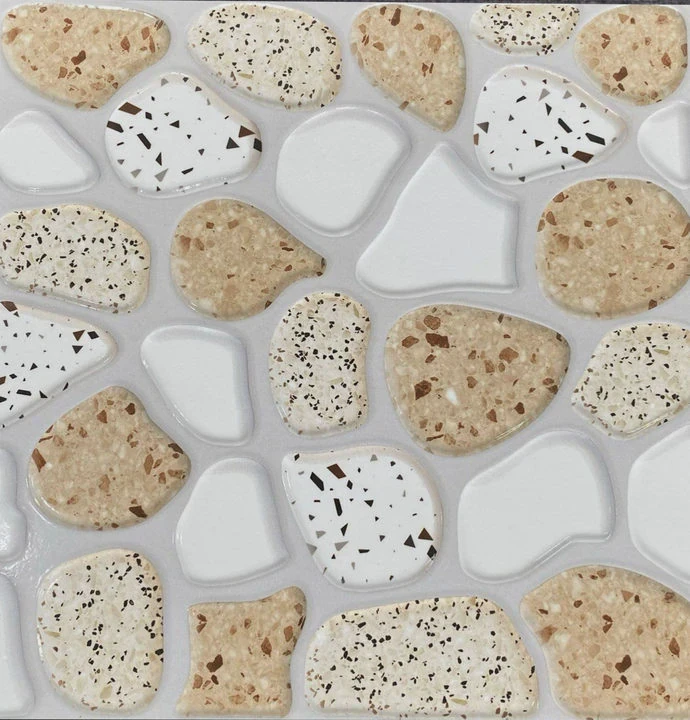
The ideal cleaning solution depends on the tile material, foot traffic, and floor condition. Ceramic, porcelain, natural stone, and cement tiles all require slightly different care.
Common Tile Cleaning Solutions
Some cleaners are safe for daily use, while others should only be used occasionally.
| Cleaning Solution | Safe for Most Tiles | Best Use |
|---|---|---|
| pH-Neutral Cleaner | Yes | Daily mopping |
| Mild Dish Soap | Yes | Light dirt cleaning |
| Warm Water | Yes | Routine maintenance |
| Vinegar Solution | No for stone/cement | Limited use only |
| Bleach Cleaner | No | Avoid frequent use |
| Ammonia Cleaner | No | Avoid |
Why pH-Neutral Cleaners Work Best
Professional cleaners often recommend pH-neutral products because they clean gently without damaging the floor.
Benefits include:
- Protecting grout lines
- Preventing residue buildup
- Preserving tile finish
- Reducing discoloration
- Safe for frequent cleaning
This type of cleaner works especially well for polished porcelain and glazed ceramic tiles.
Mild Soap and Water
Simple cleaning solutions are often enough for daily floor maintenance. Warm water mixed with a small amount of mild soap can remove common dirt and dust effectively.
Still, too much soap creates residue. That residue can make floors appear dull or sticky.
A good approach includes:
- Using small amounts of soap
- Changing mop water regularly
- Rinsing when needed
- Drying excess moisture
Tile-Specific Cleaners
Some floors need specialized products. Natural stone tiles, for example, require cleaners designed specifically for stone surfaces.
Specialized cleaners help protect:
- Marble
- Travertine
- Granite
- Cement tile
- Slate
Using the wrong cleaner may cause etching, fading, or surface damage.
Avoiding Harsh Chemicals
Strong chemicals may clean quickly, but they can slowly weaken tile surfaces and grout.
Harsh products may cause:
- Grout erosion
- Sealant breakdown
- Surface dullness
- Color fading
- Chemical residue buildup
This problem becomes more visible over time.
DIY Cleaning Solutions
Some homeowners prefer homemade cleaners. Mild soap and warm water remain the safest option for most tile floors.
However, some DIY recipes online contain harmful ingredients such as:
- Vinegar
- Lemon juice
- Strong alcohol mixtures
These products may damage sensitive tile materials.
Importance of Proper Dilution
Even safe cleaners can create problems when used incorrectly.
Overconcentrated cleaning solutions may:
- Leave streaks
- Create slippery surfaces
- Attract dirt faster
- Damage protective coatings
Following product instructions helps avoid these issues.
How Can Mop Type Affect Cleaning Performance?
Many cleaning problems come from the mop itself rather than the cleaning solution. Some mops spread dirt instead of removing it properly.
Mop type affects tile cleaning performance by influencing dirt removal, moisture control, floor protection, and cleaning efficiency across different tile surfaces and grout conditions.
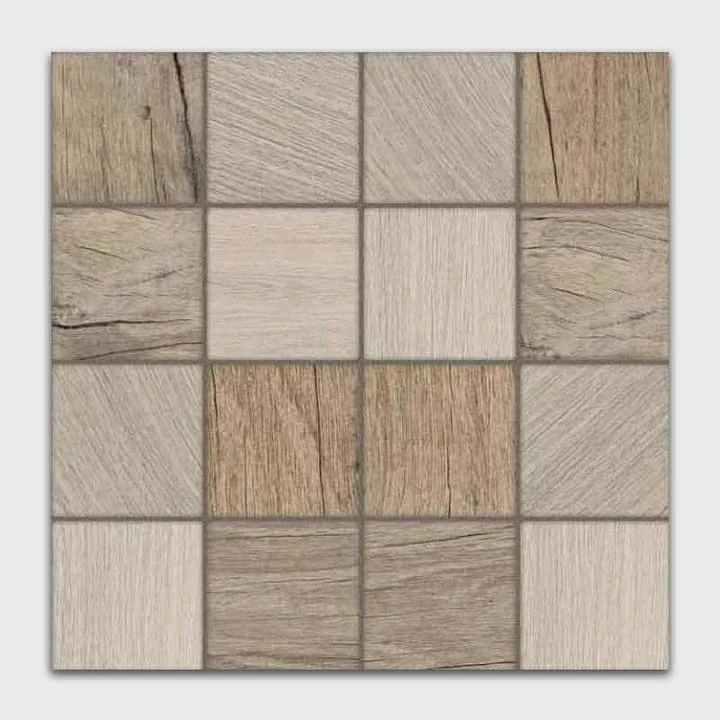
The right mop can make cleaning easier, faster, and safer for the floor. The wrong one may scratch tiles, leave streaks, or push dirty water into grout lines.
Common Mop Types
Different mop designs work better for different situations.
| Mop Type | Main Benefit | Best Use |
|---|---|---|
| Microfiber Mop | Excellent dirt pickup | Daily cleaning |
| Sponge Mop | Absorbs water well | Light cleaning |
| String Mop | Covers large areas | Commercial spaces |
| Steam Mop | Sanitizing | Limited use |
| Flat Mop | Easy maneuvering | Residential floors |
Why Microfiber Mops Are Popular
Microfiber mops have become one of the best choices for tile floors.
They offer several advantages:
- Trap fine dust effectively
- Require less water
- Reduce streaks
- Clean grout lines better
- Wash easily for reuse
Microfiber also creates less abrasion compared to rough mop materials.
Sponge Mops
Sponge mops absorb liquid well and work nicely for small spills.
Still, they may:
- Push dirty water around
- Wear down over time
- Trap bacteria if not cleaned properly
Regular cleaning and replacement help maintain performance.
String Mops for Large Areas
Commercial buildings often use string mops because they clean large surfaces quickly.
These mops work well for:
- Warehouses
- Shopping areas
- Large kitchens
- Hotel corridors
However, they usually hold more water, which may not suit all tile types.
Steam Mop Considerations
Steam mops can sanitize floors using heat instead of chemicals.
Still, steam may damage:
- Weak grout
- Poorly sealed floors
- Certain natural stone tiles
- Older adhesive systems
Many flooring manufacturers recommend caution with steam cleaning.
Mop Maintenance Matters
Dirty mops cannot clean properly. They simply move bacteria and grime around the floor.
Good maintenance includes:
- Washing microfiber pads regularly
- Replacing worn mop heads
- Allowing mops to dry fully
- Avoiding dirty mop water reuse
Clean tools create cleaner floors.
Choosing the Right Mop for Tile Type
Different tile surfaces need different cleaning approaches.
Smooth porcelain tile:
- Flat microfiber mop works well
Textured tile:
- Soft-bristle mop may clean deeper grooves better
Natural stone:
- Gentle microfiber mop preferred
Commercial tile:
- Durable string mop often suitable
Matching the mop to the floor improves long-term results.
Why Avoid Excessive Water When Mopping Tiles?
Many people believe more water creates cleaner floors. In reality, excessive water often causes hidden damage beneath the tile surface and inside grout lines.
Excessive water should be avoided when mopping tiles because it can weaken grout, create mold growth, damage subfloors, leave streaks, and reduce long-term floor durability.
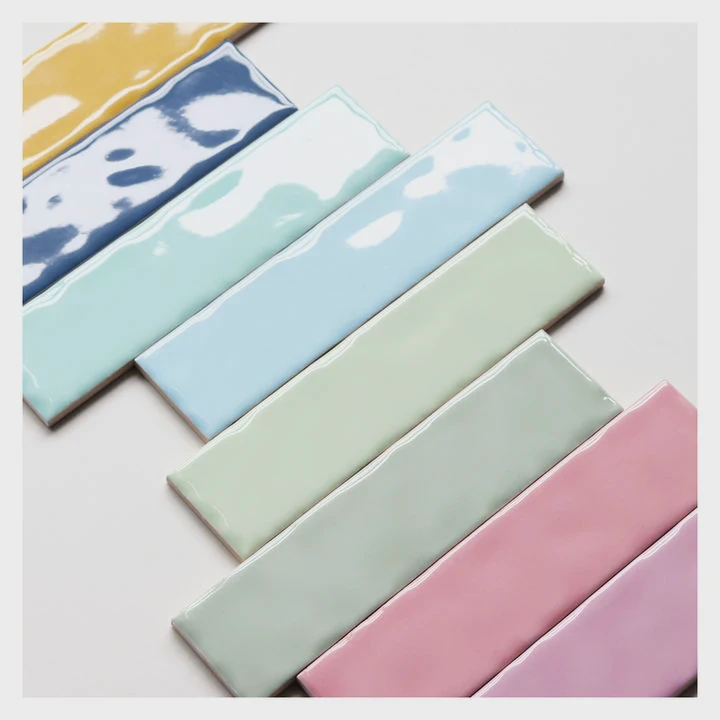
Controlled moisture is one of the most important parts of tile floor care. Too much water often creates more problems than dirt itself.
How Water Affects Grout
Grout is porous and absorbs moisture easily. Excessive water slowly weakens grout structure over time.
Common water-related grout problems include:
- Cracking
- Staining
- Mold growth
- Discoloration
- Softening
Damaged grout may eventually require expensive repair work.
Hidden Moisture Damage
Water does not always stay on the surface. It can travel beneath tiles and affect the underlying structure.
Possible risks include:
- Subfloor swelling
- Adhesive failure
- Loose tiles
- Wood rot
- Mildew growth
These issues often remain unnoticed until serious damage appears.
Why Damp Mopping Works Better
Professional cleaners usually recommend damp mopping rather than soaking the floor.
Damp mopping:
- Uses less water
- Dries faster
- Reduces streaking
- Protects grout
- Limits moisture penetration
A properly wrung microfiber mop often provides enough cleaning power.
Standing Water Creates Safety Risks
Wet floors also increase slipping hazards.
This becomes especially important in:
- Commercial buildings
- Restaurants
- Hospitals
- Homes with children
- Elderly living spaces
Fast drying helps improve safety.
Water Spots and Residue
Too much water may leave visible marks after drying.
Common appearance problems include:
- Water spots
- Hazy residue
- Streaking
- Dull surfaces
Changing water frequently helps reduce this issue.
Moisture and Natural Stone Tiles
Natural stone materials absorb water more easily than porcelain or ceramic tile.
Sensitive stone surfaces may develop:
- Mineral stains
- Efflorescence
- Surface discoloration
- Sealant weakening
Controlled moisture becomes especially important for marble and travertine floors.
Best Practices for Water Control
Simple habits help prevent moisture problems.
Recommended practices include:
- Wring out mops thoroughly
- Use clean water
- Mop in sections
- Dry floors when needed
- Improve room ventilation
These steps reduce long-term moisture damage.
Importance of Fast Drying
Faster drying reduces both staining and bacterial growth.
Good airflow helps by:
- Lowering humidity
- Preventing mold
- Speeding evaporation
- Reducing odor buildup
Commercial spaces often use fans during large cleaning jobs.
Which Routines Maintain Long-Term Tile Cleanliness?
Many floors look dirty not because of poor mopping, but because maintenance routines are inconsistent. Long-term tile appearance depends on regular care habits.
The best routines for long-term tile cleanliness include daily dust removal, weekly damp mopping, grout care, quick spill cleanup, and periodic deep cleaning using safe tile-friendly products.
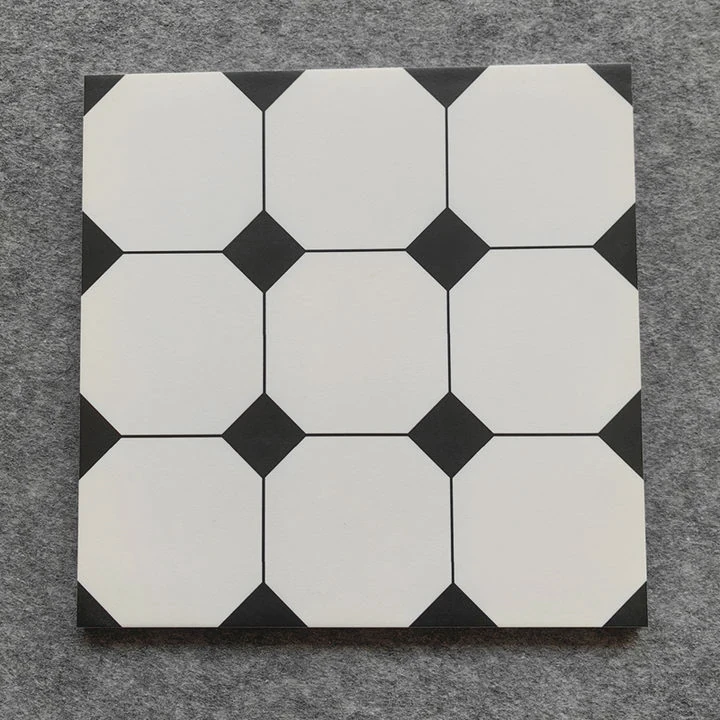
Tile floors can remain attractive for decades when maintenance stays consistent. Small daily actions often prevent major cleaning problems later.
Daily Cleaning Habits
Dust and grit slowly scratch tile surfaces and grout lines.
Daily routines should include:
- Sweeping loose dirt
- Vacuuming debris
- Cleaning spills quickly
- Using entry mats
These simple habits reduce long-term wear.
Weekly Mopping Routine
Most residential tile floors benefit from weekly damp mopping.
A basic process includes:
- Sweep or vacuum first
- Prepare fresh cleaning solution
- Damp mop evenly
- Rinse if necessary
- Allow proper drying
Skipping dry dirt removal first often spreads grime across the floor.
Importance of Grout Maintenance
Dirty grout can make clean tiles look old.
Regular grout care may include:
- Gentle brushing
- Spot cleaning stains
- Applying grout sealers
- Preventing moisture buildup
Well-maintained grout improves the entire floor appearance.
Entryway Protection
Many tile floors become dirty because outdoor debris enters constantly.
Helpful protection methods include:
- Door mats
- Shoe removal areas
- Frequent entry cleaning
- Rug placement
Commercial buildings often use larger dirt-trapping systems.
Deep Cleaning Schedule
Even well-maintained floors sometimes need deeper cleaning.
Deep cleaning may involve:
- Detailed grout cleaning
- Tile polishing
- Resealing natural stone
- Professional maintenance
The schedule depends on traffic levels and floor type.
| Maintenance Task | Recommended Frequency |
|---|---|
| Sweeping/Vacuuming | Daily |
| Damp Mopping | Weekly |
| Grout Inspection | Monthly |
| Deep Cleaning | Every 6-12 months |
| Sealer Inspection | Yearly |
Preventing Long-Term Wear
Some tile damage comes from everyday habits rather than major accidents.
Reducing wear includes:
- Using felt furniture pads
- Avoiding dragging furniture
- Cleaning spills immediately
- Keeping pet nails trimmed
Small prevention steps help preserve the floor surface.
Seasonal Maintenance
Different seasons create different cleaning challenges.
Rainy season:
- More mud and moisture
Winter:
- Salt and debris buildup
Summer:
- Increased dust and sand
Adjusting routines seasonally helps maintain better floor condition.
Why Consistency Matters Most
Occasional deep cleaning cannot replace regular maintenance. Consistent care keeps dirt from building up and reduces long-term damage risks.
Well-maintained tile floors usually stay:
- Cleaner
- Brighter
- Safer
- Easier to maintain
- More durable
Simple routines often produce the best long-term results.
Conclusion
The best tile floor mopping routine combines safe cleaning solutions, the right mop type, controlled moisture, and consistent maintenance habits. Gentle care protects tile surfaces, keeps grout cleaner, and helps floors maintain their appearance for many years.