How Much Is Tile Floor?
- Sinotiles
- 2026-05-25
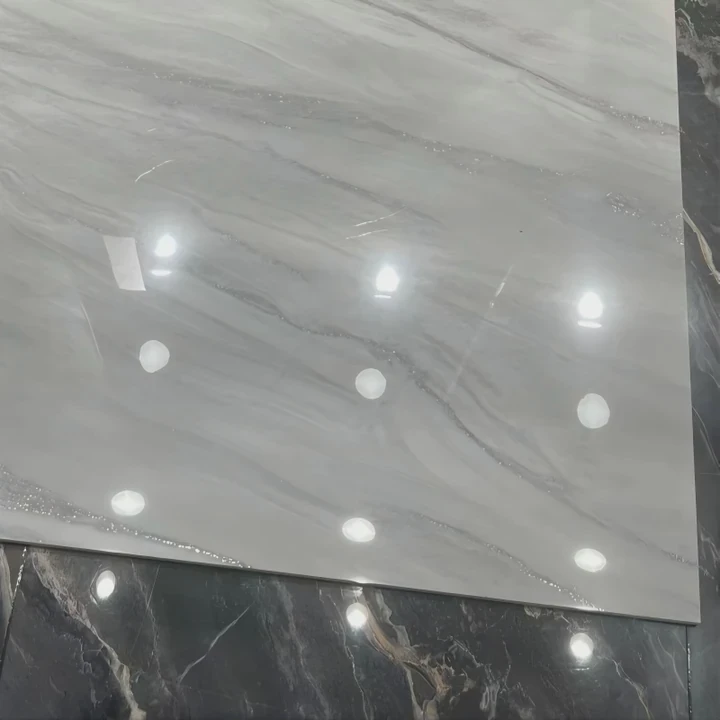
Tile flooring prices can feel confusing. Many buyers see big price gaps between suppliers, materials, and projects. This often leads to budgeting mistakes and unexpected costs.
Tile floor cost usually ranges from \(2 to \)15 per square foot for materials, while total installed cost may reach \(5 to \)25 per square foot depending on tile type, labor, and project complexity.
Many importers, contractors, and project buyers ask this question before starting a residential or commercial project. The answer depends on much more than the tile itself. Material grade, tile size, installation method, shipping, and labor all change the final number. A cheap tile can become expensive if installation is difficult. A premium tile can become affordable when purchased directly from a factory in large quantities.
What Factors Affect Tile Flooring Cost?
Small details often create large pricing differences in tile flooring projects. Many buyers only compare tile prices and ignore hidden costs that appear later during installation and transportation.
Tile flooring cost depends on tile type, tile size, surface finish, installation area, labor rates, transportation, and project complexity. Each factor changes the final project budget.
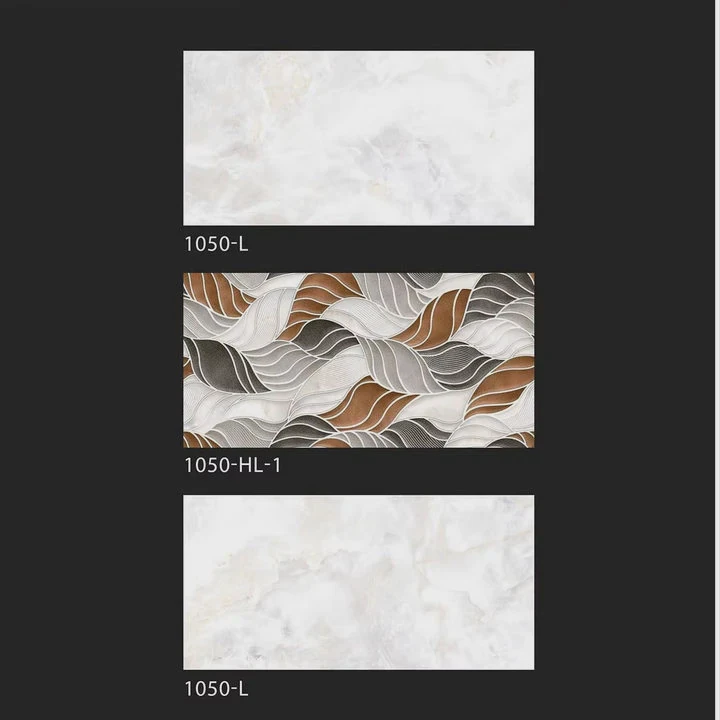
Tile flooring is not a single product with one fixed price. The final cost comes from many parts working together. In many export projects, buyers first focus only on the factory quotation. Later, they discover additional expenses such as adhesive, grout, shipping, cutting waste, and labor. This is common in both residential and commercial jobs.
Tile Type Changes Pricing
Different tile categories have very different production costs. Porcelain tiles usually cost more than ceramic tiles because they use denser raw materials and require higher firing temperatures. Mosaic tiles often cost more because production and installation take more time.
Here is a simple comparison:
| Tile Type | Average Material Cost | Common Use |
|---|---|---|
| Ceramic Tile | \(2-\)6/sq ft | Residential walls and floors |
| Porcelain Tile | \(3-\)10/sq ft | Residential and commercial floors |
| Polished Tile | \(4-\)12/sq ft | Shopping malls and hotels |
| Large Slab Tile | \(8-\)20/sq ft | Luxury projects |
| Mosaic Tile | \(5-\)15/sq ft | Bathrooms and decoration |
Tile Size Also Matters
Large tiles often look more modern and reduce grout lines. Still, they may increase costs because transportation, handling, and installation become more difficult. A 600x600mm tile is easier to install than a 900x1800mm slab.
Large-format tiles also require:
- Stronger packaging
- Better leveling systems
- More skilled labor
- Larger cutting equipment
Many project buyers ignore these factors during early budgeting.
Surface Finish Affects Cost
Glossy polished tiles usually require additional processing after firing. Matte surfaces may cost less in some cases. Special textures, anti-slip finishes, and digital printing also increase manufacturing costs.
For example:
- Wood-look tiles need advanced inkjet printing
- Marble-look porcelain requires detailed veining design
- Anti-slip outdoor tiles need extra surface treatment
Quantity Influences Unit Price
Large orders almost always reduce per-square-foot pricing. Factory production becomes more efficient with container-level orders. Small mixed orders increase handling and packaging costs.
In export business, many wholesalers reduce costs by combining multiple tile sizes into one container. This strategy helps maintain competitive prices while expanding product variety.
Shipping and Import Costs
International buyers must also consider:
- Ocean freight
- Import taxes
- Port charges
- Inland transportation
- Container loading efficiency
Heavy products like porcelain tiles create higher shipping costs than many other building materials. This is why factory loading experience matters. Efficient loading can reduce wasted container space and lower freight costs per square meter.
How Does Material Choice Influence Pricing?
Many flooring buyers focus on appearance first. Later, they discover that material choice strongly affects durability, maintenance, and total long-term cost.
Material choice influences tile flooring pricing because different materials require different raw materials, firing temperatures, durability standards, and manufacturing processes.
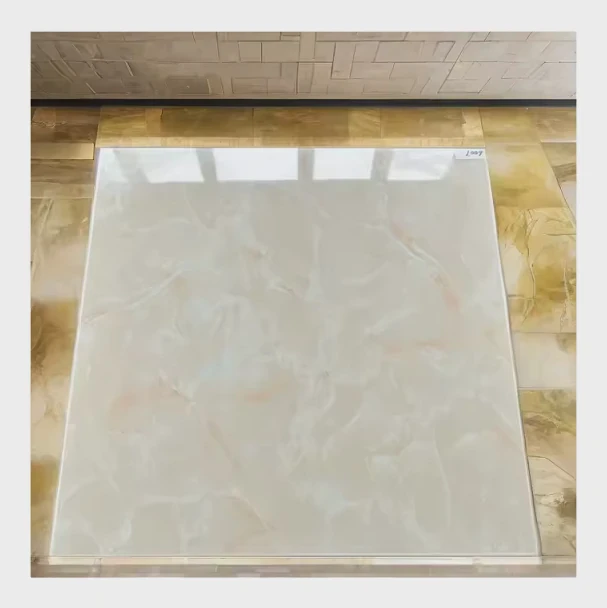
The material behind a tile determines much more than appearance. It affects strength, water absorption, wear resistance, and lifespan. In commercial projects, choosing the wrong material can create expensive maintenance problems later.
Ceramic vs Porcelain
Ceramic and porcelain are often confused. They look similar, but their production standards are different.
Porcelain tiles are denser because manufacturers use finer clay and higher firing temperatures. This makes porcelain stronger and more water-resistant.
Here is a direct comparison:
| Feature | Ceramic Tile | Porcelain Tile |
|---|---|---|
| Water Absorption | Higher | Lower |
| Durability | Medium | High |
| Price | Lower | Higher |
| Weight | Lighter | Heavier |
| Common Applications | Walls, light floors | Heavy traffic floors |
For budget-sensitive residential projects, ceramic may work well. For airports, malls, hotels, and outdoor areas, porcelain is usually the better investment.
Natural Stone vs Manufactured Tile
Natural stone often costs more because quarrying, cutting, and transportation require more labor. Marble, granite, and travertine also need regular sealing and maintenance.
Porcelain tiles that imitate natural stone have become popular because they offer:
- Lower maintenance
- Better stain resistance
- More consistent color
- Lower replacement rates
This is why many developers now prefer marble-look porcelain instead of real marble.
Large Slab Tiles and Premium Products
Large-format porcelain slabs have become common in luxury projects. These products create seamless visual effects and modern design styles.
Still, premium products increase cost because:
- Production yield is lower
- Packaging is more complex
- Transportation risk is higher
- Installation requires skilled teams
A damaged large slab creates much bigger losses than a standard tile.
Technical Performance Also Impacts Price
Tiles with better technical performance usually cost more because quality control standards are stricter.
Examples include:
- High PEI wear resistance
- Anti-slip certification
- Frost resistance
- Low water absorption
- Chemical resistance
Commercial buyers often prioritize these technical features over appearance because project lifespan matters more than short-term savings.
Design Technology Raises Value
Modern digital printing technology allows factories to create realistic stone, wood, and cement looks. High-definition designs increase product value because they create premium visual results at lower cost than natural materials.
Many wholesalers now focus heavily on trend-based surfaces because customers want fashionable designs without luxury pricing.
Why Does Installation Labor Vary in Cost?
Many buyers underestimate installation labor. In some projects, labor costs become higher than the tile material itself.
Installation labor varies because tile size, installation pattern, surface condition, project location, and installer skill level all affect working time and complexity.
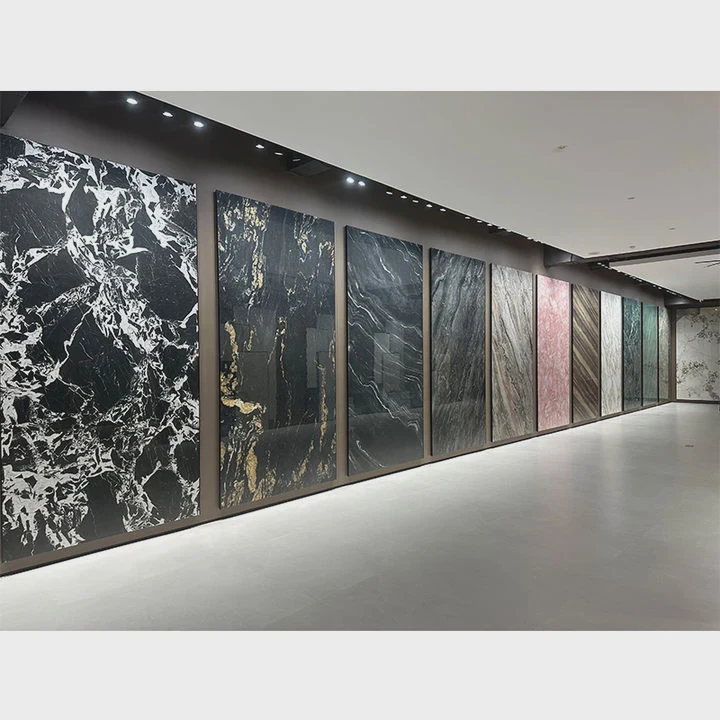
Tile installation is skilled work. Even high-quality tiles can look poor when installation quality is bad. In large commercial projects, experienced installers help reduce future repair costs and customer complaints.
Tile Size Changes Labor Difficulty
Small tiles take longer to install because there are more grout joints and alignment points. Mosaic installation requires extreme precision.
Large-format tiles create different challenges:
- More difficult handling
- Higher breakage risk
- Surface leveling requirements
- Specialized cutting tools
This is why labor rates rise for oversized porcelain slabs.
Floor Condition Impacts Installation Time
Uneven subfloors increase labor costs significantly. Installers may need additional preparation work before laying tiles.
Common preparation steps include:
- Surface grinding
- Crack repair
- Waterproofing
- Self-leveling compounds
- Moisture treatment
Many project budgets fail because these hidden preparation costs were not included early.
Installation Patterns Affect Pricing
Straight lay patterns are usually the most affordable. Complex patterns require more cutting and planning.
More expensive layouts include:
- Herringbone
- Chevron
- Diagonal layouts
- Mixed-size modular patterns
These designs increase labor hours and tile waste percentages.
Regional Labor Rates Differ
Labor pricing changes greatly between countries and cities. In some markets, skilled tile installers are limited, which increases rates.
For example:
- Luxury urban projects often have higher labor costs
- Rural areas may have lower installer availability
- Commercial night work may require overtime pay
In international projects, labor skill level is just as important as labor price.
Experience and Equipment Matter
Professional installers with leveling systems, laser tools, and slab-cutting equipment often charge more. Still, they usually reduce long-term risks.
Poor installation can create:
- Hollow tiles
- Uneven surfaces
- Cracking
- Water leakage
- Edge chipping
Repairing these issues later often costs much more than paying for quality installation from the beginning.
Waste Percentage Impacts Final Cost
Complex projects create more tile waste during cutting. Standard installations may create 5% waste, while complicated layouts can exceed 15%.
This means buyers must purchase extra material. Otherwise, shortages can delay projects and create color batch mismatch problems later.
Which Budgeting Tips Reduce Flooring Expenses?
Many flooring projects go over budget because buyers focus only on tile prices. Smart budgeting requires planning before production and installation begin.
Flooring expenses can be reduced by selecting practical tile sizes, minimizing waste, simplifying installation patterns, buying directly from factories, and planning logistics carefully.
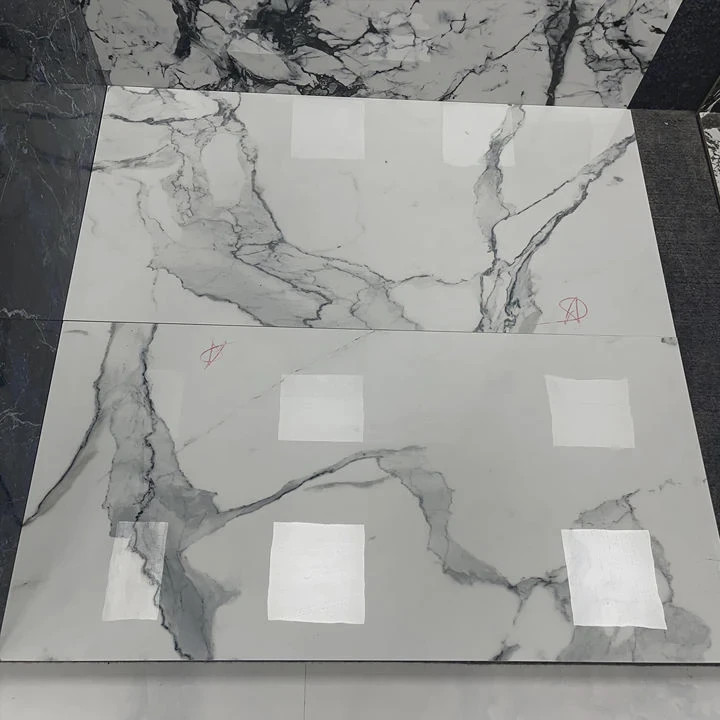
Reducing flooring costs does not always mean choosing the cheapest tile. In many cases, good planning creates bigger savings than low product pricing.
Choose Standard Sizes
Standard sizes often cost less because factories produce them in larger quantities. Common sizes like 600x600mm and 600x1200mm usually offer better pricing and availability.
Custom sizes may increase:
- Production setup costs
- Packaging costs
- Delivery times
- Replacement difficulty
For many wholesalers and project contractors, standard sizes provide the best balance between design and cost control.
Reduce Installation Complexity
Simple layouts lower labor costs and reduce tile waste. Straight installation patterns are usually faster and easier.
This approach helps reduce:
- Cutting waste
- Labor hours
- Adhesive usage
- Future maintenance issues
Complex patterns may look attractive, but they often increase total project cost significantly.
Buy Directly From Manufacturers
Direct factory purchasing removes some middleman costs. This strategy is common among importers, distributors, and project contractors.
Factory-direct purchasing may provide:
- Better container pricing
- OEM packaging options
- Stable production schedules
- Faster communication
- Better loading efficiency
Long-term cooperation also improves pricing consistency over time.
Plan Logistics Early
Shipping delays and poor loading plans can increase project costs quickly. Smart logistics planning is very important for heavy products like tiles.
Good planning includes:
- Full container optimization
- Proper pallet arrangement
- Damage prevention
- Accurate lead time management
Experienced exporters often help customers maximize container space and reduce freight costs per square meter.
Balance Quality and Budget
Choosing the cheapest product may create future replacement costs. Choosing the most expensive product may hurt profit margins.
The best strategy is matching tile quality with project needs.
For example:
| Project Type | Recommended Tile Strategy |
|---|---|
| Rental Apartments | Cost-effective ceramic |
| Shopping Malls | Durable porcelain |
| Luxury Villas | Large slab porcelain |
| Hotels | Premium polished porcelain |
| Outdoor Areas | Anti-slip porcelain |
Consider Long-Term Maintenance
Low-maintenance tiles often save money over time. Porcelain products usually require less maintenance than natural stone.
Long-term savings may include:
- Lower repair costs
- Easier cleaning
- Better stain resistance
- Reduced replacement frequency
This is especially important for commercial projects with heavy foot traffic.
Conclusion
Tile flooring cost depends on materials, labor, project design, logistics, and long-term performance. Careful planning helps buyers control budgets while still achieving strong visual results and durable flooring performance.