How to Install Outdoor Tile?
- Sinotiles
- 2026-05-25
Outdoor tile installation may look simple at first. Yet many outdoor tile projects fail because of poor preparation, water damage, or weather changes. Loose tiles and cracked surfaces often come from small mistakes made at the beginning.
Outdoor tile installation needs proper surface preparation, weather planning, frost-resistant materials, and strong installation methods. A stable base and quality adhesive help outdoor tiles last for many years in different climates.
Many builders and tile importers focus only on tile design and price. Still, installation quality decides how long the project will survive outdoors. From patios to commercial walkways, each step matters. A good installation process protects both the tile and the reputation of the supplier.
What Preparation Is Needed for Outdoor Tiling?
Outdoor tiling projects often fail before the first tile is placed. Weak surfaces, poor drainage, and uneven floors can quickly lead to cracked or loose tiles. Many contractors rush this stage to save time, but the result usually costs much more later.
Outdoor tiling needs a clean, stable, dry, and level surface before installation starts. Proper drainage, expansion joints, and strong substrate preparation help prevent cracks, water damage, and tile movement over time.
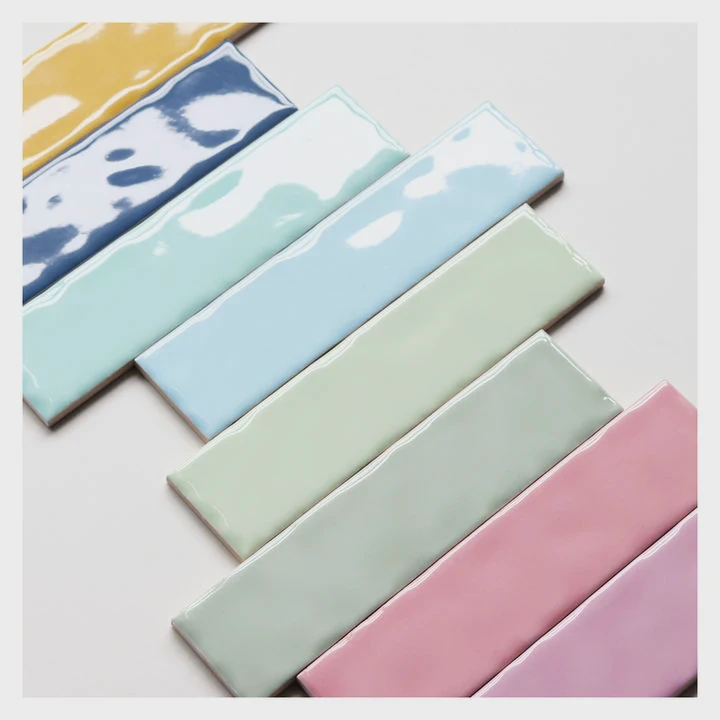
The preparation stage is the foundation of every successful outdoor tile project. A strong tile may still fail if the base underneath is weak.
Check the Surface Condition
The first step is checking the substrate carefully. Outdoor tiles are usually installed on concrete slabs, cement screeds, or reinforced surfaces. The base must be solid and free from cracks.
Loose concrete or dusty surfaces reduce adhesive strength. Before installation, the installer should clean all dirt, oil, paint, and debris.
Here is a simple preparation checklist:
| Preparation Item | Why It Matters |
|---|---|
| Surface cleaning | Improves adhesive bonding |
| Crack inspection | Prevents future tile movement |
| Level adjustment | Avoids uneven tile surfaces |
| Drainage slope | Prevents water pooling |
| Moisture check | Reduces adhesive failure |
Make Sure Drainage Is Correct
Outdoor areas always face rain and moisture. Water pooling is one of the biggest reasons outdoor tiles fail.
Most outdoor tiled areas need a slight slope. In many projects, a slope of around 1-2% helps water flow away properly.
Without drainage, water can stay under the tiles. Over time, this creates hollow sounds, tile lifting, or mold problems.
Choose the Right Installation Materials
Indoor adhesive is not suitable for exterior use. Outdoor environments face temperature changes, moisture, and direct sunlight.
A high-quality flexible adhesive works better outdoors because it handles movement and expansion.
The grout also matters. Waterproof and weather-resistant grout protects the joints from water penetration.
Expansion Joints Are Important
Many people forget expansion joints during outdoor tiling. Yet outdoor surfaces expand and contract every day because of heat and cold.
Expansion joints reduce stress between tiles. They help prevent cracking and tenting.
Large outdoor spaces need movement joints at regular distances. Corners and edges also need flexible sealing materials.
Tile Size Can Affect Installation
Large-format outdoor tiles are becoming more popular in modern projects. They create a clean and luxury look. Still, larger tiles require flatter surfaces and more careful installation.
Smaller tiles can sometimes handle slight floor unevenness better.
In several export projects, contractors preferred 600x1200mm porcelain tiles for commercial outdoor spaces because they balance appearance and installation efficiency well.
Surface Primers Improve Bonding
Some substrates absorb water too quickly. Primers help create better adhesive performance.
This step becomes even more important in hot climates where surfaces dry rapidly under sunlight.
Skipping primers may reduce long-term bonding strength.
Good preparation takes time. Yet this stage often decides whether the outdoor tile installation lasts for five years or twenty years.
How Can Weather Affect Tile Installation Outdoors?
Many outdoor tile problems do not come from the tile itself. Instead, weather conditions during installation often create hidden damage. Heat, rain, and freezing temperatures can weaken adhesives and reduce tile lifespan.
Weather affects outdoor tile installation by changing adhesive curing speed, moisture levels, and tile expansion. Rain, freezing temperatures, and strong sunlight can reduce bonding strength and create future cracking problems.
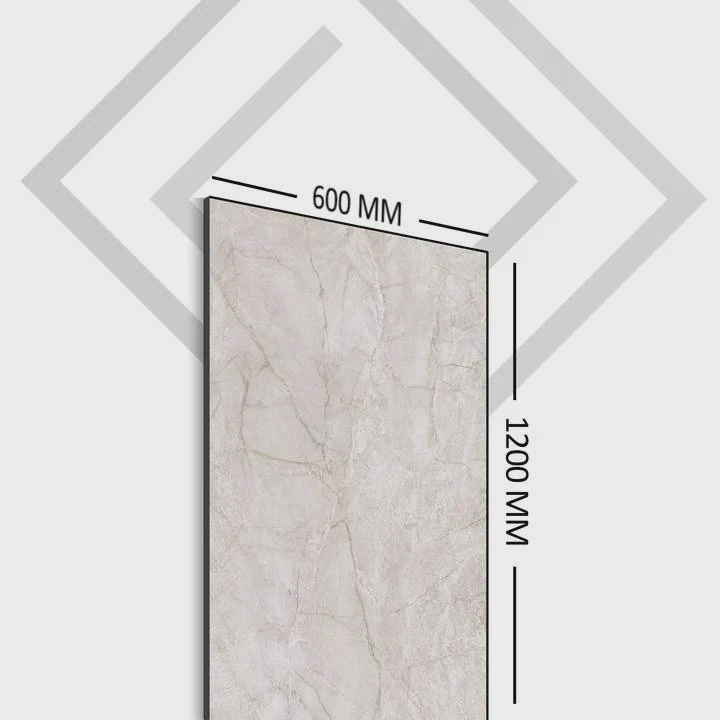
Outdoor tiling always depends heavily on climate conditions. Even high-quality porcelain tiles need proper installation weather to perform well.
Hot Weather Challenges
In hot climates, adhesive dries faster than normal. Fast drying reduces bonding quality because the installer has less working time.
Strong sunlight can also heat the tile surface quickly. This creates expansion stress during installation.
Installers often avoid direct afternoon sun during summer projects.
Some common hot weather problems include:
| Weather Issue | Possible Result |
|---|---|
| Fast adhesive drying | Weak tile bonding |
| Surface overheating | Tile expansion stress |
| Water evaporation | Poor curing performance |
| Dry wind exposure | Reduced adhesive strength |
Rain Can Delay Installation
Outdoor tiling should not happen during heavy rain. Wet surfaces weaken adhesive bonding.
Rainwater may also wash away fresh grout before it cures properly.
In many commercial projects, contractors use temporary covers or tents to protect installation areas from unexpected rain.
Moisture trapped under tiles can later create hollow sounds or tile lifting.
Cold Weather Risks
Cold weather creates different problems. Adhesives cure more slowly in low temperatures.
If water freezes under or inside the adhesive layer, expansion may crack the tiles or substrate.
This is especially dangerous in countries with freeze-thaw cycles.
For this reason, many installers avoid exterior tiling during freezing conditions.
Humidity Affects Drying Time
High humidity changes curing speed too. Adhesives may remain wet longer than expected.
This can delay grouting schedules and slow project completion.
Professional installers usually check both temperature and humidity before starting outdoor work.
Wind Also Matters
Strong wind may look harmless, but it can dry adhesive surfaces too quickly.
Dust carried by wind can also contaminate freshly applied adhesive.
For large outdoor projects, wind protection barriers sometimes become necessary.
Seasonal Planning Helps Large Projects
Large commercial projects often schedule outdoor tiling during moderate weather seasons.
Spring and autumn usually provide more stable conditions than extreme summer or winter periods.
This reduces installation risk and improves long-term durability.
Climate Impacts Material Selection
Different regions require different outdoor tile solutions.
For example:
- Middle Eastern projects often focus on heat resistance and UV stability.
- European projects pay more attention to frost resistance.
- Tropical regions focus heavily on anti-slip surfaces and water resistance.
This is why experienced suppliers often recommend products based on the destination climate, not only design trends.
Outdoor tile installation is not only about construction skills. Understanding weather conditions is equally important for long-term performance.
Why Use Frost-Resistant Tiles for Exterior Areas?
Many outdoor tile surfaces look perfect during summer. Then winter arrives, and cracks suddenly appear everywhere. Water and freezing temperatures are usually the hidden causes behind this damage.
Frost-resistant tiles absorb very little water, which helps prevent cracking during freeze-thaw cycles. These tiles improve outdoor durability and reduce long-term maintenance in cold climate regions.
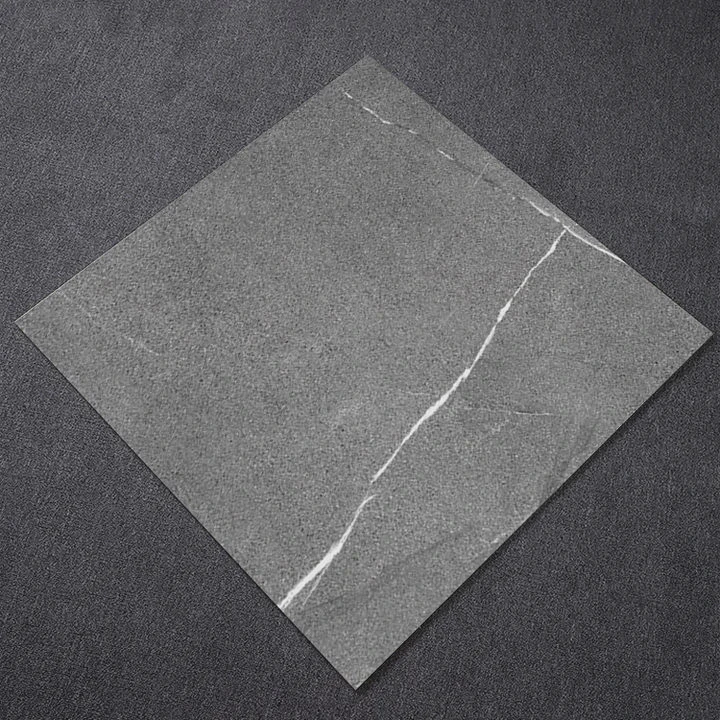
Frost resistance is one of the most important factors for outdoor tiles in cold regions.
How Freeze-Thaw Damage Happens
Water naturally enters small pores inside tiles and grout joints. When temperatures drop below freezing, the water expands.
This expansion creates pressure inside the material.
After repeated freeze-thaw cycles, ordinary tiles may crack, chip, or separate from the substrate.
Porcelain Tiles Perform Better Outdoors
Porcelain tiles are popular for exterior use because they have very low water absorption rates.
Many high-quality porcelain outdoor tiles absorb less than 0.5% water.
This low absorption greatly reduces freeze damage risk.
Ceramic wall tiles or low-density indoor tiles usually cannot survive harsh winter conditions outdoors.
Frost Resistance Improves Safety
Cracked outdoor surfaces are not only ugly. They also create safety risks.
Loose or broken tiles may cause people to slip or trip.
This becomes especially dangerous in commercial spaces, hotel entrances, and public walkways.
Long-Term Maintenance Costs Become Lower
Cheap non-frost-resistant tiles may reduce short-term costs. Still, repair expenses later can become much higher.
Replacing damaged outdoor tiles often requires:
- Tile removal
- Adhesive cleaning
- Surface repair
- Reinstallation labor
These costs quickly exceed the original savings.
Frost Resistance Matters Beyond Europe
Some buyers think frost resistance only matters in snowy countries. Yet temperature changes happen in many regions.
Even mild winter climates can experience overnight freezing.
Mountain areas and high-altitude regions also face sudden temperature drops.
Surface Texture Still Matters
Frost resistance alone is not enough. Outdoor tiles also need anti-slip surfaces.
Textured porcelain surfaces improve grip during wet or icy weather.
This combination improves both durability and safety.
Common Frost-Resistant Outdoor Tile Types
Here are several popular outdoor tile categories:
| Tile Type | Outdoor Suitability |
|---|---|
| Porcelain tile | Excellent |
| Glazed ceramic wall tile | Poor |
| Full-body porcelain | Excellent |
| Polished indoor tile | Limited |
| Textured anti-slip tile | Excellent |
Quality Standards Should Be Verified
Professional buyers often request test reports before ordering outdoor tiles.
Some important tests include:
- Water absorption rate
- Frost resistance testing
- Slip resistance rating
- Breaking strength
Reliable manufacturers usually provide these reports for export projects.
Large Outdoor Projects Need Consistency
For hotels, shopping malls, and commercial buildings, tile consistency matters a lot.
Color variation and size accuracy become even more important outdoors because natural sunlight makes imperfections easier to see.
Stable production quality helps contractors avoid installation delays.
Frost-resistant outdoor tiles are not simply a premium option. In many climates, they are necessary for long-term project success.
Which Steps Ensure Durable Outdoor Tile Installation?
Many outdoor tile installations look strong during the first year. Yet after several rainy seasons, problems slowly appear. Tiles loosen, grout cracks, and water damage spreads under the surface.
Durable outdoor tile installation depends on proper substrate preparation, waterproofing, flexible adhesives, expansion joints, correct drainage, and professional installation techniques that handle weather movement and moisture exposure.
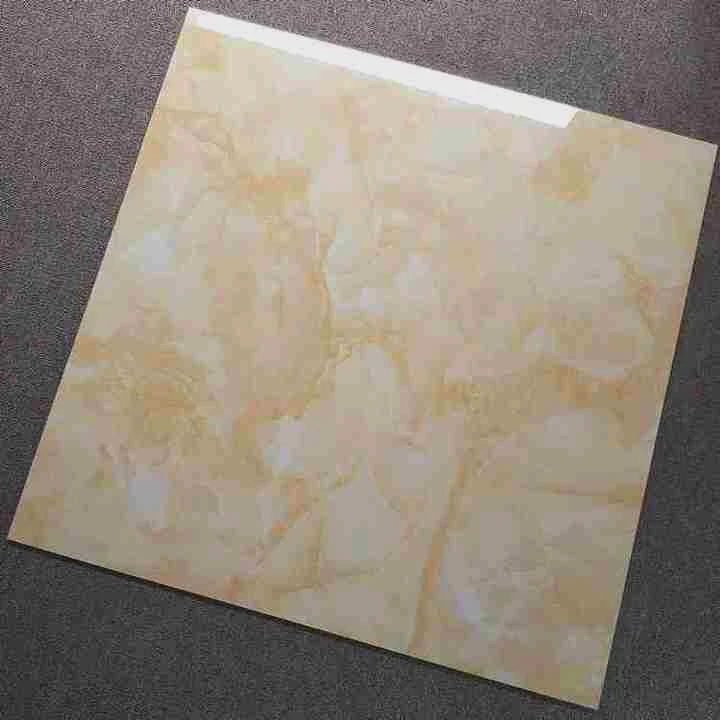
Long-lasting outdoor tile installation is a complete system. Every layer works together to protect the finished surface.
Start With Waterproofing
Waterproofing is one of the most overlooked steps in outdoor projects.
A waterproof membrane helps stop moisture from entering the substrate.
Without waterproofing, water may slowly weaken the base and damage adhesive layers.
Balconies and rooftop terraces especially need strong waterproof protection.
Use Flexible Adhesives
Outdoor surfaces constantly move because of temperature changes.
Flexible adhesive handles this movement better than standard rigid adhesive.
High-bond outdoor adhesives also improve heavy-load performance in commercial areas.
Double Buttering Improves Coverage
For large-format outdoor tiles, installers often use the double buttering method.
This means adhesive is applied both on the substrate and the back of the tile.
The method improves bonding coverage and reduces hollow gaps under the tile.
Proper Grouting Protects the Surface
Grout lines are small, but they protect the whole installation.
Outdoor grout should resist:
- Water penetration
- UV exposure
- Mold growth
- Temperature changes
Epoxy grout is sometimes used in high-end commercial projects because it provides stronger chemical and moisture resistance.
Expansion Joints Prevent Cracking
Outdoor surfaces expand and contract daily.
Without expansion joints, pressure builds under the tile layer.
Over time, this can cause tenting or cracking.
Movement joints should appear:
- Around edges
- Near walls
- At large surface intervals
- Around structural transitions
Correct Tile Spacing Matters
Very narrow grout joints may look modern, but they increase stress risk outdoors.
Proper spacing allows slight movement between tiles.
This improves durability in changing weather conditions.
Installation Skill Still Matters Most
Even premium tiles can fail if the installer lacks experience.
Professional outdoor installers understand:
- Surface leveling
- Adhesive mixing
- Weather timing
- Expansion planning
- Drainage design
This experience often makes the biggest difference in final performance.
Post-Installation Care Is Important
Fresh outdoor tile installations need proper curing time.
Heavy traffic too early may weaken bonding strength.
Many installers protect finished areas for at least 24-72 hours depending on weather conditions and material type.
Maintenance Extends Tile Lifespan
Outdoor tiled areas still need regular maintenance.
Simple cleaning and grout inspection help prevent small issues from becoming large repairs.
Property owners should also check drainage systems regularly to avoid standing water.
Durable outdoor tile installation is not based on one single factor. It comes from the combination of quality materials, correct preparation, professional techniques, and climate awareness.
Conclusion
Outdoor tile installation requires much more than placing tiles on a surface. Good preparation, weather awareness, frost-resistant materials, and proper installation methods all work together to create durable and safe outdoor spaces that last for many years.