How to Apply Ceramic Tile to a Wall?
- Sinotiles
- 2026-03-31
Tiling a wall can feel confusing. Many people worry about uneven tiles, weak bonding, or poor finish. These problems can ruin the final look and cost extra time and money.
Applying ceramic tile to a wall requires proper surface preparation, the right adhesive, careful leveling, and correct use of spacers. When each step is done correctly, the result is durable, clean, and professional-looking.
Many beginners jump straight into tiling. That is a mistake. Each step builds on the previous one. If the base is wrong, everything else fails. So let’s go step by step.
What surface prep is required for wall tiling?
Many tiling failures start here. Walls may look fine, but hidden dust, grease, or uneven areas can weaken tile adhesion and cause tiles to fall later.
Surface preparation for wall tiling includes cleaning, leveling, repairing damage, and applying primer if needed. A smooth, dry, and stable surface ensures strong bonding and long-lasting results.
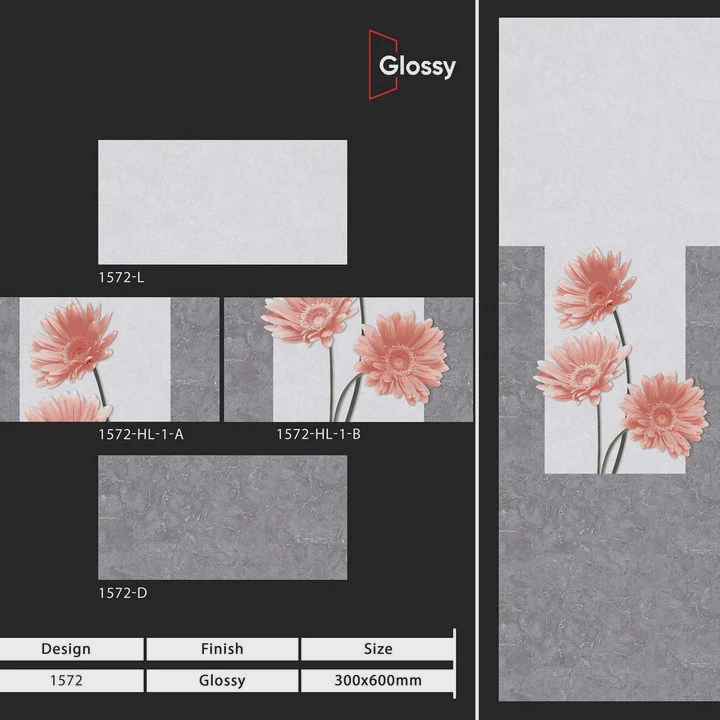
Before any tile touches the wall, the surface must be ready. This step decides the final quality.
Check the wall condition
Start by checking the wall carefully. Look for cracks, holes, or moisture issues. A weak wall will not support tiles properly.
- Concrete walls: usually strong but may need leveling
- Drywall: must be stable and moisture-resistant
- Painted walls: may need sanding for better grip
If the wall is not solid, fix it first.
Clean the surface properly
Dust and grease are silent problems. Even a thin layer can stop adhesive from bonding.
Use these steps:
- Remove dust with a brush or vacuum
- Wash grease with mild detergent
- Let the wall dry fully
Never tile on a wet or dirty surface.
Level the wall
A flat wall makes tile installation much easier.
Use a straight edge or level tool to check:
- High spots → sand or grind them down
- Low spots → fill with leveling compound
If the wall is uneven, tiles will not sit properly. This leads to visible defects.
Apply primer if needed
Some surfaces absorb water quickly. This weakens adhesive strength.
Use primer on:
- Cement walls
- Plaster surfaces
- Highly porous materials
Primer helps control absorption and improves bonding.
Surface prep checklist
| Step | Purpose | Result |
|---|---|---|
| Cleaning | Remove dust and grease | Strong adhesion |
| Repairing | Fix cracks and holes | Stable base |
| Leveling | Ensure flat surface | Even tile layout |
| Priming | Control absorption | Better bonding |
Real-world insight
In many projects, installers skip proper leveling to save time. Later, they struggle with uneven tiles and spend more time fixing mistakes. Good preparation always saves time in the long run.
How do you ensure tiles stay level on walls?
Uneven tiles are one of the most common problems. Even small misalignment becomes very visible once the wall is finished.
To keep tiles level, use a starting guide line, tile leveling tools, and check alignment continuously with a spirit level during installation.
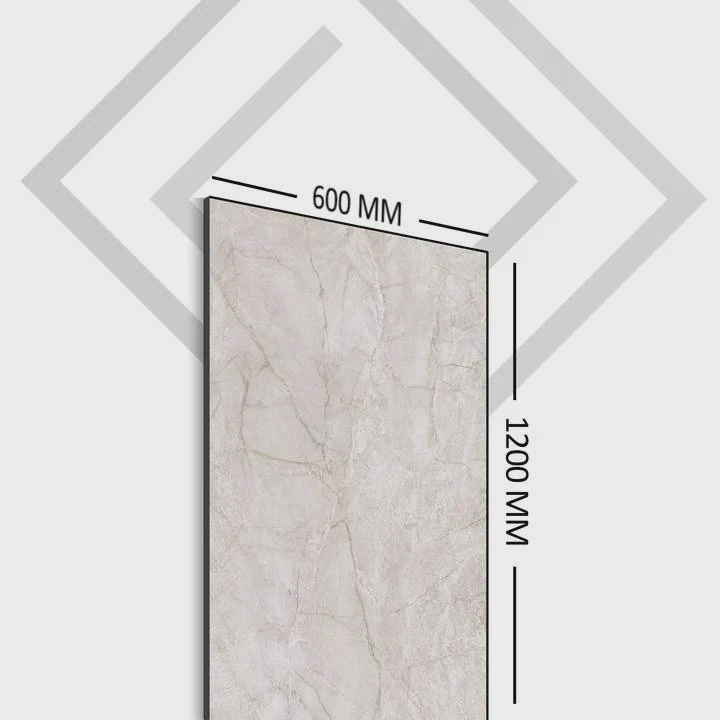
Keeping tiles straight is not just about skill. It is about using the right method and tools.
Start with a reference line
Never start tiling randomly.
Draw a horizontal line using a level. This becomes your guide for the first row. If the first row is wrong, all rows above will also be wrong.
Sometimes installers use a temporary support batten. This keeps the first row perfectly straight.
Use a spirit level frequently
Do not rely on your eyes. Always check with a level tool.
Check:
- Each tile after placing
- Every row before moving up
- Vertical alignment as well
Frequent checking prevents small errors from growing.
Use tile leveling systems
Modern leveling systems are very helpful. They include clips and wedges.
Benefits:
- Keep tiles at the same height
- Prevent lippage (uneven edges)
- Improve final finish
They are especially useful for large tiles.
Work in small sections
Do not apply adhesive to a large area at once. It may dry before tiles are placed.
Work in sections:
- Apply adhesive
- Place tiles
- Check alignment
This gives better control.
Common leveling mistakes
| Mistake | Result | Solution |
|---|---|---|
| Skipping guide line | Crooked tiles | Always mark first line |
| Not checking level | Uneven rows | Check frequently |
| Too much adhesive | Tiles slip | Use correct thickness |
| Working too fast | Misalignment | Work step by step |
Practical note
Large format tiles need extra care. Even a small mistake becomes very visible. Using leveling clips is strongly recommended for these tiles.
Which adhesives are suitable for ceramic tiles?
Choosing the wrong adhesive can lead to tile failure. Tiles may fall off or crack over time.
Cement-based tile adhesives are the most common choice for ceramic tiles. Modified adhesives offer better flexibility and bonding for different wall conditions.
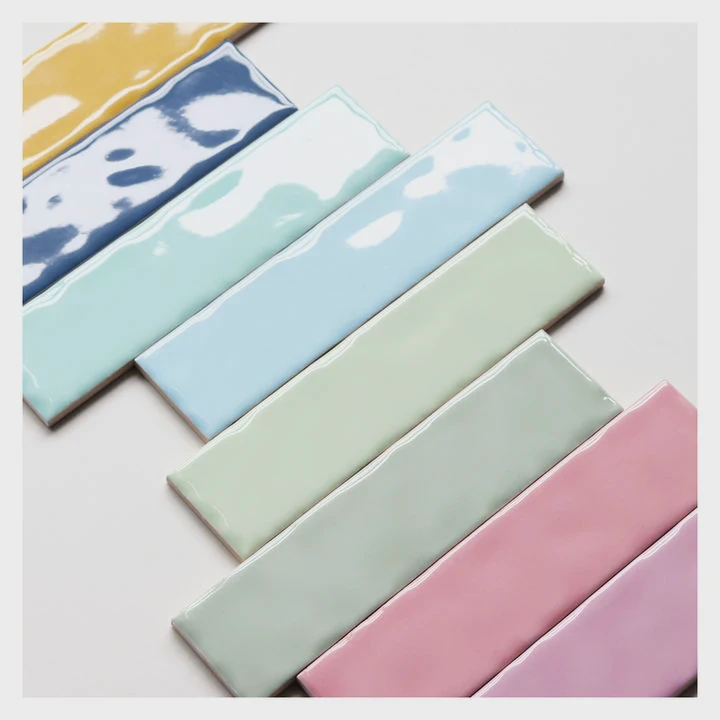
Adhesive selection depends on tile size, wall type, and environment.
Types of tile adhesives
There are several options available:
Cement-based adhesive
This is the most widely used type.
- Strong bonding
- Suitable for most walls
- Cost-effective
Modified adhesive (polymer-added)
This type includes added polymers.
- Better flexibility
- Stronger adhesion
- Good for large tiles
Ready-mixed adhesive
This is pre-prepared paste.
- Easy to use
- Good for small tiles
- Not ideal for wet areas
How to choose the right adhesive
Consider these factors:
| Factor | Recommendation |
|---|---|
| Tile size | Large tiles need stronger adhesive |
| Wall type | Smooth surfaces need better bonding |
| Location | Wet areas need water-resistant adhesive |
| Installation type | Vertical surfaces need non-slip adhesive |
Adhesive application tips
- Use a notched trowel for even spreading
- Apply adhesive evenly
- Do not leave gaps behind tiles
- Press tiles firmly into place
Thickness matters
Too much adhesive can cause tiles to slide. Too little reduces bonding strength.
Keep thickness consistent. Follow product guidelines.
Field experience
In many export projects, buyers prefer modified adhesives for large-format tiles like 600×1200mm or bigger. These tiles need stronger grip and flexibility, especially on vertical surfaces.
When should spacers be used during installation?
Tiles placed too close together can crack or look uneven. Spacing is not just about appearance. It also affects durability.
Tile spacers should be used during installation to maintain consistent gaps, ensure alignment, and allow room for grout and expansion.
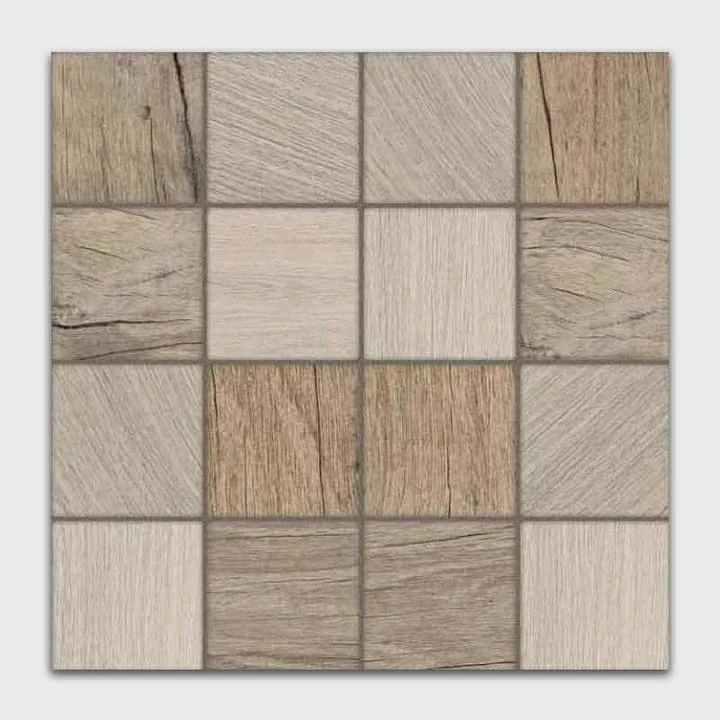
Spacers are simple tools, but they make a big difference.
Why spacers are important
Tiles expand and contract slightly due to temperature changes. Without spacing, pressure builds up.
Spacers help:
- Keep uniform gaps
- Improve visual alignment
- Prevent tile cracking
Choosing spacer size
Spacer size depends on tile type and design.
Common sizes:
- 1–2 mm: small tiles or tight joints
- 2–3 mm: standard wall tiles
- 3–5 mm: larger tiles
When to insert spacers
Insert spacers immediately after placing each tile.
Steps:
- Place tile
- Insert spacers on edges
- Adjust alignment
- Continue to next tile
Do not wait until later. Early placement ensures consistency.
Removing spacers
Spacers should be removed before grouting.
Timing:
- After adhesive sets slightly
- Before it becomes too hard
Leaving spacers inside can affect grout quality.
Spacer usage table
| Tile Type | Recommended Gap | Spacer Size |
|---|---|---|
| Small wall tiles | Narrow joints | 1–2 mm |
| Standard ceramic tiles | Balanced look | 2–3 mm |
| Large format tiles | Wider joints | 3–5 mm |
Practical observation
In many projects, skipping spacers leads to uneven grout lines. This is very noticeable in bright spaces like kitchens and bathrooms. Spacers are low-cost but high-impact tools.
Conclusion
Wall tiling success depends on preparation, leveling, adhesive choice, and spacing. Each step matters. When done correctly, ceramic tiles create a durable and clean finish that lasts for years.