How to Remove Tile Glue from Ceramic Tiles?
- Sinotiles
- 2026-03-31
Removing tile glue can feel frustrating. Sticky residue stays behind and ruins the surface. Many people struggle to clean tiles without scratching or damaging them.
The best way to remove tile glue from ceramic tiles is to combine the right solvent, gentle scraping, heat softening, and proper tools. Each method works better depending on glue type and tile condition.
If the wrong method is used, tiles can lose shine or even crack. So, it is important to understand each step before starting the cleaning process.
What solvents remove tile glue effectively?
Strong glue residue can be stubborn. Many people try water first, but it often fails. The wrong solvent can also damage tile glaze.
Effective solvents for tile glue include acetone, vinegar, alcohol, and commercial adhesive removers. Each works differently depending on glue type and thickness.
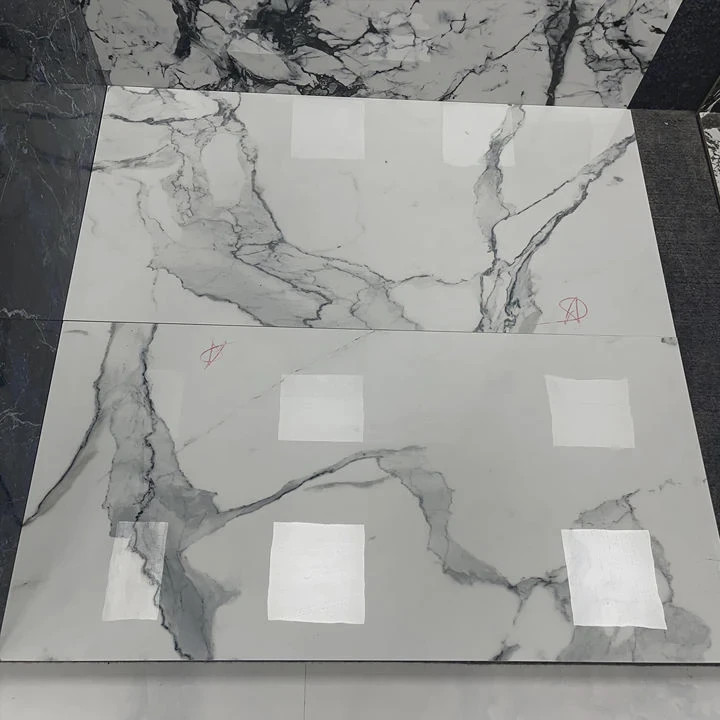
Understanding Different Solvents
Different adhesives react to different chemicals. There is no single solution for all cases. It depends on whether the glue is cement-based, epoxy, or organic adhesive.
Common Solvents Comparison
| Solvent Type | Best For | Strength Level | Risk to Tile |
|---|---|---|---|
| Vinegar | Light adhesive residue | Mild | Very Low |
| Acetone | Strong glue, epoxy | High | Medium |
| Isopropyl Alcohol | Thin glue layers | Medium | Low |
| Adhesive Remover | Industrial adhesives | Very High | Medium |
How to Use Solvents Safely
First, test a small hidden area. This step helps avoid damage. Then apply the solvent using a cloth or sponge. Let it sit for a few minutes so it can break down the glue.
After that, wipe gently. Do not rush this step. Strong rubbing can scratch the surface.
Practical Insight
In many projects, mild solvents like vinegar are enough for fresh glue. But older adhesives usually need stronger chemicals. Timing also matters. The longer glue stays, the harder it becomes.
Key Tips
- Always ventilate the area
- Use gloves when handling chemicals
- Avoid mixing different solvents
- Clean residue after removal
How do you scrape glue without damage?
Scraping sounds simple, but it can easily ruin tiles. Many people apply too much force and cause scratches.
The safest way to scrape glue is to use plastic or rubber tools, apply light pressure, and work slowly at a low angle.
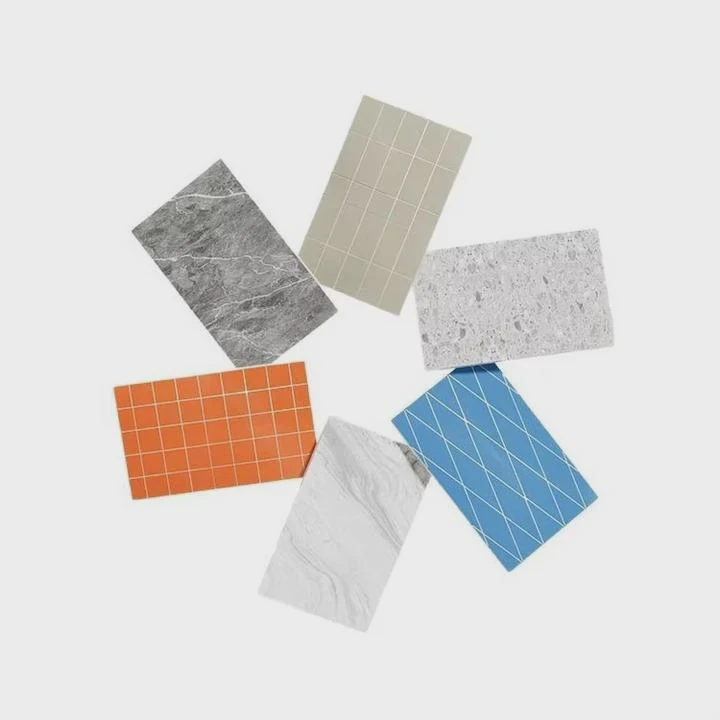
Choosing the Right Scraper
Not all scrapers are safe. Metal tools can scratch ceramic glaze. Plastic tools are safer but still effective.
Tool Comparison Table
| Tool Type | Safety Level | Efficiency | Best Use Case |
|---|---|---|---|
| Plastic Scraper | Very High | Medium | Light glue removal |
| Razor Blade | Low | High | Thick hardened glue |
| Rubber Scraper | High | Low | Soft adhesive residue |
| Putty Knife | Medium | High | Medium glue layers |
Proper Scraping Technique
Always hold the scraper at a low angle. This reduces pressure on the tile surface. Start from the edge of the glue, not the center.
Work slowly and repeat small movements. Large force increases risk of damage.
Real-World Observation
In many cleaning jobs, damage happens not because of the tool, but because of speed. Rushing leads to mistakes. A slower method often gives better results.
Additional Tips
- Keep the surface slightly damp
- Combine scraping with solvent use
- Avoid using sharp tools on glossy tiles
- Check progress frequently
Can heat soften tile adhesive residue?
Hard glue often resists scraping and solvents. This is where heat becomes useful. Many people overlook this simple method.
Heat can soften tile adhesive residue, making it easier to remove. A heat gun or hair dryer helps break down glue structure safely.
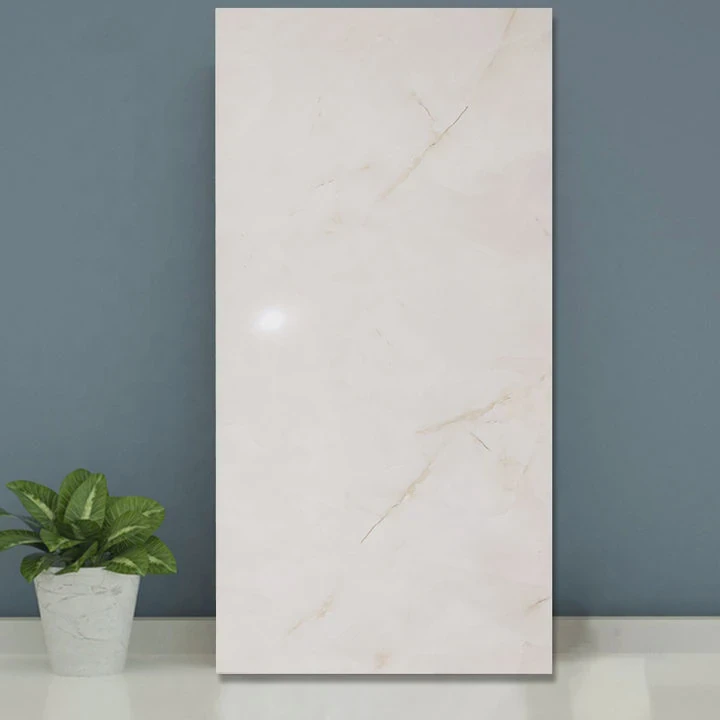
How Heat Works on Adhesive
Glue bonds weaken when exposed to heat. The adhesive becomes softer and less sticky. This makes scraping much easier.
Heat Methods Comparison
| Heat Source | Temperature Control | Safety Level | Effectiveness |
|---|---|---|---|
| Hair Dryer | Low | Very High | Medium |
| Heat Gun | High | Medium | High |
| Warm Water | Low | Very High | Low |
Step-by-Step Heat Application
Start by heating the glue for 30–60 seconds. Keep the heat source moving. Do not focus on one spot for too long.
Once the glue softens, use a scraper immediately. Timing is important. If the glue cools down, it becomes hard again.
Practical Insight
Heat works best on older adhesive layers. In some cases, combining heat with solvent gives the best result. Heat opens the surface, and solvent penetrates deeper.
Safety Reminders
- Do not overheat tiles
- Keep tools moving
- Avoid high heat on thin tiles
- Use protective gloves
Which tools speed up glue removal tasks?
Manual work takes time. Using the right tools can reduce effort and increase efficiency. Many professionals rely on specialized tools.
The most effective tools for removing tile glue include oscillating tools, scrapers, drill attachments, and cleaning pads. Each tool speeds up specific parts of the process.
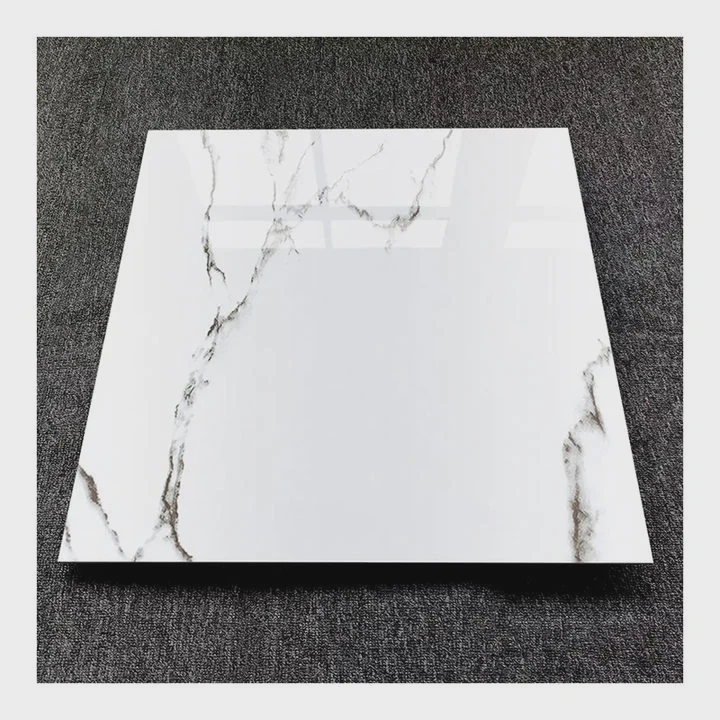
Essential Tools Overview
Different tools serve different purposes. Some remove bulk glue, while others handle fine cleaning.
Tool Efficiency Table
| Tool Name | Speed Level | Precision | Best Application |
|---|---|---|---|
| Oscillating Tool | Very High | Medium | Thick adhesive removal |
| Drill with Brush | High | Low | Residue cleaning |
| Hand Scraper | Medium | High | Controlled removal |
| Sponge Pad | Low | Very High | Final surface cleaning |
How to Combine Tools
The best approach is to use tools in stages. Start with heavy-duty tools for thick glue. Then switch to manual tools for detail work.
Finish with soft cleaning tools to restore the tile surface.
Field Experience
In many large projects, tool selection makes a big difference. A wrong tool can double the work time. A proper combination can reduce effort by half.
Smart Workflow
- Apply solvent or heat
- Use power tool for bulk removal
- Switch to scraper for precision
- Clean surface with pad or cloth
Extra Tips
- Use low speed on power tools
- Avoid aggressive attachments
- Clean tools during use
- Replace worn-out blades
Conclusion
Removing tile glue from ceramic tiles requires patience and the right method. Combining solvents, scraping, heat, and proper tools ensures clean results without damage. The correct approach saves time and protects tile quality.