How to Clean Pool Tile Without Draining?
- Sinotiles
- 2026-05-20
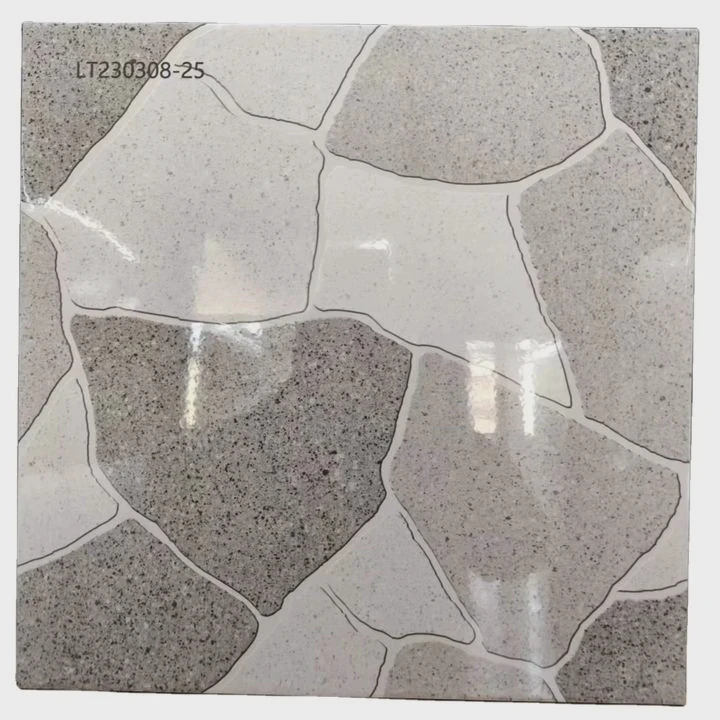
Dirty pool tiles can make the whole swimming pool look old and poorly maintained. Calcium stains, algae, and grime often build up fast, especially in hot climates.
The best way to clean pool tile without draining is to use safe pool cleaners, underwater brushing methods, gentle chemicals, and proper cleaning tools that remove buildup while protecting the tile surface.
Many pool owners think draining the entire pool is the only solution for deep cleaning. In reality, draining wastes water, increases maintenance costs, and can even damage some pool structures. Professional pool maintenance teams usually prefer underwater cleaning methods because they save time and reduce operational risks. With the right process, pool tiles can stay clean and attractive without emptying the pool.
What Cleaners Are Safe for Pool Tile Surfaces?

Using the wrong cleaner can damage pool tiles quickly. Some strong chemicals remove stains fast but also weaken grout lines and fade tile surfaces over time.
Safe pool tile cleaners include pH-balanced cleaning products, mild calcium removers, enzyme-based cleaners, and non-abrasive solutions designed for swimming pool surfaces.
Pool tiles stay under constant exposure to water, chlorine, sunlight, and minerals. Over time, calcium deposits, algae, oils, and dirt collect around the waterline and tile joints. Cleaning products must remove these contaminants without harming the tile finish or water quality.
Understand Different Pool Tile Materials
Different pool tiles react differently to chemicals. Porcelain pool tiles are highly durable and resist moisture very well. Glass mosaic tiles have strong stain resistance but may show scratches if abrasive products are used. Natural stone pool tiles are more sensitive and can react badly to acidic cleaners.
Professional contractors usually recommend matching the cleaner type with the tile material.
| Tile Material | Recommended Cleaner Type |
|---|---|
| Porcelain tile | Mild pH-balanced cleaner |
| Glass mosaic tile | Non-abrasive liquid cleaner |
| Natural stone tile | Stone-safe neutral cleaner |
| Ceramic tile | Light calcium remover |
Using the correct cleaner extends tile life and keeps the pool appearance consistent.
Mild Cleaners Reduce Surface Damage
Many low-quality acidic cleaners remove stains aggressively. However, they may slowly damage grout joints and glossy surfaces. Strong acids can also discolor decorative mosaic patterns.
Mild cleaners work slower, but they preserve the tile finish much better. In large hotel and resort projects, maintenance teams often use softer cleaning products more frequently instead of using harsh chemicals occasionally.
Enzyme-Based Cleaners Are Growing Popular
Enzyme cleaners break down oils, sunscreen residue, and organic dirt naturally. These cleaners are becoming more common because they are safer for swimmers and filtration systems.
Pool owners with children often prefer enzyme cleaners because they produce fewer strong fumes during maintenance.
Test Small Areas First
Even safe cleaners should be tested before full application. Some older pool tiles may react differently depending on previous maintenance history.
Professional installers usually test cleaners in hidden corners before cleaning the entire pool perimeter.
Water Balance Also Matters
Sometimes dirty pool tiles are not only a cleaning issue. Poor water chemistry causes minerals to build up faster.
Important water balance factors include:
- pH level
- Calcium hardness
- Chlorine level
- Total alkalinity
When pool chemistry stays balanced, tile cleaning becomes easier and less frequent.
Avoid Household Cleaning Products
Some people use bathroom cleaners or kitchen degreasers on pool tiles. This creates several risks:
- Surface fading
- Grout weakening
- Water contamination
- Chemical imbalance
Pool-specific cleaners are safer because they are designed for submerged environments.
Regular Cleaning Prevents Heavy Scaling
Light maintenance every few weeks reduces the need for aggressive stain removal later. Small calcium deposits are much easier to clean than thick hardened scale layers.
Consistent maintenance also helps pool tiles maintain their original shine and color for many years.
How Can Brushing Remove Buildup Underwater?
Many pool owners ignore brushing until stains become thick and difficult to remove. Yet regular underwater brushing is one of the simplest ways to keep pool tiles clean.
Underwater brushing removes algae, calcium buildup, dirt, and biofilm from pool tile surfaces by loosening contaminants before they harden permanently.

Brushing works because physical friction breaks loose dirt and mineral deposits before they fully attach to the tile surface. This method is widely used in residential pools, hotels, spas, and commercial swimming facilities.
Brushing Prevents Long-Term Stains
Pool water constantly contains minerals and organic material. If these particles stay on the tile surface too long, they harden into visible stains.
Frequent brushing interrupts this buildup process early.
Many professional pool service companies recommend brushing the tile line at least once every week during peak swimming seasons.
Use the Correct Brush Type
Different brushes suit different tile materials.
| Brush Type | Best Use |
|---|---|
| Nylon brush | Glass and glossy tiles |
| Stainless steel brush | Heavy calcium scaling |
| Hybrid brush | Porcelain pool tiles |
| Soft detail brush | Corners and grout lines |
Using the wrong brush may scratch decorative finishes.
Glass mosaic tiles especially require softer brushes because shiny surfaces can show scratches more easily under sunlight.
Focus on the Waterline Area
Most buildup forms near the waterline because evaporation leaves minerals behind.
This area usually collects:
- Calcium scale
- Body oils
- Sunscreen residue
- Dirt particles
Regular brushing in this zone helps prevent thick white crust formation.
Brushing Technique Matters
Good brushing is not about force alone. Consistent movement and correct angles improve cleaning efficiency.
Professional cleaners often use overlapping strokes to avoid missing narrow grout joints.
Circular brushing patterns also help loosen stubborn algae growth more effectively.
Combine Brushing With Filtration
After brushing, loosened debris enters the pool water. The filtration system should run during and after cleaning to capture particles.
Some pool owners brush tiles while the pump is off. This allows debris to settle back onto surfaces again.
Timing Improves Cleaning Results
Brushing during cooler parts of the day often works better because water evaporation is slower.
Hot afternoon sunlight can dry exposed waterline areas quickly, making calcium deposits harder to remove.
Robotic Pool Cleaners Help Reduce Workload
Modern robotic pool cleaners now include wall-climbing and tile-scrubbing features.
These systems help maintain cleaner tile surfaces between deep cleanings.
However, robotic systems still cannot fully replace manual brushing in detailed corners and grout joints.
Regular Brushing Saves Money
Heavy calcium removal often requires stronger chemicals or professional cleaning services.
Simple weekly brushing reduces long-term maintenance costs and protects expensive pool tile installations from permanent staining.
Why Avoid Harsh Chemicals in Pool Cleaning?
Strong chemicals may clean quickly at first, but they can slowly damage pool tiles, grout, equipment, and even swimmer safety.
Harsh chemicals should be avoided because they may weaken grout, fade tile surfaces, damage pool systems, and create unsafe swimming conditions over time.
Many people believe stronger chemicals always provide better cleaning results. In pool maintenance, this is not always true. Overuse of aggressive chemicals often creates long-term problems that become expensive to repair later.
Acid Damage Can Be Permanent
Acid-based cleaners remove calcium buildup very fast. However, repeated use can etch tile surfaces permanently.
Glossy porcelain tiles may lose shine after frequent acid exposure. Glass mosaic tiles can also develop dull spots under strong chemical treatment.
Natural stone pool tiles are even more vulnerable because acids react directly with the stone minerals.
Grout Lines Are Sensitive
Pool grout absorbs chemicals more easily than tile surfaces.
Strong cleaners may cause:
- Grout cracking
- Color fading
- Joint weakening
- Water penetration
Once grout deteriorates, water can reach deeper structural layers behind the tile installation.
Pool Equipment May Also Suffer
Harsh chemicals do not only affect tiles. They may also damage:
- Pool pumps
- Filters
- Heating systems
- Metal fittings
- Water circulation components
Repairing these systems can cost much more than regular gentle maintenance.
Swimmer Safety Is Important
Excess chemical residue may irritate skin, eyes, and respiratory systems.
This issue becomes more serious in indoor pools where ventilation is limited.
Families with children usually prefer lower-chemical cleaning systems because they reduce strong odors and skin sensitivity.
Chemical Imbalance Creates More Problems
Overusing aggressive cleaners may disturb pool water chemistry.
This can increase:
- Cloudy water
- Chlorine instability
- Corrosion risks
- Mineral scaling
Ironically, poor chemical balance may create even more tile buildup later.
Eco-Friendly Cleaning Is Becoming More Common
Many commercial pool operators now focus on environmentally safer cleaning methods.
Hotels, resorts, and wellness centers increasingly use:
- Enzyme cleaners
- Saltwater systems
- Mechanical brushing
- Controlled chemical dosing
These methods reduce environmental impact and extend pool material lifespan.
Professional Maintenance Uses Balance
Experienced pool maintenance teams rarely depend on one aggressive cleaner. Instead, they combine several safer methods together.
A typical professional approach includes:
- Water balance adjustment
- Light brushing
- Mild cleaner application
- Filtration support
- Preventive maintenance
This process protects both the pool surface and operating system.
Prevention Is Better Than Restoration
Once severe chemical damage appears, repairs become expensive and time-consuming.
Replacing damaged pool tiles often requires:
- Tile removal
- Waterproof layer repair
- Regrouting
- Surface refinishing
Gentle maintenance helps avoid these costly restoration projects.
Which Tools Help Clean Tiles Without Draining Water?
Cleaning pool tiles underwater becomes difficult without the right equipment. Poor tools often waste time and fail to remove stubborn buildup properly.
The best tools for cleaning pool tiles without draining include pool brushes, pumice stones, robotic cleaners, telescopic poles, handheld scrubbers, and underwater vacuum systems.
Modern pool maintenance tools allow efficient underwater cleaning while keeping the pool operational. Choosing the correct equipment depends on the tile type, stain severity, and pool size.
Telescopic Poles Increase Reach
Telescopic poles are basic but essential tools for pool cleaning.
They allow users to attach different cleaning heads while reaching deep sections safely from outside the pool.
Common attachments include:
- Brushes
- Vacuum heads
- Scrub pads
- Skimmers
Adjustable poles improve cleaning speed and reduce physical strain.
Pumice Stones Help Remove Calcium Scale
Pool-safe pumice stones are widely used for stubborn calcium deposits.
When used correctly on hard pool tiles, they can remove thick mineral buildup without major surface damage.
However, pumice stones should be used carefully on delicate finishes like glass mosaics.
Robotic Cleaners Save Labor
Advanced robotic pool cleaners now offer strong automation features.
Many models include:
| Tool Feature | Cleaning Benefit |
|---|---|
| Wall climbing | Cleans tile lines automatically |
| Rotating brushes | Removes algae and dirt |
| Fine filters | Captures loosened debris |
| Smart navigation | Improves cleaning coverage |
Large commercial pools often use robotic systems to reduce labor costs.
Handheld Scrubbers Improve Detail Cleaning
Small handheld scrubbers work well around:
- Pool corners
- Steps
- Ladders
- Tight grout joints
Battery-powered models help reduce manual effort during deep cleaning.
Underwater Vacuums Remove Debris
Vacuum systems help remove loosened particles after brushing.
Without vacuuming, dirt may settle back onto tile surfaces.
Some vacuums connect directly to the pool filtration system, while others contain independent debris chambers.
Pressure Cleaning Requires Caution
Low-pressure underwater cleaning tools may help remove soft buildup.
However, excessive pressure can damage grout and waterproof layers if used improperly.
Professional operators usually control pressure levels carefully around older pools.
Safety Equipment Is Also Important
Pool cleaning often involves slippery surfaces and chemical exposure.
Basic safety equipment may include:
- Protective gloves
- Non-slip footwear
- Safety goggles
- Water-resistant tools
Professional maintenance teams also monitor water chemistry during cleaning work.
Regular Tool Maintenance Extends Performance
Dirty or damaged tools clean less effectively.
Brushes with worn bristles may fail to remove buildup properly. Clogged robotic filters also reduce cleaning efficiency.
Routine maintenance helps cleaning equipment last longer and improves pool cleaning quality.
Conclusion
Cleaning pool tile without draining is possible with safe cleaners, regular brushing, gentle chemicals, and proper maintenance tools. Consistent care protects tile appearance, reduces long-term repair costs, and keeps swimming pools clean, attractive, and ready for daily use.