How to attach tile edging?
- Sinotiles
- 2026-03-25
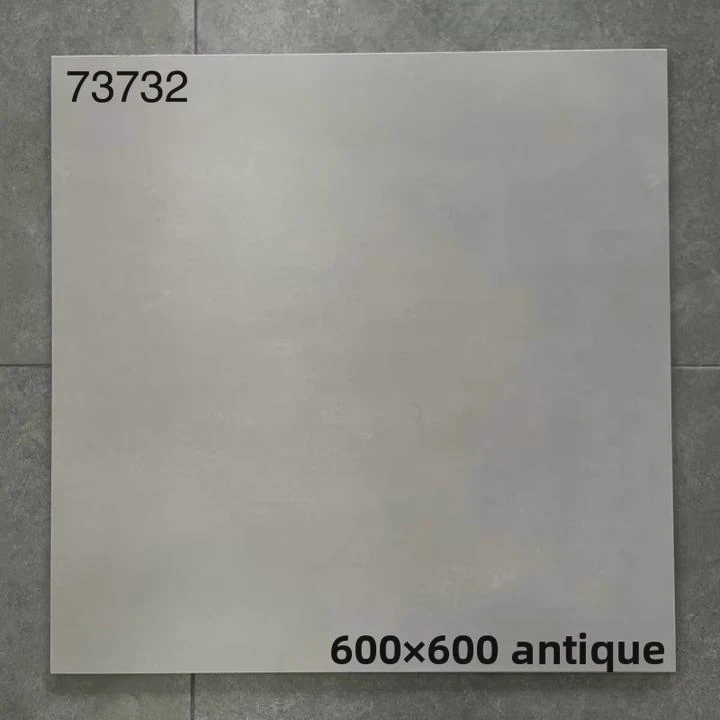
Tiles often look unfinished at the edges. Many people struggle with chipped corners, uneven lines, and poor finishing. This problem can ruin the whole space.
Tile edging is attached by fixing a trim profile along tile edges using adhesive or mortar, then aligning tiles tightly against it for a clean, durable finish.
A clean edge changes how a project feels. It improves durability and also adds value. So it is worth understanding the right method and materials before starting.
What types of tile edging are available?
Tiles without proper edging often crack or look rough. Many buyers feel confused by the wide range of trim options in the market.
Tile edging comes in different materials such as metal, PVC, and ceramic, each offering unique durability, style, and cost advantages for different projects.
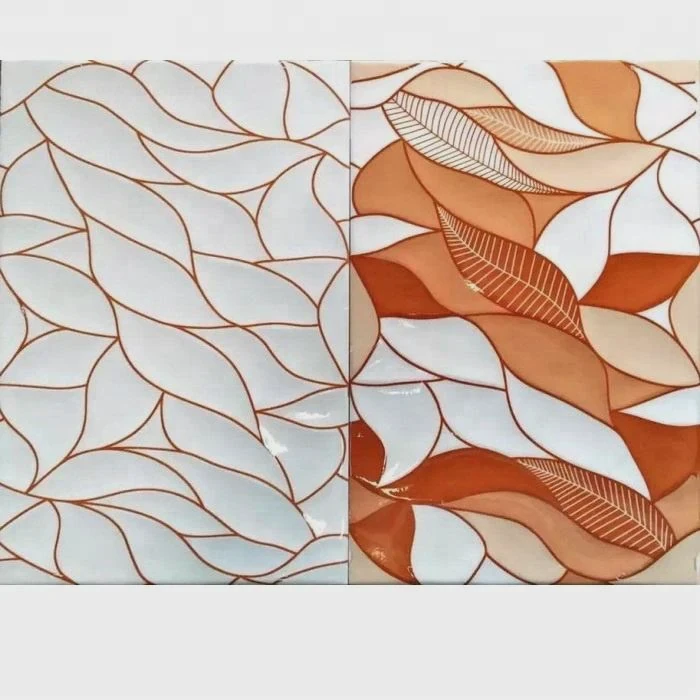
When selecting tile edging, the choice depends on function, design, and budget. Each material serves a different purpose. Understanding these differences helps avoid costly mistakes.
Common Tile Edging Materials
1. Metal Tile Trim
Metal trims are widely used in modern projects. They are strong and give a clean look.
- Aluminum: lightweight and cost-effective
- Stainless steel: high durability, premium feel
- Brass: decorative and high-end
Metal trims work well in commercial spaces and high-traffic areas.
2. PVC Tile Trim
PVC trims are flexible and affordable. They are often used in budget projects or areas with less wear.
- Easy to cut and install
- Available in many colors
- Less durable than metal
3. Ceramic Tile Edging
Ceramic trims match tiles perfectly. They create a seamless design.
- Same material as tiles
- Good for traditional designs
- Limited flexibility in shape
Comparison Table of Tile Edging Types
| Material | Durability | Cost Level | Best Use Case | Appearance Style |
|---|---|---|---|---|
| Aluminum | Medium | Low | Residential, light commercial | Modern |
| Stainless Steel | High | High | Commercial, high traffic | Premium industrial |
| PVC | Low | Very Low | Budget projects | Simple |
| Ceramic | Medium | Medium | Decorative residential | Classic |
How to Choose the Right Type
The decision depends on three key factors:
- Location: Wet areas need corrosion resistance
- Traffic: High traffic requires strong materials
- Design: Match trim with tile style
In many projects, metal trims are preferred due to their balance of strength and appearance. However, ceramic edging works better when visual consistency is the priority.
How to install metal tile trim properly?
Improper installation leads to uneven edges and weak bonding. Many installers rush this step and face issues later.
To install metal tile trim properly, fix the trim into adhesive or mortar, align it with tile edges, and ensure it is level before placing tiles against it.
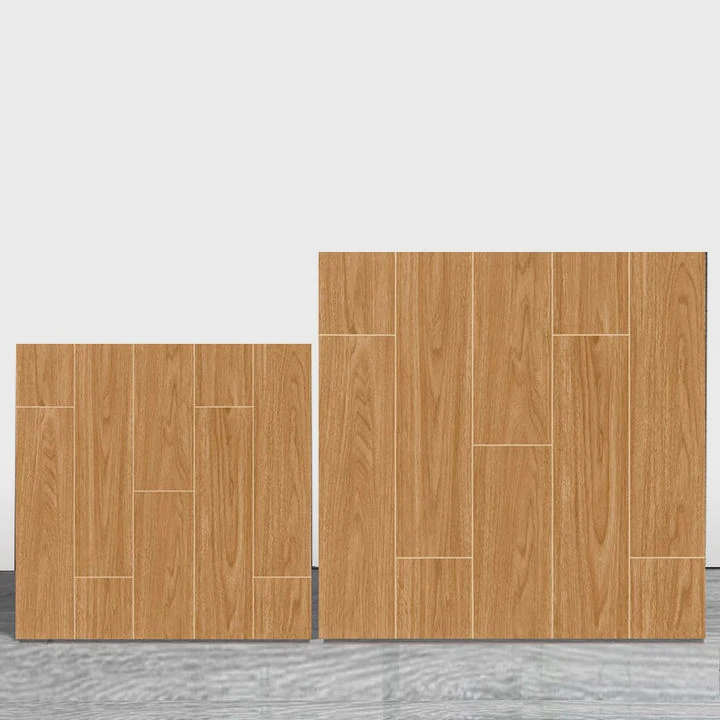
Installing metal tile trim is not complex, but it requires attention to detail. Small errors can affect the final look.
Step-by-Step Installation Process
Step 1: Prepare the Surface
The surface must be clean and flat. Dust or uneven areas will reduce bonding strength.
Step 2: Apply Adhesive or Mortar
Use tile adhesive evenly where the trim will sit. Do not apply too much.
Step 3: Position the Trim
Press the trim into the adhesive. Ensure the perforated anchoring leg is fully embedded.
Step 4: Check Alignment
Use a level tool to confirm the trim is straight. This step is very important.
Step 5: Lay Tiles Against Trim
Place tiles tightly against the trim edge. Keep spacing consistent.
Key Installation Tips
- Always measure before cutting trim
- Use proper tools for clean cuts
- Avoid gaps between tile and trim
Common Mistakes to Avoid
| Mistake | Result | Solution |
|---|---|---|
| Uneven adhesive layer | Trim not stable | Apply evenly |
| Poor alignment | Crooked finish | Use level tool |
| Cutting errors | Gaps or overlaps | Measure twice before cutting |
| Weak bonding | Trim loosens over time | Use quality adhesive |
Practical Insight
In one project, a contractor skipped leveling the trim. The final result looked uneven, and tiles had to be removed. This caused extra cost and delay. Care in early steps always saves time later.
Do you need adhesive for tile edging?
Some people think tile edging can be installed without adhesive. This idea often leads to weak installations.
Yes, adhesive or mortar is necessary for tile edging to ensure strong bonding, stability, and long-term durability.
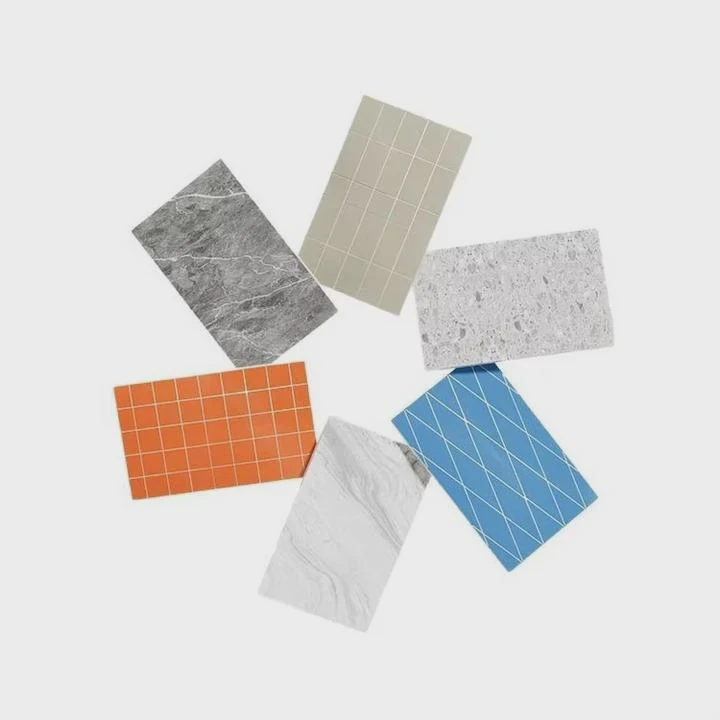
Adhesive plays a key role in holding the trim and tiles together. Without it, the edging can move or detach over time.
Why Adhesive is Important
1. Provides Strong Bonding
Adhesive secures the trim firmly to the substrate. This prevents movement.
2. Supports Tile Alignment
It keeps both tile and trim in position during installation.
3. Increases Durability
Proper bonding helps the system last longer, especially in wet areas.
Types of Adhesives Used
- Thin-set mortar: most common choice
- Tile adhesive paste: easier for small projects
- Epoxy adhesive: high strength, used in special cases
When Adhesive is Not Enough
In some heavy-duty projects, additional fixing methods may be used:
- Mechanical fixing
- Reinforced mortar beds
However, adhesive is still the base requirement.
Choosing the Right Adhesive
| Project Type | Recommended Adhesive | Reason |
|---|---|---|
| Bathroom walls | Thin-set mortar | Moisture resistance |
| Floor tiles | Strong tile adhesive | Load-bearing capacity |
| Commercial space | Epoxy adhesive | High durability |
| Small DIY project | Ready-mix adhesive | Ease of use |
Practical Advice
It is always better to invest in good adhesive. Cheap materials may save money at first, but they often lead to repairs later. Stable installation depends heavily on the bonding layer.
How to align tile edging with tiles?
Misaligned edging is one of the most common problems. Even small errors can affect the overall appearance.
Tile edging should be aligned by setting the trim at the same height as tiles, ensuring straight positioning, and maintaining consistent spacing during installation.
Alignment is about precision. It requires patience and proper tools.
Key Alignment Principles
1. Match Tile Thickness
The trim height must match tile thickness. This ensures a flush finish.
2. Use Level Tools
Always check horizontal and vertical alignment.
3. Maintain Even Spacing
Tile spacers help keep uniform gaps.
Step-by-Step Alignment Method
- Measure tile thickness
- Select matching trim profile
- Install trim with adhesive
- Check level before tiles are placed
- Lay tiles carefully against trim
Tools for Better Alignment
- Spirit level
- Tile spacers
- Measuring tape
- Rubber mallet
Common Alignment Problems
| Issue | Cause | Fix |
|---|---|---|
| Trim higher than tile | Wrong trim size | Use correct profile height |
| Uneven line | Poor leveling | Adjust before adhesive sets |
| Gaps between tile/trim | Incorrect spacing | Use spacers |
| Tile edges sticking out | Thickness mismatch | Recalculate before install |
Deeper Insight
Alignment is not only visual. It also affects safety. Sharp or uneven edges can cause damage or injury. A well-aligned edge feels smooth and looks professional.
In larger projects, teams often create a reference line before installation. This helps maintain consistency across long walls or floors.
Field Experience
In a commercial project, alignment errors across a long corridor created visible waves along the edge. Fixing it required removing a large section of tiles. This shows how small mistakes grow into big problems.
Conclusion
Tile edging improves both durability and appearance. Proper material choice, correct adhesive use, and careful alignment ensure a clean and long-lasting result. Attention to detail makes every project look professional.
- Pre: How to cover tile floor?
- Next: How to cut tile trim?