How to cover tile floor?
- Sinotiles
- 2026-03-25
Old tile floors often look outdated or worn. Many people feel stuck because removing tiles seems messy, slow, and costly.
Yes, tile floors can be covered in several smart ways without full removal. Options like vinyl, laminate, rugs, or epoxy can refresh the space fast and at lower cost.
So the real question is not if it can be done, but how to choose the right method. Each option has its own cost, effort, and long-term value. Let’s break it down step by step.
What are options to cover tile flooring?
Old tiles can make a space feel cold or outdated. Many buyers and homeowners want a fast upgrade without breaking the floor.
There are multiple ways to cover tile flooring, including vinyl planks, laminate, carpet, rugs, epoxy coatings, and even tile overlays. Each option fits different budgets and usage needs.

When looking at tile covering options, it helps to group them into temporary and permanent solutions. This makes decision-making much easier.
Temporary vs Permanent Solutions
| Type | Options | Best For | Cost Level |
|---|---|---|---|
| Temporary | Rugs, carpet tiles | Renters, quick refresh | Low |
| Semi-perm | Vinyl planks, laminate | Homes, light commercial | Medium |
| Permanent | Epoxy, microcement, overlay | High-end renovation, long-term | High |
Popular Covering Options Explained
1. Vinyl Flooring (LVP / SPC)
Vinyl is one of the most common solutions. It is thin, flexible, and easy to install over tiles. Many clients prefer it because it is waterproof and durable.
2. Laminate Flooring
Laminate gives a wood look at a lower cost. It works well in dry areas. However, it is less resistant to water compared to vinyl.
3. Carpet or Carpet Tiles
This is the fastest method. No heavy tools are needed. It is often used in offices or rental spaces.
4. Epoxy Coating
Epoxy creates a smooth, modern surface. It is strong and easy to clean. It is often used in garages or commercial areas.
5. Tile-on-Tile Overlay
In some cases, new tiles can be installed over old ones. This works best when the original tiles are stable and level.
Key Decision Factors
When choosing a solution, these points matter most:
- Floor height increase
- Moisture exposure
- Installation time
- Budget
- Long-term durability
From experience, most bulk buyers prefer vinyl or large-format tile overlays because they balance cost and performance well.
Can vinyl flooring go over tile?
Many people worry that tile joints or uneven surfaces will cause problems later. This concern is valid.
Yes, vinyl flooring can go over tile if the surface is flat, clean, and stable. Minor grout lines can be covered, but deep gaps must be leveled first.
Vinyl flooring is one of the most practical solutions in both residential and commercial projects. It is widely used because it reduces labor cost and installation time.
Why Vinyl Works Over Tile
Vinyl flooring, especially SPC and LVP, has a rigid core. This helps it sit evenly over tile surfaces.
Key advantages:
- Thin profile (does not raise floor too much)
- Click-lock installation (no glue needed)
- Waterproof surface
- Easy replacement
Conditions for Installation
Before installing vinyl over tile, the floor must meet these conditions:
| Requirement | Description |
|---|---|
| Flatness | No major height differences |
| Clean surface | No dust, grease, or loose particles |
| Stable tiles | No loose or cracked tiles |
| Grout depth | Should not be too deep or wide |
Common Problems and Fixes
Problem 1: Visible Grout Lines
If grout lines are too deep, they may show through vinyl over time.
Solution: Use a leveling compound.
Problem 2: Uneven Tiles
Tiles with height differences can damage click-lock systems.
Solution: Sand or level the surface.
Problem 3: Moisture Issues
Bathrooms and kitchens require waterproof layers.
Solution: Use waterproof underlayment or SPC flooring.
Real Project Insight
In many export projects, clients choose SPC vinyl over old tiles in hotels or apartments. It reduces downtime. Rooms can be upgraded quickly without removing old flooring.
How to prepare tile floor for covering?
Skipping preparation often leads to failure. Many flooring issues come from poor surface prep.
To prepare tile for covering, clean thoroughly, repair damage, level the surface, and ensure proper adhesion conditions. Preparation is the most critical step for long-term success.
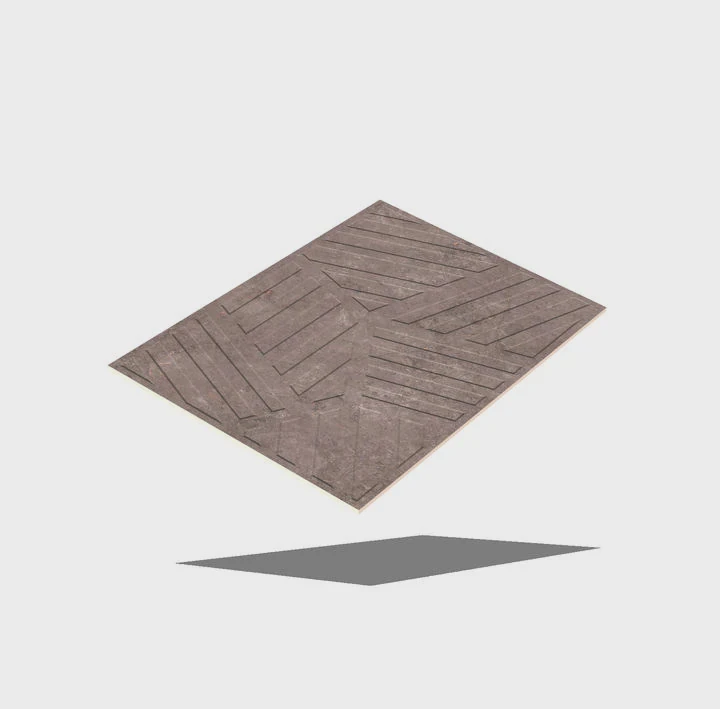
Preparation may seem simple, but it directly affects durability. Even the best material will fail on a bad base.
Step-by-Step Preparation Process
Step 1: Deep Cleaning
Remove all dust, grease, and residue.
- Use degreaser for kitchens
- Use mild cleaner for general areas
Step 2: Inspect the Tiles
Check for:
- Loose tiles
- Cracks
- Hollow sounds
Any damaged tile must be repaired or removed.
Step 3: Level the Surface
This is one of the most important steps.
- Fill grout lines if deep
- Use self-leveling compound if needed
Step 4: Sand or Roughen Surface
Smooth tiles can reduce adhesion.
- Light sanding improves bonding
- Especially important for glue-down systems
Step 5: Dry and Test
Ensure the floor is fully dry before installation.
Preparation Checklist
| Step | Action Required | Tools Needed |
|---|---|---|
| Cleaning | Remove dirt and grease | Mop, cleaner |
| Repair | Fix cracks or loose tiles | Adhesive, filler |
| Leveling | Smooth uneven surfaces | Leveling compound |
| Sanding | Improve surface grip | Sandpaper or machine |
| Drying | Ensure no moisture remains | Time, ventilation |
Common Mistakes
- Skipping leveling
- Ignoring loose tiles
- Installing over wet surfaces
- Using wrong underlayment
From experience, projects that invest more time in preparation always reduce long-term maintenance costs.
Is it cheaper to cover or replace tiles?
Cost is often the biggest concern. Many buyers compare both options before making a decision.
Covering tiles is usually cheaper than replacing them because it avoids demolition, labor, and disposal costs. However, long-term value depends on the material used.
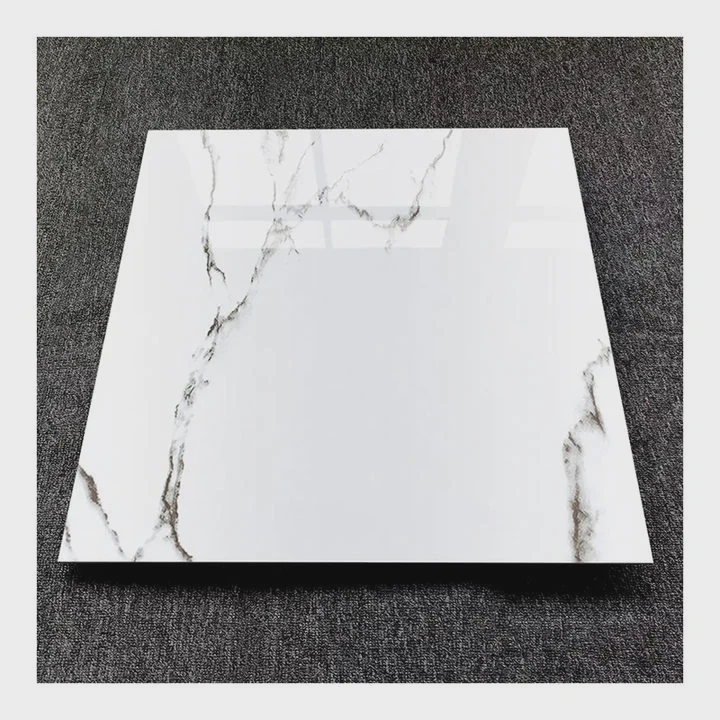
The real cost difference depends on several factors, not just material price.
Cost Comparison
| Factor | Covering Tiles | Replacing Tiles |
|---|---|---|
| Labor Cost | Low | High |
| Time Required | Short | Long |
| Material Cost | Medium | Medium to High |
| Demolition Cost | None | High |
| Waste Disposal | None | Required |
When Covering is Better
- Tight budget
- Fast renovation needed
- Tiles are still structurally sound
- Rental or temporary upgrade
When Replacing is Better
- Tiles are damaged or loose
- Floor height must be reset
- High-end design is required
- Long-term investment project
Hidden Costs to Consider
Many people forget these:
- Floor height changes (doors may need adjustment)
- Subfloor issues
- Moisture problems
- Transport and disposal
Practical Insight from Projects
In large commercial projects, covering is often chosen because:
- It reduces downtime
- It keeps business running
- It lowers labor risk
However, in premium residential or hotel projects, full replacement is still preferred for design control and long-term value.
Conclusion
Covering tile floors is a smart and flexible solution. The right method depends on budget, condition, and project goals. With proper preparation and material choice, it can save time, reduce cost, and still deliver strong results.