How to Calculate Tile for Shower?
- Sinotiles
- 2026-05-26
Many people buy too many or too few shower tiles. This mistake increases costs, delays projects, and creates stress during installation.
To calculate shower tile quantity, measure the shower walls and floor, calculate the total area, divide by tile size, and add 10% to 15% extra for waste, cuts, and breakage.
A correct tile calculation helps avoid shortages and reduces unnecessary spending. It also helps contractors, wholesalers, and importers manage projects more smoothly from start to finish.
What Measurements Are Needed for Shower Tile Calculation?
Many tile problems begin with poor measurements. Missing one wall or forgetting small areas can lead to expensive mistakes later.
The most important measurements for shower tile calculation are wall height, wall width, floor dimensions, and any extra areas like niches or benches. These numbers help determine the total tile coverage required.
Before ordering tiles, every shower surface must be measured carefully. This includes walls, floors, corners, niches, and decorative sections. Even small missing areas can affect the final quantity.
Measure All Shower Walls
Most showers have three main wall sections:
| Shower Area | Measurement Method | Example |
|---|---|---|
| Back wall | Width x Height | 5 ft x 8 ft |
| Side wall 1 | Width x Height | 3 ft x 8 ft |
| Side wall 2 | Width x Height | 3 ft x 8 ft |
The wall area is calculated by multiplying width and height for each section.
For example:
- Back wall = 5 x 8 = 40 sq ft
- Side wall 1 = 3 x 8 = 24 sq ft
- Side wall 2 = 3 x 8 = 24 sq ft
Total wall area = 88 sq ft.
Measure the Shower Floor
The floor area also needs tile coverage. Many people forget this step during estimation.
If the floor size is:
- 3 ft x 5 ft
Then:
- Floor area = 15 sq ft
The total shower tile area becomes:
- 88 + 15 = 103 sq ft
Include Small Areas
Small sections often require additional tile cuts. These areas should never be ignored.
Important sections include:
- Shower niches
- Benches
- Curbs
- Half walls
- Window edges
These parts may seem small, but they increase cutting waste and installation time.
Tile Size Changes the Quantity
Different tile sizes affect ordering quantity.
Large-format tiles:
- Fewer grout lines
- Modern appearance
- More cutting waste in small showers
Small mosaic tiles:
- Better for curved surfaces
- Easier for shower floors
- More grout lines
Many contractors choose different tile sizes for walls and floors to improve drainage and appearance.
Check Tile Coverage Per Box
Every tile carton shows:
- Tile size
- Coverage area
- Pieces per box
This information helps buyers estimate carton quantity more accurately.
For example:
| Tile Size | Coverage Per Box |
|---|---|
| 600x600mm | 15.5 sq ft |
| 600x1200mm | 16 sq ft |
| Mosaic sheet | 10 sq ft |
Always compare the project area with box coverage before placing an order.
Why Accurate Measurements Matter
Incorrect measurements create several problems:
- Extra shipping costs
- Delayed installation
- Different color batches
- Material shortages
- Higher labor expenses
This issue becomes even more serious in large commercial projects like hotels or apartment buildings.
Many experienced buyers prefer double-checking measurements before confirming container orders.
How Can Waste Factor Affect Tile Estimation?
Many people only calculate the exact tile area. This usually causes shortages during installation.
Waste factor adds extra material to cover tile cuts, installation mistakes, breakage, and future repairs. Most shower projects require 10% to 15% additional tiles.
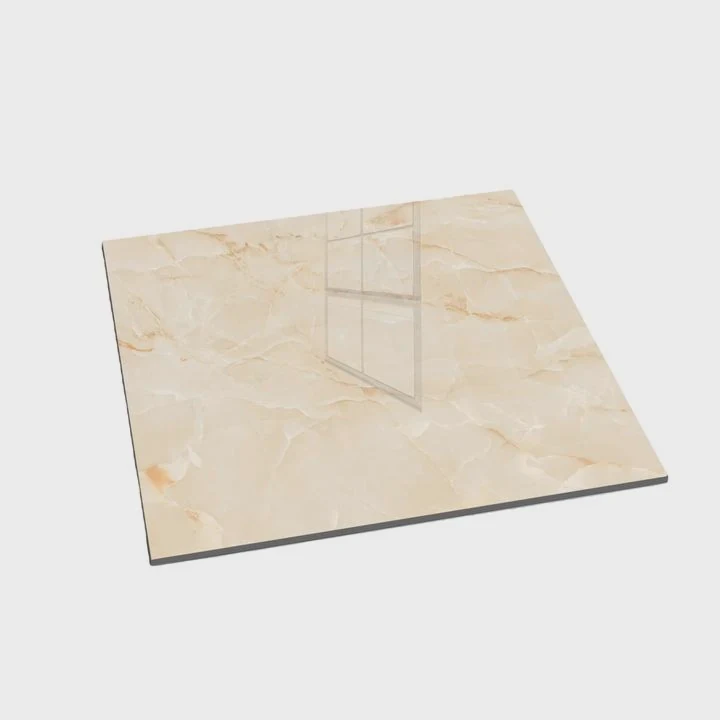
Waste factor is one of the most important parts of tile planning. No installation uses every tile perfectly. Some pieces crack during cutting. Others break during transportation or installation.
What Creates Tile Waste?
Several factors increase tile waste during shower projects.
| Waste Source | Effect on Quantity |
|---|---|
| Tile cutting | High |
| Corner trimming | Medium |
| Pattern matching | High |
| Transportation damage | Medium |
| Installation mistakes | Medium |
Complex shower layouts usually create more waste than simple square designs.
Tile Patterns Increase Waste
Straight tile layouts usually require less waste allowance.
However, decorative patterns create more cuts.
Examples include:
- Diagonal layouts
- Herringbone patterns
- Chevron designs
- Mixed-size patterns
These styles often require 15% to 20% extra material.
Large Tiles Create More Offcuts
Large porcelain slabs look clean and modern. Still, they may increase waste in smaller bathrooms.
Large sizes include:
- 600x1200mm
- 750x1500mm
- 900x1800mm
These tiles require more trimming around:
- Plumbing fixtures
- Corners
- Niches
- Drains
Smaller tiles usually create less waste in compact showers.
Shipping Damage Also Matters
Long-distance shipping increases breakage risk.
This is especially important for:
- Thin wall tiles
- Polished porcelain
- Large slabs
- Glass mosaics
Many importers order extra cartons to reduce replacement risks.
Why Waste Factor Saves Money
Some buyers try to reduce costs by ordering exact quantities. This often creates bigger expenses later.
Possible problems include:
- Re-order shipping fees
- Delayed construction
- Different tile shades
- Labor downtime
- Customer complaints
A small waste allowance usually protects the total project budget.
Waste Factor Recommendations
Different projects need different waste percentages.
| Installation Type | Recommended Waste |
|---|---|
| Straight layout | 10% |
| Diagonal layout | 15% |
| Complex patterns | 15%-20% |
| Large commercial projects | 10%-15% |
Professional contractors usually prefer ordering slightly more material to avoid future shortages.
Why Include Extra Tiles for Cuts and Breakage?
Tile installation always creates some material loss. Even skilled installers cannot avoid cuts and occasional damage.
Extra tiles help cover breakage, difficult cuts, future maintenance, and color matching. Keeping spare tiles also helps maintain consistent appearance after repairs.
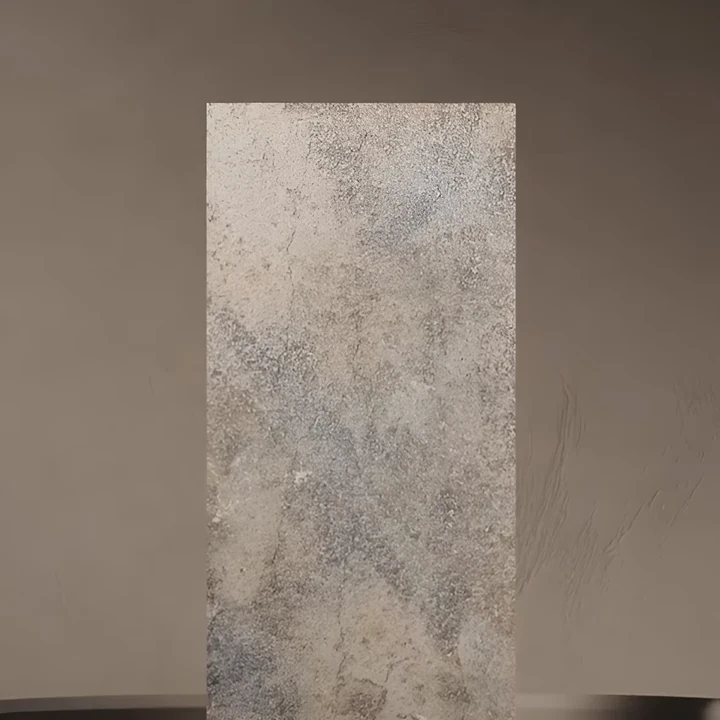
Extra tiles are not simply backup material. They are part of smart project planning. Many experienced contractors keep spare cartons after installation finishes.
Shower Areas Require Many Tile Cuts
Every shower contains difficult installation points.
Common cutting areas include:
- Pipe openings
- Faucet sections
- Corners
- Drain slopes
- Niches
- Edges
These areas increase breakage risk during installation.
Porcelain tiles are durable, but improper cutting tools may still cause chipping or cracking.
Future Repairs Need Matching Tiles
One major issue in the tile business is batch variation.
Even when using the same product code, future production may show slight differences in:
- Color tone
- Surface texture
- Gloss level
- Print pattern
These differences become very visible inside shower walls.
Keeping spare tiles from the original order helps maintain a consistent appearance during future repairs.
Different Tile Types Have Different Breakage Risks
| Tile Type | Breakage Risk |
|---|---|
| Mosaic tile | Low |
| Standard porcelain tile | Medium |
| Large slabs | High |
| Glass tile | High |
| Thin wall tile | Medium |
Large-format products usually require more careful transportation and installation.
Contractors Often Store Extra Cartons
Professional installers usually recommend keeping:
- One or two unopened boxes
- Extra trim pieces
- Several cut tiles
This makes future maintenance much easier.
Moisture Areas Need Long-Term Planning
Bathrooms face constant moisture exposure. Over time, some problems may happen:
- Cracked tiles
- Water damage
- Plumbing repairs
- Mold removal
- Renovation updates
Replacing one damaged tile becomes difficult without matching stock.
Extra Tiles Reduce Project Risks
Large projects often require backup inventory before installation starts.
This is common in:
- Hotels
- Apartments
- Shopping malls
- Resorts
- Commercial buildings
Project managers usually order extra material to avoid delays during construction.
Which Tools Help Calculate Shower Tile Quantities?
Manual calculations can create mistakes, especially in large or complex bathrooms. The right tools improve speed and accuracy.
Tile calculators, laser measuring devices, mobile apps, and layout software help estimate shower tile quantities more accurately and reduce project errors.
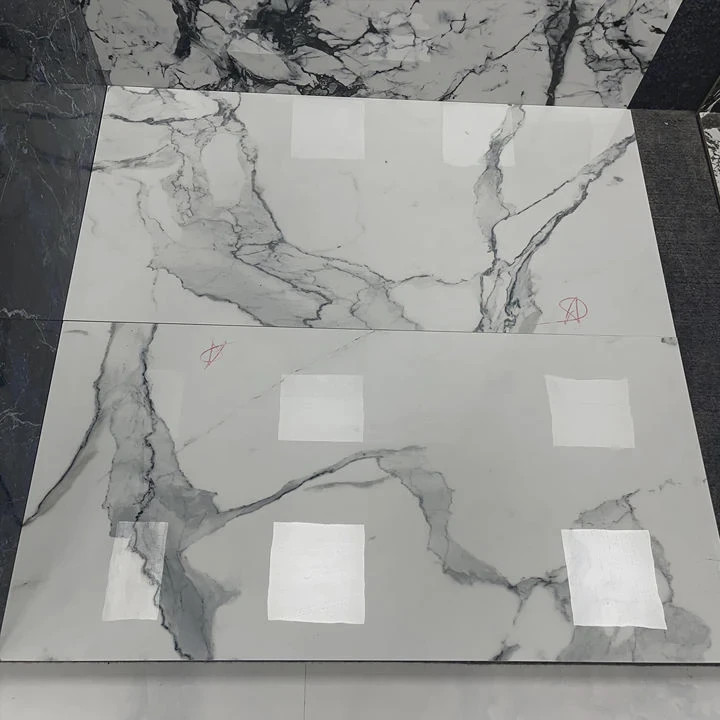
Modern tile projects often use digital tools for measurement and planning. These tools help installers, wholesalers, and contractors manage projects more efficiently.
Basic Measuring Tools
Simple tools still work very well for many projects.
Common tools include:
- Tape measure
- Laser distance meter
- Calculator
- Spirit level
- Grid paper
Laser tools improve accuracy on large walls and commercial projects.
Online Tile Calculators
Many suppliers provide free tile calculators online.
Users usually enter:
- Wall dimensions
- Tile size
- Waste percentage
The calculator then estimates:
- Tile quantity
- Carton quantity
- Coverage area
These tools help reduce manual calculation mistakes.
Mobile Apps for Tile Estimation
Many installers now use mobile apps directly on job sites.
Advantages include:
- Fast calculations
- Real-time measurements
- Easy project updates
- Photo storage
- Material tracking
Some apps also estimate:
- Adhesive quantity
- Grout usage
- Labor costs
This improves project planning efficiency.
CAD and Layout Software
Large commercial projects often use professional design software.
Popular systems include:
- AutoCAD
- SketchUp
- Revit
- Tile layout software
These programs help visualize:
- Tile direction
- Pattern alignment
- Grout spacing
- Cutting positions
This becomes very useful for hotels, apartments, and luxury bathrooms.
Spreadsheet Planning for Importers
Wholesalers and importers often use spreadsheets for container planning.
These files help estimate:
- Carton quantity
- Pallet loading
- Shipping weight
- Container space
Large projects require careful logistics planning to avoid loading problems.
Why Digital Tools Reduce Errors
Technology improves:
- Material accuracy
- Budget control
- Installation planning
- Project scheduling
This becomes very important for large-scale projects with strict timelines.
Many experienced contractors combine digital tools with manual measurement checks for better accuracy.
Conclusion
Accurate shower tile calculation starts with proper measurements and realistic waste allowance. Extra tiles help prevent shortages, future repair problems, and installation delays. The right tools and planning methods make tile estimation easier, faster, and more reliable for both residential and commercial projects.