What Is Honed Tile?
- Sinotiles
- 2026-05-26
Many people struggle to choose between glossy and matte tile surfaces. Some finishes look beautiful in photos but become slippery, hard to maintain, or too reflective in real spaces.
Honed tile is a tile finish with a smooth, matte-like surface created by grinding and refining the tile without producing a high-gloss shine. It offers a softer appearance, better slip resistance, and a natural texture compared to polished tile.
Honed tiles have become more popular in both residential and commercial projects because they balance beauty and practicality. Designers often use them when they want a modern and elegant surface without the strong reflection of polished finishes. Understanding how honed tiles work helps buyers choose the right product for different spaces and long-term use.
What Defines Honed Tile Finishes?
Many buyers hear the term “honed tile” but do not fully understand what the finish actually means. Some assume it is simply another word for matte tile, while others confuse it with polished surfaces.
A honed tile finish is created by grinding the tile surface until it becomes smooth and flat while keeping a low-sheen, non-reflective appearance. The process removes rough texture but stops before achieving a glossy polish.

Honed finishes sit between rough natural textures and high-gloss polished surfaces. They create a clean and soft appearance that works well in many design styles.
How the Honing Process Works
The honing process involves mechanical grinding with abrasive pads or polishing heads. Manufacturers smooth the tile surface gradually until it reaches a satin or matte appearance.
Unlike polished tiles, honed tiles do not go through the final buffing stage that creates mirror-like reflection.
Common Materials Used for Honed Tiles
Several tile materials can receive a honed finish:
| Tile Material | Honed Finish Availability |
|---|---|
| Porcelain tile | Very common |
| Marble tile | Common |
| Travertine tile | Common |
| Limestone tile | Common |
| Ceramic tile | Limited |
Porcelain honed tiles are especially popular because they combine durability with easier maintenance.
Natural stone honed tiles also create a soft and luxurious visual effect. Many architects prefer them in modern interior spaces.
Surface Appearance
Honed tiles usually have:
- Low reflectivity
- Smooth touch
- Soft visual texture
- Minimal glare
- Natural appearance
This finish helps reduce visible fingerprints and water spots compared to polished surfaces.
Honed Does Not Mean Rough
One common misunderstanding is that honed tiles feel coarse. In reality, they are smooth to the touch. The difference is mainly visual and reflective.
Polished tiles bounce light strongly. Honed tiles absorb more light and create a softer atmosphere.
Why the Finish Matters
Tile finish changes both appearance and functionality.
For example:
- High gloss may look larger and brighter
- Honed surfaces feel calmer and warmer
- Matte finishes often provide better traction
In one hospitality project, the designer originally selected polished marble-look tiles for a hotel lobby. After lighting tests, the reflection became too strong under large chandeliers. The project later switched to honed porcelain tiles, which created a more balanced and comfortable visual effect.
Maintenance Characteristics
Honed surfaces usually hide:
- Dust
- Water marks
- Minor scratches
- Smudges
This makes them practical for daily use in busy spaces.
Still, some natural stone honed tiles may need sealing to resist stains. Porcelain honed tiles generally require less maintenance.
How Does Honed Tile Differ From Polished Tile?
Many customers compare honed and polished tiles only by appearance. Yet the difference also affects safety, maintenance, lighting, and long-term performance.
Honed tile has a smooth matte finish with low reflection, while polished tile has a glossy reflective surface created through extended polishing. Honed tiles usually offer better slip resistance and softer visual effects.
The choice between honed and polished tile often depends on the project environment and design goals.
Surface Reflection
The biggest difference is reflectivity.
| Feature | Honed Tile | Polished Tile |
|---|---|---|
| Surface shine | Low | High |
| Light reflection | Soft | Strong |
| Slip resistance | Better | Lower |
| Fingerprint visibility | Lower | Higher |
| Scratch visibility | Lower | Higher |
Polished tiles reflect natural and artificial light strongly. This creates a luxurious appearance but may also produce glare.
Honed tiles create a softer and calmer atmosphere.
Safety Differences
Slip resistance matters in many projects.
Polished surfaces become slippery when wet. Honed finishes usually provide better grip because they have less surface slickness.
This is one reason many designers use honed finishes in:
- Bathrooms
- Kitchens
- Outdoor covered areas
- Hotel corridors
Maintenance Comparison
Polished surfaces show:
- Water spots
- Dust
- Footprints
- Smears
Honed surfaces hide these marks more effectively.
In busy commercial projects, this can reduce cleaning frequency.
Design Style Differences
Polished tile often fits:
- Luxury interiors
- Formal spaces
- High-end retail stores
- Bright modern designs
Honed tile often fits:
- Scandinavian interiors
- Natural design styles
- Contemporary homes
- Warm minimalist spaces
Cost Considerations
The price difference depends on material and manufacturing process.
Natural stone polished finishes may cost more because they require additional polishing stages.
Porcelain honed tiles often offer a more cost-effective balance between style and maintenance.
Durability and Wear
Over time, polished surfaces may lose shine in high-traffic areas. Scratches also become more visible because the glossy surface reflects light strongly.
Honed finishes usually age more evenly.
In one commercial showroom project, polished floor tiles near the entrance showed visible traffic patterns after several years. The honed tiles used in side corridors maintained a more consistent appearance.
Lighting Effects
Lighting changes how both finishes appear.
Polished tiles increase brightness because they reflect light. This may help small rooms appear larger.
Honed tiles absorb light softly. This creates a warmer and more relaxed feeling.
The choice often depends on:
- Room size
- Lighting conditions
- Design mood
- Maintenance expectations
Why Choose Honed Tiles for Certain Applications?
Some spaces need more than visual beauty. Floor safety, easy maintenance, comfort, and long-term appearance also influence tile selection.
Honed tiles are chosen for certain applications because they provide better slip resistance, softer visual texture, easier maintenance, and a natural appearance suitable for modern residential and commercial spaces.
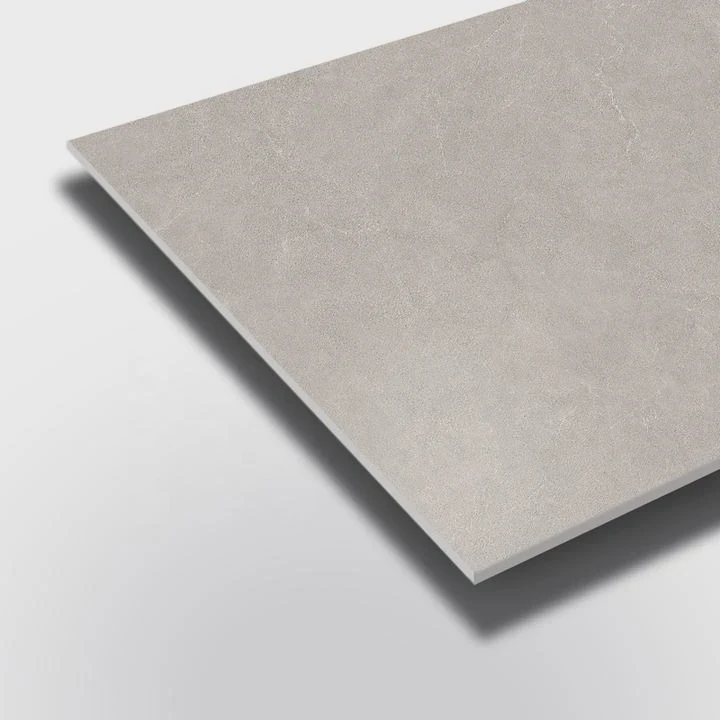
Many architects and contractors now prefer honed finishes because they balance practical performance with modern aesthetics.
Better Slip Resistance
Safety is one of the biggest advantages.
While honed tiles are not completely anti-slip, they generally provide more traction than polished surfaces.
This makes them popular in:
- Bathrooms
- Kitchens
- Entryways
- Commercial walkways
In family homes, this becomes especially important for children and older adults.
Softer and More Comfortable Appearance
Highly reflective floors can sometimes feel cold or overly formal.
Honed surfaces create:
- Softer lighting
- Reduced glare
- Warmer atmosphere
- More natural texture
This visual comfort works well in living spaces and hospitality projects.
Easier Daily Cleaning
Busy households and commercial projects often prefer finishes that hide dirt better.
Honed tiles usually show:
- Fewer footprints
- Less dust
- Fewer water spots
This reduces visible mess between cleaning cycles.
Suitable for Large-Format Tiles
Large-format tiles continue growing in popularity.
Honed finishes work especially well on:
- 600x1200 mm tiles
- 750x1500 mm tiles
- 900x1800 mm slabs
The softer finish helps large surfaces feel less overwhelming visually.
Natural Stone Look Without High Maintenance
Many buyers want the appearance of natural stone without difficult upkeep.
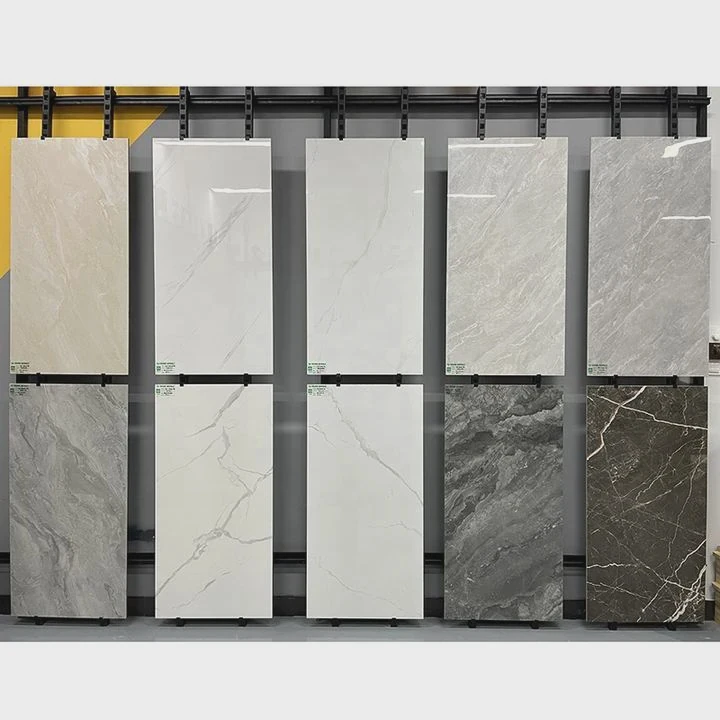
Honed porcelain tiles can imitate:
- Marble
- Limestone
- Travertine
- Concrete
At the same time, they offer easier maintenance and higher durability.
Commercial Benefits
Commercial projects often choose honed finishes because they balance:
- Appearance
- Durability
- Maintenance costs
- Safety
Hotels, offices, and retail spaces need surfaces that remain attractive under heavy traffic.
Popular Design Trends
Modern interior trends favor:
- Natural colors
- Soft textures
- Minimal reflection
- Earth-tone finishes
Honed tiles match these trends very well.
One residential villa project originally planned glossy marble-look floors throughout the entire home. After reviewing natural daylight conditions, the owner switched many living areas to honed porcelain. The softer finish reduced glare and created a more comfortable environment during daytime use.
Long-Term Visual Stability
Because honed surfaces hide minor wear more effectively, they often maintain a consistent appearance for many years.
This is valuable in:
- Rental properties
- Commercial projects
- Family homes
- Public spaces
Which Areas Are Best Suited for Honed Tiles?
Not every tile finish works equally well in every location. Some spaces require better grip, softer lighting, or easier maintenance due to heavy daily use.
Honed tiles are best suited for bathrooms, kitchens, living rooms, hotel spaces, commercial interiors, and high-traffic areas where soft appearance, reduced glare, and practical maintenance are important.
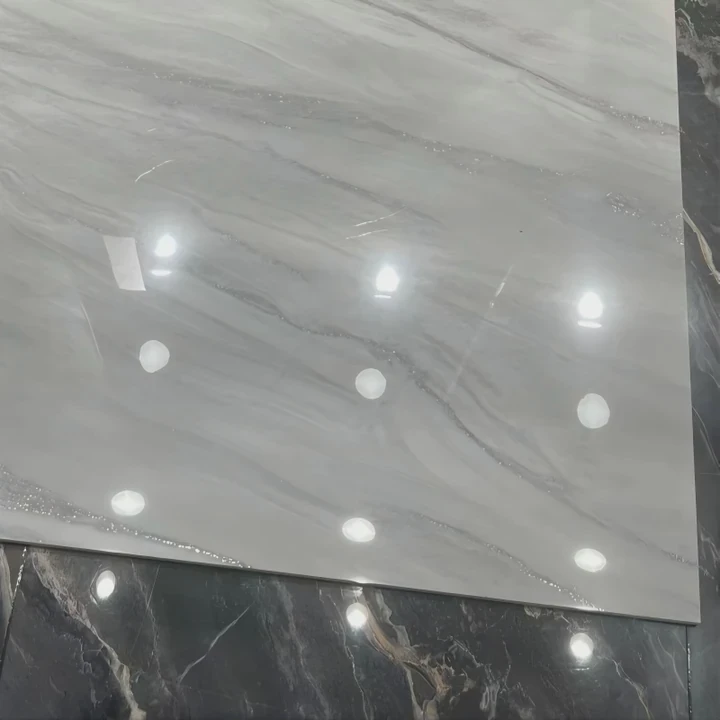
The versatility of honed finishes makes them suitable for both residential and commercial projects.
Bathrooms
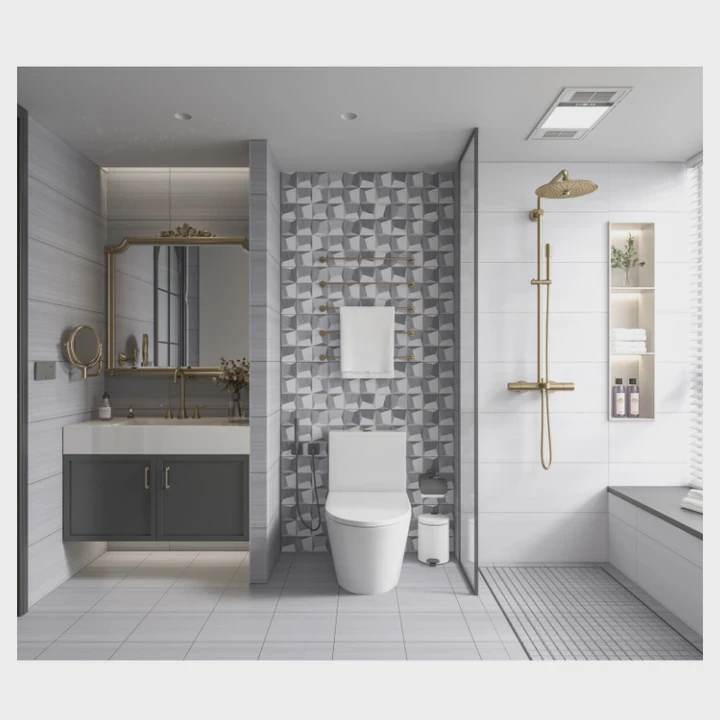
Bathrooms are one of the most common areas for honed tiles.
Benefits include:
- Better slip resistance
- Reduced water spot visibility
- Softer spa-like atmosphere
Many designers combine honed floor tiles with textured shower areas for added safety.
Kitchens
Kitchen floors face:
- Water spills
- Food stains
- Frequent foot traffic
Honed surfaces help hide everyday marks while still maintaining a clean appearance.
Living Rooms
Large-format honed porcelain tiles create a calm and elegant living room environment.
The low-glare finish works especially well with:
- Natural sunlight
- Warm interior lighting
- Minimalist furniture
Hotel and Hospitality Projects
Hotels often use honed tiles in:
- Guest rooms
- Corridors
- Lounge areas
- Reception spaces
These areas need durable surfaces with comfortable visual effects.
Commercial Offices
Office buildings benefit from honed finishes because they:
- Reduce light reflection
- Hide traffic wear
- Create professional appearance
Strong glare from polished floors can become uncomfortable under office lighting.
Outdoor Covered Areas
Some honed porcelain tiles also work in covered outdoor spaces.
Still, outdoor exposure requires checking:
- Slip rating
- Frost resistance
- Water absorption
Textured outdoor tiles may still perform better in fully exposed environments.
Areas Where Polished May Work Better
Honed tiles are not ideal everywhere.
Polished finishes may suit:
- Luxury feature walls
- Decorative lobbies
- Small dark rooms needing extra brightness
The final choice depends on both function and style goals.
Combining Finishes in One Project
Many modern projects combine honed and polished surfaces together.
For example:
- Honed floors for safety
- Polished wall accents for luxury
- Matte living areas with glossy feature walls
This creates visual contrast without sacrificing functionality.
In one large apartment project, honed tiles were selected for all common floor areas because they balanced durability, safety, and maintenance efficiency. Polished tiles were only used on decorative wall sections to create visual highlights.
Conclusion
Honed tiles offer a smooth and elegant surface with soft reflection, better practicality, and modern visual appeal. Their balance of durability, safety, and easy maintenance makes them a strong choice for many residential and commercial spaces.