How to clean epoxy grout off tile?
- Sinotiles
- 2026-03-31
Epoxy grout haze can ruin a perfect tile job. It sticks hard, looks messy, and feels almost impossible to remove without damage.
Yes, epoxy grout can be cleaned using the right solvents, tools, and timing. The key is using proper cleaners, gentle techniques, and avoiding harsh actions that scratch or dull tile surfaces.
Many people panic when they see hardened epoxy on tiles. But with the right steps, the surface can be restored without costly replacement. Let’s break it down clearly.
What dissolves epoxy grout residue effectively?
Epoxy residue can feel permanent. Many people try water first, but it does almost nothing once the grout cures.
Strong cleaners like epoxy haze removers, vinegar-based solutions (for light residue), or commercial solvents work best to dissolve epoxy grout effectively. Timing and product choice both matter.
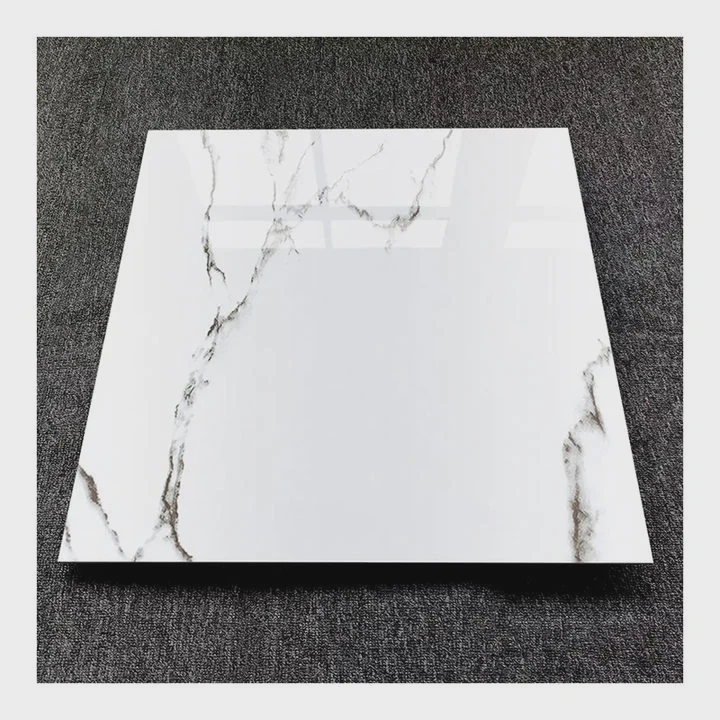
Understanding epoxy resistance
Epoxy grout is not like cement grout. It is made with resin and hardener. That is why it resists water, stains, and chemicals. But that also makes cleaning harder.
Once it cures, normal cleaning fails.
Best solutions to dissolve epoxy
Here are the most effective options:
| Solution Type | Best Use Stage | Strength Level | Notes |
|---|---|---|---|
| Warm water + sponge | Fresh grout (<24h) | Low | Only works early |
| Vinegar solution | Light haze | Medium | Safe for most tiles |
| Epoxy haze remover | Semi-cured residue | High | Most recommended |
| Acetone / solvents | Fully cured epoxy | Very high | Use carefully |
Why timing matters
Early cleaning is always easier. Within the first 24 hours, epoxy is still soft. After that, it becomes much harder and needs chemicals.
Practical approach
- Start with mild cleaning first
- Move to stronger cleaners only if needed
- Always test on a small hidden area
Common mistake
Many people jump directly to strong chemicals. This can damage tile glaze or stone surfaces. A step-by-step approach always works better.
How do you avoid damaging tile surfaces?
Cleaning epoxy is risky. The wrong method can scratch, dull, or even stain your tiles permanently.
To avoid damage, always use soft tools, test cleaning solutions first, and match the method to the tile type, especially for delicate surfaces like polished porcelain or natural stone.
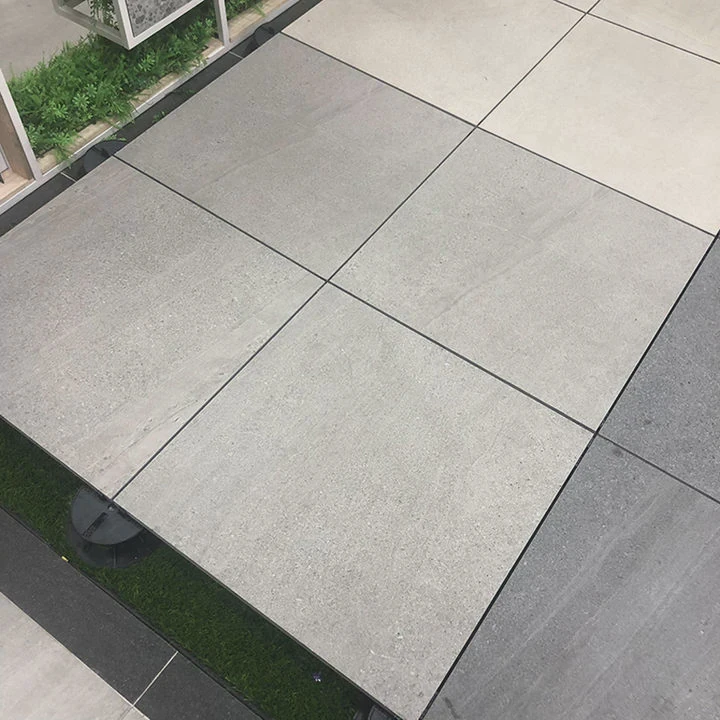
Tile type matters a lot
Not all tiles react the same way.
| Tile Type | Risk Level | Cleaning Recommendation |
|---|---|---|
| Glazed ceramic | Low | Most cleaners safe |
| Porcelain tile | Medium | Avoid abrasive pads |
| Natural stone | High | Avoid acid cleaners |
| Polished surfaces | Very high | Use only soft cloth |
Safe cleaning rules
Use soft materials
Always choose:
- Microfiber cloth
- Soft sponge
- Non-scratch pad
Avoid:
- Steel wool
- Metal scrapers
- Rough brushes
Control chemical strength
Start with diluted solutions. Increase strength only if needed.
Test before full cleaning
Apply cleaner in a small hidden spot. Wait a few minutes. Check for:
- Color change
- Surface dullness
- Texture damage
Real-world insight
In many projects, the biggest damage does not come from epoxy itself. It comes from aggressive cleaning. Scratches and dull spots are often irreversible.
Balance is key
The goal is simple:
- Remove epoxy
- Keep tile finish intact
This balance requires patience, not force.
Can heat or chemicals remove hardened epoxy?
Hardened epoxy feels impossible to remove. Many people wonder if heat or strong chemicals can solve the problem.
Yes, both heat and chemical solvents can help remove hardened epoxy grout, but they must be used carefully to avoid damaging tiles or causing safety risks.

Using heat
Heat softens epoxy slightly. This makes it easier to scrape.
Common heat methods
- Heat gun
- Hair dryer (low power option)
Pros
- Loosens epoxy
- Reduces scraping force
Cons
- Can damage tile glaze
- Risk of cracking tiles
- Not effective for large areas
Using chemicals
Chemicals are more effective than heat.
Common options
- Epoxy grout remover
- Solvent-based cleaners
- Acetone
Comparison: Heat vs Chemicals
| Method | Effectiveness | Risk Level | Best Use Case |
|---|---|---|---|
| Heat | Medium | Medium | Small spots |
| Chemicals | High | High | Large or cured areas |
Safety considerations
When using chemicals:
- Wear gloves
- Ensure ventilation
- Avoid skin contact
When using heat:
- Keep distance from tile
- Do not overheat one spot
Smart strategy
Combine both methods:
- Apply heat to soften epoxy
- Use chemical cleaner
- Gently remove residue
This layered approach often gives the best results.
Which tools work best for epoxy cleanup?
Tools can make or break the cleaning process. Using the wrong tool often causes more damage than the epoxy itself.
The best tools for epoxy cleanup include plastic scrapers, microfiber cloths, non-abrasive pads, and specialized grout cleaning kits designed for delicate surfaces.
Essential tools list
Manual tools
- Plastic scraper
- Rubber float
- Soft sponge
Cleaning tools
- Microfiber cloth
- White scrub pad (non-abrasive)
- Bucket with warm water
Advanced tools
- Oscillating tool (with care)
- Professional grout cleaning kits
Tool comparison
| Tool Type | Safety | Effectiveness | Best For |
|---|---|---|---|
| Plastic scraper | High | Medium | Thick residue |
| Microfiber cloth | Very high | Low | Final cleaning |
| Scrub pad | Medium | Medium | Light haze |
| Power tools | Low | High | Professionals only |
Best workflow
Step-by-step method
- Start with a microfiber cloth
- Apply cleaning solution
- Use a soft scrub pad
- Remove residue with plastic scraper
- Final wipe with clean cloth
Avoid these mistakes
- Using metal blades
- Applying too much pressure
- Skipping final cleaning
Practical experience
In many tile projects, simple tools work best. Expensive tools do not guarantee better results. Control and patience matter more.
Conclusion
Epoxy grout removal is challenging but manageable. The right cleaner, gentle tools, and careful steps protect tile surfaces while removing residue effectively. Slow and steady always delivers the best result.