How to Paint Over Tile?
- Sinotiles
- 2026-03-31
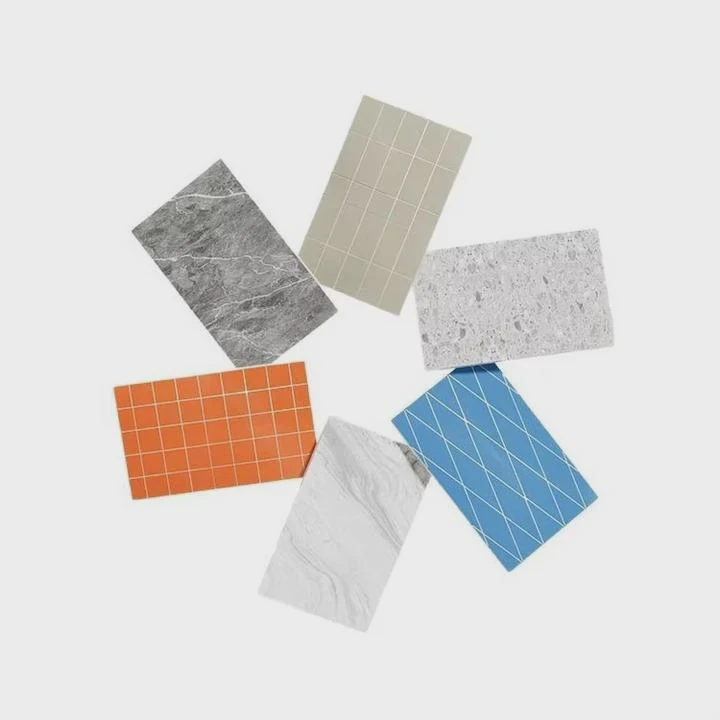
Painting over tile often feels risky. Many worry about peeling, uneven finishes, or wasted effort. This fear stops people from upgrading spaces easily.
Yes, tile can be painted successfully with proper preparation, the right paint, and correct sealing. The process is simple when each step is followed carefully.
Many clients once asked the same question before choosing between replacement and renovation. Painting tile can save cost, time, and effort. The key lies in understanding each step clearly.
What Preparation Is Required Before Painting Tile?
Old tiles often look dull or outdated. Many people rush into painting without prep. That leads to peeling paint and poor results.
Proper preparation includes deep cleaning, sanding, repairing damage, and priming the surface to ensure paint adhesion and durability.
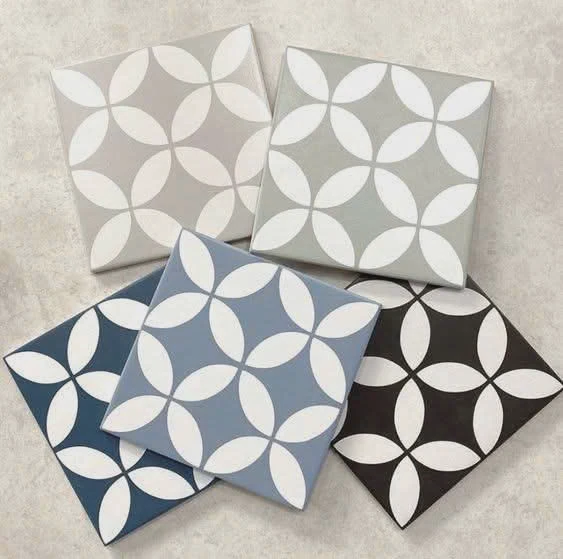
Preparation is the most important step in this whole process. Skipping it will almost always lead to failure. Over the years, many projects have shown that 70% of success depends on surface prep.
Cleaning the Surface
Tiles collect grease, soap residue, and dust over time. These layers block paint from sticking.
- Use a strong degreaser or tile cleaner
- Focus on grout lines where dirt builds up
- Rinse with clean water
- Let the surface dry fully
If the tile is in a kitchen, grease removal is critical. Even a thin layer can ruin adhesion.
Repairing Damaged Areas
Before painting, every crack or chip must be fixed.
- Fill cracks with tile filler or epoxy
- Smooth uneven spots
- Replace broken tiles if necessary
Painting over damage will make it more visible, not less.
Sanding the Tile
Tile surfaces are smooth and glossy. Paint cannot grip this type of surface well.
- Use fine-grit sandpaper (around 220 grit)
- Lightly sand the entire surface
- Focus on removing the shine, not deep scratching
After sanding, wipe away all dust. A clean matte surface helps paint bond better.
Applying Primer
Primer acts as a bridge between tile and paint.
- Use bonding primer made for glossy surfaces
- Apply evenly using roller or brush
- Allow full drying before painting
Without primer, even the best paint will fail over time.
Preparation Checklist
| Step | Purpose | Result |
|---|---|---|
| Cleaning | Remove grease and dirt | Better adhesion |
| Repairing | Fix cracks and damage | Smooth finish |
| Sanding | Remove gloss | Paint grip improvement |
| Priming | Create bonding layer | Long-lasting result |
Preparation may feel time-consuming, but it reduces problems later. Many successful tile projects rely heavily on this stage.
Which Paints Adhere Best to Tile Surfaces?
Choosing the wrong paint is a common mistake. Regular wall paint does not work well on tile.
Epoxy paint, acrylic latex paint with bonding primer, and specialized tile paint provide the best adhesion and durability.
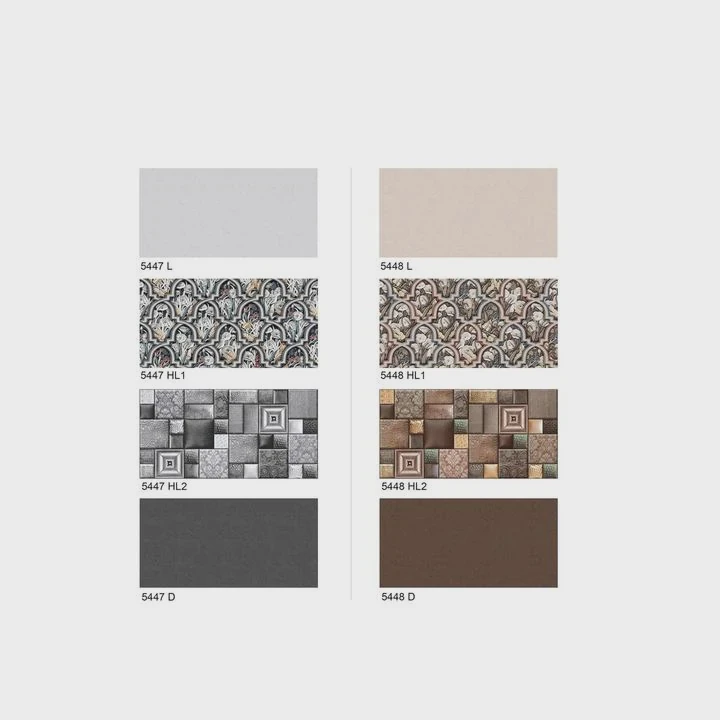
Different environments require different paint types. Bathrooms, kitchens, and floors all have unique demands.
Epoxy Paint
Epoxy paint is one of the strongest options.
- Highly durable
- Resistant to water and chemicals
- Ideal for bathrooms and floors
However, it can be harder to apply. It also has a strong smell during application.
Acrylic Latex Paint
This option is more user-friendly.
- Easier to apply
- Lower odor
- Works well with primer
It is best for walls or low-moisture areas. Without proper sealing, it may wear faster.
Specialized Tile Paint
Some brands produce paint made specifically for tile.
- Designed for ceramic and porcelain
- Often includes bonding agents
- Good balance between ease and durability
This is often the best choice for beginners.
Paint Comparison Table
| Paint Type | Durability | Ease of Use | Best For |
|---|---|---|---|
| Epoxy Paint | High | Medium | Floors, wet areas |
| Acrylic Latex | Medium | High | Walls, dry areas |
| Tile Paint | High | High | General tile surfaces |
Choosing the Right Paint
The decision depends on usage:
- High traffic → Epoxy
- Decorative walls → Acrylic
- General renovation → Tile paint
Many buyers focus only on price. But paint quality affects lifespan directly. A slightly higher investment often saves money later.
How Do You Ensure Long Lasting Tile Paint?
Many painted tiles look good at first. But after a few months, peeling starts. This happens due to poor technique or missing steps.
Long-lasting tile paint requires thin layers, proper drying time, controlled environment, and protective sealing.
Durability depends on both materials and process. Even the best paint fails if applied incorrectly.
Apply Thin Coats
Thick layers may look faster but cause problems.
- Apply multiple thin coats
- Allow drying between each layer
- Avoid dripping or uneven buildup
Thin layers bond better and last longer.
Control the Environment
Environmental factors matter more than expected.
- Avoid high humidity during painting
- Maintain moderate temperature
- Ensure good ventilation
Moisture can interfere with drying and adhesion.
Respect Drying Time
Rushing the process is a common mistake.
- Follow manufacturer drying times
- Wait longer in humid conditions
- Avoid touching or using surface too soon
Patience improves results significantly.
Avoid Heavy Use Early
Fresh paint is fragile.
- Do not scrub or wash immediately
- Avoid placing heavy items
- Let paint cure fully (often several days)
Key Factors for Durability
| Factor | Impact on Result |
|---|---|
| Thin Layers | Prevent peeling |
| Drying Time | Strengthens bonding |
| Environment | Ensures proper curing |
| Early Protection | Avoids surface damage |
Real Project Insight
In one past project, a client painted bathroom tiles without waiting between coats. The paint peeled within weeks. After redoing with proper steps, the finish lasted years. This clearly shows how technique matters more than speed.
When Should Sealing Be Applied After Painting?
Many people skip sealing. This reduces the lifespan of painted tiles significantly.
Sealing should be applied after the paint has fully cured to protect the surface from moisture, stains, and wear.
Sealing acts as a protective shield. It is especially important in wet or high-use areas.
When to Apply Sealer
Timing is critical.
- Wait until paint is fully dry
- Usually 48–72 hours minimum
- Check manufacturer instructions
Applying too early can trap moisture and ruin the finish.
Types of Sealers
Different sealers provide different levels of protection.
- Water-based sealer: easy to apply, low odor
- Oil-based sealer: stronger protection, longer drying
- Polyurethane: very durable, good for floors
How to Apply Sealer
- Use a clean roller or brush
- Apply thin, even coats
- Avoid bubbles or streaks
- Allow proper drying between coats
Usually, two coats are recommended.
Benefits of Sealing
- Protects against water damage
- Prevents stains and scratches
- Extends paint life
- Improves surface finish
When Sealing Is Essential
Sealing is strongly recommended for:
- Bathroom tiles
- Kitchen backsplashes
- Floor tiles
- High traffic areas
Skipping sealing may save time today, but it often leads to repainting later.
Conclusion
Painting tile works well when each step is done correctly. Good preparation, the right paint, careful application, and proper sealing all matter. This method offers a cost-effective way to upgrade spaces without full renovation.